
Exercise is equally vital for keeping bones strong and metabolically active. Bones remodel throughout life, becoming denser when regularly loaded and weaker with inactivity. Weight-bearing and resistance exercises stimulate osteoblasts to form new bone, improving mineral density and microstructure. Studies on astronauts show that without gravity’s loading force, bone loss can exceed 1% per month – a vivid reminder of the importance of resistance. For people with arthritis or reduced mobility, even modest, low-impact training such as wall push-ups, resistance bands, or supported squats can slow bone loss, improve balance, and reduce fracture risk. These activities also enhance circulation, supporting nutrient delivery to both bone and joint tissues. More on bone health – See the page on Calcium
Exercise
Benefits of Exercise

Reduces pain
Eases morning stiffness
Improves sleep quality
- Increases happiness
Increases mobility
Builds joint stability
Reduces further joint damage
Reduces flare up
Restores confidence and independence
- Increases a multitude of health metrics
- Reduces depression and anxiety
- Increased socialization and opportunities
Regular, moderate movement can make a real, positive difference in life with arthritis. It helps reduce pain, ease morning stiffness, and improve overall sleep quality. Many people find they move more freely and with greater confidence as muscles strengthen and joints become more stable and resilient. Over time, exercise can help prevent further joint damage, reduce flare-up, and restore a strong sense of independence. Even small efforts add up – building week by week into meaningful, lasting change.
First Step
Before beginning any significant exercise for arthritis, it’s essential to first bring inflammation under control. When joints are highly inflamed, nearly all movement can cause pain, and excessive exercising in this state may aggravate damage rather than help. Research supports this: while gentle movement can reduce inflammatory gene activity, excessive load on inflamed joints worsens symptoms and tissue breakdown. Once inflammation is reduced – through fasting, diet change and short term medication (If medically advised) – movement becomes easier, and healing can begin. Exercise can then help restore mobility, lubricate joints, and promote natural anti-inflammatory processes.
When inflammation is under control, regular movement becomes a powerful ally in recovery. Moderate, low-impact exercise such as walking, swimming, or gentle resistance training reduces pain, strengthens supporting muscles, and helps regulate immune and metabolic pathways linked to inflammation. Studies show that consistent training can lower inflammatory mediators like IL-6 and CRP while improving flexibility and cartilage health. The key is to start gently, build consistently. Over time, this steady approach restores confidence, stability, and freedom of movement – allowing the body to heal and stay strong naturally. I would strongly advise against sedentary lifestyles or many hours of sitting per day. Get up and move frequently.
Exercise Benefits All

What ever condition you are in and whatever ailment you have, movement appropriate to your ability is vital for your health.
The right types of exercise at the right times benefits all types of arthritis and health conditions.
Exercise is both preventative and restorative. A must.
It can take as little as a few days and usually no more than a few weeks to get inflammation right down and range of motion back – when you apply these diet and lifestyle strategies. Of course, medications can be very effective also and there is definitely a place for that.
Scientific studies across several forms of inflammatory arthritis – including rheumatoid arthritis, ankylosing spondylitis, psoriatic arthritis, and axial spondyloarthritis – consistently show that gentle, consistent physical activity reduces inflammation, pain, and fatigue, while improving strength, mobility, sleep, and mental wellbeing. Exercise also supports lymphatic flow and gut motility, both of which play a role in reducing inflammation. So once your inflammation is under control, enjoy your new freedoms of movement and get out there.
Immune Modulation
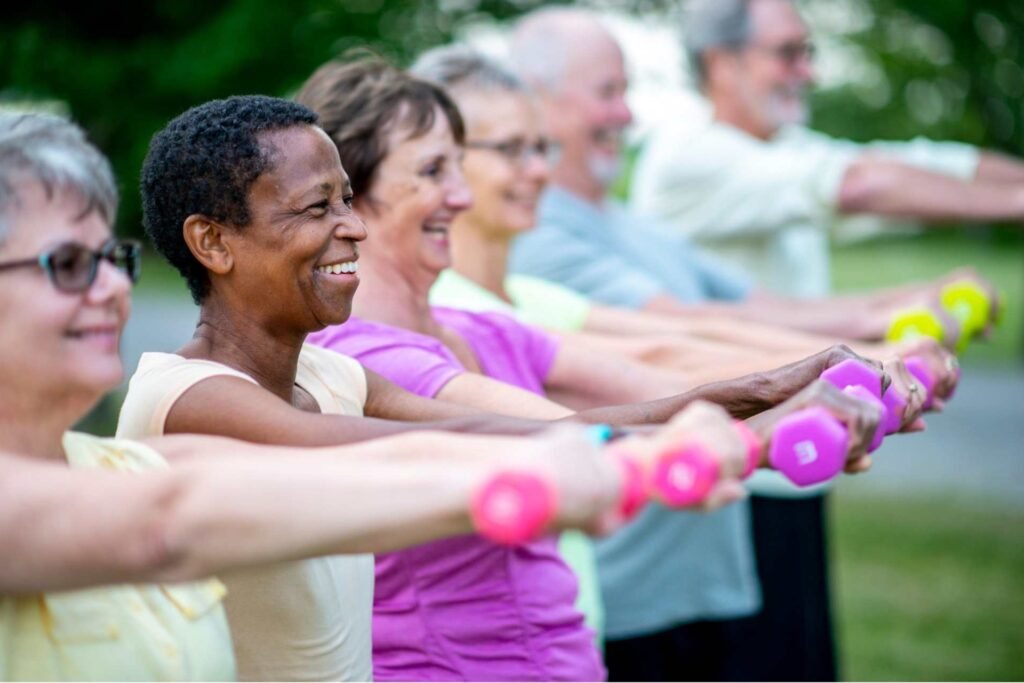
Exercise lowers pro-inflammatory cytokines like TNF-α, IL-6 and CRP. Moderate exercise helps calm systemic inflammation by reducing key inflammatory messengers linked to arthritis pain and damage.
Exercise increases anti-inflammatory cytokines like IL-10. Exercise boosts IL-10 production, which helps regulate immune balance and protect joint tissues.
Exercise reduces disease activity, flare severity, and progression: By restoring immune balance, regular movement can lessen flares and slow long-term joint degeneration.
Regular moderate exercise reshapes the immune system in ways that directly protect against arthritis progression. It lowers harmful pro-inflammatory cytokines such as TNF-α, IL-6, and CRP, while increasing protective anti-inflammatory signals like IL-10. This shift reduces systemic inflammation, leading to fewer and less severe flares, slower disease progression, and improved overall disease control. 👉 This immune modulation is the primary reason why consistent exercise is protective, not harmful, for people with arthritis.
Lymphatic System
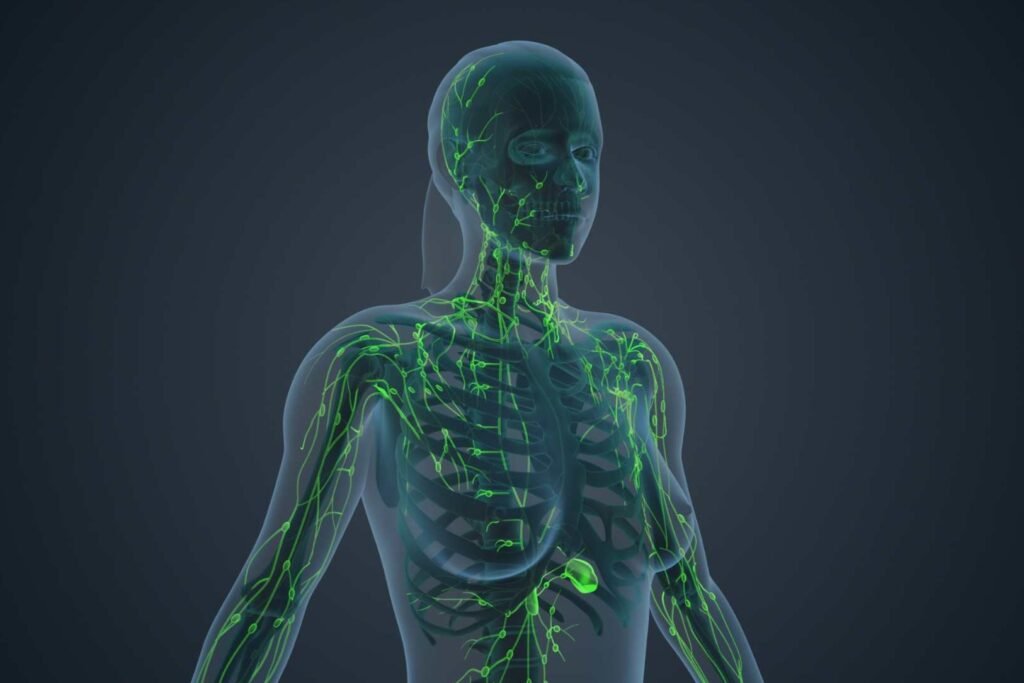
Unlike blood circulation, the lymphatic system has no central pump and relies on muscle contractions, joint movement, and deep breathing to propel lymph fluid through its vessels. This clear fluid carries immune cells that help defend against infection while removing cellular waste, inflammatory molecules, and excess interstitial fluid from tissues, including the joints. Studies show that impaired lymph flow can contribute to inflammation and tissue stiffness, making regular movement essential for efficient immune regulation and the clearance of inflammatory by-products from arthritic joints.
When the body is sedentary or asleep, lymphatic flow slows, allowing waste and fluid to accumulate. This partly explains why joints often feel stiff, swollen, or achy after long periods of stillness. Movement acts as a natural “pump,” mechanically stimulating lymphatic vessels to drain fluid and transport immune cells. Even gentle activities – walking, rebounding, stretching, or diaphragmatic breathing – enhance this circulation, reduce local inflammation, and improve recovery. Supporting healthy lymph flow (Movement, deep breathing, hydration etc) helps maintain tissue hydration, reduce joint swelling, and promote long-term resilience against chronic inflammation.
Osteoarthritis and Bone Health
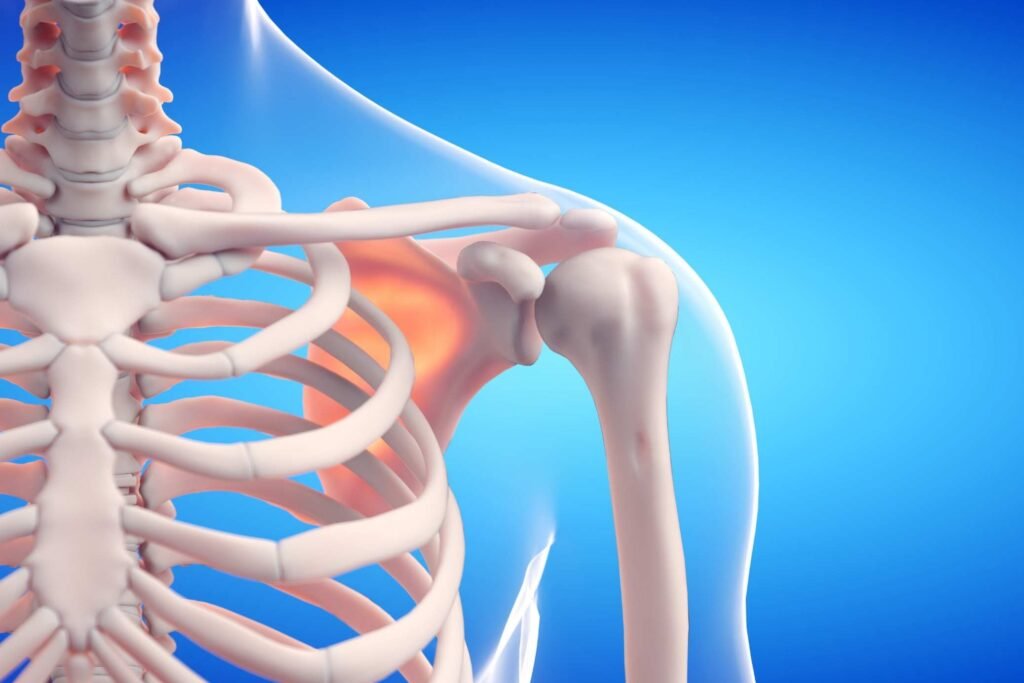
Regular, moderate joint-loading activities such as walking, resistance training, or aquatic exercise help maintain cartilage integrity, reduce pain, and slow osteoarthritis progression. Mechanical loading stimulates the production and circulation of synovial fluid, enhancing lubrication and nutrient delivery to chondrocytes – the cartilage cells responsible for repair and resilience. Research shows that appropriately dosed exercise reduces cartilage-degrading enzymes (like MMP-13) while increasing anabolic signals that support tissue regeneration. In contrast, prolonged inactivity limits nutrient exchange, weakens surrounding muscles, and accelerates cartilage deterioration, reinforcing the importance of consistent, gentle movement for joint longevity.
How Exercise Helps – Scientifically
Reduces systemic inflammation by modulating CRP, TNF-α, and IL-6.
Extensively supported; consistent reductions in pro-inflammatory markers are among the most studied benefits of exercise in arthritis.Boosts synovial fluid circulation and cartilage metabolism for joint lubrication.
Strong evidence in osteoarthritis and general joint health – movement stimulates nutrient diffusion and waste removal in cartilage.Improves blood flow, capillary density, and tissue repair in joints.
Exercise enhances angiogenesis and perfusion, critical for joint recovery and long-term function.Enhances lymphatic drainage to clear inflammatory waste products.
Moderate but growing evidence – movement improves lymph flow and inflammatory mediator clearance.Increases antioxidant enzymes like superoxide dismutase (SOD) and glutathione peroxidase.
Well-documented effect of regular moderate exercise; reduces oxidative stress load in joint tissues.Balances the immune system, including Th17/Treg regulation.
Supported in autoimmune arthritis (e.g. RA); exercise helps reduce pathogenic T-cell activity and supports regulatory immune tone.Increases gut microbiome diversity and promotes short-chain fatty acid (SCFA) production.
Emerging but promising evidence linking exercise to microbiome shifts that reduce systemic and joint inflammation.Activates the vagus nerve, improving parasympathetic tone and gut–immune communication.
Growing interest – vagal tone reduces inflammation via the cholinergic anti-inflammatory pathway.Stimulates osteoblast activity to maintain or increase bone mineral density.
Well-established in osteoporosis research; exercise slows bone loss and strengthens skeletal structure.Reduces fall risk by improving coordination, muscle mass, and balance.
Key factor in preventing fractures, especially in older adults and those with arthritis-related instability.
Steps to Healing and Health

- Get inflammation under control
Exercise has a huge host of benefits
Consistent actions build strength and reduce pain.
- As muscles build and adapt, exercise becomes fun
Learning from both science and lived experience keeps you on the right path.
Exercise is for everyone – for life.
The next section on exercise includes extra steps, tips insights and warnings to help you make exercise healing.
I know its a bit vain to post a pic like this, but I was so proud of myself going from totally disabled to fit and strong again. I want to show you what is possible. what a transformation these lifestyle changes can make!
This pic from a couple of years ago reminds me that I should be putting more effort in now!
For Premium Members there is more detailed Exercise Steps, helpful tips, and links to more.