
Diet History
From paleo to agricultural and industrial diets, we can learn from our diet history – And how it has effected inflammatory disease.

Historically, human diet has never been one thing. Over hundreds of thousands of years, it shifted with climate, tools, geography, and culture. It evolved from diverse wild plants, tubers, shellfish, and game, which were typically very high in fiber with variable fat intake and seasonal eating patterns, to early farming with grains and legumes and widespread fermentation, and finally to the modern era of refined flour, added sugars, seed oils, additives, and often over consuption. Each stage changed not only what we ate, but how our bodies adapted to food.
These changes reshaped our fat profile, especially omega-3 to omega-6 balance, our fiber intake, and our microbiome, and with it the immune tone that influences joint pain and systemic inflammation. There is no single ancestral diet to copy, but history helps explain why many people with inflammatory arthritis improve when they return to whole, minimally processed, plant based meals, tailored to their tolerances and their current microbiome condition.
Human Diet
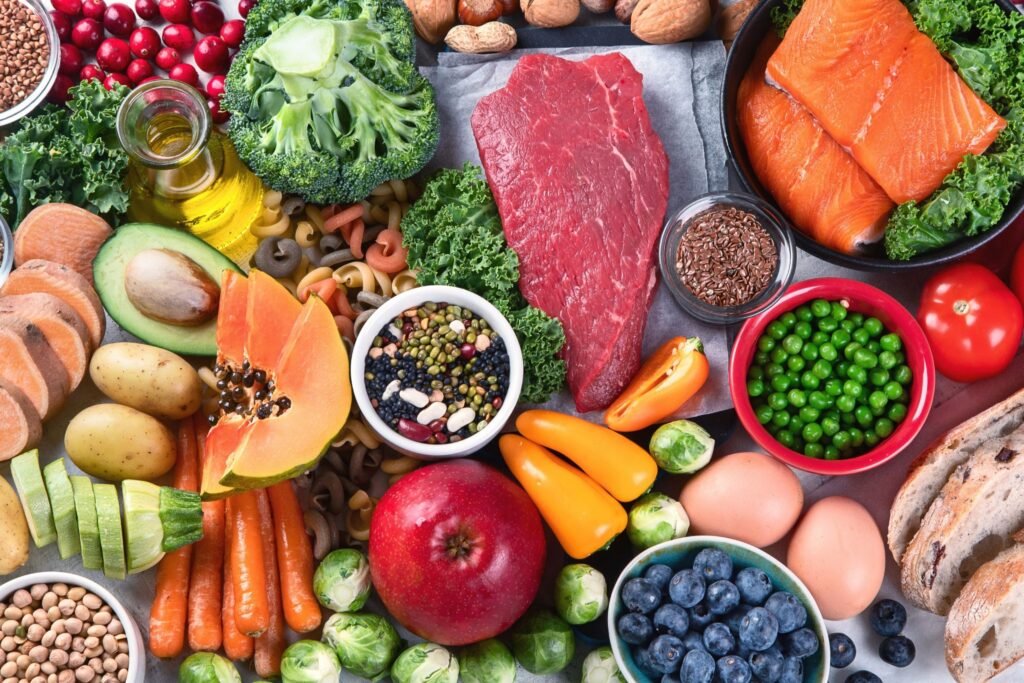
Our bodies need fuel. Some people do not get enough and some people get too much. When survival is the priority, humans will take whatever fuel is available. However when it comes to ideal human nutrition, it takes careful analysis to ensure that important nutrients are not missing. When we have a choice, it is worth being selective, intentional, and precise to obtain the best possible health outcomes.
For approximately 99 percent of human existence, diets were made up of whole, natural foods such as fresh fruits, vegetables, nuts, seeds, tubers, and, depending on geography, wild caught fish, marine mammals, or game. These foods generally supported a healthy gut microbiome, helped regulate inflammation, and sustained long term health, even though life expectancy was often shorter. There were no supermarkets and no manufactured food products.
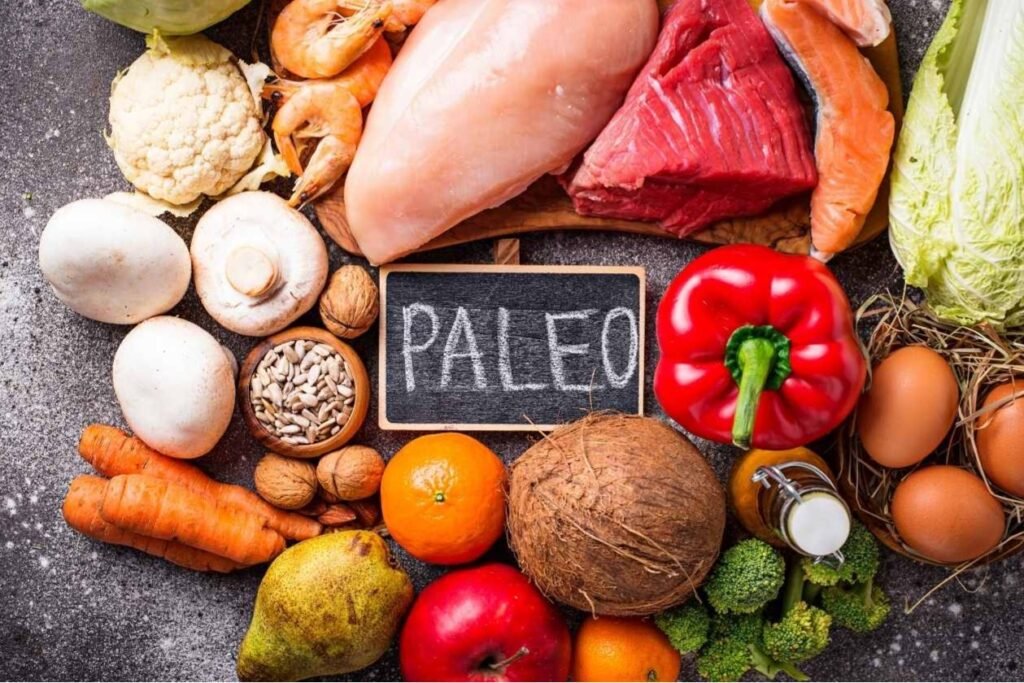
Modern Paleo protocols, are often a structured elimination and reintroduction diet aimed at reducing gut immune activation. For inflammatory arthritis such as RA, PsA, and A.S., scientific support is low. There are no large randomized trials, and evidence comes mainly from small, uncontrolled or feasibility studies that report symptom and quality of life improvements but inconclusive clinical effects. From my research and experience, animal fats and proteins can leak through compromised gut barriers and contribute to inflammation.
Cutting refined carbohydrates, sugars, and processed foods is a major benefit of a Paleo style diet. However, studies suggest that a no added oil whole food vegan diet may provide greater benefits for inflammation and autoimmune conditions like inflammatory arthritis, especially when gut integrity is compromised. Oils, fats, and animal products can increase gut permeability and allow animal protein fragments to enter the bloodstream, where they may trigger immune reactions.

Agriculture
The deliberate cultivation of plants and the herding of animals, emerged independently in several regions approximately 11,000 years ago. Early founder crops included wheat, barley, lentils, peas, and flax in the Near East, alongside the domestication of livestock. This transition shifted humans from mobile foraging to settled communities, food storage, and seasonal dependence on harvests, increasing reliance on a smaller range of staple foods and reshaping daily life and health patterns.
Diets shifted from diverse wild foods such as fish, shellfish, tubers, and greens toward cereal based staples and dairy and meat from domestic herds. This narrowing of dietary diversity in the last few percent of human history reduced micronutrient variety and altered fiber intake, with long term effects on gut health and resilience. Bioarchaeology shows that this transition often brought population growth, but also higher rates of dental decay, infectious disease burden, and joint wear patterns. Dairying was a post domestication minority practice that spread unevenly across the Old World.
Industrial Era
Corporations and regulatory bodies influenced by corporate interests are often more focused on profit than public health. This has shaped both food systems and health outcomes.
There has been a ten to thirty fold increase in most inflammatory autoimmune diseases since the pre industrial era. Processed foods, along with chemical exposures in both food and the environment, are major contributors to modern disease.
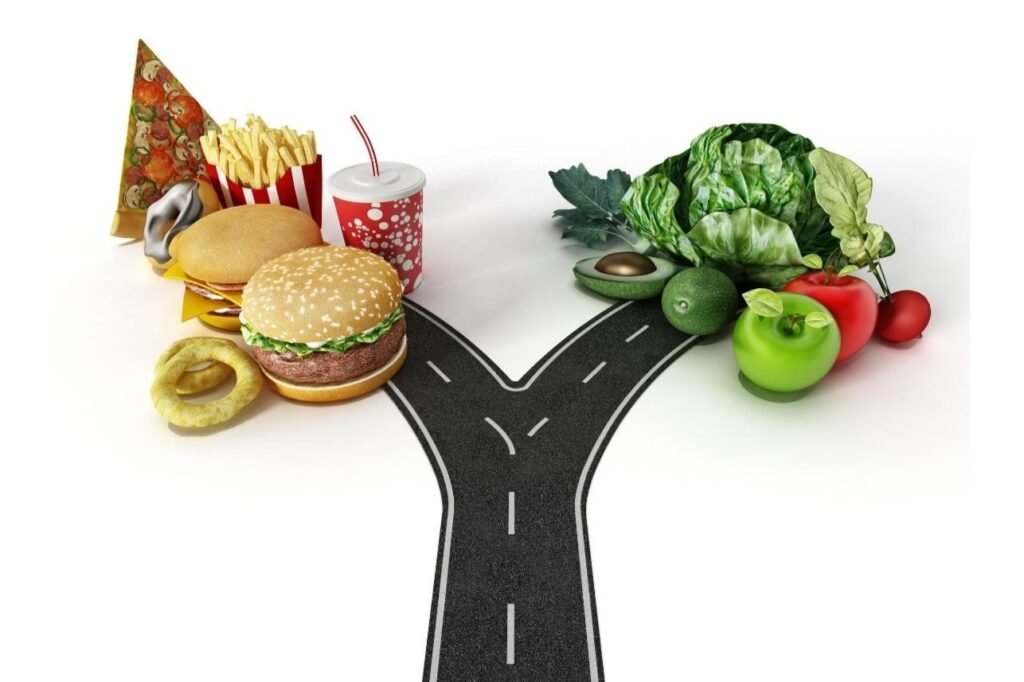
It was not until the industrial era, and especially after World War II, that human diets began to shift dramatically. Instead of eating food in its natural form, people increasingly consumed products made from refined ingredients, processed fats, sugar, salt, and synthetic additives. These ultra processed foods are not part of our biological heritage and are strongly linked to gut dysfunction, metabolic disease, and inflammatory conditions such as arthritis. But in most places in the world, you still have choices and you can prioritize real, fresh food. The road you take is your choice! *