
Zinc
Key Points about Zinc
Vital for immune, gut, and antioxidant defence systems
Deficiency common in inflammatory arthritis
Supports collagen, cartilage repair, and hormone balance
Suppresses NF-κB and inflammatory cytokines
Poor absorption from plant foods (due to phytates)
Oysters: excellent source of zinc and taurine, but easy to overconsume
Mussels: good taurine source with safer zinc levels
Typical dose: 15–25 mg/day; short-term therapeutic: 30–50 mg/day
Best forms: picolinate, gluconate, citrate, bisglycinate
Avoid chronic high doses of zinc (greater than 50 mg/day), such as from eating oysters daily, which can deplete copper and lower HDL, – High-Density Lipoprotein, which is often called the “good cholesterol.”
- Include copper if getting more than 30 mg/day of Zinc for more than a few weeks
Zinc’s Role in Inflammation and Joint Health
Zinc is a trace mineral essential for immune function, tissue repair, hormone regulation, and antioxidant defence. In the context of arthritis and chronic inflammation, zinc plays a pivotal role in balancing immune activity and protecting joint tissues.
Evidence and Mechanisms
Low zinc status has been consistently observed in people with rheumatoid arthritis and other inflammatory diseases. Studies show that deficiency correlates with higher levels of inflammatory markers such as CRP, IL-6, and TNF-α, along with poorer outcomes in autoimmune arthritis. Supplementation has been shown to reduce oxidative stress and modulate immune response, although high-quality RA-specific randomized trials remain limited.
Mechanistically, zinc helps maintain gut mucosal integrity and immune regulation through several pathways:
It supports T-cell development and helps regulate cytokine production, preventing overactive immune responses.
It suppresses NF-κB, a key inflammatory signalling pathway involved in joint degradation.
It is essential for the antioxidant enzyme superoxide dismutase (SOD), which protects cartilage and synovial tissues from oxidative damage.
It supports tissue regeneration, wound healing, and hormone balance – all critical to recovery in inflammatory conditions.
Even mild zinc insufficiency can contribute to chronic low-grade inflammation, slower repair, and increased oxidative stress.
Zinc Deficiency and Arthritis
People with rheumatoid arthritis often have significantly lower serum zinc levels than healthy individuals. Deficiency is associated with:
Increased joint inflammation and pain
Impaired collagen formation and cartilage maintenance
Slower wound and tissue repair
Because inflammation increases zinc demand while also reducing absorption, deficiency can create a self-perpetuating cycle of inflammation and depletion.
Are You Getting Enough Zinc from Diet Alone?
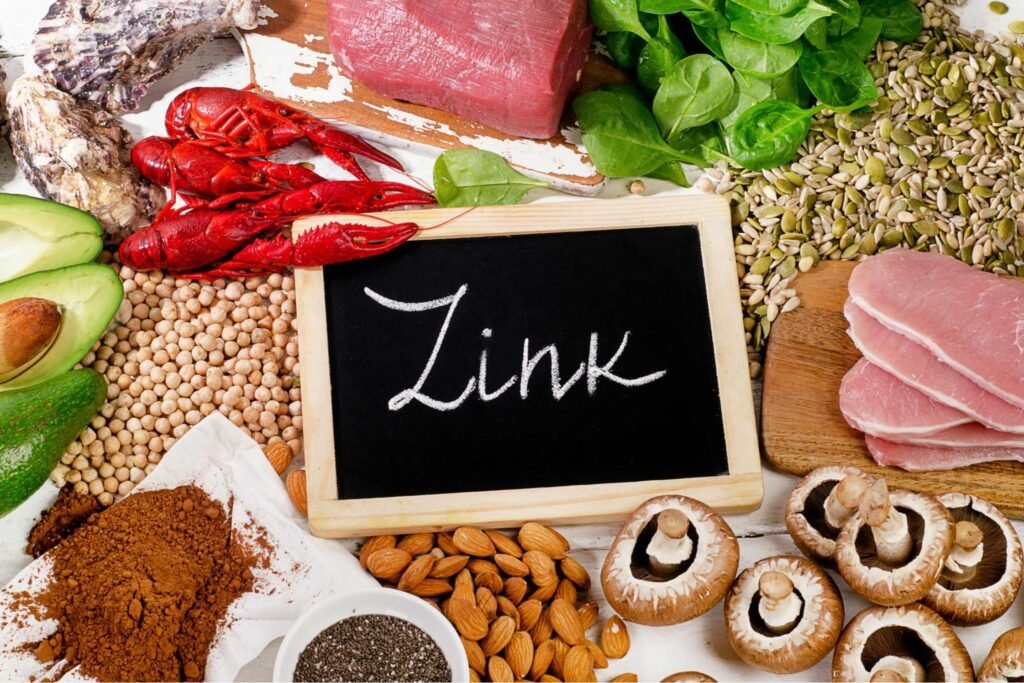
Zinc is abundant in animal foods such as oysters, mussels, beef, poultry, and eggs. For people on plant-based diets, however, zinc intake and absorption can be limited by phytates – compounds in grains, legumes, seeds, and nuts that bind minerals and reduce bioavailability.
The recommended daily intake for men is 11 mg/day and for women 8 mg/day, but needs are likely higher in chronic inflammation or digestive impairment.
🧭 Zinc Content per 100 grams (approx.)
Oysters: ~39 mg of zinc per 100grams
Beef: ~5 to 9 mg
- Skin on Atlantic salmon: ~0.6 to 0.7 mg
Pumpkin seeds: ~9 mg (but limited absorption due to phytates and also high in Omega 6)
- Flax seeds (linseeds):~4.3 mg (but reduced absorption due to phytates)
- Chia seeds:~4.6 mg (but reduced absorption due to phytates)
- Hemp seeds:~7 to 8 mg (With a much better omega ratio and lower phytates)
- Walnuts:~3.1 mg (best nut when omega 3 is also considered)
Lentils (cooked): ~1 mg
Tofu: ~1.5 to 2 mg
Mussels (cooked): ~2.7 mg
- Eggs (2 eggs): ~1 mg of zinc
- Oats (rolled): ~1.3 mg of zinc
- Brown rice (cooked) : ~1 mg of zinc
- Buckwheat (cooked) : ~1 mg of zinc
- White pasta (cooked) : ~0.5mg of zinc
- Wholemeal pasta (cooked) : ~1.2mg of zinc per 100grams
Going above the upper limit of 40 mg/day of Zinc over time can interfere with copper absorption, suppress immune function, and potentially cause gastrointestinal symptoms.
Key strategies to improve absorption and reach ~10 mg/day:
Soak or sprout grains and legumes to reduce phytates – zinc absorption can double in some cases.
- Whole grains – Brown rice, buckwheat, wholemeal pasta, Rolled oats
- Proteins – Lentils, chickpeas, tofu, eggs, mussels, oysters (if tolerated)
Use moderate nuts and seeds: hemp seeds, flax, chia seeds and walnuts
Consider a small supplement (e.g., 5 mg zinc citrate, picolinate, or gluconate) if daily intake is consistently low.
Taurine
Interestingly, oysters are not only the richest dietary source of zinc but also contain taurine, which supports gut microbial balance and may help suppress harmful bacteria such as Klebsiella – sometimes linked to autoimmune flares. However, frequent oyster consumption can easily exceed safe zinc levels, so mussels offer a safer balance if consuming multiple times per week. Mussels are taurine-rich but lower in zinc, which is good for regular consumption. More on the Taurine page.
Taurine content in mussels (raw) ranges from ~530 to ~780 mg per 100 g, and cooking retains much of it, though some is lost to cooking liquids.
While zinc has clear recommended daily and upper limits, taurine does not have an official RDI, because the body can make it; typical dietary intakes range from tens to a few hundred milligrams per day.
Including mussels (or similar shellfish) in your diet can support both zinc and taurine intake, but always balance with other nutrients and avoid overreliance on one food.
Therapeutic Benefits of Zinc for Inflammatory Conditions
Reduces inflammation: Zinc downregulates inflammatory cytokines like IL-6 and TNF-α.
Supports tissue repair: Vital for collagen formation and joint cartilage regeneration.
Modulates immune function: Helps prevent immune overactivation and autoimmunity.
Antioxidant protection: Part of enzymes that neutralize reactive oxygen species (ROS).
Gut and hormone balance: Strengthens gut barrier integrity and regulates hormones such as cortisol and testosterone, which influence inflammation.
Supplementation: When and Why
Supplementation is often beneficial for:
People on low-meat or vegan diets
Individuals with digestive issues (IBS, IBD, low stomach acid)
Those with autoimmune or inflammatory arthritis
People with slow healing, recurrent infections, or hair thinning
Typical maintenance dose: 15–25 mg/day
Therapeutic (short-term) dose for inflammation: 30–50 mg/day under guidance
Best-absorbed forms include zinc picolinate, citrate, gluconate, or bisglycinate.
Take zinc with food to reduce nausea and avoid combining it with calcium or iron, which can inhibit absorption.
If supplementing beyond 30 mg/day for several weeks, include copper in a 10 to 1 zinc-to-copper ratio to prevent deficiency.
Warnings and Interactions
Long-term high-dose zinc (greater than 50 mg/day) can cause copper deficiency, nausea, or low HDL (“good”) cholesterol.
Avoid extended high-dose use without supervision.
Zinc may interact with some antibiotics and diuretics – consult your healthcare provider if you’re on medication.
Zinc: Benefits, Limits, and Toxicity Risks
RDI: Men – 11 mg/day; Women – 8 mg/day
Upper Limit (UL): 40 mg/day (NHMRC, 2006)
Toxicity risk: Regular intake of >50–100 mg/day can cause adverse effects
Possible symptoms of excessive intake include nausea, vomiting, headaches, fatigue, copper deficiency, reduced HDL cholesterol, and impaired iron or magnesium absorption.
While copper bracelets remain popular folk remedies, controlled trials have shown no measurable impact on copper status or arthritis symptoms – the perceived benefit is likely placebo. It’s wise to check both zinc and copper levels on routine blood tests with your doctor.
Conclusion
Zinc is fundamental for controlling inflammation, protecting joint tissues, and maintaining immune balance. For people with arthritis – particularly those on plant-based diets – maintaining adequate zinc levels can reduce symptom severity and support recovery. Given its limited absorption from many plant foods and increased needs during inflammation, zinc is one of the key nutrients to monitor when managing inflammation and arthritis.