
About Arthritis
Arthritis is a general term for conditions that cause inflammation, pain, stiffness, or swelling in one or more joints and often the spine. It’s not a single disease but a broad category that includes more than 100 named disorders affecting the joints and surrounding tissues.
Arthritis
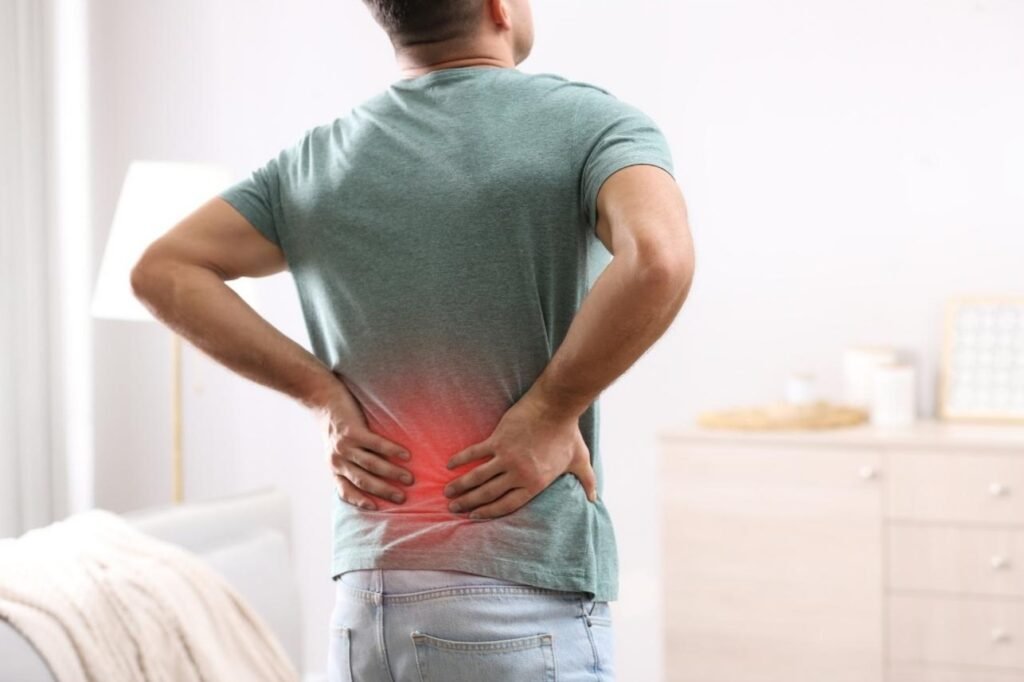
Arthritis simply means inflammation of the joints, yet it describes more than 100 related conditions that affect how your body moves and feels. At its core, arthritis is an imbalance between damage and repair inside the joint. The smooth cartilage that cushions bone surfaces becomes irritated and inflamed, leading to pain, swelling and stiffness. Over time, this inflammation affects joints, but also muscles, tendons, and connective tissue. If left unchecked, eventually the joint can get damaged and deformed. Arthritis is not limited to old age, it can develop at any stage of life, often starting subtly with fatigue or morning stiffness.
Inside an arthritic joint, the body’s immune or mechanical processes trigger a cascade of inflammation. The joint lining (synovium) thickens and releases enzymes and cytokines that erode cartilage and irritate surrounding tissues. As cartilage thins, bone surfaces rub together, forming new growths called osteophytes in osteoarthritis, or fusion in inflammatory types such as ankylosing spondylitis. The result is reduced mobility and persistent pain. Arthritis is not just joint wear, it’s an active process involving immune signalling, oxidative stress, and systemic inflammation. Understanding this biology empowers you to calm inflammation, protect cartilage, and encourage natural repair.
Why Early Action Matters

Arthritis rarely improves on its own. Ongoing inflammation slowly breaks down the joint’s protective cartilage, stiffens connective tissue, and alters the bone beneath. When pain and stiffness are ignored, the body adapts around restriction, creating more imbalance and wear. Left unchecked, small episodes of inflammation can accumulate into lasting joint damage. Early action, through diet modification, regular movement, stress reduction, and medical guidance, interrupts this cycle before permanent changes set in. The sooner inflammation is calmed, the greater your chance of preserving mobility, comfort, and long-term joint health.
Scientific studies confirm that unchecked inflammation accelerates cartilage erosion and stimulates abnormal bone remodeling. Pro-inflammatory molecules such as TNF-α, IL-6, and prostaglandins drive joint swelling and pain while signalling the body to deposit extra bone, forming osteophytes, like spurs, or joint fusion. Over time, these structural changes limit flexibility and can trigger nerve irritation, pain and fatigue. Conversely, reducing inflammation early, through anti-inflammatory foods, removing triggers, regular low-impact activity, adequate sleep, and appropriate medical care, lowers these mediators and slows progression. Make change now to prevent damage.
Types of Arthritis, Back Pain and Associated Conditions
Arthritis, chronic back pain and associated conditions affect millions of people. There are many types, but also many cross overs and similarities. This page introduces some of them so you can begin to understand the root causes, and what you can do about it.
Inflammatory Arthritis
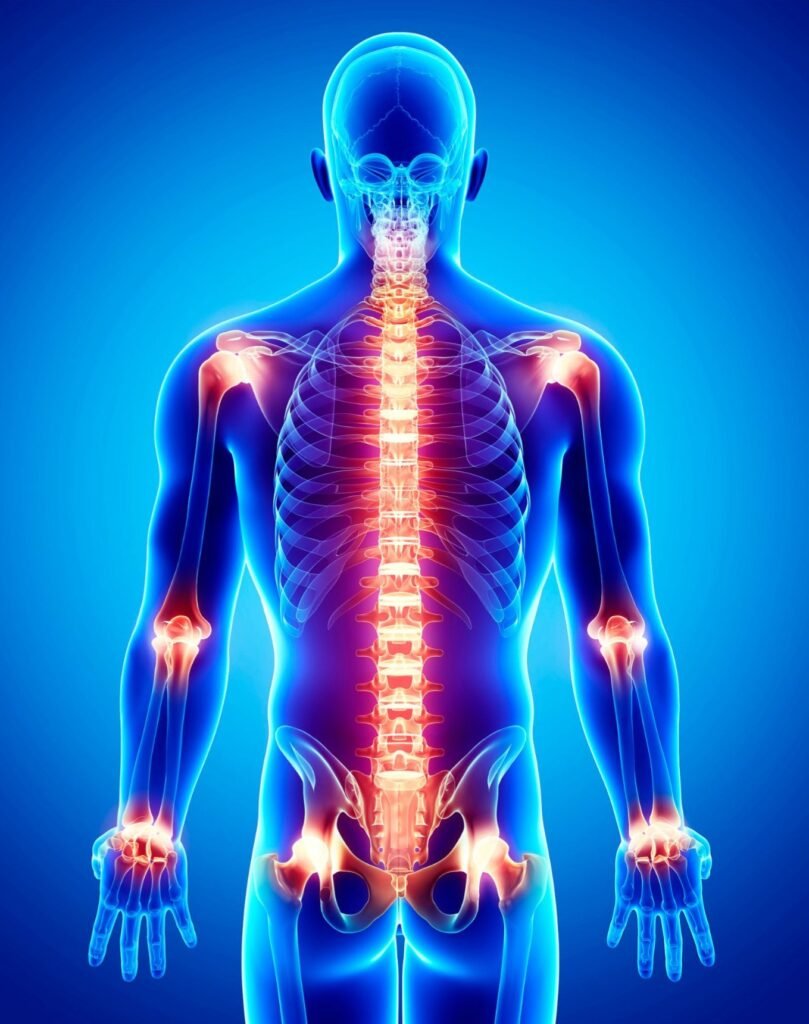
Morning stiffness and chronic pain are common early signs.
The immune system is involved and inflammatory markers are elevated.
- Rheumatoid Arthritis, Psoriatic Arthritis and Ankylosing Spondylitis to name a few.
Diet and lifestyle changes can reduce inflammation and significantly improve outcomes.
- Many people have reversed their symptoms and got off medication and have zero pain.
- N SAIDs can provide short term relief but can also damage your gastrointestinal system, exacerbating illness.
Inflammatory arthritis refers to a group of autoimmune or immune-mediated conditions where the body’s own immune system mistakenly attacks the joints, causing pain, stiffness, swelling, and long-term joint damage if left untreated. Unlike osteoarthritis, inflammatory arthritis often causes stiffness after rest, especially in the morning, and may affect multiple joints and other systemic symptoms.
Diet, lifestyle, and environmental factors that effect your microbiomes, play a significant role in triggering or worsening inflammation, and many people are finding lasting relief, even remission, by addressing these underlying contributors.
Osteoarthritis (O.A.)
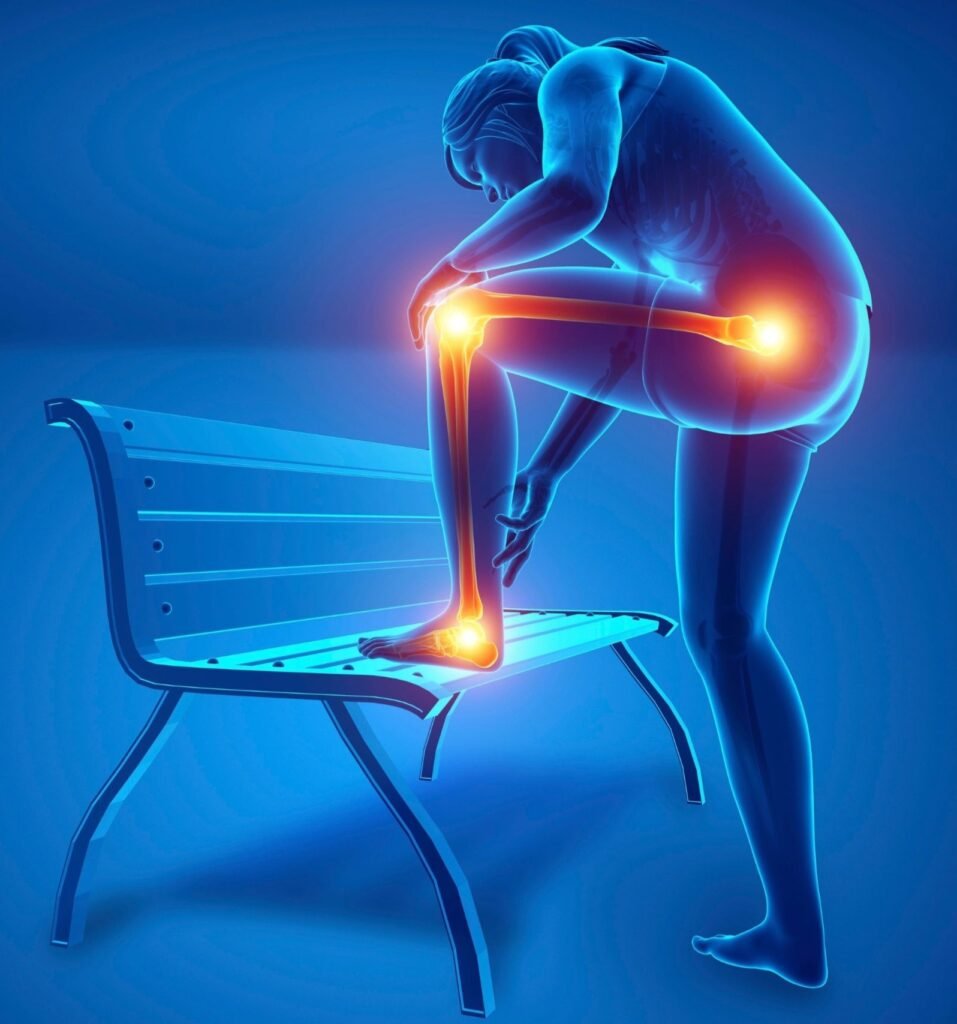
- Osteoarthritis is the most common form of arthritis.
OA pain often worsens with activity and improves with rest.
Low-grade inflammation, diet, and nutrient imbalances may drive symptoms.
With the right changes, relief, and even partial reversal may be possible.
Osteoarthritis is the most common form of arthritis, often affecting the knees, hips, spine, and hands. Unlike inflammatory arthritis, osteoarthritis pain tends to worsen with activity and ease with rest, with stiffness more likely after movement than first thing in the morning. While traditionally seen as “wear and tear,” growing evidence shows that low-grade inflammation, nutritional imbalances, immune reactions and lifestyle factors all play a role, and that meaningful improvement, and even partial reversal, may be possible. In many people, osteoarthritis and inflammatory arthritis coexist, making it even more important to reduce inflammation throughout the body.
Back Pain
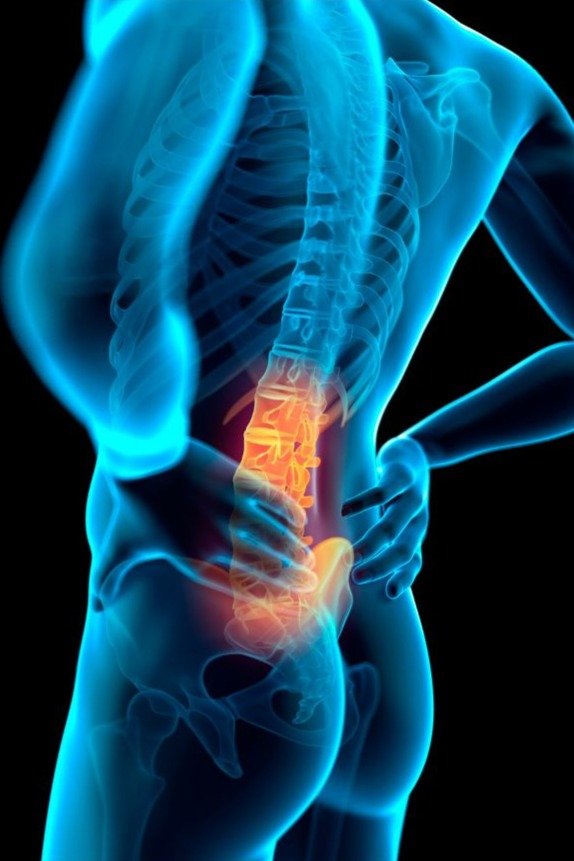
Around 45 to 60% of adults over 60 experience chronic back pain.
Pain that improves with activity and worsens after rest strongly indicates inflammation.
Inflammatory back pain can be significantly eased by carefully addressing diet, lifestyle and other environmental factors.
Back pain is one of the most common health complaints in the world, affecting up to 80% of people at some point in their lives. While many cases are caused by mechanical strain or injury, a surprisingly large number stem from chronic inflammation, and may go undiagnosed. Unlike mechanical pain, inflammatory back pain tends to be worse in the morning or after rest and often improves with movement or exercise. Conditions like RA, ankylosing spondylitis and other spondyloarthropathies fall into this category and are often missed or misdiagnosed for years. The good news is that growing evidence shows diet and lifestyle changes (described on this website) can significantly reduce symptoms, and in many cases, lead to remission.
Associated Conditions
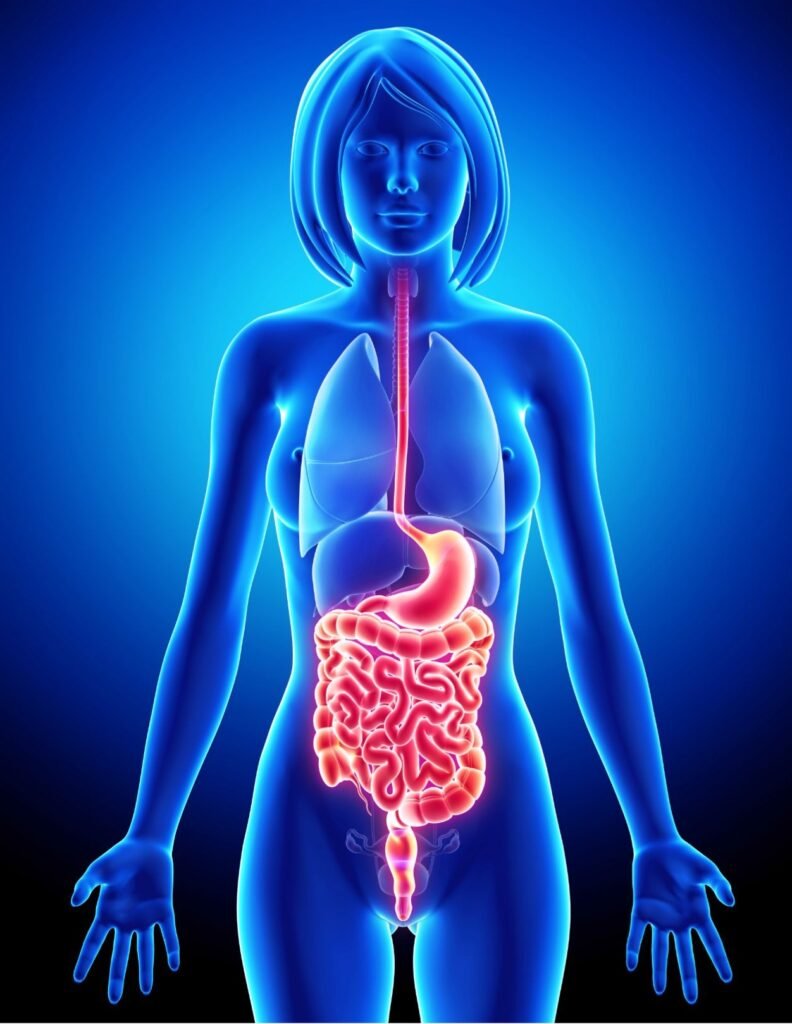
Common coexisting or associated conditions include:
Irritable Bowel Syndrome (IBS).
Inflammatory Bowel Disease (IBD) – including Crohn’s disease and ulcerative colitis.
Uveitis or Iritis – which is inflammation of the eye, common in ankylosing spondylitis.
Psoriasis and Psoriatic Nail Changes.
Fatigue and Brain Fog.
Periodontitis and Oral Inflammation.
Reactive arthritis, is often triggered by infections.
Skin rashes, eczema, or dermatitis.
Food sensitivities or intolerances.
Depression and anxiety, is often linked to chronic inflammation and gut dysbiosis.
People with higher inflammation, on average, have a higher risk of: type 2 diabetes, heart disease, stroke, and certain cancers.
Inflammatory arthritis and chronic back pain rarely exist in isolation. Research shows that gut and oral health imbalances in the oral or gut microbiome causing leaky gut and leaky gums, may play a central role in triggering systemic inflammation and immune dysregulation. As a result, many people with inflammatory arthritis also experience other chronic inflammatory conditions, often without realizing they are connected.
Recognizing these associated symptoms can be a vital clue in understanding the drivers and reversing underlying inflammation.
Emerging science continues to support the link between diet, microbiome health, and autoimmune conditions. Improving gut and oral integrity and reducing inflammatory triggers can positively influence not only joint pain, but many of these related conditions as well.
Joint Damage
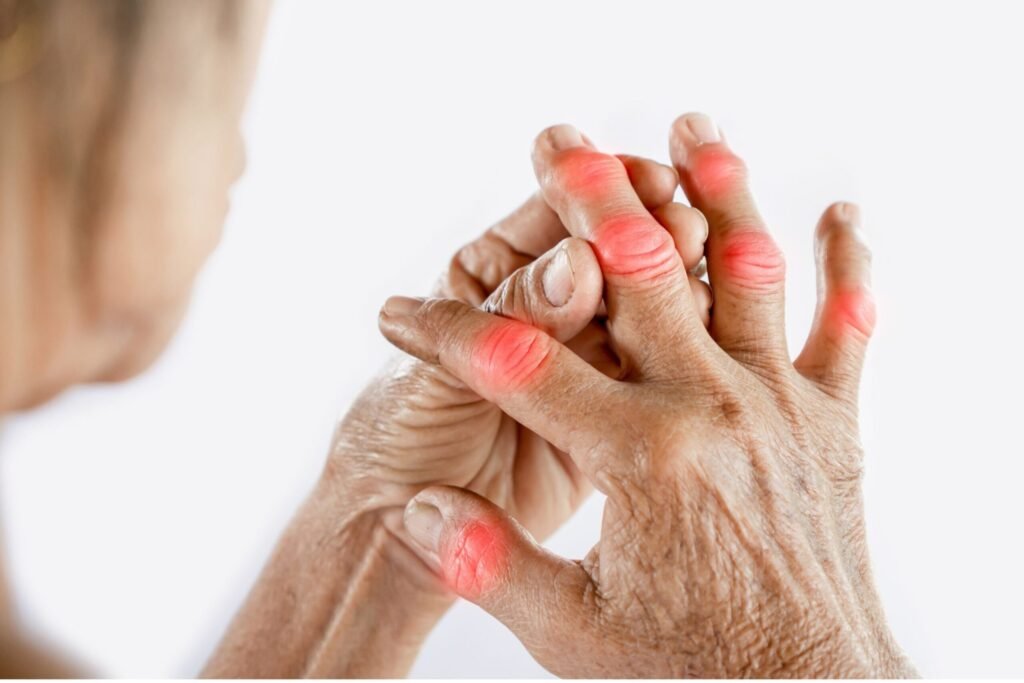
Healthy joints are lined with smooth cartilage that cushions movement and allows bones to glide effortlessly. In arthritis, chronic inflammation causes the immune system to release enzymes and free radicals that slowly erode this cartilage. As the protective layer thins, bones begin to rub against each other, triggering pain, swelling, and stiffness. The surrounding tissues, ligaments, tendons, and joint capsule, also react, tightening or thickening in an attempt to stabilise the joint. This process can become self-perpetuating, as irritation encourages more inflammation and further breakdown of the joint environment.
Inside an inflamed joint, microscopic changes happen long before visible deformity appears. The synovial membrane, which normally produces a thin, nourishing joint fluid, becomes thickened and overactive, flooding the space with inflammatory molecules. These substances stimulate bone cells called osteoclasts to dissolve bone tissue and osteoblasts to build new irregular growths, known as osteophytes or bone spurs. Over time, this leads to joint narrowing, stiffness, and altered movement mechanics. When spinal joints are affected, new bone may even fuse segments together, reducing flexibility. Understanding this internal process highlights why calming inflammation early is essential to prevent on going joint damage.
Early Signs of Arthritis

Arthritis often begins subtly, long before joints become visibly swollen or deformed. One of the earliest clues is morning stiffness, that feeling of tightness or resistance when you first get out of bed. In a healthy, low-inflammation body, you should move freely as soon as you wake. When stiffness lasts even a few minutes, especially if it eases with gentle movement or a warm shower, it suggests inflammation is already present in the joints or surrounding tissues. Many people dismiss this as “just getting older,” but in reality, it’s one of the body’s first alarms that something is wrong.
Other early signs can include mild swelling, tenderness, or warmth around a joint; reduced flexibility; or a deep, achy fatigue that seems out of proportion to activity levels. You might notice that your grip feels weaker, that your feet ache, or that pain flares after being still for a while rather than after exercise. These are all subtle but important clues that inflammation and joint changes may be developing, long before X-rays show damage. Recognising and addressing these early signs can help stop arthritis from progressing to permanent joint damage.
The Good News

The good news is that arthritis can often be reversed or at least halted. When inflammation is caught early and addressed through careful diet and lifestyle choices, many people regain full mobility, wake up without stiffness, and live completely pain-free. The body is remarkably capable of healing when the inflammatory load is lifted, particularly through dietary intervention that calms immune overactivity and supports joint repair. With the right food, removing the wrong things, healthy movement, quality sleep, stress control and other factors, joints can restore their natural function. Arthritis isn’t an inevitable decline, it’s a call for change and to reset your health. And I’m here to help show you how.

Skippering a super yacht after recovery from A.S.