
Supplements
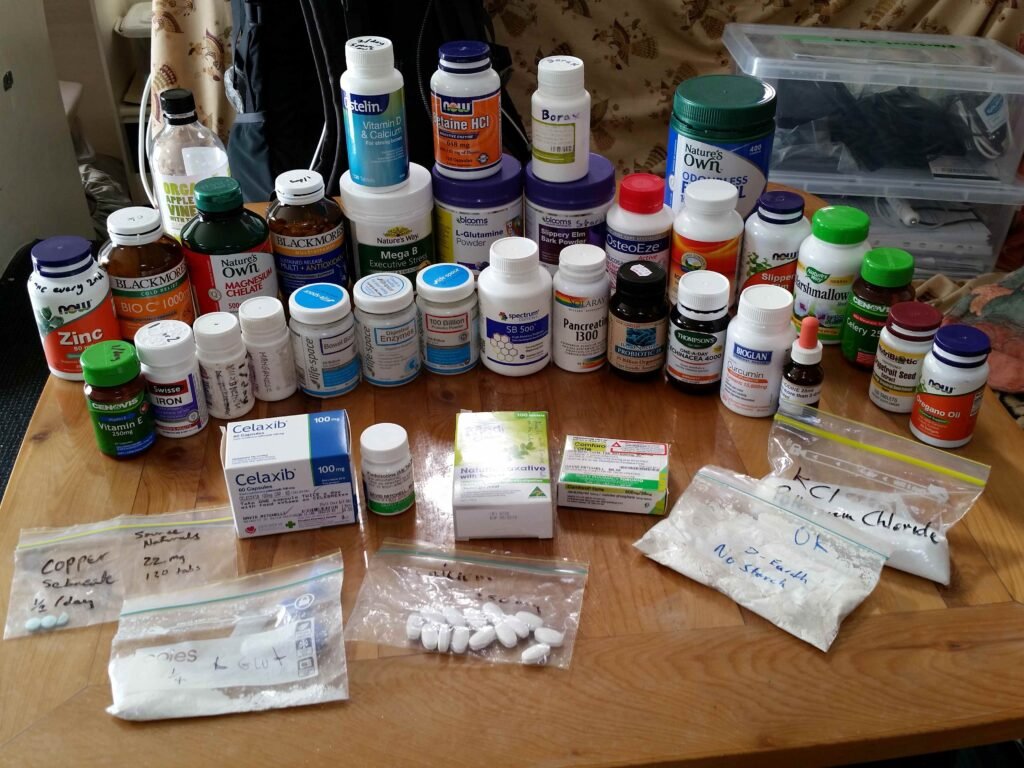
Some supplements have reasonable scientific evidence for supporting people with inflammatory arthritis and related inflammatory diseases. These include omega-3 fatty acids, vitamin D3, curcumin (from turmeric), magnesium, boron (such as calcium fructoborate), boswellia, ginger, and key nutrients such as iodine, zinc, selenium and vitamin B12 – particularly for those following vegan or mostly plant-based diets. When used appropriately, these supplements may help reduce inflammation, support joint health, correct nutrient deficiencies, and assist immune regulation.
That said, supplements are not harmless by default, nor are they a substitute for diet, lifestyle, and root-cause healing. Some are poorly absorbed, some interact with medications, and others may worsen inflammation or disrupt gut health when used incorrectly. Potent antimicrobial supplements, for example, grapefruit seed extract and oregano oil – can damage the gut microbiome by killing beneficial bacteria if overused. For this reason, supplements are best viewed as targeted tools – used selectively, for clear reasons, and ideally for limited periods – rather than something to take indiscriminately.
List of supplement topics covered
Omega 3 – Curcumin – Ginger – Vitamin D3 – Vitamin K2 – Magnesium – Quercetin – Boswellia – Boron – Co-enzyme Q10 – NAC – Zinc – Selenium – Vitamin E – B12 – Iron – Iodine – Bromelain – Calcium – Slippery Elm – Probiotics – Glucosamine – GSE – Oregano Oil. Each topic has a More -> Link to a dedicated page on that topic.
Omega-3 (EPA & DHA)
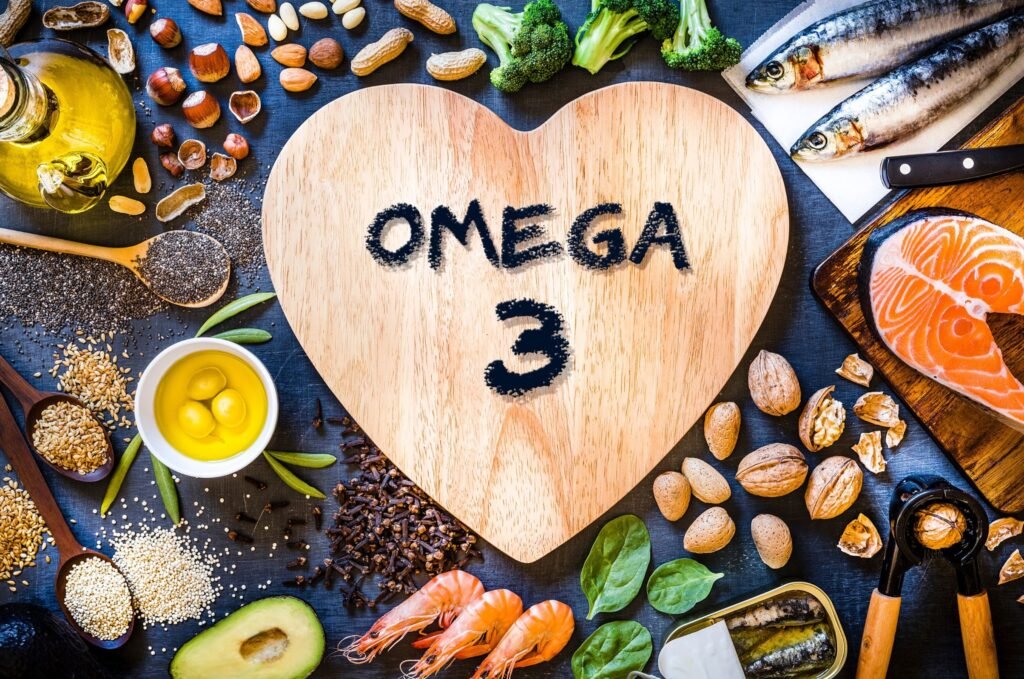
Evidence: High-level meta-analyses show significant reductions in tender joint count and improved cardiovascular-health markers in R.A..
Mechanism: Shifts eicosanoid balance, lowers TNF, IL-6, CRP and supports gut barrier function.
Vegan alternatives to fish oil include algal omega 3s and seeds like flax (linseed) and chia seeds
Omega‑3 fatty acids are among the most well-studied nutrients for managing inflammatory arthritis. They help reduce joint pain and stiffness by lowering inflammation and rebalancing the body’s omega‑6 to omega‑3 ratio – something that’s heavily skewed in modern diets. While plant-based sources offer some benefits, marine omega‑3s like EPA and DHA are key to the therapeutic effects seen in autoimmune and inflammatory conditions. Learn how to optimise your intake for long-term joint health and symptom relief. More ->
Curcumin from Tumeric
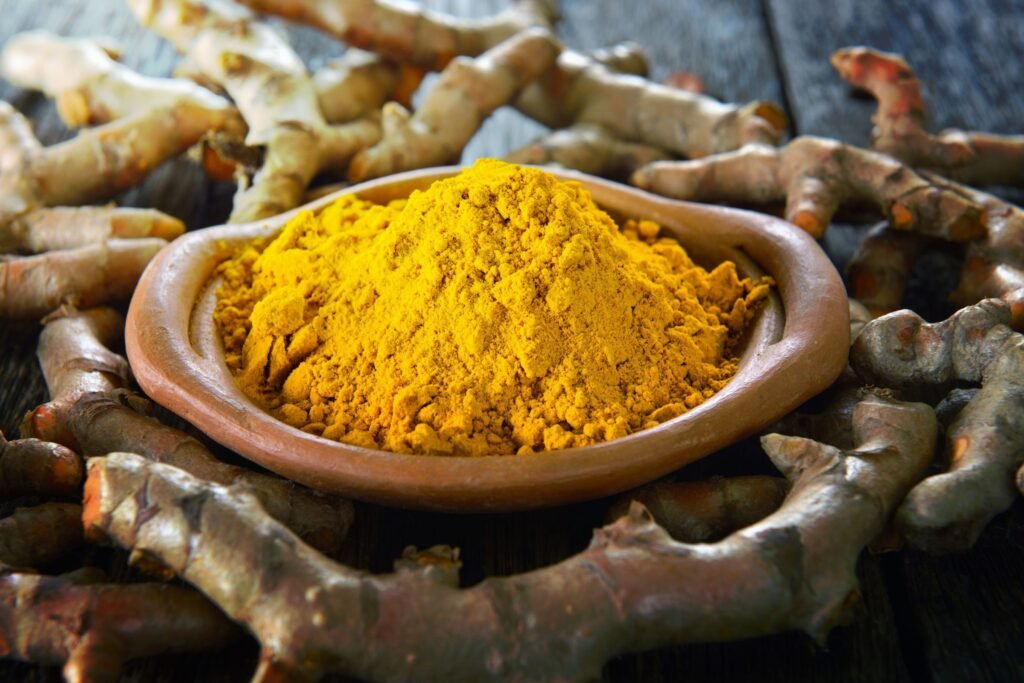
Evidence: Multiple meta-analyses and trials highlight effects comparable to N SAIDs in RA and OA .
Mechanism: Potent NF-κB, TNF-α inhibitor; gut lining support; antioxidant.
Curcumin, the active compound in turmeric, is one of the most well-studied natural anti-inflammatories. Clinical research shows it can significantly reduce joint pain, stiffness, and inflammatory markers in conditions like rheumatoid arthritis, ankylosing spondylitis, and inflammatory bowel disease. With effects comparable to low-dose N SAIDs – but without the typical side effects – curcumin offers a compelling natural option for managing chronic inflammation. More ->
Ginger
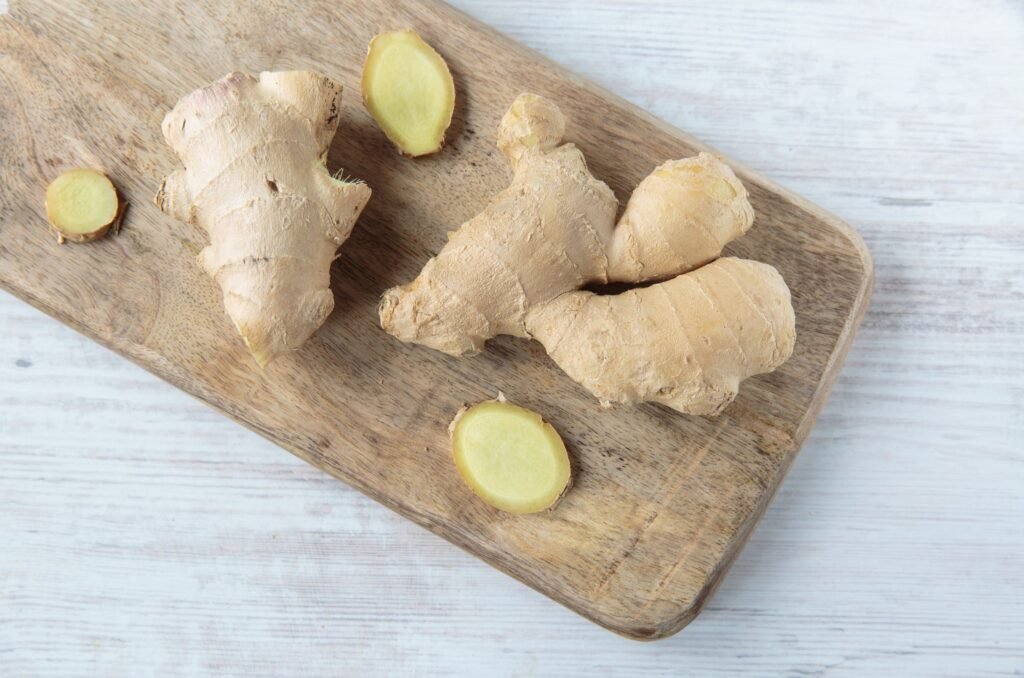
Evidence: Numerous clinical trials and meta-analyses demonstrate ginger’s efficacy, matching low-dose N SAIDs for pain relief in osteoarthritis and rheumatoid arthritis.
Mechanism: Inhibits COX-2 and LOX enzymes; reduces IL-6 and prostaglandin levels; supports gut health with anti-inflammatory properties.
Ginger, derived from the Zingiber officinale rhizome, stands out as a highly researched natural anti-inflammatory. Scientific studies reveal it can effectively lessen joint pain, stiffness, and swelling in conditions such as rheumatoid arthritis and osteoarthritis, offering relief comparable to low-dose N SAIDs without the common gastrointestinal risks. Ginger presents a powerful, natural choice for tackling chronic inflammation. More ->
Vitamin D₃
- Higher vitamin D levels are linked to lower disease activity in RA, AS, and PsA
Up to 80% of people with inflammatory arthritis have low vitamin D levels
Vitamin D3 helps reduce inflammation, joint pain, and immune reactivity
D3 modulates the gut microbiome and helps strengthen the gut lining
Vitamin D3 is one of the most important – but often overlooked – nutrients in managing inflammatory arthritis and autoimmune disease. Studies show that low vitamin D is common in rheumatoid arthritis, ankylosing spondylitis, and related conditions, and is linked with higher pain, inflammation, and disease severity. Optimising vitamin D through safe sun exposure or targeted supplementation may help restore immune balance, improve mobility, and support long-term healing. More ->
Vitamin K2 (MK-7)
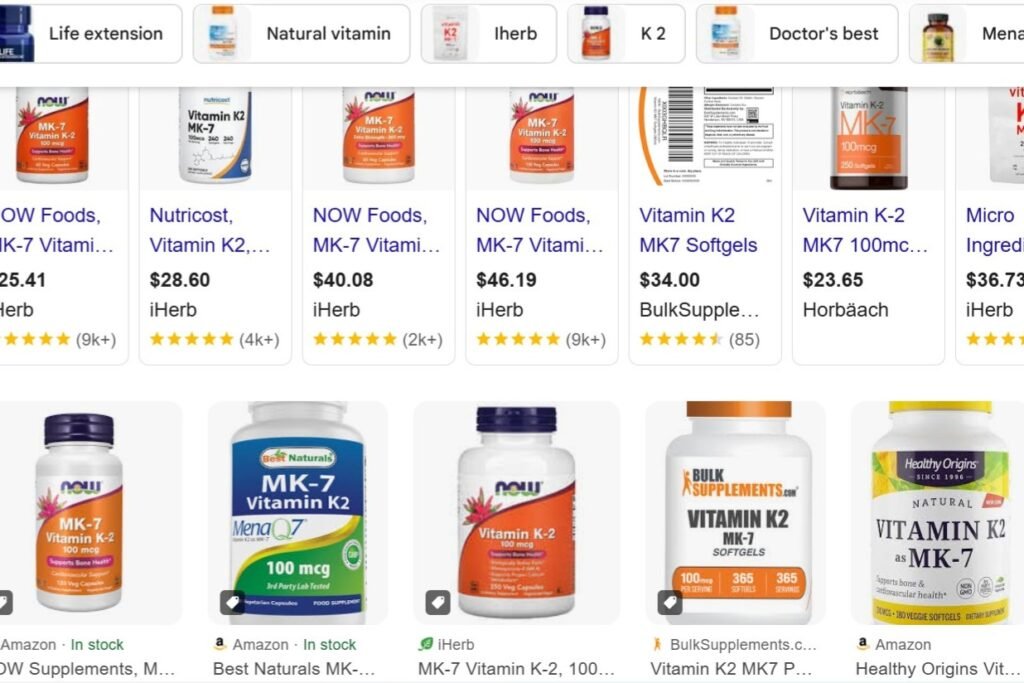
Evidence:
Low vitamin K2 intake is associated with increased joint calcification, reduced bone density, and higher cardiovascular risk; supplementation improves arterial flexibility and bone health in clinical trials.
Mechanism:
Activates osteocalcin to bind calcium to bone and matrix Gla protein (MGP) to prevent calcium from depositing in joints, arteries, and soft tissues.
Vitamin K2 (MK-7) helps ensure calcium ends up in your bones and teeth – not your joints or arteries. It activates proteins that direct calcium where it’s needed and blocks it from building up where it causes harm. For people with inflammatory arthritis, osteoarthritis, or osteoporosis, and especially those taking calcium & vitamin D – K2 is often a critical but overlooked nutrient. While once abundant in traditional diets that included organ meats, K2 (particularly MK-7) is now missing from most modern meals. More ->
Magnesium Glycinate
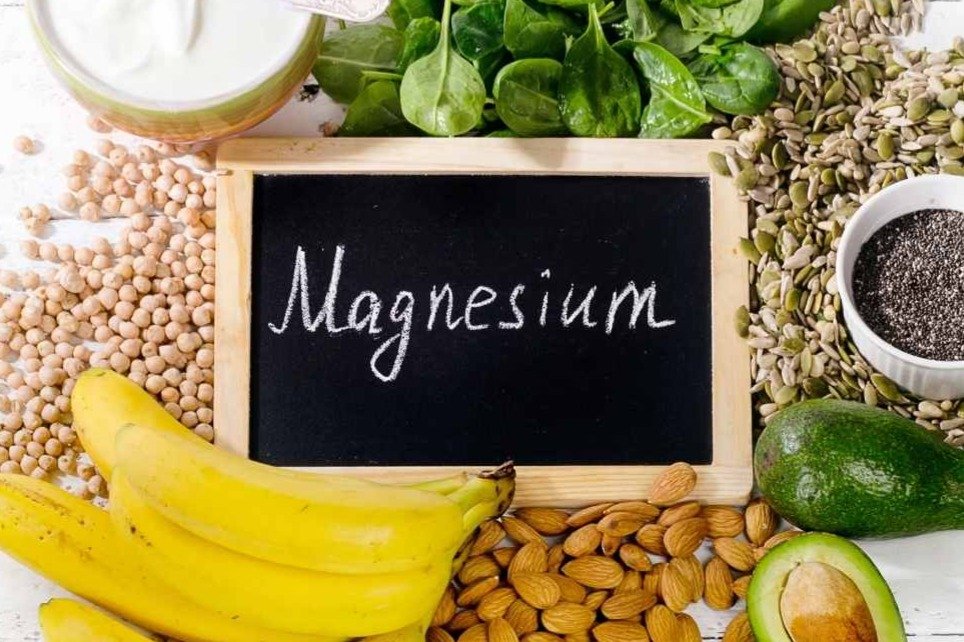
Evidence: Meta-analyses confirm that supplementation decreases CRP, IL-6 and TNF-α .
Mechanism: Calms nervous system, supports mitochondria, relieves muscle tightness, supports gut function.
Magnesium supports inflammation regulation, nerve and muscle function, calcium balance, sleep, and cellular energy production – yet deficiency is common, especially in people with chronic inflammatory conditions. In autoimmune arthritis and related diseases, restoring magnesium levels may help ease muscle tension, reduce fatigue, improve sleep quality, and support a calmer, better-regulated immune response. By helping the body properly utilise calcium and maintain neuromuscular balance, optimising magnesium intake through diet or supplementation can support recovery, joint health, and long-term resilience. More ->
Quercetin
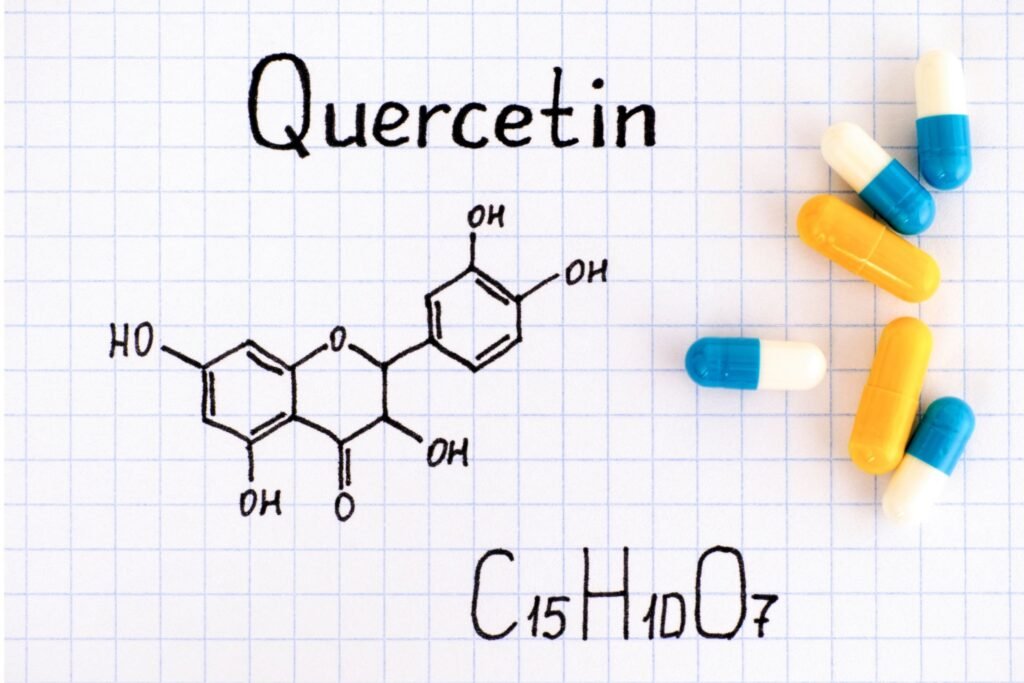
Evidence: A few RCTs (e.g., 500 mg/day for 8 weeks) in RA patients show significant decreases in TNF-α, morning stiffness, and tender joints.
Mechanism: Stabilizes mast cells, inhibits JAK/STAT signaling, reduces histamine, supports gut barrier and oxidative balance.
Quercetin is a potent plant-based flavonoid with powerful antioxidant, anti-inflammatory, and immune-modulating effects. Found in foods like onions, apples, and berries, it’s gaining strong scientific support for helping reduce inflammation, stabilise histamine responses, and support immune regulation. For those with arthritis, autoimmune, or mast cell-related conditions, quercetin may play a valuable role in calming flares and protecting tissues – especially when combined with other supportive nutrients. More – >
Boswellia (or Frankincense)
Evidence: Cochrane – high-tier reviews, support Boswellia use for OA and RA.
Mechanism: Targets 5-LOX pathway, reduces leukotrienes, TNF, IL-1β; spares gut lining.
Boswellia serrata, also known as Indian frankincense, is a powerful natural extract with a long history in Ayurvedic medicine. Modern research confirms that its active compounds, boswellic acids, help reduce inflammation by targeting key enzymes like 5-LOX and COX-2. This makes Boswellia a promising option for managing chronic inflammatory conditions such as rheumatoid arthritis, ankylosing spondylitis, and osteoarthritis – often with fewer side effects than N SAIDs. More ->
Boron
Evidence: Small studies and a meta-analysis show 6 mg/day calcium fructoborate improves arthritis pain and flexibility in OA and RA patients.
Mechanism: Boron reduces inflammation by inhibiting 5-LOX and cytokines, while supporting bone health via calcium metabolism.
Getting adequate boron helps in a multitude of pathways.
Boron is a trace mineral essential for joint, bone, and hormonal health. Studies show people with osteoarthritis, rheumatoid arthritis, and ankylosing spondylitis often have low boron levels. Supplementing with calcium fructoborate – a highly bioavailable, plant-derived form – can reduce joint pain, lower inflammation, and support hormone balance. Therapeutic effects are seen within weeks at doses of 3 to 6 mg elemental boron per day. More ->
Co-enzyme Q10 (CoQ10)
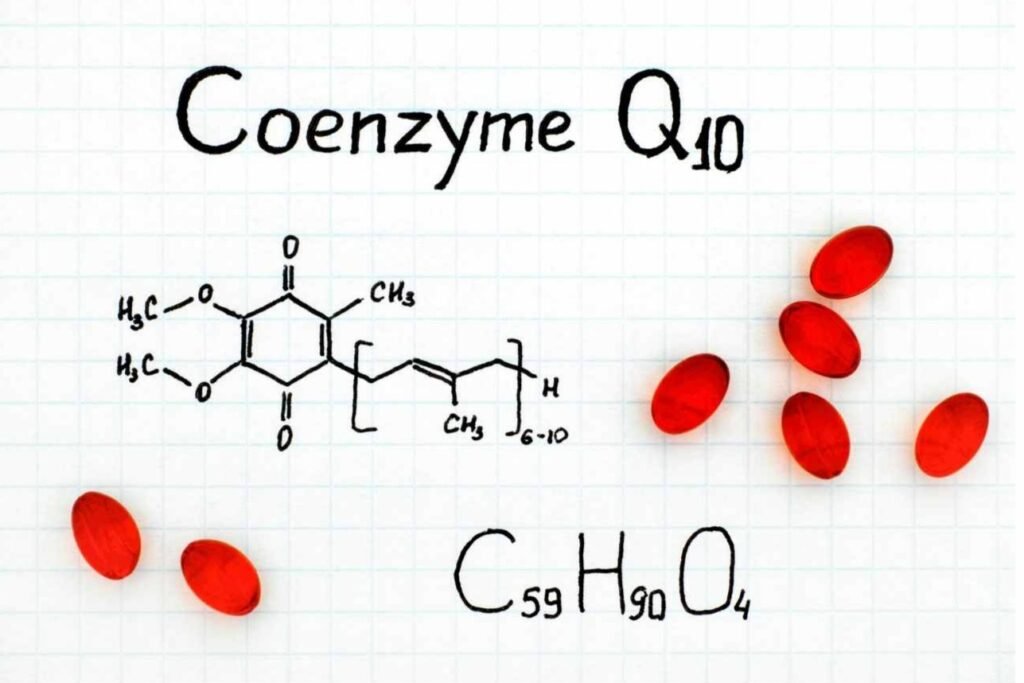
Evidence: RCTs and meta-analyses confirm reductions in CRP, IL-6 and TNF-α in metabolic and chronic disease populations. RA trial showed improved DAS-28 and MMP-3 levels with 100 mg/day.
Mechanism: Supports mitochondrial energy, is an antioxidant and may benefit gut epithelial energy.
Coenzyme Q10 (CoQ10) is a vital antioxidant and key component of mitochondrial energy production that naturally declines with age and chronic illness. While the body makes CoQ10, studies show supplementation – especially 100 to 200 mg daily – can significantly lower inflammatory markers like CRP and TNF‑α, reduce joint pain, and improve fatigue in inflammatory arthritis. Dietary intake alone is usually insufficient for therapeutic effects, so supplementation could be an important support for anyone aiming to reverse chronic inflammation and enhance cellular resilience. More ->
NAC (N-Acetylcysteine)
Evidence: Systematic reviews show anti-inflammatory effects via glutathione elevation, but RCTs in arthritis are limited.
Mechanism: Reinforces gut barrier, detox support, antioxidant pathways.
N-Acetylcysteine (NAC) is a potent antioxidant and precursor to glutathione – the body’s master detoxifier and a key player in controlling inflammation. Research shows that NAC can help reduce oxidative stress, lower inflammatory cytokines, support joint health, and protect tissues from damage caused by chronic inflammation. It’s especially valuable for those with arthritis and autoimmune conditions where oxidative damage plays a major role. More ->
Zinc

Evidence: Zinc deficiency correlates with impaired immunity. Supplementation reduces oxidative stress, though RA-specific RCTs are limited.
Mechanism: Essential for gut mucosal integrity, immune defence and cytokine regulation.
Zinc is a vital trace mineral involved in hundreds of biological processes, particularly immune function, wound healing, inflammation control, and tissue repair. It plays a direct role in regulating inflammatory responses and supporting joint health. Deficiency is surprisingly common – especially in people following plant-based diets. For those managing arthritis or other chronic inflammatory conditions, optimising zinc intake may support symptom relief and long-term recovery. Maintaining appropriate balance with other minerals such as copper is important. More ->
Selenium
Evidence:
Low selenium levels are common in inflammatory arthritis and linked to worsened symptoms.
Mechanism:
Selenium supports antioxidant enzymes like glutathione peroxidase, helping to reduce joint inflammation.
Correct amount:
Like so many things – its about getting the correct amount. Not too much or too little
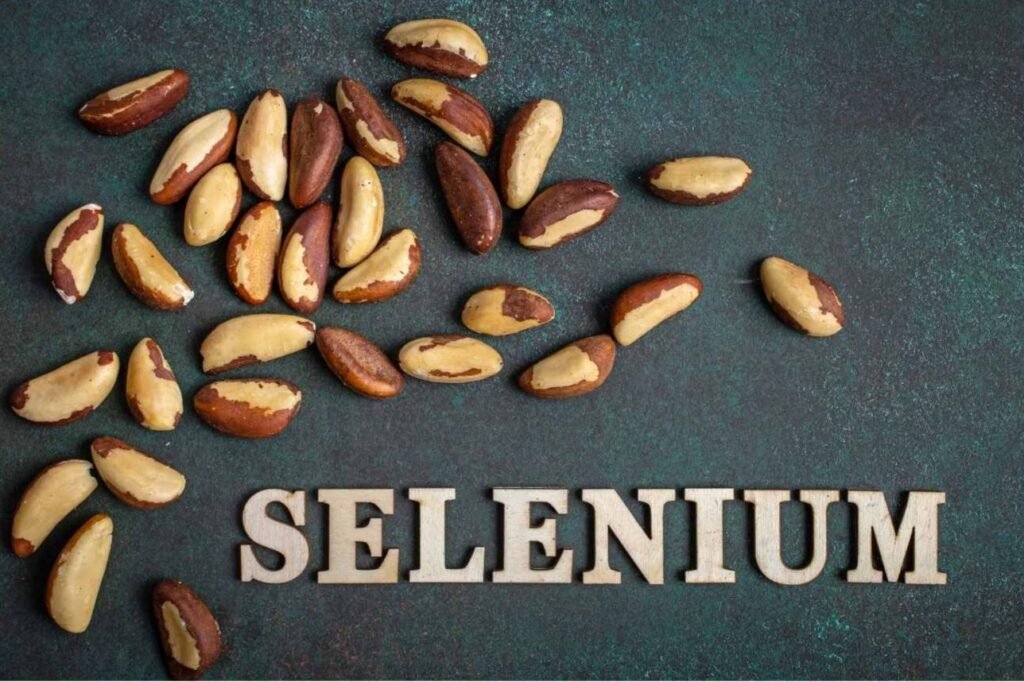
Selenium is a trace mineral vital for regulating inflammation and supporting antioxidant defences, especially in arthritis. Many people on plant-based diets are low in selenium due to poor soil content, particularly in Australia and New Zealand. Just 1 to 2 Brazil nuts per day is ideal to meet daily needs safely, but too many more may lead to toxicity over time. While it’s not a magic bullet, steady selenium intake may help keep immune activity balanced and oxidative stress in check. More ->
Vitamin E
Evidence:
Vitamin E has shown mixed but promising benefits in inflammatory and degenerative joint conditions, particularly where oxidative stress is elevated.
Mechanism:
Vitamin E protects cell membranes and joint tissues from oxidative damage and helps modulate inflammatory signalling pathways.
Correct amount:
More is not always better – benefits appear to depend on dose, form, and overall dietary context.
Vitamin E is a fat-soluble antioxidant best known for protecting cell membranes and polyunsaturated fats from oxidation. In inflammatory arthritis, oxidative stress can amplify immune activity and joint damage, making vitamin E a relevant supportive nutrient rather than a primary anti-inflammatory. Whole foods such as seeds, nuts and leafy greens provide a balanced mix of vitamin E forms, whereas high-dose supplements may disrupt this balance if used long-term. Used thoughtfully and preferably food-first, vitamin E can play a useful background role in maintaining inflammatory and redox balance. More ->
B12
- Evidence: B12 deficiency is linked to fatigue, nerve damage, elevated homocysteine, and poor immune regulation, all relevant in arthritis and autoimmune conditions.
Mechanism: Supports methylation, red blood cell formation, and myelin sheath integrity, protecting nerves and reducing inflammatory stress.
- B12 250 µg orally typically results in absorbing roughly 2.5 µg, which meets the RDI.
Vitamin B12 is essential for nerve function, red blood cell production, and immune health. On a low-fat vegan or mostly plant-based diet, B12 must be supplemented, as it’s not reliably found in plant foods. The recommended dose for those not eating animal products is around 2,000 micrograms once per week, or 50–250 micrograms daily. Even if you eat fish every day, you still likely will need supplementation to prevent deficiency. Fatigue, tingly numb extremities are common symptoms of deficency. More ->
Iron
Evidence:
Both low and high iron levels are linked to worsened outcomes.
⚙️ Mechanism:
Iron supports oxygen transport and immunity, but excess fuels oxidative stress and inflammation.
Fortification:
Breakfast cereals are often fortified. If you eat a lot of cereal – you maybe getting more iron than you need.
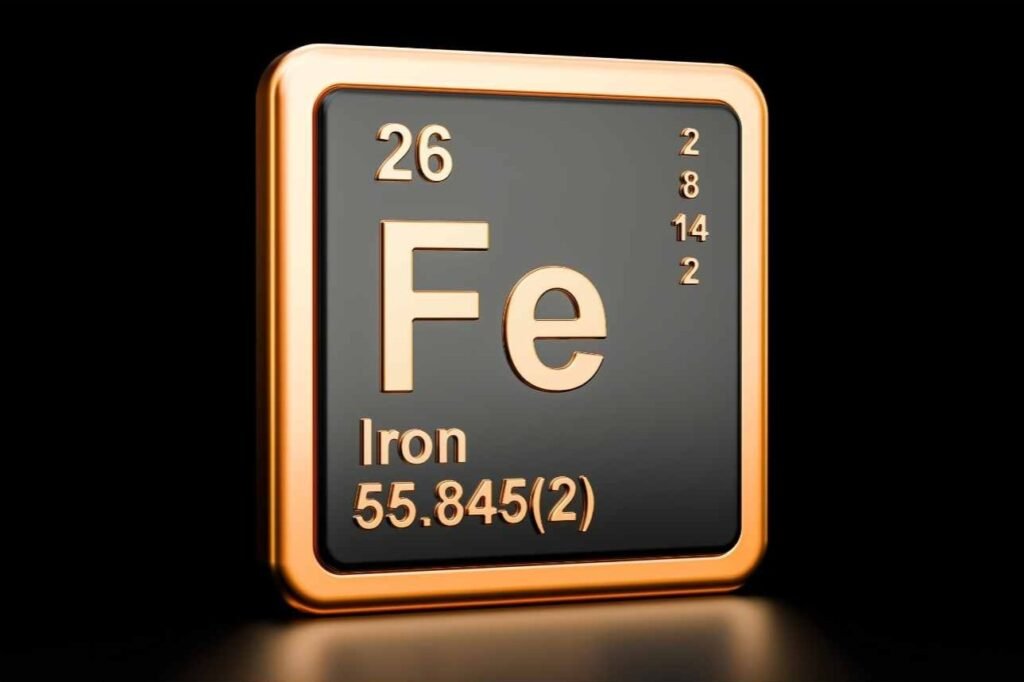
Iron supplements are usually unnecessary with a balanced vegan diet, provided it includes a variety of iron-rich plant foods and vitamin C to support absorption. Increased iron intake may be appropriate during pregnancy, heavy menstrual bleeding, or certain health conditions, but excess iron can promote inflammation and oxidative stress. Vitamin C–rich foods enhance iron absorption, while compounds in tea and coffee, such as tannins, can reduce it. More ->
Iodine
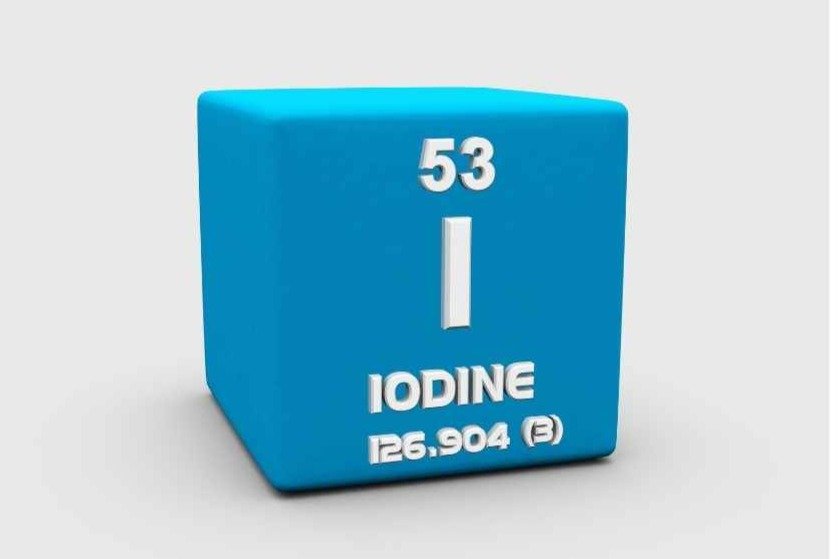
Evidence: Necessary for thyroid and metabolic function; both deficiency and excess disrupt immune balance.
Mechanism: Supports energy production and gut motility indirectly affecting inflammation.
Iodine is an essential trace mineral – especially for energy, immune function, hormone balance, and thyroid health. Mild deficiency is common worldwide and can lead to fatigue, dry skin, hair thinning or loss, brain fog, and low mood, while excessive intake may trigger thyroid dysfunction or inflammation. If you don’t regularly consume iodised salt, seaweed, seafood, or fortified bread, it’s wise to check your intake. More ->
Bromelain
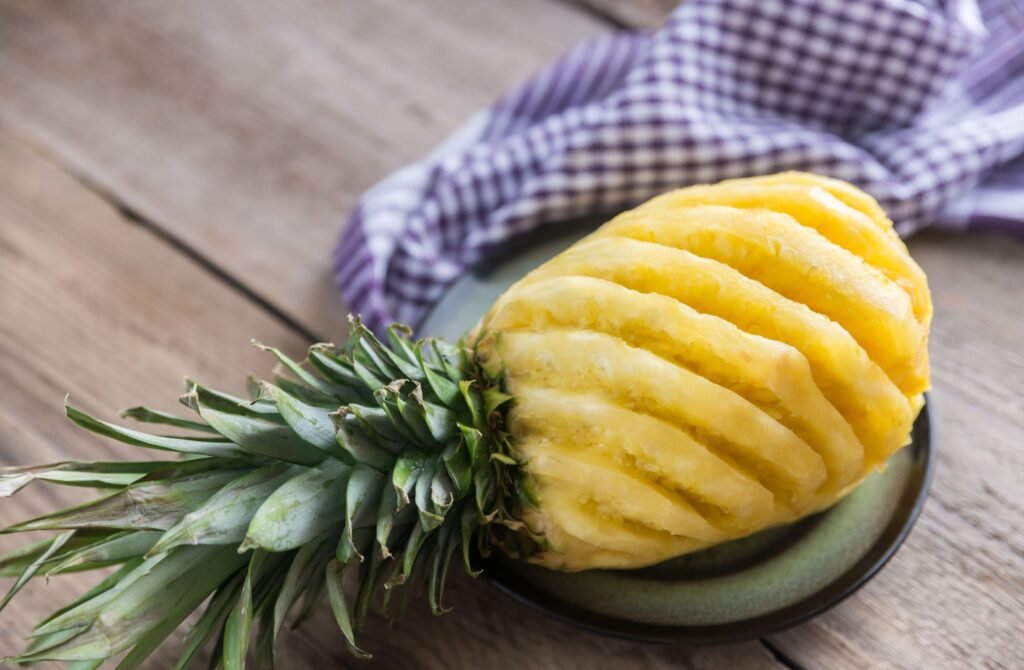
Evidence: Limited RA-specific RCT evidence; known to reduce soft-tissue inflammation and edema.
Mechanism: Proteolytic and anti-inflammatory, may support protein digestion and reduce antigen load.
Bromelain is a natural anti-inflammatory enzyme derived from fresh pineapple that has been shown to help reduce pain, swelling, and tissue inflammation. It is best known for its use in osteoarthritis and injury recovery, but its broader effects may also be relevant for a range of chronic inflammatory and autoimmune conditions. Bromelain appears to work by breaking down inflammatory proteins, reducing excessive immune signalling, and supporting normal circulation and tissue repair. Through these combined actions, it may help ease stiffness, improve mobility, and support recovery in conditions where inflammation plays a central role. More ->
Calcium
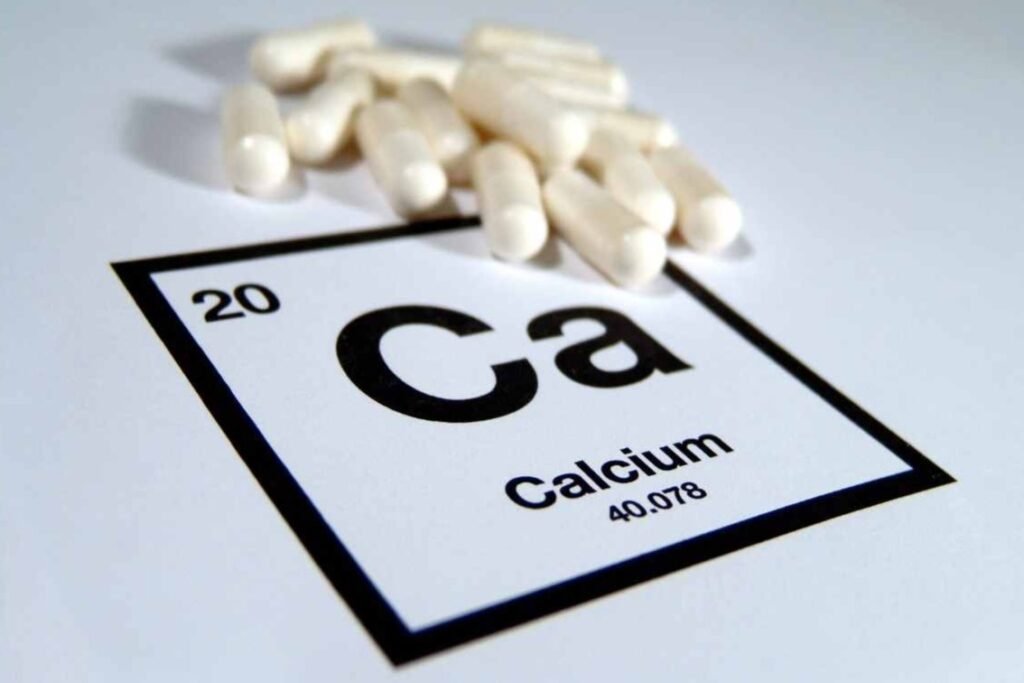
Evidence: Essential for bone maintenance; supplementation helps prevent osteoporosis.
Mechanism: Works synergistically with Vitamin D, magnesium, K2 and boron; balanced intake of calcium is important.
Calcium is essential for bone, muscle, and nerve health, but balance is key. Getting calcium without cofactors such as magnesium, boron, and vitamin K2 – or in the presence of high dietary inhibitors like oxalates – can reduce absorption or even be harmful. Bone strength depends not just on calcium, but also on nutrient synergy, resistance exercise, and inflammation control. Potassium also plays a supporting role by helping the body maintain proper calcium distribution and retention. If you experience muscle cramps, tingling in the hands, or easy fractures, it may indicate insufficient calcium, the wrong supplement form, or missing cofactors. More->
Slippery Elm

Forms a soothing gel that can protect and heal the gut lining.
Traditionally used for gastritis, reflux, and inflammatory bowel conditions.
Best taken on an empty stomach to maximise gut-coating benefits.
Slippery elm (Ulmus rubra) has been used for centuries to soothe and support the digestive tract. Its inner bark forms a mucilaginous gel when mixed with water, which can coat and protect irritated mucous membranes. For people with inflammatory conditions, including inflammatory arthritis, this gut-protective effect may help reduce intestinal permeability and calm systemic inflammation. Preliminary evidence and traditional use suggest slippery elm may also provide supportive relief in inflammatory bowel disease (Crohn’s disease and ulcerative colitis) by helping to soothe inflamed gut tissue and promote mucosal healing. More ->
Probiotics

Evidence: Multiple clinical studies support probiotics in reducing gut inflammation, improving symptoms in autoimmune conditions, and modulating immune responses.
Mechanism: Probiotics enhance intestinal barrier integrity, compete with harmful microbes, produce anti-inflammatory compounds, and regulate immune cells.
Probiotics are live, beneficial microbes that can play a role in gut health, immune balance, and inflammation. Their use is particularly relevant in inflammatory arthritis, autoimmune conditions, and inflammatory bowel disease (including Crohn’s disease and ulcerative colitis), where intestinal permeability and microbial imbalances are common. Research suggests that certain probiotic strains may help support gut barrier integrity, modulate immune responses, and reduce inflammation, although effects can vary by strain and individual. This comprehensive article explores the science behind probiotics, including strain selection, histamine sensitivity, and practical guidelines for choosing and using them effectively. More ->
Glucosamine
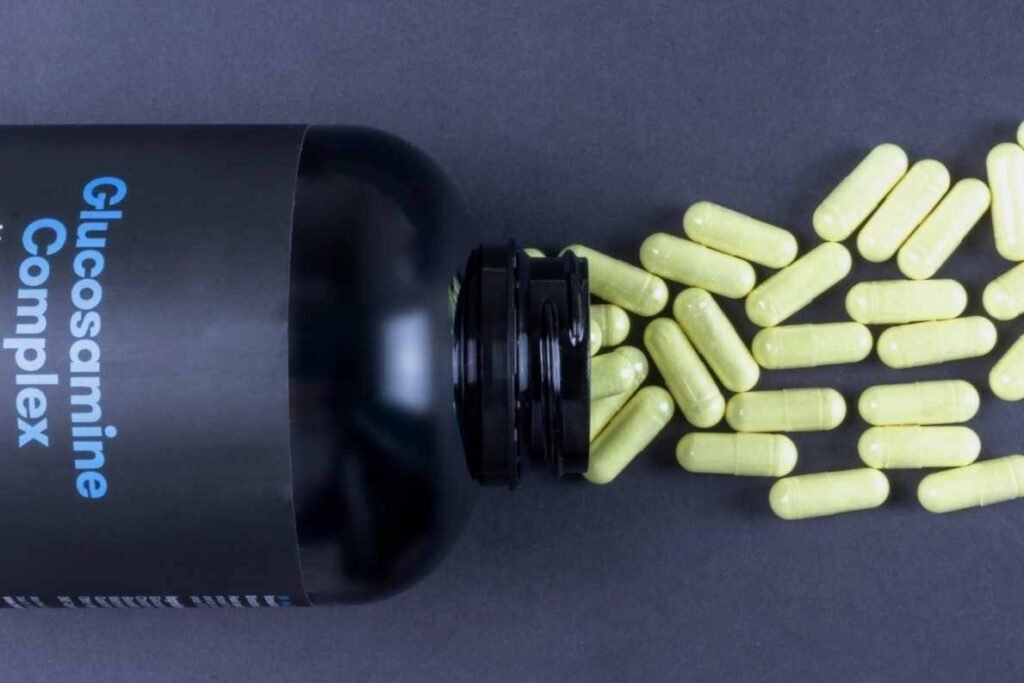
Evidence: Glucosamine reduces pain and stiffness in osteoarthritis, with strong safety compared to N SAIDs.
Mechanism: Acts as a substrate for cartilage synthesis, dampens inflammatory pathways (IL‑1β, NF‑κB), and inhibits proteolytic enzymes to slow cartilage breakdown.
Glucosamine is a naturally occurring compound essential for cartilage structure and joint fluid health. Clinical studies in knee and hip osteoarthritis show it can reduce pain and stiffness – often matching or exceeding the effects of N SAIDs – with minimal side effects. Its anti-inflammatory properties may also benefit inflammatory arthritis when used as part of an overall healing strategy. More ->
Grapefruit Seed Extract

Evidence: Clinical evidence for GSE’s effectiveness in treating infections or chronic inflammatory conditions like arthritis is extremely limited.
Mechanism: GSE’s unhelpful. Antimicrobial effects are attributed primarily to synthetic preservatives (e.g. benzethonium chloride) rather than natural grapefruit seed compounds.
Grapefruit Seed Extract (GSE) is widely marketed for its antimicrobial and antioxidant effects. While some laboratory studies show GSE can weaken bacteria, fungi, and biofilms, much of this activity is attributable to synthetic preservatives found in many commercial products – not grapefruit seed compounds themselves. GSE is NOT a tool for arthritis recovery or inflammation control in my opinion. More->
Oregano oil
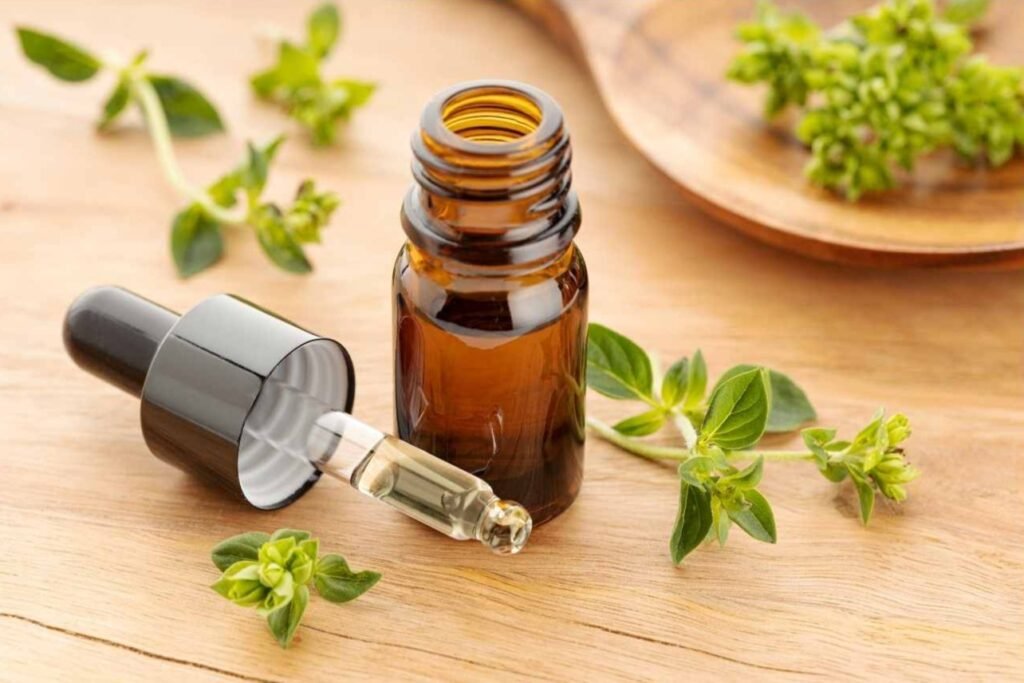
Evidence: Human research on oregano oil for arthritis or systemic inflammation is virtually non-existent.
Mechanism: Acts by disrupting microbial cell membranes and inhibiting inflammatory pathways but does so indiscriminately and may harm gut bacteria.
Oregano oil, rich in carvacrol and thymol, has strong antimicrobial and anti-inflammatory properties. While it may help reduce certain bacterial imbalances, such as those involved in gum or oral health, evidence for benefits in inflammatory arthritis and other chronic inflammatory conditions is limited. Because its antimicrobial activity is non-selective, it can disrupt the gut microbiome and oral microbiome, potentially worsening overall inflammation and digestive health. For these reasons, I do not personally recommend its use as a therapeutic supplement.
More ->
List of supplement topics covered above
Omega 3 – Curcumin – Ginger – Vitamin D3 – Vitamin K2 – Magnesium – Quercetin – Boswellia – Boron – Co-enzyme Q10 – NAC – Zinc – Selenium – Vitamin E – B12 – Iron – Iodine – Bromelain – Calcium – Slippery Elm – Probiotics – Glucosamine – GSE – Oregano Oil. Each topic has a More -> Link to a dedicated page on that topic.
Note that the supplement industry is not strongly regulated. Use reputable brands, check added ingredients.
Personally I avoid dairy, lactose and sulphides. I avoid or spit out gelatine caps (due to concern based on CIA)