
N-SAIDs
N-SAIDs are among the most common painkillers for arthritis, offering fast relief when joints flare. But frequent use can damage the gut, raise cardiovascular risk, and worsen inflammation over time. Exploring safer alternatives and smarter use is best for long-term health.

Key Points
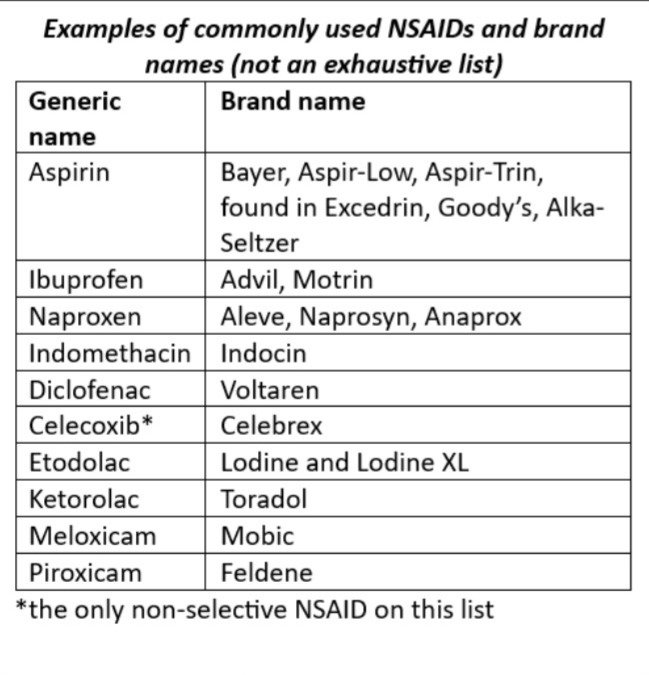
N-SAIDs like ibuprofen, naproxen, diclofenac, and celecoxib are widely used for arthritis pain.
They reduce inflammation but can damage the gut, increase permeability, and raise cardiovascular risk.
Up to 79% of N-SAID users show increased intestinal permeability (“leaky gut”).
COX-2 inhibitors reduce stomach irritation but still impact gut integrity and heart health.
Natural compounds like curcumin and Boswellia have comparable effects with fewer side effects.
Best used short-term for flares, not daily long-term.
Never change medications without professional guidance.
Non-Steroidal Anti-Inflammatory Drugs
Introduction
Non-steroidal anti-inflammatory drugs (N-SAIDs) are a mainstay of modern medicine. From ibuprofen and naproxen to diclofenac and selective COX-2 inhibitors like celecoxib, they are often prescribed as first-line treatment for osteoarthritis, rheumatoid arthritis, gout, and back pain. Their ability to quickly reduce pain, stiffness, and inflammation makes them attractive for short-term symptom management. Yet despite their benefits, long-term use carries significant risks – especially for people managing chronic arthritis and inflammatory conditions.
How N-SAIDs Work
N-SAIDs block enzymes known as cyclooxygenases (COX-1 and COX-2), which are involved in producing prostaglandins – molecules that promote inflammation, pain, and fever. By inhibiting these pathways, N-SAIDs reduce pain and swelling. However, prostaglandins also play a role in protecting the stomach lining, maintaining kidney function, and regulating blood flow, which explains why blocking them can lead to side effects.
Gut Health and “Leaky Gut”
One of the most underappreciated effects of N-SAIDs is their impact on the intestinal barrier. Studies show that chronic N-SAID use increases intestinal permeability by up to 79% compared to non-users, allowing bacterial toxins like lipopolysaccharide (LPS) to leak into the bloodstream. This “leaky gut” effect can activate the immune system and worsen systemic inflammation – the very process that drives many forms of arthritis. Research published in Gut and Annals of the Rheumatic Diseases confirms that NSAID-induced permeability changes can exacerbate disease activity in rheumatoid arthritis and other inflammatory disorders.
Gastrointestinal Risks
N-SAIDs are well-known for damaging the stomach lining, even in people who feel no symptoms. Long-term use is associated with gastritis, ulcers, bleeding, and shifts in the gut microbiome. For this reason, doctors sometimes prescribe proton pump inhibitors (PPIs) alongside N-SAIDs to protect the stomach – but PPIs carry their own risks, creating a double burden for gut health.
COX-2 Inhibitors: A Safer Option?
Selective COX-2 inhibitors like celecoxib were developed to reduce stomach irritation while still targeting inflammation. While they are less damaging to the stomach, they are not free of risk either. COX-2 inhibitors can still affect intestinal integrity and, importantly, are linked to increased risk of heart attack and stroke in some patients. For many, the trade-off is shifting risk from gut to cardiovascular health.
Do N-SAIDs Worsen Arthritis Over Time?
While N-SAIDs provide rapid pain relief, their impact on gut permeability and inflammation raises concern that they may worsen arthritis activity if used chronically. For this reason, many rheumatologists recommend using them sparingly – during flares rather than as daily long-term treatment.
Natural Alternatives with Comparable Benefits
Encouragingly, research into natural compounds shows that some plant-based anti-inflammatories can match N-SAIDs in effectiveness while avoiding gut toxicity.
Curcumin (turmeric extract) – In multiple randomized controlled trials show 1,500 mg/day of curcumin is as effective as 1,200 mg/day of ibuprofen or celecoxib for knee osteoarthritis, with far fewer gastrointestinal side effects.
Boswellia serrata – Is shown to reduce pain and improve mobility in osteoarthritis and rheumatoid arthritis through inhibition of 5-LOX pathways.
Ginger, resveratrol, quercetin – Have demonstrated COX-inhibiting and anti-inflammatory activity, offering complementary support.
For many patients, integrating these botanicals with lifestyle strategies can reduce dependence on N-SAIDs and lower long-term risks.
Practical Guidance
N-SAIDs can be highly effective for short-term pain control, especially in acute flares.
Long-term, daily use is associated with gut, kidney and cardiovascular risks.
- Up to 79% of N-SAID users show increased intestinal permeability (“leaky gut”)
COX-2 inhibitors may protect the stomach but increase cardiovascular concerns.
Natural anti-inflammatories such as curcumin, Boswellia, and ginger provide evidence-based alternatives with better tolerance.
Always consult a healthcare provider before reducing or replacing N-SAID therapy.
References
Bjarnason I, et al. “Intestinal permeability and inflammation in patients on NSAIDs.” Gut.
Davies NM, et al. “NSAID-induced small intestinal permeability changes.” Ann Rheum Dis.
Bannuru RR, et al. “Comparative effectiveness of curcumin and NSAIDs for osteoarthritis.” Journal of Medicinal Food.
Haroyan A, et al. “Randomized trial of curcumin vs ibuprofen in knee osteoarthritis.” Phytomedicine.
Sengupta K, et al. “Boswellia serrata extract for osteoarthritis pain.” Arthritis Research & Therapy.
Lanas A, Chan FKL. “Peptic ulcer disease and NSAIDs.” New England Journal of Medicine.
Nissen SE, et al. “Cardiovascular safety of celecoxib.” New England Journal of Medicine.