
Processed "Foods"
Many processed “food” products are technically edible, but they’re far from ideal.

Great Apes - Diet
Have you ever noticed how we pay careful attention to the diet of our pets and zoo animals? We care about their health and well being. We get their nutrition just right and we are careful not to over feed them, because we know that is not good for them.
We have signs at zoos saying “Please do not feed animals human food – It makes them Sick!” Humans are classified as Great Apes by the way!
We’re bombarded with marketing that presents food products as safe, convenient, even health-promoting. But what’s considered “normal” today is a sharp departure from the natural, nutrient-rich diets that shaped human evolution. The widespread consumption of industrially processed food is one of the most significant lifestyle changes in human history, and a major contributor to the rising rates of chronic inflammation and autoimmune disease.
List of topic links covered in this Processed Food page.
Food Safety, Preservatives, Herbicides & Pesticides, Emulsifiers, Colours, Plastics, Fats and oils, Browning, Processing aids, Processed meat, Refined Grains, Aged & stored, Sweeteners, Sugar, Salt, Dairy, Fluoride, Chlorine, Conclusion.
Food Safety

Food laws were built to protect the public, but gaps remain. In many countries, thousands of additives were grandfathered decades ago or cleared as “generally recognized as safe” (GRAS) by company-hired experts; in the U.S., firms can even self-affirm GRAS without notifying regulators, leaving decisions based on internal files rather than independent review. Advisory panels may include industry-linked members, and older approvals are seldom re-evaluated as science advances. A place on the supermarket shelf does not equal modern, independent safety vetting.
How are these substances deemed “safe”? Historically, regulators relied on high-dose animal tests (e.g., LD50); today they set limits from animal NOAELs with safety factors. But studies usually assess single chemicals, not the mixtures people eat, and seldom capture long-term, low-dose, or sensitive-population effects. Much of the evidence is decades old, often industry-supplied with limited independent replication. In short, “approved” may still leave substantial gaps in real-world safety.
Preservatives Kill Bacteria

Chemical preservatives entered the food supply with industrial processing to slow spoilage and suppress microbes, supplementing older methods like salting, drying, and fermentation. Most widely used agents – benzoates, sorbates, nitrites, propionates, sulfites, and antioxidants such as BHA and BHT – were approved decades ago on single-compound toxicology with limited endpoints. Re-evaluation has been uneven, and legacy datasets rarely assessed chronic low-dose exposure, mixtures, or microbiome effects. In practice, “permitted” often means compliant with historical standards rather than fully understood for cumulative, modern use.
Emerging research links several preservatives to shifts in gut microbes, reduced short-chain fatty acids, and altered epithelial barrier, mechanisms that can influence systemic inflammation. Sulfites are well known for sensitivity reactions in some people; nitrites raise context-dependent nitrosation concerns; benzoates and propionates have been reported to modify microbial composition and immune signalling in experimental settings. Effects vary by dose, food matrix, co-exposures, and individual biology, but they sketch plausible pathways to changes in cytokines (e.g., TNF-α, IL-6) and inflammatory disease activity.
Herbicides & Pesticides

Herbicides are chemicals used to kill weeds; the most ubiquitous is glyphosate. Many herbicides can affect gut microbes, glyphosate targets the shikimate pathway present in bacteria, and experimental work links exposure to dysbiosis, reduced microbial metabolites, and changes in tight-junction proteins, that increase intestinal permeability. These shifts are plausibly connected to systemic inflammation and autoimmune activity, relevant to arthritis and many other diseases. Residues are common on grains, legumes, and some oils; buying organic (or certified low-residue) and rinsing, peeling where possible can lower exposure.
Pesticides. Pesticides include insecticides and fungicides applied pre- and post-harvest. Studies associate higher exposures with altered microbiome diversity, impaired short-chain fatty acid production, oxidative stress, and immune signaling changes tied to chronic disease risk; some observational data note symptom flares in inflammatory conditions. Residues concentrate in leafy greens, berries, stone fruit, and in crops sometimes desiccated before harvest (certain grains and pulses). Choosing organic for high-residue items and checking national residue lists helps you prioritize which foods to be most cautious about.
Emulsifiers

Emulsifiers are additives used in many processed foods, but research shows they can harm gut health. Certain emulsifiers, like carboxymethylcellulose (CMC) and polysorbate 80, disrupt the gut microbiome and increase intestinal permeability (“leaky gut”). These changes can promote low-grade inflammation and may contribute to metabolic and inflammatory diseases. By thinning the protective mucus layer and encouraging harmful bacteria, some emulsifiers may quietly undermine gut and immune balance. In turn, contributing to disease. Some emulsifiers seem okay or even beneficial, but the general rule is – stay clear of processed foods.
Emulsifiers to look out for:
Very Concerning – E433, E466, E407, E471, E472, E481, E482.
Moderate Concern – E415, E418, E412
Mild Concern – E322, E406, E407a, E410 E413, E414, E440.
Some of the natural gums used as emulsifiers maybe beneficial.
Colours

Food colourings were adopted to standardise appearance in processed foods; use has surged since mid-century. Many approvals date to the 1960s–80s, and several dyes now carry cautions. Colours to watch: the “Southampton Six”, E102 (Tartrazine/Yellow 5), E104 (Quinoline Yellow), E110 (Sunset Yellow/Yellow 6), E122 (Carmoisine), E124 (Ponceau 4R), E129 (Allura Red/Red 40), which in the EU require a label warning about effects on attention in children. Also note E150c/E150d (Caramel III/IV; 4-MEI), E133 (Brilliant Blue FCF), and E171 (titanium dioxide, no longer permitted in EU foods). Typical ADIs include Tartrazine 0–7.5 mg/kg/day and Allura Red 0–7 mg/kg/day.
Mechanistically, several synthetic colours are linked to microbiome shifts, lower short-chain fatty acids, and tight-junction changes that increase intestinal permeability. Chronic Allura Red exposure primes mice for colitis via serotonin/MLCK signalling; many dyes are reduced to aromatic amines that drive oxidative stress (↑MDA; ↓SOD/CAT/GPx). Some dyes or metabolites reach the brain in experimental models, aligning with behavioural effects in susceptible children. Together, these routes – dysbiosis, barrier loss, oxidative stress, neuro-immune signalling – can activate NF-κB, TNF-α, and IL-6, plausibly contributing to systemic inflammation, disease and pain.
Plastics in our Diets

Plastics and their additives can disrupt the gut microbiome, reduce protective short-chain fatty acids, and weaken tight junctions, increasing intestinal permeability. Micro- and nanoplastics have been detected in human blood, and animal studies show barrier loss with upregulated NF-κB, TNF-α, and IL-6, a plausible route to systemic inflammation, leading to inflammatory diseases like back pain, and arthritis. Typical bottled waters contain ~240,000 plastic particles per litre, and chronic low-dose exposures from food contact materials add to the cumulative burden. Opt for glass and ceramic where possible.
The biggest exposures follow heat + fat + time. Microwaving fatty food in plastic can release millions to billions of particles and drive plasticiser migration; PVC wraps can transfer large fractions into cheeses & oily foods. Warmed PET bottles raise antimony to ~6 µg/L in tests; can linings remain a major source of bisphenols (the EFSA BPA TDI: 0.2 ng/kg/day). Practical steps: decant to glass or ceramic for heating, store oily & acidic foods in glass or stainless, avoid leaving bottles in hot cars, choose loose-leaf tea, limit canned foods, retire scratched plastics, and remember “BPA-free” does not equal risk-free.
Fats and oils
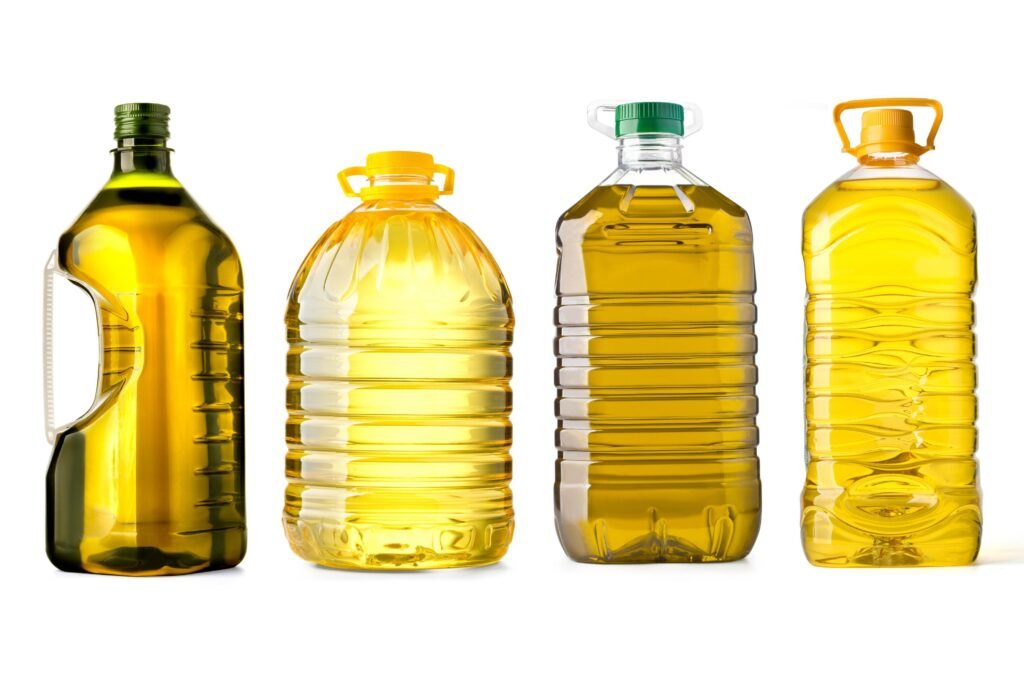
Fats & oils – what changed. Modern diets deliver far more added fats than traditional foodways, largely from refined seed and vegetable oils used in frying and ultra-processed foods. This shifts intake toward omega-6 linoleic acid with less omega-3, and adds oxidized lipids formed during extraction, transport, and hot cooking. These patterns are linked to gut-barrier stress (looser tight junctions), microbiome disruption, and immune activation pathways (NF-κB, TNF-α, IL-6) relevant to systemic inflammation.
Deep-frying & takeaway oils. Reheating and reusing seed oils (e.g., cottonseed, soy, palm, canola, etc) in fryers generates trans fats, aldehydes, polymerized oils, and oxidized linoleic metabolites – drivers of systemic inflammation. Studies link these exposures to higher CRP and other inflammatory markers, adverse lipid profiles, and gut dysbiosis. For many people, fried takeaway foods are the largest single source of the worst dietary fats. If eating out choose preparations that don’t use added fats and oils. I only eat the fat that’s inside whole foods.
Browning and AGEs

Browning & AGEs – what they are. Dry-heat browning (the Maillard reaction) creates flavourful crusts but also advanced glycation end products (AGEs). AGEs bind the RAGE receptor, amplifying oxidative stress and inflammatory signalling. High-AGE foods include deep-fried items, charred or grilled meats, roasted or fried potatoes, and heavily browned baked goods. Frequent intake raises the body’s AGE burden and is associated with stiffer joints, higher inflammatory markers, and cardiometabolic risk.
Browning & AGEs – how to reduce them. Prefer moist-heat methods (boil, steam, stew, pressure-cook) and gentler temperatures; avoid browning or charring. Pre-moistening or marinating lowers AGE formation, and shorter cook times help. Reheat leftovers gently rather than crisping. Think “pots with water, not pans with oil”.
Hot tip – Teflon starts releasing toxic fumes at around 300 °C or 572 °F and gets serious above 400 °C or 752 °F. A gas-burner flame is roughly 1,950 °C or 3,540 °F. So always have water in your pan to keep the temperature down.
Processing Aids

Many packaged foods contain processing aids – substances used during manufacture but often not listed on labels. Common categories include: mineral oil lubricants and fruit & veg coatings; antifoams & defoamers (e.g., silicones); release agents; extraction solvents (e.g., hexane in oil refining); enzymes (amylases, proteases); clarifiers & finings (gelatin, isinglass, casein); filtration aids (diatomaceous earth, perlite); wash-water antimicrobials (chlorine, peracetic acid); pH adjusters and buffers; bleaching & decolorizing media; glazing agents and waxes; carrier gases (nitrogen, CO₂); ion-exchange resins; chelators; and various plasticizers or lubricants from equipment and packaging.
Residues are usually small but can be cumulative and variable, and many aids are cleared under older rules with limited re-evaluation. Examples often cited: MOH/MOAH from mineral oils (concerns about tissue build-up and genotoxic fractions), PDMS antifoam permitted at low ppm, hexane residues in refined oils (tight limits but detectable), chlorate from sanitation that can affect thyroid iodide uptake, quaternary ammonium biocide residues, and unlabelled allergen finings in drinks. The key point is – processing aids are rarely disclosed, and mixtures of low-dose residues are an underappreciated part of processed food exposure that can potentially disrupt health.
Processed meats

Processed meats like bacon, ham, sausages, deli slices and jerky, carry more than protein. They’re typically cured with nitrites or nitrates, smoked or cooked at high heat (creating problematic compounds), and often rich in advanced glycation and oxidized fat by-products. These, together with heme iron, can irritate the gut, shift the microbiome, and loosen the intestinal barrier, activating immune pathways like NF-κB, TNF-α and IL-6. Many products are also high in amines and histamine, which some people find worsens pain, stiffness, skin, or gut symptoms. For inflammatory disease and arthritis, the net effect is generally more inflammation and disease activity.
Grain-fed and feedlot meats tend to contain more omega-6 and less omega-3 than pasture-raised, tilting the body toward a more inflammatory fat balance. To boost yield and texture, processors often pump brines (salt + phosphates), pushing sodium very high – think water retention, higher blood pressure, morning stiffness. Routine antibiotic use in livestock fosters gut imbalance and antibiotic-resistant bacteria along the food chain. Add cheap fryer oils for breaded meats and repeated reheating, and processed meat becomes a dense package of pro-inflammatory exposures rather than a simple meal.
Aged & Stored Food

Storable food products are very convenient, but they do come with some consequences that you should know about. Supermarket meat, often undergo many stages of handling before reaching your plate – slaughter, transport, chilling, packaging, shipping, and extended storage distributers, supermarkets and home fridges or freezers. By the time they are consumed, these foods can be sitting weeks, or even months. Canned, jarred, and packaged items are designed for even longer shelf lives, sometimes years. This heavy reliance on storage is part of what makes modern processed foods different from the fresher, more immediate diets humans evolved with.
Long storage changes food in subtle but important ways. Protein-rich foods such as meat, fish, and cheese naturally break down over time, producing biogenic amines like histamine and tyramine, which accumulate with aging and refrigeration. Freshness-sensitive nutrients – particularly vitamin C and certain B vitamins – gradually degrade in frozen, canned, or pre-cut produce. Storage also typically goes hand in hand with preservatives, additives, and packaging, all of which play roles in keeping food “safe” for longer but further distance it from its natural state. While convenient, aged and stored foods are seldom the healthiest choice.
Refined grains

Dietary patterns high in refined grains are often correlated with less favourable metabolic outcomes, including increased risk for weight gain, insulin resistance, and age-related diseases that share chronic inflammation as a common pathway. Combining refined grains with fibre-rich foods, protein, healthy fats and exercise can reduce blood sugar and insulin spikes. But replacing refined grains with whole-grain or intact carbohydrate sources is generally associated with lower inflammatory markers and better long-term metabolic health.
Refined grains such as white bread, white rice, and many commercial cereals – have been stripped of their bran and germ, removing most of their fibre, vitamins, and minerals. This processing often leaves behind a rapidly digestible starch that can spike blood sugar and insulin levels. Studies have linked high intake of refined grains to increased levels of inflammatory markers like C-reactive protein (CRP), making them less favourable for individuals managing arthritis or chronic inflammatory diseases.
Sweeteners

Some artificial sweeteners can disrupt your gut microbiome and increase intestinal permeability. Saccharin, Sucralose (Splenda), Aspartame, etc.
Sugar alcohols like xylitol and erythritol are generally better for the gut than artificial sweeteners, but in large amounts can still cause bloating or diarrhea.
Xylitol supports oral health by reducing cavity-causing bacteria. So that is the gum to chew if you feel the need.
Sweeteners are used extensively in “sugar-free” foods, diet soft drinks, energy drinks, chewing gums, and many processed snacks. While they may reduce calorie intake, scientific evidence shows many of them can have significant negative effects on the oral microbiome, gut microbiome, intestinal permeability, and therefore on inflammatory disease and autoimmune conditions such as arthritis. I would say the safest health option is to drink pure water and organic green tea. More about that on the Drinks page.
More on Sweeteners
Sugar

While small amounts of sugar occur naturally in fruit and other whole foods, added sugar – especially sucrose and excess fructose – has been strongly linked to inflammation and immune disruption. It can stimulate pro-inflammatory cytokines such as TNF-α and IL-6, which are elevated in autoimmune conditions like rheumatoid arthritis. At the same time, excess sugar feeds harmful gut microbes, upsetting the microbiome and weakening the intestinal barrier. This “leaky gut” effect allows bacterial fragments to enter the bloodstream, provoking immune reactions that may drive autoimmunity.
The impact of high sugar intake doesn’t stop there. Excess added sugar raises uric acid levels, increases oxidative stress, and promotes inflammatory pathways that can contribute to joint pain and cartilage breakdown. High sugar diets are also associated with increased calcium excretion, which may weaken bones over time, particularly when nutrient intake is poor. Taken together, these effects make added sugar a significant dietary driver of chronic inflammation and autoimmune disease progression. Reducing or eliminating added sugar can therefore be a powerful step toward protecting joint health and calming chronic immune overactivation.
Salt

Table salt is simply sodium chloride, and even “natural” salts like Himalayan varieties are still over 95% sodium chloride. The problem isn’t salt in small amounts, it’s how easy it is to overconsume in today’s food environment. Salt is added to countless packaged and processed foods as well as supermarket meats, often to enhance flavour and increase shelf life. For example, just a couple of sandwiches on standard bread, a bowl of Weet-Bix, and a can of baked beans can put you well over the recommended daily intake of salt – before you’ve even picked up a saltshaker.
Excess salt intake can disrupt gut health and immune balance in ways that matter for inflammatory arthritis. Research shows it can reduce beneficial gut bacteria such as Lactobacillus, increase intestinal permeability (“leaky gut”), and stimulate pro-inflammatory Th17 immune cells. These shifts encourage joint inflammation, cartilage damage, and may worsen autoimmune-driven forms of arthritis. Both animal and human studies suggest that diets high in salt can intensify autoimmune disease severity and cardiovascular risk.
Dairy

Cow’s milk is naturally for baby cows, yet today it shows up in a huge number of processed foods. Research has suggested that dairy may be far from ideal for someone living with inflammatory conditions. In one study published in the American Journal of Lifestyle Medicine, people with rheumatoid arthritis who followed a vegan diet for four months reported a 53% decrease in pain and inflammation compared to a placebo group. There are many other similar studies.
Personally, that’s enough for me. Additionally since quitting all dairy, I no longer get sinus congestion, tonsilitis or bronchitis and have therefore not needed gut disrupting antibiotics to clear those infections.
Dairy proteins – particularly casein and whey – can be problematic for some individuals. They may increase gut permeability and trigger immune reactions, and in autoimmune conditions these proteins can mimic human tissue or add to gut dysfunction. The result can be worsened joint pain, fatigue, and inflammatory flares. Many people with inflammatory arthritis, ankylosing spondylitis, rheumatoid arthritis or inflammatory bowel disease report meaningful symptom relief when they remove dairy from their diets.
Fluoride

Fluoride is routinely added to drinking water at around 1 to 1.5 mg per litre to help protect teeth, but concerns remain about long term accumulation in the body. At higher doses, around 10 mg per litre, fluoride exposure has been linked to serious health effects including skeletal damage, organ stress, and neurological impairment. Research shows fluoride toxicity is dose dependent and can affect multiple organ systems, including bone, brain, kidneys, thyroid, and endocrine function. Even at lower levels, fluoride can build up in the pineal gland over time, where it may interfere with melatonin production and disrupt normal sleep patterns.
While topical fluoride may benefit dental enamel, internal intake can cause bones to become denser but also more brittle and stiff. This change in bone quality may worsen joint pain and mobility issues for people with arthritis and contribute to long term skeletal stress. For those living in areas with fluoridated water, using a distillation or reverse osmosis filter can help reduce exposure and better protect long term bone, joint, brain, and organ health. As an alternative for dental care, hydroxyapatite toothpaste offers cavity protection without the potential risks of systemic fluoride intake. Including oral health protocols can further prevent periodontal disease and chronic inflammatory diseases.
Chlorine

Chlorination of public water supplies has been a major public health success, sharply reducing waterborne infections and lowering the need for antibiotics that would otherwise harm the gut microbiome. At the low levels used in drinking water (generally 0.2 to 0.5 mg/L), chlorine is effective at keeping pipes free of harmful microbes without sterilising the gut. For those wanting to limit exposure further (Like I do), point-of-use activated carbon filters remove most of the residual chlorine easily and improve taste and odour at the same time. Letting a glass of tap water sit for an hour or two, lets a lot of the chlorine evaporate.
The more noticeable exposures often occur through inhalation rather than drinking. Hot showers release chlorine and disinfection by-products into the air. Using an exhaust fans is a simple way to reduce both chemical exposure and bathroom mould. Indoor heated swimming pools can sometimes have much higher levels of chloramine fumes, which are more irritating than tap water levels, though most people are only occasionally exposed. Filtering drinking water and ensuring good bathroom ventilation are practical steps for protection of microbiome and respiratory health.
Conclusion
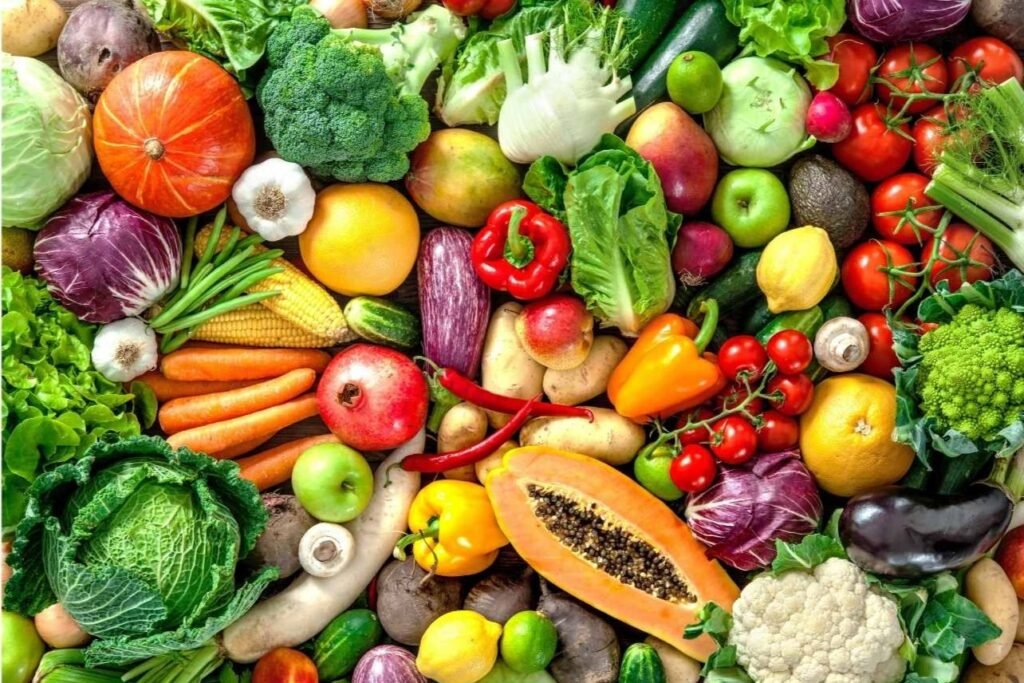
As we’ve seen, many aspects of modern processing and storage can undermine health, particularly processed foods supermarket animal products, food additives, refined oils, dairy products, sugar, salt, and chemical exposures. These can disrupt gut integrity, fuel immune reactions, and make joints more painful and stiff. Together, they create an environment where the body struggles to heal and inflammation becomes the norm rather than the exception. It’s time to make a change.
If your goal is to genuinely restore your health, half measures rarely deliver results. Cutting out just one or two triggers while leaving others in place often leads to disappointment. The people who see the biggest improvements are the ones who make a clean break – removing all the foods and substances that drive inflammation, and replacing them with fresh, natural, supportive alternatives. When you do everything possible at once, you give your body the best chance to recover and experience motivating results. To learn more about food and optimising your health, see the Food Science page and other links below. *
Diet Menu Pages
Processed “foods”