
Co-enzyme Q10
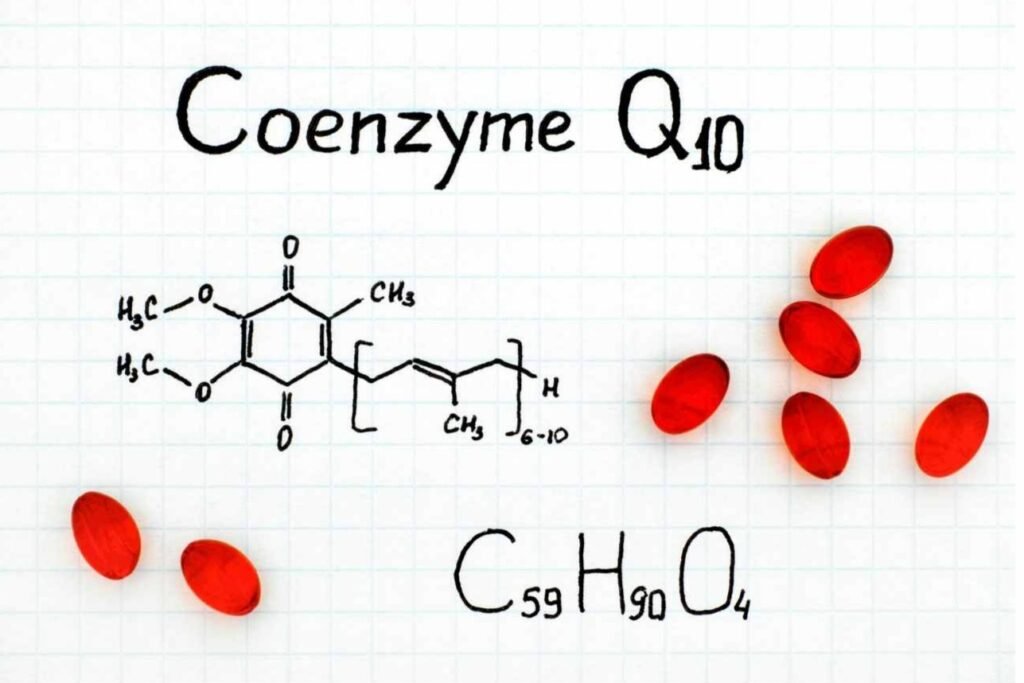
CoQ10 – Key Points
Essential for Energy: CoQ10 supports mitochondrial ATP production, vital for heart, muscle, and brain function.
Antioxidant & Anti-Inflammatory: Reduces CRP and TNF‑α, protecting cells from oxidative damage linked to arthritis.
Joint & Muscle Benefits: May reduce pain and stiffness in knee osteoarthritis and alleviate statin-related muscle fatigue.
Heart & Cognitive Support: Enhances endothelial function and cellular resilience, helping combat fatigue and brain fog.
Food vs. Supplement: Therapeutic doses (100–200 mg/day) far exceed dietary intake; supplementation is practical, especially for low-meat or vegan diets.
Safe & Fat-Soluble: Well tolerated; take with healthy fats to improve absorption.
Coenzyme Q10 – A Scientific Overview
What Is CoQ10 and Why It Matters
CoQ10 is a naturally occurring compound present in every cell, especially abundant in high-energy tissues like the heart, muscles, and brain. It is vital for mitochondrial energy production (via the electron transport chain) and acts as a lipid-soluble antioxidant, protecting cells from oxidative damage – both of which are crucial in the context of chronic inflammation and autoimmune disease.
Anti-Inflammatory and Immune-Modulating Effects
Reduction in inflammatory markers:
A meta-analysis of RCTs found that daily CoQ10 supplementation (100–200 mg/day) significantly reduced CRP and TNF‑α levels in individuals with metabolic and inflammatory disorders.Decreased oxidative stress:
CoQ10 enhances endogenous antioxidant systems, such as glutathione and superoxide dismutase (SOD), helping to restore redox balance – a key factor in reducing arthritis-related tissue damage.
Benefits in Inflammatory Arthritis and Musculoskeletal Health
Pain and stiffness reduction:
Several small-scale clinical studies in patients with knee osteoarthritis reported reduced pain scores and improved joint function following 100–200 mg/day of CoQ10.Reduced statin-induced musculoskeletal side effects:
While not arthritis-specific, research shows CoQ10 alleviates muscle pain and fatigue in people on statin medications – highlighting its role in muscle cell protection and mitochondrial health.Support for mitochondrial health:
Autoimmune arthritis often involves mitochondrial dysfunction (lower ATP and higher oxidative stress). CoQ10 supplementation has been shown to improve mitochondrial efficiency, energy output, and metabolite signalling in both blood and synovial tissues.
Cognitive, Cardiovascular, and Mitochondrial Benefits
CoQ10 supports heart health by improving endothelial function and reducing oxidative stress – key for those with inflammatory conditions who carry elevated heart disease risk.
It also enhances cellular resilience and may help combat fatigue and brain fog frequently experienced by people with chronic autoimmune disease.
Food Sources vs. Supplement Needs
While CoQ10 is found in food, the amounts are typically low:
Organ meats (beef heart ~113 mg/100 g; liver ~39–50 mg/100 g)
Muscle meat (beef ~26–40 mg/100 g; chicken breast ~8–17 mg/100 g)
Fatty fish (mackerel ~43–67 mg/100 g; sardine ~5–64 mg/100 g)
Plant foods (peanuts ~27 mg/100 g; broccoli ~6–9 mg/100 g)
Though a varied diet may provide 3–6 mg/day, therapeutic studies use 100–200 milligrams/day, which is difficult to achieve via food alone. This makes supplementation practical, particularly on vegan or low-meat diets.
Side Effects of Low CoQ10 Intake
Typical Dietary Intake.
Most people get only a small amount of CoQ10 from food – about 3–6 mg per day. Even with CoQ10‑rich foods like organ meats, beef, chicken, fatty fish, nuts, and oils, intake rarely exceeds 20–30 mg/day, which is still much lower than the 100–200 mg/day used in therapeutic studies. Most vegetables and grains provide very little CoQ10.
What Counts as “Low” or “Deficient”?
There is no official threshold for CoQ10 deficiency in the general population because our bodies make most of the CoQ10 we need. True deficiency is rare and usually seen only in:
Genetic disorders affecting CoQ10 production
Certain medications, especially statins, which can lower CoQ10 levels
Age‑related declines in tissue CoQ10
Serious illnesses (heart failure, metabolic disease, cancer) that lower blood CoQ10
A low dietary intake alone does not usually cause classic deficiency symptoms, because the body’s internal production covers most needs.
Possible Effects of Suboptimal Intake.
Even if diet alone doesn’t cause true deficiency, lower CoQ10 levels in the blood—often from aging, illness, or medication – may be linked to:
Fatigue or low energy
Mild muscle weakness or exercise intolerance
Reduced antioxidant protection in cells
Higher oxidative stress, especially in chronic inflammatory conditions
These effects are not unique to CoQ10 but make sense given its role in cellular energy production and antioxidant defense.
Factors That Influence Natural CoQ10 Production.
Chronic illness, inflammation, or metabolic dysfunction can lower natural CoQ10 production. Generally, even if someone eats very little CoQ10, the body can make most of what it needs – but production depends on having enough B vitamins, amino acids, magnesium, and a generally healthy metabolism. If you have Inflammatory disease, you may benefit from an increased therapeutic level.
Typical Therapeutic Dosage
Standard dose: 100–200 mg/day, often taken with meals to enhance absorption.
In severe fatigue or mitochondrial dysfunction: doses of 200–300 mg/day are well-tolerated under supervision.
For oxidative stress boost: doses up to 400 mg/day have been used safely in trials lasting several months.
Safety and Interactions
CoQ10 is well tolerated with minimal side effects – occasional mild GI upset or headache.
May interact with blood pressure medications (including warfarin); those on these treatments should check with a physician before starting.
As CoQ10 is fat-soluble, it is best taken with a small meal containing healthy fats (e.g., nuts or fish oil) to improve absorption.
CoQ10 supplementation does not appear to permanently suppress the body’s own production.
Even after stopping, the body’s natural CoQ10 synthesis resumes, and tissue levels are generally maintained.
The risk of “dangerously low” levels after stopping a CoQ10 supplement is theoretical and hasn’t been observed in clinical trials.
This is in contrast to some hormones (like corticosteroids), where feedback inhibition can cause temporary adrenal suppression.
Conclusion
Coenzyme Q10 stands out as a dual-action supplement for inflammatory arthritis and disease – supporting cellular energy production while reducing oxidative stress and inflammation. Backed by strong clinical data in metabolic and musculoskeletal conditions, it complements other anti-inflammatory strategies like omega‑3s, curcumin, magnesium, ginger, boswellia, and quercetin. For individuals navigating chronic joint pain, fatigue, and systemic inflammation, CoQ10 offers a well-supported, low-risk nutritional tool to enhance overall resilience and healing.