
Calcium & Inflammatory Disease
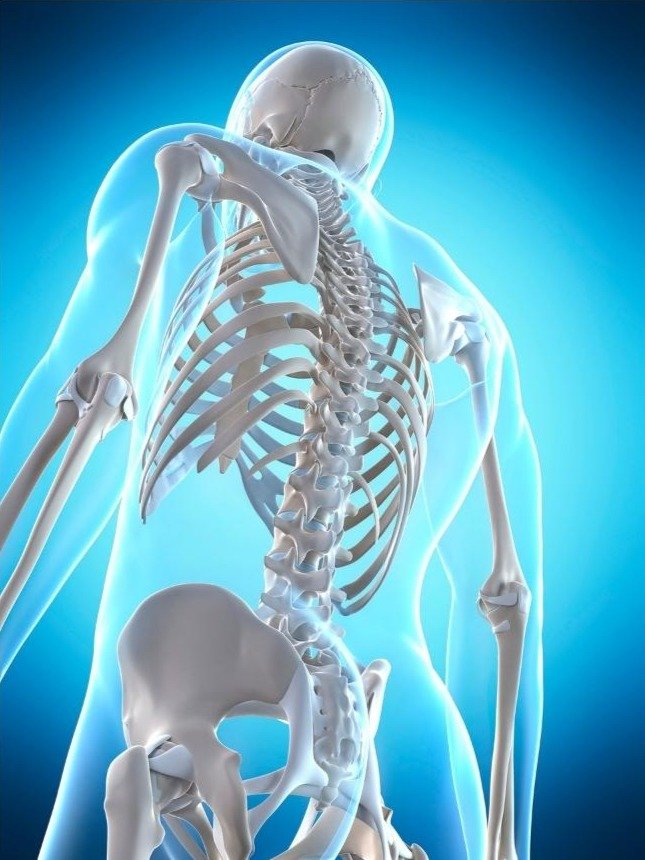
Key Points – Calcium and Inflammation
- 🔥 Inflammation: Low calcium intake is linked to increased gut permeability and increased inflammatory markers.
- Low calcium intake is unlikely to show up in blood tests
🧠 Cognitive Function: Calcium supports neurotransmission and nervous system health.
💪 Muscle Contraction: Vital for muscular function, including the heart.
🍽️ Dietary Focus: Prefer food sources like leafy greens, kale, chia seeds, flax, almonds, tofu, canned salmon with bones and possibly fortified Almond milk. (Canned salmon may or may not be tolerated, and check the ingredients of the almond milk).
🚫 Excess: Over-supplementation can raise cardiovascular risk, especially without adequate magnesium, vitamin K2, or boron.
🧂 Interactions: Calcium metabolism is affected by magnesium, boron, vitamin K2 and Vitamin D – balance matters.
☕ Inhibitors: Caffeine and high-oxalate foods reduce calcium absorption.
🔄 Absorption Boosters: Pair calcium with K2, vitamin D, magnesium, boron and low-oxalate preparation methods.
Deficiency Signs: Numbness, tingling, muscle cramps, brittle nails, confusion.
💊 Supplement Type: Calcium citrate preferred for better absorption and reduced kidney stone risk.
🚽 Kidney Stones: Avoid high-dose calcium carbonate; hydrate well and manage oxalates.
- Obtaining the correct amount of calcium and co factors can help optimize your health and reduce inflammatory disease.
- Personally I aim for about 1000 to 1200 milligrams of calcium per day – mostly from chia, flax, sesame, greens and some calcium citrate if i’m not reaching the target with food alone.
Calcium is an Essential Mineral
Calcium is the most abundant mineral in the human body and is essential for bone and dental health, muscle contraction, nerve transmission, blood clotting, and cellular signalling. Insufficient calcium, or consuming it in forms that are poorly absorbed or without necessary cofactors, can increase the risk of osteoporosis, fractures, and inflammatory conditions. About 99% of the body’s calcium is stored in bones and teeth, with the remaining 1% circulating in the bloodstream to support critical metabolic functions.
How Calcium Influences Inflammation
We’re about to dive into some of the science behind calcium – how it works in the body, how it interacts with cofactors, and how it may influence inflammation and overall health. While the details can get technical, understanding them is important: when you know why calcium matters, and how it supports your body’s signalling and regulation, it becomes much easier to make choices that truly support your bones, your immune system, and your long-term wellbeing. This isn’t just about following instructions – it’s about understanding the drivers behind your health, so you can take steps confidently and consistently to improve your recovery, resilience, and quality of life.
1, Calcium is a core immune signalling regulator
Calcium ions are one of the most important second messengers inside immune cells.
What happens normally
When an immune cell such as T-cell, macrophage or mast cell is activated:
A brief, controlled rise in intracellular calcium occurs
This activates transcription factors like NFAT, NF-κB and AP-1.
Cytokine release is tightly regulated
But when calcium availability is chronically low
Cells compensate by:
Increasing calcium influx sensitivity
Prolonging calcium signalling
This skews immune responses toward:
Excessive cytokine production
Reduced resolution of inflammation
Net effect: immune responses become louder and longer than necessary.
This is particularly relevant in autoimmune and chronic inflammatory states.
2, Low calcium = elevated parathyroid hormone = inflammation
When dietary calcium is low, the body maintains blood calcium by raising parathyroid hormone (PTH).
Elevated PTH:
Increases calcium release from bone
Increases intracellular calcium oscillations in immune cells
Activates inflammatory pathways such as IL-6 , TNF-α and CRP
Chronic mildly elevated PTH (common in low-calcium diets) is associated with:
Systemic low-grade inflammation
Increased vascular inflammation
Worsening of inflammatory joint disease in some studies
So the inflammation is not from low blood calcium itself – it’s from the hormonal compensation.
3, Calcium helps maintain gut barrier integrity
This is a big and often overlooked mechanism.
Calcium in the gut:
Supports tight junction proteins like claudins and occludins
Helps neutralize irritating bile acids
Reduces permeability of the intestinal lining
When calcium intake is low:
Increased gut permeability (“leaky gut”) occurs
Also greater translocation of:
LPS – which is an endotoxin, and
Bacterial fragments
These activate:
Toll-like receptors (TLR4) and
NF-κB inflammatory pathways
Resulting in chronic immune activation driven by the gut.
This pathway is especially relevant to:
Autoimmune disease
Spondyloarthropathies, and
Inflammatory arthritis
4, Calcium modulates mast cell stability
Mast cells are highly sensitive to calcium and play a central role in:
Histamine release
Neuro-immune inflammation, and
Gut and joint inflammatory flares
When calcium signalling is unstable – typically due to insufficient calcium, inadequate cofactors (magnesium, vitamin D, K2), or poor absorption – mast cells become more reactive.
This can lead to:
Increased histamine release, and
Elevated pro-inflammatory lipid mediators
For anyone sensitive to amines or histamine, this pathway is particularly relevant.
5, Interaction with vitamin D
Low calcium intake increases reliance on vitamin D driven absorption.
If vitamin D is:
Low or suboptimal, then inflammation risk increases further
If Vitamin D is adequate then some inflammatory effects of low calcium are buffered
Vitamin D + calcium together:
Suppresses excessive Th1 & Th17 immune responses, and
Promotes regulatory T-cells (Tregs)
Without sufficient calcium, vitamin D’s immunoregulatory role is partially blunted.
6, Inflammatory resolution requires calcium
Resolution of inflammation (turning it off) is an active process.
Calcium is required for:
Macrophage phenotype switching (M1 to M2)
Efferocytosis – clearing dead immune cells, and
Activation of anti-inflammatory enzymes
Low calcium status can impair resolution of disease even if it doesn’t initiate inflammation on its own.
Too much calcium causes problems too. so its about getting the correct amount.
Big picture summary
A lack of calcium can promote inflammatory disease by:
Dysregulating immune cell calcium signalling
Elevating PTH and inflammatory cytokines
Increasing gut permeability and endotoxin load
Destabilizing mast cells and histamine release
Impairing vitamin D’s immune regulation
Slowing inflammatory resolution
Practical nuance
Most people with inflammatory disease don’t have overt calcium deficiency
The issue is often chronically low intake, borderline status, or poor absorption
Effects are subtle, cumulative, and context-dependent
Inflammation activated before blood calcium drops
1, Blood calcium almost never tells the story
Serum calcium normal range:
≈ 2.15–2.55 mmol/L (8.6–10.2 mg/dL)
Even people with:
chronic low intake
inflammatory disease, and
bone loss
usually have normal serum calcium.
Why? Because the body defends blood calcium aggressively using PTH and bone.
Calcium is taken out of your bones to buffer blood.
👉 So inflammation risk correlates poorly with serum calcium, and much better with:
intake
PTH, and
long-term balance
2, The key biological tipping point: PTH elevation
Chronic elevation of parathyroid hormone (PTH)
PTH often begins to rise when absorbed calcium drops below what the body needs for:
bone turnover
immune signalling, and
neuromuscular stability
Rough intake-related thresholds (adults)
These are approximate but biologically meaningful:
| Daily calcium intake, verses, | Inflammatory impact. |
|---|---|
| 900–1200 mg/day. | Lowest inflammatory risk (baseline). |
| 700–900 mg/day. | Usually compensated, minimal risk. |
| 500–700 mg/day. | PTH often elevated – increased inflammatory tone. |
| less than 500 mg/day. | Clear increase in inflammatory signalling. |
Many studies find:
PTH rises significantly below ~700 mg/day
Inflammatory markers like CRP and IL-6 track with PTH, not serum calcium
3, What counts as “significantly” increasing inflammatory disease?
From a biological standpoint, inflammation becomes meaningfully harder to control when two things coexist:
A, Calcium intake consistently below ~600 to 700 mg/day
AND
B, A pre-existing inflammatory condition
(such as autoimmune disease, gut permeability, mast-cell activation, etc.)
In this context:
Immune cells are more reactive
Resolution pathways are weaker, and
Remission becomes less stable
For someone without inflammatory disease, the effect is subtle.
For someone with inflammatory disease, it can be the difference between:
remission verses low-grade activity, and
stable verses flare-prone
4, Evidence from remission and relapse patterns
Across inflammatory conditions like RA, AS, and IBD:
Calcium intake in the lowest quartile is associated with:
Higher disease activity scores
Reduced remission durability
Intake in the middle quartiles is usually neutral
Benefits plateau above ~1000 mg/day
Importantly:
Excess calcium does not improve remission
But insufficient calcium increases relapse risk
The right amount of calcium is one piece of the picture.
5, Gut-mediated calcium threshold
Low calcium can contribute to inflammation via effects on the gut barrier and immune signalling – and these effects may appear well before bone loss becomes apparent.
Gut barrier–related effects become more likely when calcium intake falls below ~700 mg per day, particularly during periods of gut stress such as after antibiotic use.
High-fibre, plant-based diets are generally ideal for gut and metabolic health. However, some fibres and plant compounds like oxalates in spinach including baby spinach. The oxalates bind a portion of dietary calcium, reducing how much calcium is absorbed.
For this reason, ensuring an intake of approximately 900–1200 mg per day of absorbable calcium becomes especially important in high-fibre, plant-forward diets to maintain gut integrity and immune regulation.
6, Low Calcium Intake
How low would calcium have to be to significantly increase inflammatory disease or reduce remission chances?
Answer:
Below ~700 mg/day – inflammation risk begins to rise
Below ~600 mg/day – meaningful increase in inflammatory signalling
Below ~500 mg/day – clear biological disadvantage for remission
A standard blood calcium test usually does not detect dietary calcium deficiency, as the body maintains blood calcium by drawing on bone and other reserves until deficiency becomes severe.
Many people do not reach recommended calcium intake levels, and this is especially true in inflammatory disease groups. Studies show that 75–100% of people with rheumatoid arthritis and a large proportion of people with IBD consume less calcium than recommended, often far below the ideal 1000–1200 mg/day. Inadequate calcium intake is a common and modifiable nutritional factor that should be considered when addressing bone health and systemic regulation in inflammatory disease.
Recommended Intake
| Group. | |
|---|---|
| Adult Men (19–70 years) | 1,000 mg/day. |
| Adult Women (19–50 years) | 1,000 mg/day. |
| Women (51+) & Men (70+) | 1,300 mg/day. |
| Adolescents (12–18 years) | 1,300 mg/day. |
| Pregnancy or Lactation | 1,000–1,300 mg/day. |
Upper Tolerable Limit: 2,500 mg/day (adults under 50), 2,000 mg/day (50+)
Symptoms of Calcium Deficiency
Muscle cramps and spasms appear early
Often improve within days to weeks as calcium levels stabilise nerve muscle signalling.Tingling or numbness in fingers or hands
Usually resolves within days to weeks once adequate calcium intake is restored and nerve excitability normalizes.Brittle nails and dry skin
Gradually improve over weeks to months as mineral balance and tissue turnover recover.Poor dental health
Adequate calcium supports tooth re mineralization and helps slow further enamel and bone loss (especially when combined with vitamin D).Mood changes and irritability
May improve over weeks as calcium dependent neurotransmitter regulation stabilises.Osteopenia and osteoporosis
Adequate calcium helps slow progression and supports bone maintenance, especially when paired with vitamin D, vitamin K2 (MK-7), magnesium, and regular weight-bearing activity to ensure calcium is directed into bone rather than soft tissues.Fracture risk
Reduces over time as bone density and structural strength are better supported by sufficient calcium and cofactors.
Symptoms may also have other causes; restoring calcium supports normal physiology but is not a substitute for medical assessment where symptoms persist.
Symptoms of Excessive Calcium
Constipation (early)
Kidney stones (especially with calcium carbonate)
Fatigue, nausea
Calcification of soft tissues
Vascular stiffness and cardiovascular risk
Adverse symptoms from “excess calcium” usually do NOT appear at 2,000 mg/day from food. They most often appear with supplements, poor cofactors, or impaired regulation, not simply high intake from food.
Up to ~1200 mg/day: physiological and safe for most adults
1500–2000 mg/day: generally tolerated, benefits plateau
Above ~2000 to 2500 mg/day: increased risk of side effects, especially from supplements
Very high intakes (greater than 3000 mg/day): unnecessary and potentially harmful without medical supervision
Avoid:
single large calcium doses
calcium without magnesium, and
calcium + high-dose vitamin D on an empty stomach
Food Sources of Calcium
While supplementation may be helpful, especially in low-calcium diets, it’s ideal to obtain calcium from food sources due to better cofactor synergy and reduced risk of imbalance.
Top Plant Sources (per 100 grams):
Chia seeds: ~631 milligrams
Tahini (sesame paste): ~426 mg
Almonds: ~264 mg
Linseed (flaxseed): ~255 mg
Figs (dried): ~162 mg
Kale: ~150 mg
Bok choy: ~105 mg
Cooked spinach: ~100 mg (oxalate-bound, poorly absorbed)
Walnuts: ~98 mg
Broccoli: ~47 mg
Cabbage: ~40 mg
Buckwheat: ~17 mg
Pasta (enriched): ~10–15 mg
Cooked brown rice: ~10 mg
Fortified Foods:
Plant milks (e.g. almond, soy): Often fortified to ~300 mg per cup
Breakfast cereals: Fortified cereals in many countries may offer 100–200 mg per serving
Animal Sources:
Canned salmon (with bones): ~200 to 250 mg per 100grams
Sardines (with bones): ~300 to 400 mg per 100grams
Eggs: ~50 mg (Without shell. Egg shells are mostly calcium carbonate)
Fish Bones for Calcium
Fish with edible bones (like canned salmon or sardines). Calcium from bones is mostly calcium phosphate, bound in a collagen matrix, with a slower release and less spike in urinary calcium compared to some supplements reducing chance of kidney stones. Canned fish can be a dietary trigger in my experience, but if tolerated, canned Atlantic salmon can be a good source of calcium and omega 3s.
Food Pairing, Oxalates & Absorption
Some plant foods (e.g. spinach, rhubarb) are high in oxalates, which bind calcium and reduce absorption.
Tips to enhance calcium absorption:
Steam or boil high-oxalate vegetables to reduce oxalate levels.
Pair calcium-rich foods with magnesium, K2 and vitamin D for optimal uptake.
Avoid excessive caffeine, salt, refined sugar, and alcohol, all of which can increase urinary calcium loss or interfere with calcium balance when consumed in excess.
Consume smaller calcium-rich meals throughout the day to improve absorption.
Supplementation Considerations
When to consider a supplement:
Vegan diet without fortified foods
Poor calcium absorption or intolerance to plant calcium sources
Postmenopausal women or elderly with low intake
Preferred Calcium Supplimentation Forms:
Calcium Citrate: Better absorbed (especially with low stomach acid), and calcium citrate has lower kidney stone risk.
Avoid: High-dose calcium carbonate, especially without magnesium or K2.
Calcium supplementation – especially calcium carbonate combined with vitamin D – can worsen calcium signalling, mast cell reactivity, and inflammatory instability in susceptible people.
Calcium interactions:
Magnesium: Needed for proper calcium metabolism and muscle relaxation.
Vitamin D: Enhances calcium absorption.
Vitamin K2 (MK-7): Directs calcium to bones, preventing arterial calcification.
Boron: Helps retain calcium, supports bone growth and reduces urinary calcium loss.
Ensure these nutrients are balanced in your diet or supplement routine.
Dairy & Bone Health: A Critical Look
Dairy is often promoted by the dairy industry as the gold standard for calcium intake, yet evidence suggests high dairy consumption doesn’t always correlate with better bone health.
Study: Harvard Nurses’ Health Study (1997)
Over 77,000 women followed for 12 years
Found no reduction in fracture risk from higher milk consumption
Women who drank more milk had slightly higher fracture rates
Meta-analysis (Feskanich et al., 2014, BMJ):
Higher milk intake in Swedish cohort linked to increased mortality and fracture rates, possibly due to D-galactose effects (a sugar in milk linked to oxidative stress)
Rheumatoid Arthritis & Dairy Elimination:
Studies show improvements in RA symptoms and remission when dairy is eliminated
Example: Hafström et al. (2001)
66 patients with RA put on a vegan diet
40% achieved remission, compared to 4% in control group
Dairy elimination likely reduced antigenic load and gut permeability
Other concerns with dairy:
Linked to acne, increased IGF-1 (which may influence hormone-sensitive cancers)
Lactose intolerance and casein sensitivity is common
Dairy proteins may impair gut barrier function, especially in autoimmune conditions
Sugar and calcium absorption
High sugar intake, especially refined sugars (white sugar, high-fructose corn syrup, sugary drinks), can reduce calcium absorption in the gut.
Mechanisms include:
Sugar increases urinary calcium excretion, meaning more calcium is lost in urine.
High sugar may interfere with vitamin D metabolism, which is essential for calcium absorption.
Diets high in sugar can promote acid load, slightly increasing calcium leaching from bones to buffer blood pH.
Bottom line: Eating a lot of sugar can indirectly lower calcium availability and make it harder to maintain bone, muscle, and immune function.
Conclusions:
While dairy contains calcium, it’s not essential and may be problematic for many.
Plant-based calcium sources, fortified products, and mindful supplementation offer safer and often more effective alternatives.
Obtaining the correct amount of calcium and co factors can help optimize your health and reduce inflammatory disease.