
Medication for Inflammation
This page provides an overview of medications commonly used to treat inflammatory conditions, including their role, benefits, and potential downsides. It also places medication use in the wider context of lifestyle, long-term health, and inflammation management.
Quick links to headings on this page:
A Time and a Place, Antibiotics, Proton Pump Inhibitors, Paracetamol, N SAIDs, Cannabis, Corticosteroids, D MARDs, Newer D MARDS, TNF blockers,
A Time and a Place
Medications can be extremely helpful

Key Points
Medications can be helpful, even necessary, in managing arthritis symptoms.
Long-term use of drugs generally carries side effects and risks.
- Medication often treats symptoms rather than the cause.
Healing can be supported through food, movement, rest, mindset, gut health, and many other lifestyle changes.
Many people find they need less medication – and some can even come off it entirely – as their lifestyle improves.
Always speak with your doctor before making changes to your medical treatment plan.
For many people living with arthritis, whether it’s osteoarthritis, gout, rheumatoid arthritis, ankylosing spondylitis, or another form of inflammatory disease, medications can play an important role in reducing pain, stiffness, and other inflammatory symptoms. Doctors and rheumatologists commonly prescribe medications such as N SAIDs, corticosteroids, D MARDs (like methotrexate), or newer biologic drugs. For conditions like gout, urate-lowering therapies are often used long-term to prevent flare-up.
These medications can be powerful tools, especially during acute flares or in the early stages of diagnosis. But they are not without potential side effects, and long-term use can come with health risks.
This website is not here to tell you to stop taking your medication – that’s a personal decision that must always be made in consultation with your healthcare provider. This site is here to help you explore what else is possible. Many people have discovered that through improvements in food, movement, rest, mindset, gut health, social connection, and many other lifestyle factors, they can dramatically reduce their symptoms, and in some cases, even come off medications altogether.
If you’re taking medication now, there’s no shame in that, it may be exactly what you need right now. But remember: your healing doesn’t begin or end with a prescription. You may have more power to influence inflammatory disease than you’ve ever been told.
While not all specialists are trained in lifestyle medicine, a growing number of rheumatologists and integrative doctors are embracing a more holistic approach. These professionals understand that nutrition, movement, sleep, gut health, stress management, and other lifestyle factors can profoundly influence arthritis outcomes. If you’re looking for a practitioner who is supportive of this philosophy, don’t be afraid to ask questions, seek second opinions, or look into practitioners who have experience in lifestyle-based care.
Friends, doctors, rheumatologists, naturopaths, family members, etc all have different degrees of knowledge and understanding when it comes to lifestyle factors. It is healthy to check their advise against evidence.
There are various lifestyle medicine directories, like this one for the USA.
Lifestyle Medicine Clinicians Directory in the USA lifestylemedpros.org/home
Antibiotics

Antibiotics – Be Discerning
Antibiotics can be life-saving when used appropriately. The growing body of epidemiologic and mechanistic research shows repeated or prolonged antibiotic exposure is associated with higher odds of later inflammatory arthritis and other immune-mediated conditions – and the biological pathways (dysbiosis leads to leaky gut which leads to immune activation) are plausible and supported by animal and human microbiome work. The practical policy is simple: avoid unnecessary antibiotics; when they’re needed, keep them targeted and brief; and actively support microbiome recovery afterwards (dietary fiber, diverse plants, consider evidence-based probiotics for short-term protection from antibiotic-associated diarrhoea). For those worried about autoimmune risk, discuss antibiotic choices and alternative options with clinicians before accepting broad spectrum, repeat or prolonged courses of antibiotics.
More ->
Proton Pump Inhibitors

Proton pump inhibitors (PPIs) – such as omeprazole and pantoprazole, are among the most commonly prescribed medications worldwide. They work by powerfully reducing stomach acid and are used for reflux, ulcers, and to protect the stomach from damage caused by painkillers or steroids. For short-term relief they can be very effective, and in some cases life-saving. But because they are so often prescribed, and sometimes continued for years without review, many people don’t realize they come with important long-term considerations.
Research now shows that regular PPI use can alter gut bacteria, increase the risk of certain infections, affect nutrient absorption, and may even influence arthritis, bone health, and autoimmune conditions. These effects are especially relevant for people with inflammatory diseases or gut health issues. Understanding when PPIs are truly necessary, when they might cause harm, and what the alternatives are is key to making informed decisions. On the Proton Pump Inhibitors page we explore the history, benefits, risks, and latest science around PPIs in depth.
Paracetamol
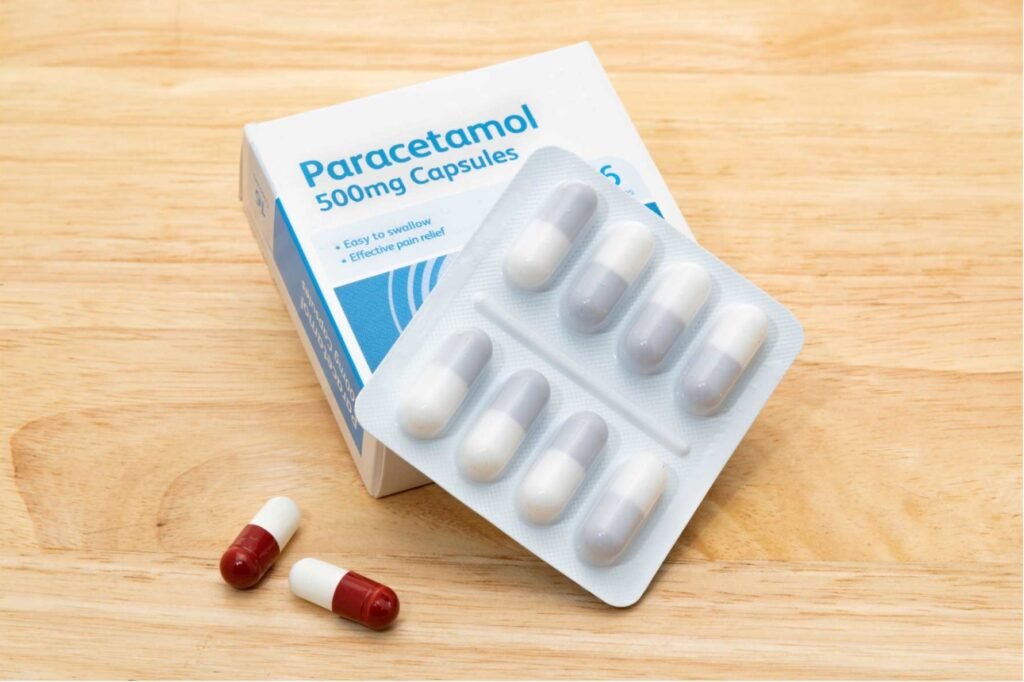
Paracetamol (also known as acetaminophen) is one of the most widely used pain relievers worldwide. It is often recommended for headaches, fevers, and musculoskeletal pain, including arthritis. Because it is available over the counter and generally easier on the stomach than anti-inflammatory drugs, many people see it as a safe first-line option.
But long-term or high-dose use carries risks that are often underappreciated. In fact, paracetamol overdose is the leading cause of acute liver failure in Western countries, responsible for up to 50% of cases. Regular use has also been linked to kidney problems, cardiovascular issues, and diminished pain-relief effectiveness over time. Large trials in osteoarthritis show only 3 to 5% average improvements in pain and function, which is often not clinically meaningful. For people with arthritis or inflammatory conditions, understanding both the limits and potential harms of paracetamol is key to making informed choices. On the Paracetamol page we explore its history, benefits, risks, and the latest science in depth.
NSAIDs

Non-steroidal anti-inflammatory drugs (N SAIDs) – such as ibuprofen, naproxen, diclofenac, and COX-2 inhibitors like celecoxib, are some of the most widely used medications for arthritis and back pain. They reduce pain and inflammation quickly, which makes them invaluable during flares or acute injuries. But their popularity often hides important downsides. Regular N SAID use can harm the gut lining, increase intestinal permeability (“leaky gut”), and disrupt the microbiome in ways that may actually fuel inflammation long term. Even without obvious symptoms, ulcers and internal bleeding are well-documented risks, and COX-2 inhibitors, while gentler on the stomach, bring their own cardiovascular concerns. For people with arthritis and inflammation, this double-edged effect – short-term relief versus potential worsening of underlying disease, is crucial to understand. Research now shows natural options like curcumin, Boswellia, and ginger can offer pain relief equivalent to N SAIDs but with better gastrointestinal tolerance. On the N SAIDs page we dive into the science, benefits, risks, and alternatives in detail so you can make informed choices about how best to use or reduce these drugs.
Cannabis

CBD Oil & Medical Cannabis
CBD (cannabidiol) and medical cannabis products are increasingly used for chronic pain, sleep issues, and anxiety in people with arthritis and inflammatory disease. In Australia, these require a prescription through the TGA’s Special Access Scheme or an authorised prescriber. CBD is non-psychoactive, while THC (tetrahydrocannabinol) can have mind-altering effects and may be present in varying amounts. Evidence for arthritis pain relief is mixed – some people report reduced pain and better sleep, while others notice little change. Potential side effects include dizziness, fatigue, interactions with other medications, and (with higher THC) cognitive impairment. A full discussion is available on our CBD Oil and Medical Cannabis page.
Corticosteroids

Corticosteroids, often simply called steroids, are powerful anti-inflammatory medications that work by suppressing the immune system and reducing the release of inflammatory chemicals. In arthritis care, they are valued for their ability to provide rapid symptom relief, often when pain and swelling are at their worst. They can be taken orally, injected directly into affected joints, or even used in sight-threatening conditions like iritis to protect vision. While these drugs can be lifesaving and prevent serious tissue damage, they do not correct the underlying drivers of inflammation such as dietary triggers, gut health, and lifestyle imbalances. Steroids are generally used as a short-term tool rather than a long-term solution. Their benefits can be dramatic, but they also carry some of the most serious risks of any arthritis medication, especially when used for weeks or months at a time. For many people, they act as “bridge therapy” while other treatments take effect, but lasting improvements depend on lifestyle changes that address root causes. To learn more about steroids and their role in arthritis, see the full article on the Steroids Page.
D-MARDS (Conventional)

D-MARDs are a group of medications prescribed to slow the progression of autoimmune arthritis, including rheumatoid arthritis, psoriatic arthritis, and ankylosing spondylitis. Unlike pain relievers, they work by altering the immune system itself to reduce long-term damage and disability. The most common D-MARD, methotrexate, is often considered the “anchor drug” and is prescribed worldwide. These drugs can provide significant relief, especially early in the disease, but they also carry a high burden of side effects, from nausea and fatigue to serious risks like liver damage, lung inflammation, infections, and even increased cancer risk with some biologics. For people who do not respond to conventional D-MARDs, biologics and JAK inhibitors are available, but they are expensive, immunosuppressive, and not curative. While D-MARDs may be helpful in the short term, they do not address the root causes of inflammation, and many people find they can reduce or eliminate their need for these drugs through comprehensive lifestyle changes. To explore D-MARDs in more detail, including how they work, their risks, and natural alternatives, see the full D-MARDs page.
Newer D-MARDs

Biologic D-MARDs like TNF inhibitors and JAK inhibitors can be life-changing when inflammation is severe and joints are at risk.
These advanced therapies block very specific immune pathways and often deliver rapid relief.
But they are not a cure, disease activity frequently returns if the drug is stopped.
The price is high, both financially and biologically: thousands per month, plus infection and cancer risks.
That is why most rheumatologists combine biologics with methotrexate or other D-MARDs to sustain benefit.
Even so, long-term remission through drugs alone is rare.
Here’s the hopeful truth: the same immune pathways these drugs suppress can often be repaired naturally through lifestyle and environmental change described on this site.
Used wisely, medication buys time, while change lays the foundation for lasting freedom.
Examine the specifics of these newer D-MARDs, and healthier additions on the New D-MARDs page
TNF‑Alpha Blockers
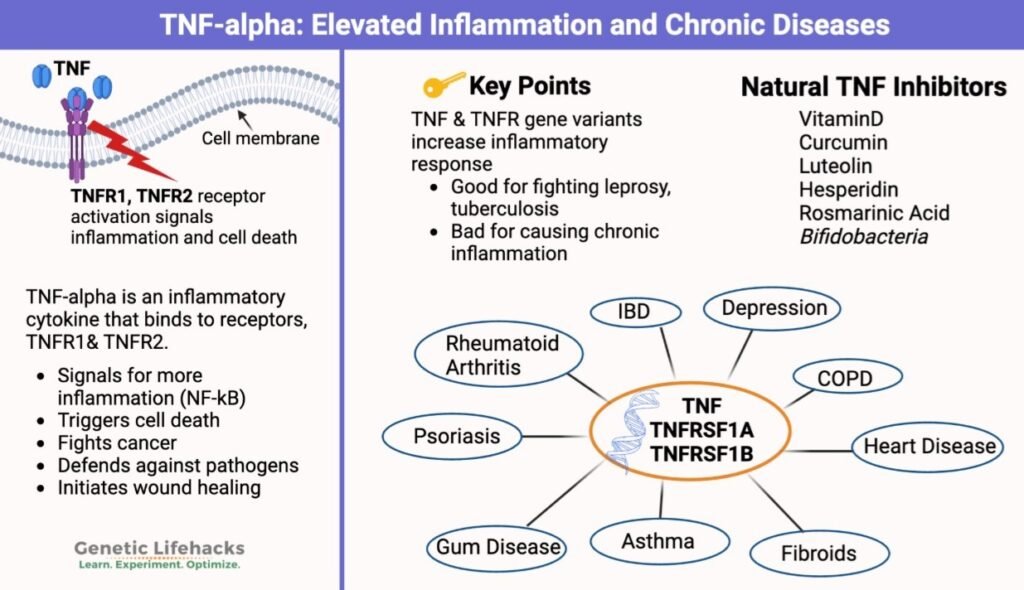
TNF-α is a master inflammatory signal that, when chronically high, drives joint pain, swelling, and tissue damage. TNF-α inhibitors are newer biologic DMARDs, including etanercept, adalimumab, infliximab, and others, that can quickly reduce inflammation and protect joints, but they are not curative and carry immune-suppression risks (notably serious infections and some cancers). People use them strategically when inflammation is severe or vision/function is threatened. You can work on root drivers concurrently. Diet, gut-barrier support, consistent sleep, stress skills, oral health, cleaner air etc. Once disease activity is truly low and stable, discuss careful dose-spacing or tapering with your rheumatologist. For details, see the TNF-Inhibitors page and the lifestyle pages.
Disclaimer: The information on this site is based on personal experience and research and is not medical advice. Always consult a qualified health professional before making medical or dietary decisions. Read full disclaimer