
Root Causes of Inflammation

Understanding the root causes of the condition helps us prevent and reverse future disease activity.
The root causes of inflammation which leads to back and joint pain and many diseases is most often a combination of genetics, microbiome changes, environmental triggers, immune dysregulation, and barrier dysfunction. Which can be heavily influenced by environmental factors such as diet, dietary triggers, gut health, toxin exposure, infections, stress, sleep quality and physical activity.
Example of Back Pain and Arthritis Development
Environmental factors can profoundly shape your biology.

Imagine a person in their mid thirties – let’s call her Sarah. Sarah has a family history of autoimmune disease, perhaps a parent or grandparent with rheumatoid arthritis. She carries certain genetic markers – for example, HLA-B27 (commonly linked to ankylosing spondylitis) or HLA-DR4 (linked to rheumatoid arthritis). These genes don’t cause disease on their own, but they are part of the setting.
Sarah lives a busy life. She often feels anxious and overwhelmed, and rarely gives herself time to rest or reflect. That chronic stress leads to long-term cortisol elevation, which begins to suppress her immune surveillance and weaken her gut lining. It also affects how her genes are expressed – through changes in DNA methylation and histone acetylation – priming her immune system for overreaction.
At the same time, her diet is far from optimal. It’s high in refined sugars, processed foods, industrial seed oils, meat and dairy and low in fibre and phytonutrients. She frequently grabs takeaways, drinks soft drinks, or coffee and snacks late at night. Over time, this diet promotes metabolic inflammation, blood sugar swings, and contributes to dysbiosis – an imbalance in her gut microbiome.
One winter, Sarah gets a bad case of pneumonia. She’s prescribed broad-spectrum antibiotics, which help clear the infection but also wipe out large populations of her beneficial gut bacteria. Her diet doesn’t support recovery, and she doesn’t take probiotics or prebiotic fibres. The antibiotics, combined with stress, lack of sleep, and poor diet, allow opportunistic bacteria to take hold leading to even more dysbiosis in her gut.

Without enough protective microbes, her intestinal barrier begins to break down – a condition known as increased intestinal permeability, or “leaky gut.” The tight junctions in her gut lining weaken, allowing partially digested food particles, bacterial fragments such as lipopolysaccharides (LPS), protein clusters, and toxins to pass into the bloodstream.
Likewise, if Sarah has developed gum disease – something that affects up to 70% of adults – the inflamed gum tissue can also become porous. This allows pathogenic bacteria and their byproducts, including LPS, to enter the bloodstream directly. Just as in the gut, this microbial leakage contributes to systemic inflammation and has been shown to play a role in both the development and progression of inflammatory arthritis.
Meanwhile, Sarah’s home and work environments expose her to glyphosate residues, household chemicals, emulsifiers and preservatives from processed foods. These compounds further damage her gut lining and suppress her detoxification pathways.
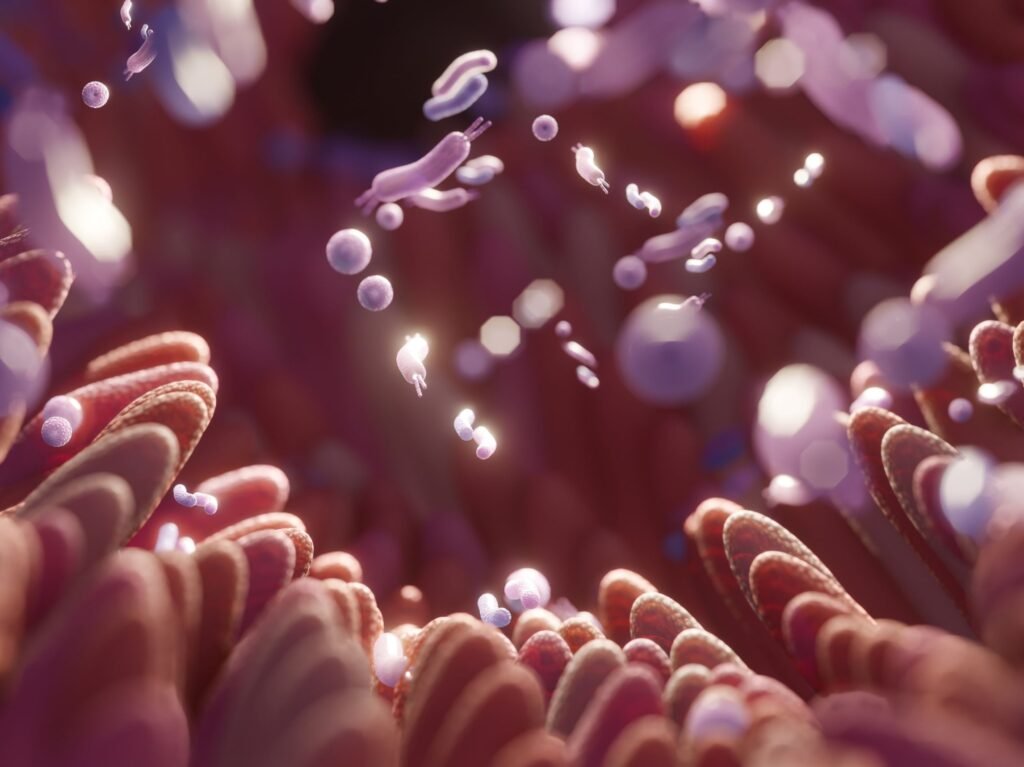
Now in her bloodstream, foreign particles – including bacterial fragments such as lipopolysaccharides (LPS), citrullinated proteins from gum bacteria, and even certain food proteins – which can resemble parts of her own tissues – like collogen. This phenomenon, called molecular mimicry, tricks her immune system into attacking not only the intruders but also her own joints, connective tissue, or spine. Autoantibodies begin to form, and inflammatory cytokines like TNF-alpha and IL-6 are released in large amounts. Over time, this runaway immune response significantly contributes to the development of inflammation based diseases such as arthritis and many other health issues.
Compounding all this, Sarah isn’t exercising regularly – movement, which normally supports lymphatic flow, mitochondrial health, and microbiome diversity, is largely absent. She also sleeps poorly, which prevents her body from restoring immune balance. She’s unknowingly stuck in a loop: each factor – stress, gut damage, poor sleep, the wrong diet, toxins, infections – amplifies the others.
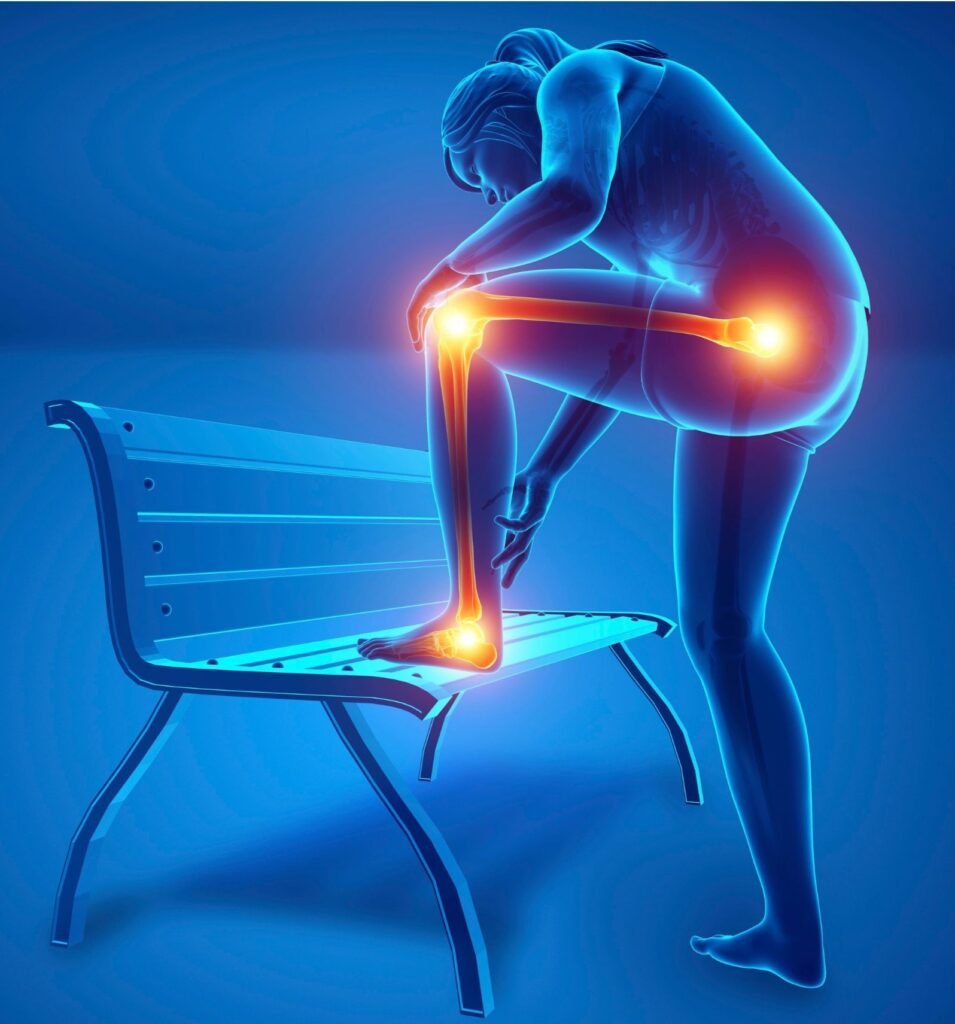
Eventually, symptoms appear: morning stiffness, joint pain, backache, gut issues. She’s told it’s “autoimmune” – her body attacking itself. But it’s important to ask why. It’s because her body is responding to a complex combination of triggers and imbalances.
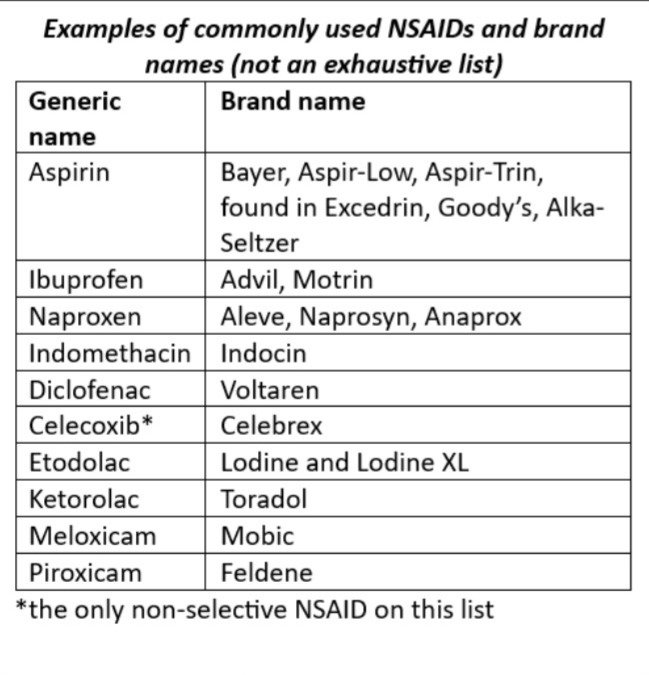
When Sarah finally goes to her doctor or rheumatologist with joint pain, back stiffness, and fatigue, she’s prescribed non-steroidal anti-inflammatory drugs (NSAIDs) like ibuprofen or naproxen to help manage the symptoms. These drugs do reduce inflammation and pain temporarily – but they don’t address the root causes. In fact, chronic NSAID use is known to damage the gastrointestinal lining, increase intestinal permeability, and further disrupt the gut microbiome. So while they offer short-term relief, they may silently exacerbate the underlying immune dysfunction and gut barrier problems that contribute to autoimmune disease in the first place. It’s a cycle that can make true healing even more difficult unless root causes are explored and addressed.
As Sarah’s condition worsens and her gut integrity and immune regulation continue to break down, the joint pain becomes more severe and persistent. Her rheumatologist escalates treatment to disease-modifying anti-rheumatic drugs (DMARDs) such as methotrexate or sulfasalazine. These help suppress the immune attack, but also come with side effects like fatigue, liver toxicity, and suppressed bone marrow function. When these are no longer enough, she’s prescribed biologic therapies, especially TNF inhibitors – powerful drugs that block tumour necrosis factor, a key inflammatory messenger. These medications often provide dramatic relief, but not without cost: they carry an increased risk of serious infections, and long-term use has been associated with a heightened risk of certain cancers, particularly lymphomas and skin cancers. Though these drugs often manage symptoms effectively, they do not resolve the root causes – and few patients are ever guided to explore the upstream factors that triggered the disease.
While it may feel like an inevitable decline, there is hope. Although it remains a very small percentage, thousands of people around the world have experienced significant improvement – and in some cases, drug-free remission – from inflammatory arthritis by addressing the underlying causes. Through changes in diet, gut health, stress levels, sleep, toxin exposure, and physical activity, these individuals have shifted the trajectory of their condition. These outcomes, supported by ever growing scientific evidence and personal testimonials, show that healing is possible, and that the body can often recover when given the right support.
As I’ve said before, diet is the trickiest factor to get correct and a major reason why so many people fail to recover.
In my experience getting just one thing wrong with your diet, like eating chocolate regularly for example, can prevent you from getting better. There are dozens things like this – they are triggers that exacerbate your inflammation and hold you in a cycle of pain. These dietary intolerances occur after repeated damage to your oral and gut barriers. When you rebuild your health, slowly your tolerance for various foods will be restored.
Inflammatory arthritis is not just bad luck
Change the cause – Change the effect

Autoimmune and inflammatory diseases don’t come from “nowhere.” They’re often the end result of many upstream imbalances, accumulated over months or years. These often include:
Genetic predisposition.
Microbiome disruption.
Environmental exposures.
Dietary triggers and imbalanced nutrition
Metabolic stress.
Sleep deprivation and stress hormones.
Infections, antibiotic and N SAID overuse.
Physical inactivity.
The encouraging part is this: just as these factors can contribute to disease, they can also be addressed – helping the body return to balance.
You can maximise your health if you have the will power to make changes, and know what needs to be done.
Root Causes of Inflammation - Recap
1, Possibly a pre-existing genetic susceptibility.
2, Pre-existing microbiome depletion.
A Western-style diet low in plant diversity and high in processed foods and seed oils along with antibiotic use, can set the stage years before symptoms appear.
3, Infections and illness.
Your already-weakened system is more vulnerable to respiratory, gut, or urinary tract infections that kick-start the cascade.
4, Antibiotic use.
While lifesaving when needed, antibiotics can drastically reduce beneficial bacteria and alter gut ecology, especially with repeated use.
5, Stress (psychological and physical).
Stress hormones alter gut motility, disrupt the microbiome, and loosen tight junctions in the gut lining.
6, Western-style diet continuation.
Dairy, refined carbs, sugar, triggering food chemicals, inflammatory fats, and certain proteins, feed dysbiosis or worsen the omega-6 to omega-3 balance.
7, High omega-6 : omega-3 ratio.
The imbalance (not just low omega-3) promotes production of pro-inflammatory signalling molecules.
8, Reduced microbial diversity.
Loss of protective species leads to lower short-chain fatty acid production, compromising gut lining repair.
9, Increased oral and intestinal permeability.
Bacterial products (like LPS) and food antigens cross into the bloodstream, driving immune activation.
This is a feedback loop: permeability increases inflammation, and inflammation increases permeability – a self-sustaining cycle.
10, Additional load factors.
NSAID use, certain food chemicals, poor sleep, environmental toxins, and unaddressed gut infections all add to the inflammatory burden.
Why this matters
Arthritis, autoimmune issues and ill health is not often just “bad luck” – it’s the final result of multiple, overlapping stressors on the gut immune axis. The good news: most of these factors can be reversed or improved.
Just like a car, if you put bad fuel in, it does not go well.
Next step: Learn more about your microbiome so you can rebuild your health.
References
Alpizar‐Rodriguez D, et al. Antibiotic use and risk of rheumatoid arthritis: A population‐based case–control study. Ann Rheum Dis. 2019;78(3):278–284.
Hviid A, et al. Antibiotic use and inflammatory bowel diseases in childhood. Gut. 2011;60(1):49–54.
Zhao Q, et al. Psychological stress increases intestinal permeability through mast cell–dependent mechanisms in humans. Clin Transl Gastroenterol. 2014;5:e45.
Chassaing B, et al. Dietary emulsifiers impact the mouse gut microbiota promoting colitis and metabolic syndrome. Nature. 2015;519:92–96.
Fasano A. Intestinal permeability and its regulation by zonulin: Diagnostic and therapeutic implications. Clin Gastroenterol Hepatol. 2012;10(10):1096–1100.
Soderborg TK, et al. The Western diet and gut microbiome: Implications for metabolic disease. Nutrients. 2022;14(11):2191.
Calder PC. Omega-6 fatty acids and inflammation. Prostaglandins Leukot Essent Fatty Acids. 2008;79(3-5):169–179.