
K2 (MK-7) & Arthritis
Key Points
Directs calcium to the right places – MK-7 activates proteins that move calcium into bones and teeth and keep it out of arteries and joints.
Essential partner to vitamin D, magnesium, and boron – ensures calcium absorbed from supplements doesn’t calcify soft tissues.
Deficiency is common – modern diets lack organ meats and fermented foods, and gut issues or antibiotics can reduce natural production.
Supports bone and joint health – research shows improved bone density, reduced arterial stiffness, and slower cartilage loss with MK-7.
Best natural sources are rare today – natto, aged cheeses, and some animal fats; supplementation maybe best to avoid foods that may trigger inflammation.
Ideal dosage: 180–200 µg/day for bone and joint health; take with fat for best absorption.
Safe and well-tolerated – but those on blood-thinners (e.g., warfarin) should consult a doctor before use
What Is Vitamin K2 (MK-7)?
Vitamin K2 is a fat-soluble vitamin distinct from K1. It’s responsible for activating key proteins that regulate calcium use throughout the body. The MK-7 form (menaquinone-7) has the longest half-life, making it ideal for maintaining stable levels with once-daily dosing. Unlike vitamin K1, which helps blood clot, MK-7 helps keep bones strong and joints clear of calcification.
🦴 Why MK-7 Is So Important for Joint and Bone Health
People with arthritis, osteoporosis, or poor gut health may be at risk of K2 deficiency – even if they eat a healthy diet. If you’re taking calcium or vitamin D without enough K2, that calcium can end up in the wrong places – like arteries and joints.
Vitamin K2 is:
Critical for anyone managing arthritis, bone thinning, or chronic inflammation
Commonly deficient in modern diets
Often depleted by gut issues, antibiotics, or ultra-processed foods
📈 Clinical Benefits of MK-7 Supplementation
Improves bone mineral density
Reduces arterial stiffness and vascular calcification
May slow progression of osteoarthritis and cartilage degradation
Works synergistically with vitamin D, magnesium, and boron
May help prevent joint calcification triggered by inflammation, a major contributor to irreversible damage in arthritis
⚙️ Mechanism: How K2 Works
Vitamin K2 activates:
Osteocalcin, which binds calcium into bones and teeth
Matrix Gla Protein (MGP), which blocks calcium from accumulating in joints, arteries, and soft tissues
This dual action helps prevent inappropriate calcification – a key concern in osteoarthritis, rheumatoid arthritis, ankylosing spondylitis, and systemic inflammation.
📚 Evidence
The Rotterdam Study found higher dietary intake of vitamin K2 was linked to reduced arterial calcification and lower cardiovascular mortality.
Knapen et al., 2013 (3-year RCT): 180 mcg/day MK-7 improved bone mineral density and bone strength in postmenopausal women.
Observational data consistently show low vitamin K status is associated with higher fracture risk, vascular calcification, and poor bone outcomes.
Supplementation improves activation of osteocalcin and MGP, supporting better calcium placement and reducing calcification risk in joints and soft tissues.
MK‑7 is best viewed as a tool to reduce risk and slow progression of calcification, especially when started early and combined with other lifestyle measures.
Reversal of long‑standing calcification in humans is not established – while mechanisms exist and animal studies show regression at high doses (85 to 1000 x normal human dose) current human trials have not demonstrated significant shrinkage of existing calcium on imaging. This level of dosing is likely very dangerous. Not at all recommended.
🍳 Food Sources of MK-7
Natto (fermented soybeans) – highest natural source (~800 to 1100 mcg/100g)
Aged cheeses and fermented foods – small amounts of MK-7
Animal products (especially liver, yolk, butter) – contain MK-4, a different form
⚠️ Most Western diets are low in MK-7 unless they include natto or high-quality fermented foods.
📉 Why Modern Diets Are Deficient
Organ meats and fermented foods are rarely eaten
Grain-fed animal products contain far less K2
Gut microbiome dysfunction may reduce endogenous production
💡 Even plant-based or whole-food diets can fall short in K2 (especially MK-7), making supplementation a smart choice.
📏 Dosage and Usage
Bone and joint health: 180–200 micrograms/day
General maintenance: 90–120 micrograms/day
🧈 Take with fat (e.g., fatty fish, nuts, seeds, olive oil) to ensure absorption.
❗ Avoid synthetic forms. Look for naturally fermented MK-7, ideally from Bacillus subtilis.
⚠️ Safety and Interactions
Generally safe and well-tolerated at recommended doses
Works synergistically with magnesium, vitamin D, and boron
Can interfere with blood-thinning medications like warfarin – consult your doctor if using anticoagulants
🤝 Fat Soluble K2
Vitamin K2 (MK-7) is fat-soluble, so it is best taken with a meal containing healthy fats:
Fatty fish
Nuts or seeds (e.g., flax, chia, hemp, walnuts)
Olive oil
This ensures optimal absorption and helps MK-7 activate calcium-regulating proteins effectively. By doing so, it supports better calcium placement into bones and reduces calcification in joints and soft tissues, a major contributor to irreversible damage in arthritis, including joint fusion, misalignment, and bone spurs.
🛍️ Product Example
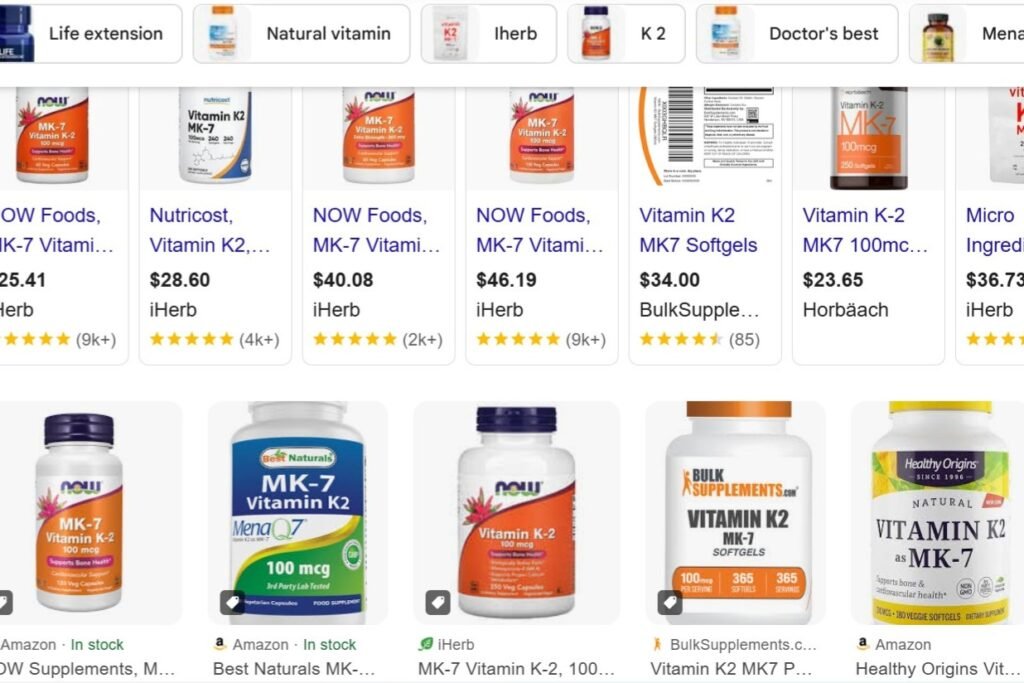
Now Foods MK-7 Vitamin K-2
100 mcg MK-7 from natto
Vegan, soy-free, non-GMO
60 Veg Capsules
🔗 View on iHerb
📜 Traditional Sources of K2 – What Did Our Ancestors Eat?
Organ meats and animal fats (MK-4)
Wild and pastured animals had much more K2 than today’s grain-fed livestock
Liver, bone marrow, eggs, and butter were dietary staples
Fermented foods (MK-7, MK-9)
Natto in Japan
Aged cheeses in Europe
Fermented fish and vegetables in many traditional cultures
Shellfish, fish eggs, and insects
Indigenous diets often included small, calcium-rich animals and eggs
Natural sources of K2 (MK-4 and MK-7)
Soil-based bacteria and gut flora (minor)
In natural, unsterile environments, beneficial bacteria provided trace K2
Modern lifestyles and antibiotic use reduce this benefit significantly
✅ Final Thoughts
If you’re living with arthritis, managing bone density, or taking calcium or vitamin D – you likely need more MK-7. Traditional diets provided this nutrient naturally. Modern ones rarely do.
Vitamin K2 (MK-7) is a simple, safe addition that can make your joint and bone protocol truly complete, particularly by reducing joint and soft tissue calcification, which is a major factor in long-term arthritis damage.