
Drinks for Health
Let’s look at drinks that are likely to cause damage and pain and which drinks are likely to help with health and healing.

List of beverages covered in this drinks page. loosely listed bad to best.
Dairy, Alcohol, Energy drinks, Soft drinks, Bone broth, Kombucha, Coffee, Tea, Plant milks, Juices, Smoothies, Herbal teas, Mineral water, Pure water, Hydration
Drinks with Dairy

Milk and dairy-based drinks like milkshakes, yogurt smoothies and protein shakes with whey & casein, have been repeatedly implicated in worsening inflammation in people with autoimmune arthritis. Research shows that dairy proteins can provoke immune responses that intensify joint pain and stiffness, while dairy fats contribute to gut barrier disruption. In fact, some of the strongest dietary trials demonstrating arthritis remission only succeeded when dairy was completely excluded during and after fasting protocols. These findings highlight dairy as a consistent aggravator of inflammation rather than a neutral food.
Casein and whey proteins – shown to provoke immune activation and increase joint inflammation.
Protein shakes – gym formulations based on whey & casein are highly inflammatory in autoimmune conditions.
Saturated fats in full-fat dairy – contribute to intestinal permeability (“leaky gut”), allowing inflammatory compounds into circulation.
Clinical trials – dairy consistently emerges as one of the major exclusion foods when remission is achieved through fasting and vegan refeed protocols.
Alcohol and Inflammation

Alcohol is one of the most consistently harmful drinks for people with inflammatory conditions. Even moderate intake has been shown to disrupt gut microbiota, impair immune function, and increase intestinal permeability, all of which feed into systemic inflammation and joint pain. Alcohol also generates oxidative stress in the body, contributes to long-term disease progression, and is classified as a carcinogen. Beer and wine can present additional problems due to biogenic amines and preservatives (such as sulfites, 220), which further irritate the gut and immune system. Importantly, alcohol is addictive, so it will require more effort to quit if regular use is established.
Oxidative stress and inflammation – alcohol metabolism generates free radicals, worsening pain and disease activity.
Gut and immune disruption – increases intestinal permeability and weakens immune responses.
Amines and preservatives – especially in wine and beer, can aggravate inflammation and gut symptoms.
Cancer risk – strong evidence shows there is no safe level of alcohol; any intake increases risk.
Addictive nature – regular use can quickly shift into dependency, making avoidance harder over time. More on the alcohol page.
Energy Drinks

Energy Drinks are among the most harmful beverages for inflammation and long-term health. They deliver extremely high doses of caffeine, often combined with sugar, artificial sweeteners, and synthetic additives. This combination overstimulates the nervous system, spikes blood sugar, and increases oxidative stress. Regular consumption can strain the gut, cardiovascular system, and immune balance, all of which are critical for inflammation management and general health.
Excess caffeine – raises cortisol and blood pressure; can disrupt sleep and recovery.
High sugar load – spikes blood glucose and inflammation.
Artificial sweeteners and additives – linked to gut microbiome disruption.
Oxidative stress – stimulants plus preservatives add to inflammatory burden.
Addiction risk – caffeine-sugar synergy encourages dependence.
Soft Drinks
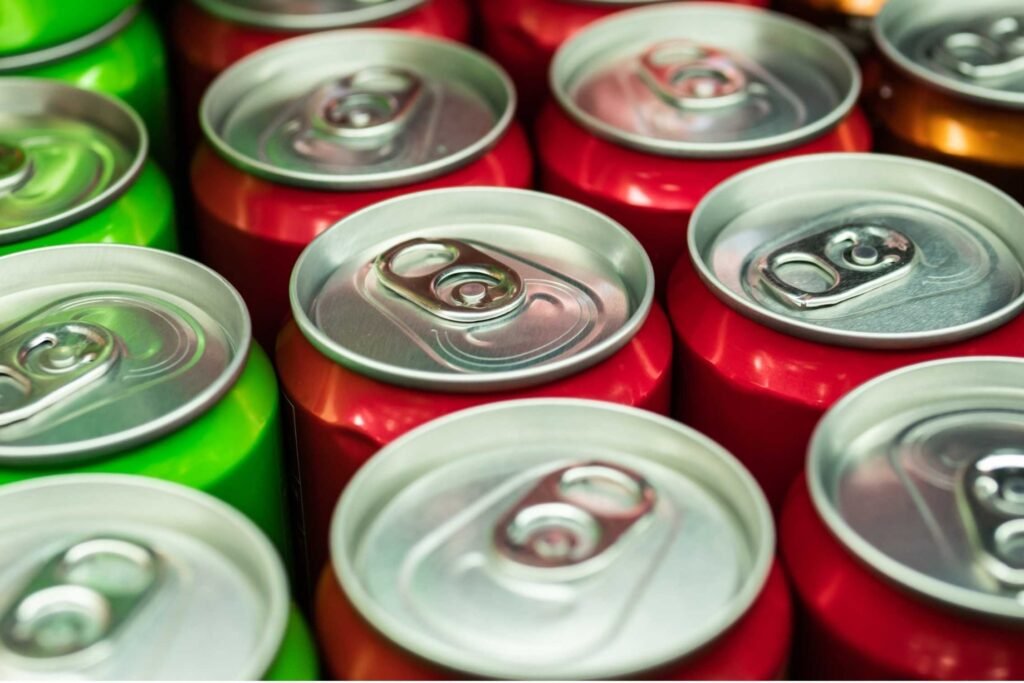
Soft Drinks and Colas are generally harmful to your health and exacerbate inflammatory conditions. A single can may contain more than 40grams of added sugar, driving blood sugar spikes, systemic inflammation, and increased risk of diabetes and weight gain. Colas add further problems, with phosphoric acid that erodes bone health, caffeine that stresses the nervous system, and artificial flavorings that burden the gut. Even “diet” or zero-sugar sodas are not safe alternatives, as artificial sweeteners can disrupt the microbiome and worsen metabolic health.
Excess sugar – fuels inflammation, insulin resistance, and weight gain.
Cola additives – phosphoric acid harms bone density; caffeine adds stress load.
Citric acid – common in soft drinks and supermarket juices; can cause reflux and gut irritation in sensitive people.
Artificial sweeteners – may disrupt gut flora and metabolism despite zero calories.
Oral health damage – acidity and sugar erode teeth, raising periodontal disease risk (linked with arthritis).
Bone Broth
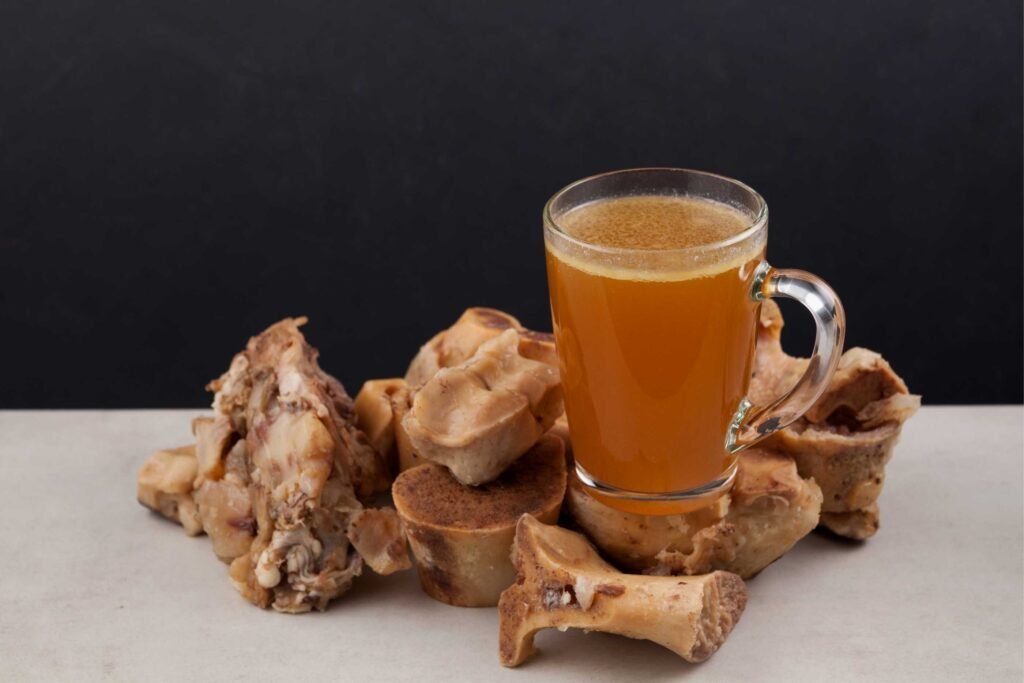
Popular claims that broth “heals leaky gut” or arthritis are misleading. Your body does not make collagen directly from collagen, it makes collagen from amino acids. You can get these same amino acids and minerals from a plant based diet. No need to eat collagen to make collagen. No high-quality human trials show bone broth repairs intestinal permeability or improves arthritis outcomes. Bone broth nutrient levels vary widely depending on ingredients and cooking methods, and some studies have flagged occasional heavy metal contamination (e.g., lead) as a potential concern especially in chicken broth.
By contrast, several clinical trials in rheumatoid arthritis report meaningful improvements with plant-based diets, especially when combined with fasting. There is no evidence that bone broth outperforms whole plant foods such as legumes and grains, which reliably provide the amino acids needed for collagen synthesis. From a science perspective, balanced plant foods can support tissue repair without the broth-specific downsides – including variable composition, occasional heavy metals, high sodium, High amines and the potential leakage of collagen peptides into circulation. See the Collagen Induced Arthritis page
Kombucha

Kombucha is a fermented tea made using a SCOBY (symbiotic culture of bacteria and yeast). The process produces organic acids, trace ethanol, and live microbes such as Acetobacter and Lactobacillus. Some small studies suggest kombucha may modestly shift the gut microbiome, support antioxidant activity, and lower markers of oxidative stress, but results are inconsistent and usually limited to animal models. Commercial kombucha varies widely, some brands pasteurize, which kills probiotic content, while others contain high sugar or added sweeteners. Originating in Northeast China over 2,000 years ago, it has become popular worldwide as a health drink, though scientific support for its benefits remains limited.
Potential drawbacks include bloating, diarrhoea, or reactions in individuals sensitive to biogenic amines (like histamine and tyramine), which can accumulate during fermentation. Evidence so far does not show a direct benefit for inflammatory arthritis or intestinal permeability, though kombucha may offer minor microbiome shifts of unclear significance. The variability between brands like live cultures versus pasteurized, sugar content, and added flavourings makes outcomes unpredictable. Given the uncertainties, it may be best to delay kombucha until symptoms are stable, then trial small amounts if desired, ideally choosing refrigerated, raw, unpasteurized versions.
Coffee

Coffee does contain antioxidants and in some studies has shown mild anti-inflammatory effects. However, compared to green tea, fruits, and spices, its antioxidant capacity is far lower. Coffee contains Caffein and catechol which are Mast Cell Liberators. Coffee is also high in dietary amines, which can trigger inflammation in sensitive individuals, and its diuretic effect may contribute to dehydration if consumed in excess. All these can cause issues.
While some people may tolerate coffee better than others, I would not recommend coffee (Especially with cow milk and sugar) to anyone with health concerns.
Additionally, coffee grounds (As well as milk and sugar) can support the growth of Klebsiella pneumoniae, a gut microbe linked in research to autoimmune arthritis such as ankylosing spondylitis. Excessive coffee intake may also increase anxiety and stress hormones, which can amplify inflammation and worsen symptoms. Choosing alternatives like green tea and antioxidant-rich berries offers a more supportive option for reducing inflammation and protecting long-term joint health. Coffee restricts blood flow to the brain. The withdrawal headache is the blood flowing back in excess. The headaches settle in just a couple of days and green tea helps moderate them.
Tea (Green and Black)
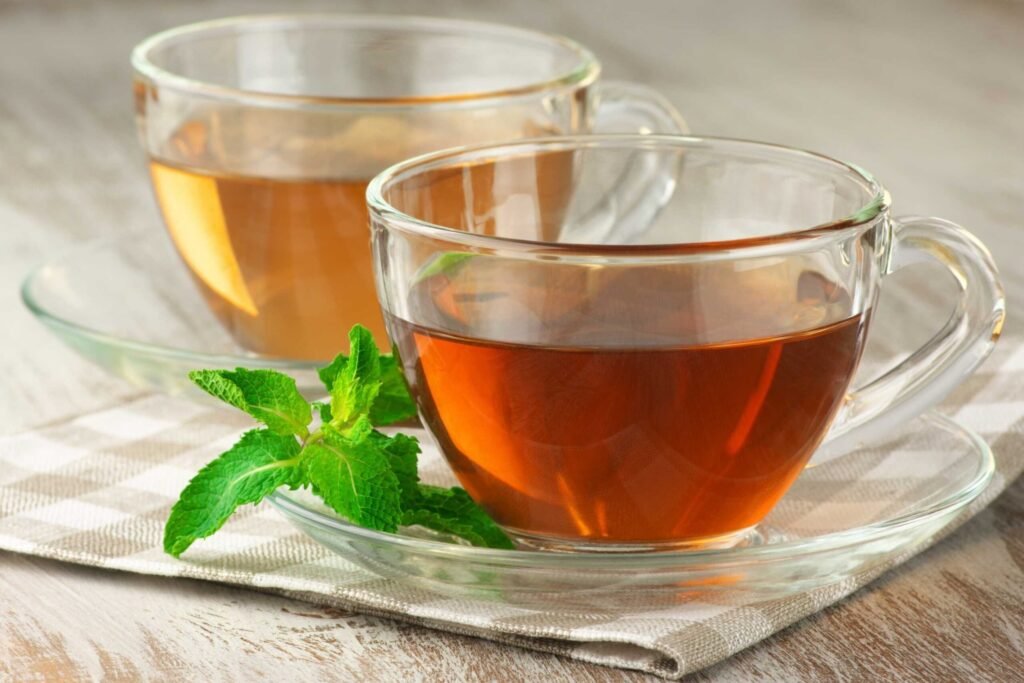
Green tea is rich in catechins, especially EGCG, which have well-documented antioxidant and anti-inflammatory properties. Research suggests green tea can help stabilise mast cells, support glutathione production, and encourage a healthier gut microbiome. Many studies link it with reduced oxidative stress and improved immune balance, making it a useful daily drink for those with inflammatory conditions. It does contain moderate caffeine, so it’s best consumed in the morning or early afternoon. Caffeine can reduce iron absorption, so you can use it to help modulate your plant based iron intake.
Black tea shares some of these benefits, offering theaflavins and thearubigins with antioxidant and mild anti-inflammatory effects, and it may also support cardiovascular health. While neither green nor black tea is particularly high in biogenic amines, black tea can contain 5–10 times more than green due to its fermentation process, which may matter for very sensitive individuals. Black tea also has a higher caffeine content, which may affect sleep or anxiety if taken in excess, though moderate use in the morning or midday is generally well tolerated. See Teas page.
Plant Milks
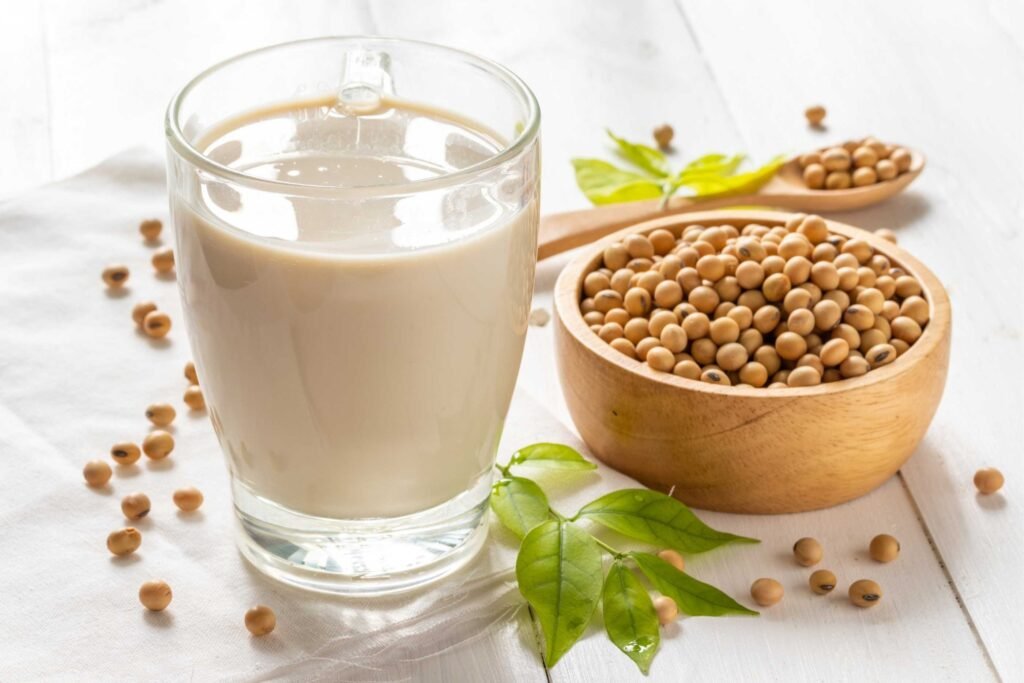
Plant milks (soy, almond, oat, rice, etc.) are mostly water with added calcium, vitamins, seed oils, stabilisers and emulsifiers, sugars, and flavourings. Their health impact depends heavily on formulation. Some contain emulsifiers such as polysorbate-80 or the controversial carrageenan, which have been linked to microbiome disruption and increased intestinal permeability. Others use gentler stabilisers (like certain vegetable gums) that may be neutral or even supportive for gut health. Plant milks are best seen as a processed convenience food.
For inflammatory arthritis, the main advantage of plant milks is avoiding dairy downsides, like proteins (casein & whey). Plant milks can also be a moderate source of calcium, and phycological replacements, but their benefits stop there – positives depend on choosing the cleanest formulations: unsweetened, organic, calcium-fortified, and free from problem emulsifiers or excess oils. Otherwise, they are essentially expensive, processed, flavoured water and often less supportive than simply relying on whole foods like grains, seeds, beans, nuts, oats, and leafy greens.
Fresh Juices
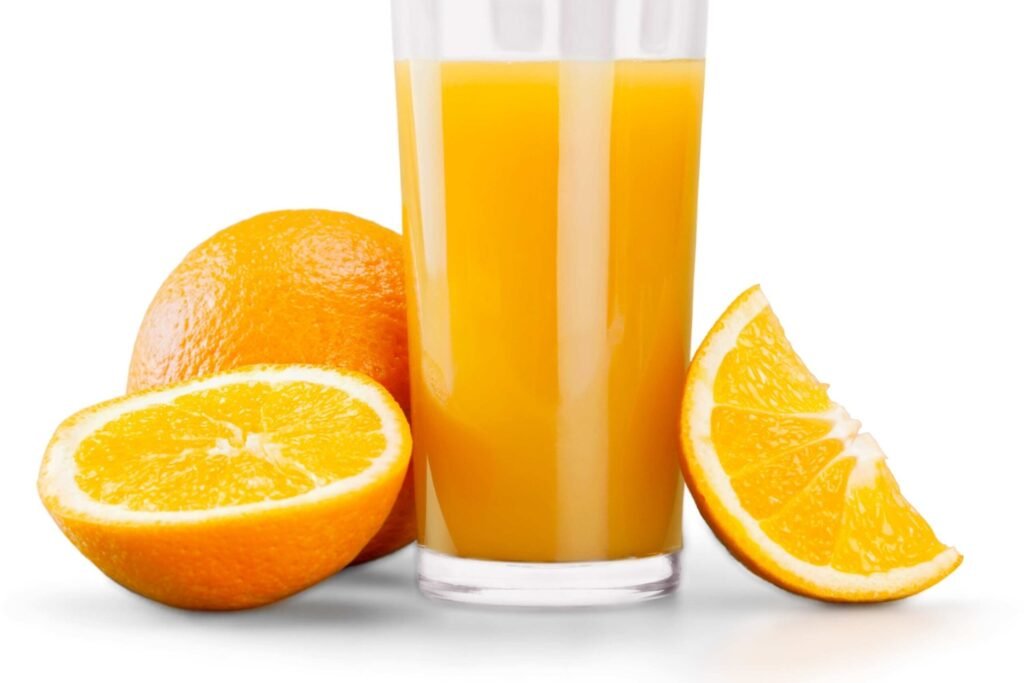
Fruit and vegetable juices provide concentrated vitamins, antioxidants, and hydration, but when stripped of fiber they can cause rapid blood sugar spikes and deliver large fructose loads. Epidemiological studies link regular juice intake with increased risk of type 2 diabetes and gout, and in large cohorts sugar-sweetened drinks (including some juices) have also been tied to higher rheumatoid arthritis risk. Some juices, like pomegranate and orange, do contain polyphenols and vitamin C, and small clinical trials show modest anti-inflammatory signals, but the benefits are limited when weighed against the metabolic downsides.
Commercial juices add further concerns: many contain added sugar, and even products marketed as “100% juice” often still include citric acid and preservatives such as sodium benzoate or potassium sorbate. Free sugars without fiber give juices a high glycemic index compared to the whole fruit. Vegetable-based juices are lower in sugar and sometimes provide nitrate-driven cardiovascular benefits, but they still lack the natural fiber matrix that protects against glucose spikes and supports the microbiome. Diluting juice, for example, 10% juice with 90% sparkling mineral water, can make a lighter and more gut-friendly treat.
Smoothies
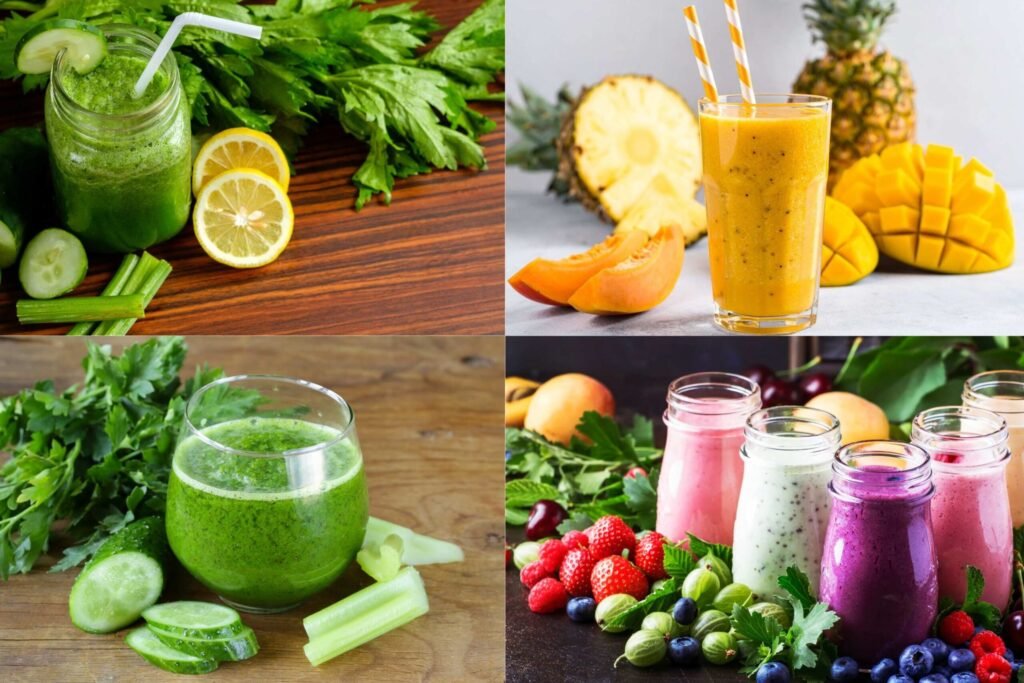
Smoothies made from whole, organic fruits and vegetables can be a genuinely healthy treat. Unlike juices, they retain natural fiber, which slows sugar absorption, reduces glucose spikes, and nourishes the gut microbiome. They’re also a practical way to combine nutrient-dense foods. Oats blended with berries and a splash of orange juice, for instance, deliver vitamin C to enhance iron absorption, antioxidants, and steady-release energy in one glass. Smoothies built around vegetables with a little fruit for sweetness provide a broad spectrum of polyphenols, minerals, and anti-inflammatory compounds while keeping digestion balanced.
The main cautions are excess sugars and added fats or dairy. Consuming too much sweet fruits or seeds can tip smoothies into a metabolic burden and skew the omega-3 to omega-6 balance. If seeds are included, it’s best to stick to small amounts of flax or chia for their omega-3 content. Avoid processed protein powders (especially with dairy like whey and casein) and other additives; whole foods alone provide the greatest benefit. At their best, smoothies are simple blends of fruits, vegetables, and occasionally oats, a dash of seeds or a squeeze of citrus. Smoothies are a nutrient synergy in a form that digests steadily, supports gut health, and helps lower inflammation.
Herbal Teas

Apart from the well-documented benefits of green tea, a wide range of herbal teas provide anti-inflammatory, antioxidant, and digestive support. Chamomile, peppermint, ginger, turmeric, rooibos, rosehip, hibiscus, and pomegranate husk teas all offer unique phytochemicals that can calm inflammation, protect against oxidative stress, or support the gut. Many are naturally caffeine-free, making them versatile throughout the day, while ginger and turmeric have been studied for easing pain and stiffness in arthritis.
Organic loose-leaf teas are generally best to reduce pesticide residues and avoid microplastics from conventional bags. Certain blends enhance absorption of beneficial compounds (e.g., turmeric with black pepper, rosehip with vitamin C), while others have situational uses – chamomile in the evening for relaxation and sleep, peppermint after meals to ease digestion, or ginger for warmth and circulation. Though some carry cautions (e.g., turmeric’s salicylates), herbal teas overall represent a soothing, low-risk way to diversify antioxidants and bioactives in the diet. Teas Page
Mineral Water

Sparkling mineral water provides hydration with a pleasant fizz and, unlike soda water, naturally contains minerals such as calcium, magnesium, and bicarbonate from the spring source. These minerals can make a small contribution to daily intake and may help buffer acidity, giving mineral water a slight nutritional edge. It is mildly acidic due to carbonation, but studies show its effect on tooth enamel is minimal compared to sugary soft drinks. Choosing glass bottles helps avoid microplastic leaching, although most bottled waters still comply with safety standards when sold in plastic.
By contrast, soda water is simply purified water with carbon dioxide and added salts to mimic mineral taste, without the same natural mineral diversity. Both Mineral water and Soda water are healthier choices than sugary soft drinks or juices, but mineral water offers the additional benefit of naturally occurring minerals. For people with arthritis, it is a neutral beverage choice – refreshing, sugar-free, and supportive of hydration. Add a splash of fresh juice for added flavour (No more than a few drops of lemon juice or you might experience damage to your teeth enamel.)
Pure Water

Pure water is the cleanest and safest foundation for hydration. Tap water quality varies widely by region and may contain chlorine, fluoride, heavy metals, pesticide residues, or microplastics. For people with inflammatory arthritis or gut issues, these contaminants can place added stress on the microbiome and detox pathways. Activated carbon filters help with chlorine and organic residues, but not fluoride; for full purification, reverse osmosis or distillation is the most reliable approach. Note though that these processes remove minerals you may need.
Bottled water is convenient but comes with its own concerns: plastic packaging may leach trace chemicals, particularly when exposed to heat or stored for long periods. Glass-bottled or filtered-at-home options avoid this problem. At its best, pure water is free from additives, toxins, and processing – providing the simplest, most reliable way to hydrate without interfering with gut or immune function. Having clean fresh water always on hand, increases consumption and hydration, leading to reduced stress and inflammation.
Hydration

Studies suggest that up to 75% of people may be chronically dehydrated – often without realizing it. Even mild dehydration can weaken the gut’s mucosal lining, increasing intestinal permeability (“leaky gut”) and driving systemic inflammation. Research also shows that inadequate water intake reduces microbiome diversity, allows pro-inflammatory strains to flourish, and raises oxidative stress – all key drivers of arthritis flares. Proper hydration supports the gut barrier, lymphatic flow, detox pathways, and nutrient transport essential for repair and recovery.
Consistent water intake also supports joint and metabolic health. Adequate hydration maintains cartilage lubrication, stabilizes circulation, and helps clear inflammatory by-products. Dehydration has been linked to elevated cytokines (IL-6 & TNF-α), increased oxidative stress, and impaired joint repair cycles. For people with inflammatory arthritis, hydration is more than a lifestyle tip, it is a science-backed foundation for reducing inflammatory load and supporting resilience. Clean, filtered water consumed regularly throughout the day remains one of the simplest steps you can take for your health. More on the hydration page.
List of beverages covered in this Drinks page above. (Generally listed bad to best)
Dairy, Alcohol, Energy drinks, Soft drinks, Bone broth, Kombucha, Coffee, Tea, Plant milks, Juices, Smoothies, Herbal teas, Mineral water, Pure water, Hydration
References – Drinks, Inflammation & Arthritis
1. Dairy, Casein/Whey & Inflammatory Arthritis
- Hafström I, et al. A vegan diet free of gluten improves signs and symptoms of rheumatoid arthritis. Arthritis Research & Therapy. 2001;3(1):R34–R39.
- Kjeldsen-Kragh J, et al. Controlled trial of fasting and vegetarian diet in rheumatoid arthritis. Lancet. 1991;338(8772):899–902.
- Buttar HS, et al. Dairy proteins and immune-mediated diseases. Journal of Food Science and Technology. 2018;55(11):4295–4303.
- Devkota S, et al. Dietary-fat-induced gut dysbiosis promotes intestinal inflammation. Nature. 2012;487(7405):104–108.
2. Alcohol, Oxidative Stress & Cancer Risk
- Seitz HK, Stickel F. Molecular mechanisms of alcohol-mediated carcinogenesis. Nature Reviews Cancer. 2007;7(8):599–612.
- Szabo G, Saha B. Alcohol’s effect on host defense. Alcohol Research. 2015;37(2):159–170.
- Baliunas DO, et al. Alcohol consumption and risk of rheumatoid arthritis. Annals of the Rheumatic Diseases. 2009;68(8):1289–1293.
- World Health Organization. No safe level of alcohol consumption for health. The Lancet Public Health. 2018;3(2):e71.
3. Energy Drinks, Caffeine & Metabolic Stress
- Higgins JP, et al. Energy drinks: cardiovascular and metabolic risks. Mayo Clinic Proceedings. 2010;85(11):1033–1041.
- Shah SA, et al. Impact of high-volume energy drink consumption on cardiovascular parameters. Journal of the American Heart Association. 2019;8(11):e011318.
- Malik VS, et al. Sugar-sweetened beverages and risk of metabolic syndrome and type 2 diabetes. Diabetes Care. 2010;33(11):2477–2483.
4. Soft Drinks, Sugar & Gut Dysbiosis
- Hu FB. Resolved: there is sufficient evidence that decreasing sugar-sweetened beverage consumption reduces obesity and obesity-related diseases. Obesity Reviews. 2013;14(8):606–619.
- Choi HK, et al. Fructose-rich beverages and risk of gout in women. JAMA. 2010;304(20):2270–2278.
- De Koning L, et al. Sweetened beverage consumption and incident coronary heart disease. Circulation. 2012;125(14):1735–1741.
- Suez J, et al. Artificial sweeteners induce glucose intolerance by altering the gut microbiota. Nature. 2014;514(7521):181–186.
5. Bone Broth, Collagen & Arthritis Claims
- Oesser S, et al. Oral administration of collagen peptides and cartilage metabolism. Current Medical Research and Opinion. 2008;24(5):1485–1496.
- Guillerminet F, et al. Hydrolyzed collagen improves bone metabolism in osteopenic mice. Journal of Nutritional Biochemistry. 2010;21(7):653–658.
- Monro JA, et al. Lead content in bone broth preparations. Medical Hypotheses. 2013;80(4):389–390.
- Kjeldsen-Kragh J, et al. Fasting followed by plant-based diet improves rheumatoid arthritis. Lancet. 1991;338:899–902.
6. Coffee, Caffeine & Autoimmune Disease
- Lopez-Garcia E, et al. Coffee consumption and inflammatory markers. American Journal of Clinical Nutrition. 2006;84(4):888–893.
- Mikuls TR, et al. Coffee, tea, and caffeine consumption and risk of rheumatoid arthritis. Arthritis & Rheumatism. 2002;46(1):83–91.
- Maeda Y, Takeda K. Role of gut microbiota in rheumatoid arthritis. Journal of Clinical Medicine. 2017;6(6):60.
7. Green Tea Catechins & Anti-inflammatory Effects
- Singh R, et al. Green tea polyphenol epigallocatechin-3-gallate in arthritis models. Arthritis Research & Therapy. 2010;12(4):R154.
- Yang CS, et al. Cancer prevention by tea: animal studies. Pharmacological Research. 2011;64(2):113–122.
- Serafini M, et al. Black tea polyphenols and cardiovascular protection. Journal of Nutrition. 2011;141(6):1237S–1241S.
8. Emulsifiers, Microbiome & Intestinal Permeability
- Chassaing B, et al. Dietary emulsifiers impact gut microbiota promoting colitis and metabolic syndrome. Nature. 2015;519(7541):92–96.
- Viennois E, et al. Dietary emulsifier-induced low-grade inflammation. Cancer Research. 2017;77(1):27–40.
9. Fruit Juice, Glycaemia & Rheumatoid Arthritis Risk
- Hu Y, et al. Sugar-sweetened beverages and risk of rheumatoid arthritis in women. American Journal of Clinical Nutrition. 2014;100(3):959–967.
- Muraki I, et al. Fruit consumption and risk of type 2 diabetes. BMJ. 2013;347:f5001.
- Aviram M, et al. Pomegranate juice consumption reduces oxidative stress. American Journal of Clinical Nutrition. 2000;71(5):1062–1076.
10. Herbal Teas, Polyphenols & Pain Reduction
- Daily JW, et al. Efficacy of turmeric extracts and curcumin for arthritis. Journal of Medicinal Food. 2016;19(8):717–729.
- Chrubasik S, et al. Effectiveness of rosehip powder in osteoarthritis. Phytomedicine. 2008;15(11):1000–1008.
- McKay DL, Blumberg JB. Hibiscus sabdariffa and cardiometabolic health. Phytomedicine. 2007;14(4):253–262.
11. Hydration, Gut Barrier & Inflammation
- Popkin BM, D’Anci KE, Rosenberg IH. Water, hydration and health. Nutrition Reviews. 2010;68(8):439–458.
- Turner JR. Intestinal mucosal barrier function in health and disease. Nature Reviews Immunology. 2009;9(11):799–809.
- Mateen S, et al. Increased oxidative stress in rheumatoid arthritis. PLOS ONE. 2016;11(4):e0152925.