
Curcumin and Turmeric
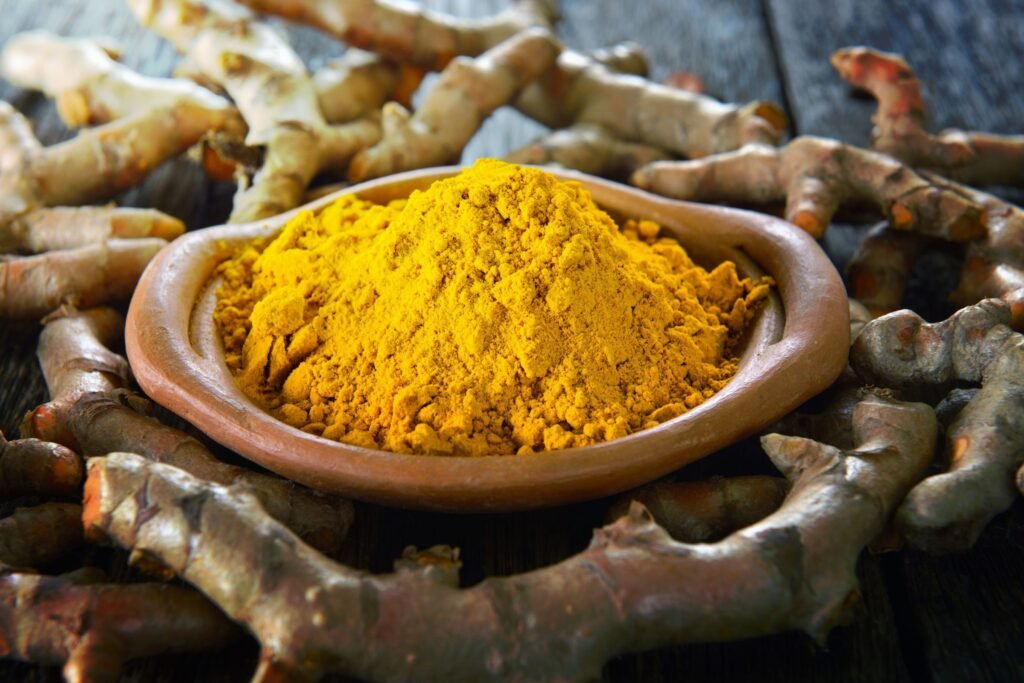
Curcumin – Key Points
Curcumin is the primary active compound in turmeric and one of the most extensively studied natural anti-inflammatory agents.
Clinical trials show benefits across osteoarthritis, inflammatory arthritis (RA, PsA, A.S.), and some gut-related inflammatory conditions.
Curcumin reduces inflammation by inhibiting NF-κB and lowering markers such as TNF-α, IL-6, and CRP.
It provides antioxidant protection, helping protect cartilage, connective tissue, and cellular health.
Curcumin supports gut integrity and may reduce intestinal permeability without harming the gut or oral microbiome.
Evidence suggests curcumin can reduce pain and stiffness comparably to low-dose N SAIDs, with fewer side effects.
Standard supplemental doses range from 500 to 1000 mg per day of a concentrated extract; food turmeric has milder effects.
Absorption is improved when taken with fat or enhanced formulations (e.g. piperine, phytosome, liposomal forms).
Curcumin is generally well tolerated, though caution is advised with blood thinners, gallbladder conditions, or very high doses.
Benefits are often enhanced when combined with omega-3s, ginger, magnesium, or vitamin D.
Curcumin for Arthritis and General Health
Curcumin, the primary active compound in turmeric (Curcuma longa), is one of the most extensively studied natural anti-inflammatory agents, offering significant benefits for managing various forms of arthritis – including osteoarthritis (OA), inflammatory arthritis (e.g., rheumatoid arthritis [RA], psoriatic arthritis [PsA]), and ankylosing spondylitis (A.S.) – as well as inflammatory bowel disease such as Crohn’s disease and ulcerative colitis. It may also support symptom management in functional gut conditions like irritable bowel syndrome (IBS). With a deep-rooted history in traditional Ayurvedic and Chinese medicine, curcumin’s therapeutic potential is now backed by robust modern clinical research.
Mechanisms of Action: How Curcumin Reduces Inflammation and Supports Health
Curcumin’s potent effects derive from its bioactive curcuminoids, which influence multiple pathways to combat inflammation and enhance well-being:
- Inhibition of NF-κB Pathway: Curcumin blocks nuclear factor-kappa B (NF-κB), a central regulator of inflammation, reducing pro-inflammatory gene expression in OA, RA, and A.S..
- Suppression of Pro-Inflammatory Cytokines: It lowers tumor necrosis factor-alpha (TNF-α), interleukin-6 (IL-6), and C-reactive protein (CRP), key contributors to joint swelling, back stiffness, and systemic inflammation.
- Antioxidant Protection: Curcumin neutralizes free radicals, safeguarding cartilage in OA, reducing oxidative stress in inflammatory arthritis, and supporting cellular health.
- Gut Health Enhancement: Evidence indicates curcumin strengthens the intestinal lining, modulates gut microbiota, and reduces gut permeability, benefiting IBS and autoimmune arthritis linked to leaky gut, with no negative effects on the gut or oral microbiome reported.
- Mast Cell Relation: Curcumin suppresses mast cell activation, reducing histamine and cytokine release (e.g., TNF-α), as shown in allergy studies, acting as a moderate suppressor without activation effects.
- Pain Modulation and Tissue Support: Curcumin may influence pain pathways and aid connective tissue repair, supporting joint and spinal comfort.
Clinical Evidence: Human Trials and Meta-Analyses
A substantial body of double-blind, placebo-controlled trials and meta-analyses supports curcumin’s efficacy across arthritis types and general health:
- A 2016 study (Phytotherapy Research, N=100) found 500 mg/day of curcumin with piperine matched diclofenac for RA pain relief over 8 weeks, with fewer side effects.
- A 2019 meta-analysis (Journal of Medicinal Food) reviewed 10 RCTs (700+ participants) and confirmed curcumin (500–1000 mg/day) significantly reduced OA pain and stiffness, outperforming placebo.
- For Ankylosing Spondylitis (A.S.), a 2017 pilot study (Clinical Rheumatology, N=50) showed 1000 mg/day improved spinal mobility and reduced CRP in 12 weeks.
- In Psoriatic Arthritis (PsA), a 2020 trial (Inflammation, N=60) reported reduced joint swelling with 750 mg/day over 6 weeks.
- For general health, a 2018 study (Antioxidants, N=80) linked 500 mg/day to improved antioxidant status and lipid profiles in healthy adults.
Benefits of Curcumin for Arthritis and General Health
- Reduces joint and back pain and stiffness
- Alleviates swelling and redness in arthritic joints
- Supports cartilage health in OA and spinal flexibility
- Modulates immune overactivation in inflammatory arthritis
- Decreases systemic inflammation (CRP, TNF-α, IL-6)
- May lessen reliance on N SAIDs with a safer profile
- Enhances digestion and gut integrity for overall health
- Boosts antioxidant defence and cellular protection
Dosage Guidelines and Supplement Forms
Clinical studies utilize standardized curcumin extracts or turmeric, with dosing tailored to specific conditions and general wellness:
- Typical Dosages: 500–1000 mg/day of standardized curcumin extract (95% curcuminoids). 1–2 tbsp (6–12 g) of turmeric powder daily for mild effects. For mild OA or back pain: 500 mg twice daily. For inflammatory arthritis or A.S.: Up to 1,000 mg/day, split into 2 doses. For general health: 500 mg/day.
- Forms: Capsules (e.g., 500 mg extract with piperine), turmeric powder (in food), or enhanced forms (phytosome, micronized, liposomal).
- Absorption Tip: Take with a meal containing a teaspoon of olive oil or algae oil – these healthy fat options enhance bioavailability of curcuminoids safely, avoiding potential allergens.
Safety and Side Effects
Curcumin is generally safe with rare, mild side effects, suitable for long-term use with oversight:
- Reported Reactions: Occasional diarrhea, nausea, or mild stomach upset (affecting ~5 to 10% of users). Rare yellowing of skin or stools at high doses.
- Cautions: May interact with blood thinners (e.g., warfarin) or bile-related conditions (e.g., gallstones); consult a healthcare provider. Avoid high doses (greater than 2000 mg/day) during pregnancy due to insufficient safety data. Monitor if on diabetes medication, as curcumin may lower blood sugar.
- Mast Cell Relation: Curcumin suppresses mast cell activation, reducing histamine and cytokine release, acting as a moderate suppressor without activation effects.
- Amine and Salicylate Content: Curcumin is low in amines (minimal histamine or tyramine) and moderate in salicylates (3 to 5 mg per 100g turmeric), suitable for most but may trigger sensitivities in high-salicylate-intolerant individuals; use moderate doses if testing tolerance.
Curcumin Compared to N SAIDs
Curcumin provides pain relief comparable to low-dose N SAIDs (e.g., ibuprofen 400 mg) in OA, RA, and A.S. trials (e.g., Phytotherapy Research, 2016), without the gastric lining damage, bleeding risk, or cardiovascular concerns of prolonged N SAID use. Its gut-healing properties add a unique advantage.
Stacking and Synergy
Curcumin enhances effects when combined with other supplements:
- Ginger: Amplifies COX-2 and cytokine inhibition for joint and back health.
- Omega-3s: Boosts systemic anti-inflammatory action and overall wellness.
- Magnesium: Supports muscle relaxation and spinal comfort.
- Vitamin D: Enhances immune regulation alongside curcumin’s benefits.
Conclusion
Curcumin (Curcuma longa) is a scientifically supported, safe, and multi-faceted anti-inflammatory supplement ideal for managing arthritis – whether OA, inflammatory types, or back pain – and promoting general health. By targeting key inflammatory pathways, supporting gut integrity, and reducing joint and spinal discomfort, it serves as a potent natural alternative or complement to pharmaceuticals. Consistent use of standardized forms over 4–12 weeks is typically needed to achieve optimal results, making it a valuable addition to your health regimen.