
Lifestyle factors & Inflammation
Managing arthritis and other inflammatory diseases is about lowering the total inflammatory load. The foods you eat, the chemicals you absorb, the thoughts you think, how you sleep, move, and manage stress all affect oxidative stress and immune function. This page will give you science-backed information – to get inflammation under control, reduce pain, protect your joints and minimise inflammatory diseases.
Diet and Nutrition
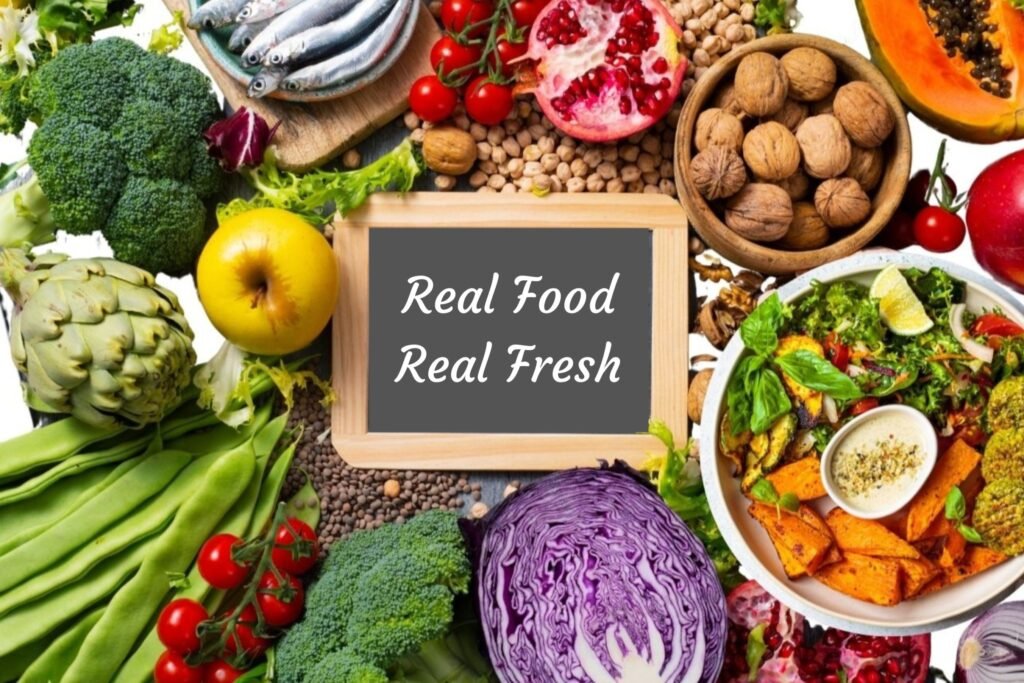
What you eat drives inflammation, or healing.
The gastrointestinal tract must be repaired for long-term recovery.
- You need the right nutrients, and to cut out triggers.
- It is not at all easy to know what to eat without understanding the science and having a guide.
- Diet is by far the most important factor in managing inflammation naturally.
I’ll say it again, Diet is by far the main factor in managing inflammation naturally. Maybe 65% of your healing progress will come from changing what you eat and absorb. It’s not just about adding the right nutrients, it’s also about removing the foods, chemicals, proteins and bacteria feeding inflammation. The path isn’t easy to follow without a guide, there is much confusion, but the results, when done right, can be life-changing. It has been for me and thousands of others.
Read more on the Diet Pages
Oral Health & Inflammation
Chronic gum disease is strongly linked to rheumatoid arthritis and inflammatory disease via shared immune pathways.
Oral pathogens like Porphyromonas gingivalis promote immune misdirection and joint inflammation.
Supporting oral microbiome balance, not just killing bacteria, is critical for long-term health.
- Additionally, poor oral health is associated with increased risk of other diseases like cardiovascular disease through systemic inflammation and vascular effects.
Even mild gum infection can do more than cause bleeding or bad breath – it can actively fuel joint inflammation and autoimmune reactions. People with rheumatoid arthritis and other inflammatory joint conditions are far more likely to have advanced periodontal disease, and treating gum inflammation often leads to lower CRP and ESR levels, reduced pain, and fewer flares.
Supporting a healthy oral microbiome is an often overlooked, but essential pillar of inflammatory disease recovery.
More on Oral Health. (Premium Member content)
Microbiome & Disease

Healthy microbiota supports immune balance and gut barrier function.
- Many factors can contribute to microbiome imbalance – known as dysbiosis.
Dysbiosis promotes intestinal permeability, immune dysfunction and chronic inflammation.
Autoimmunity and arthritis develop in genetically predisposed individuals following microbiome disruption.
- You can actively change your health trajectory by managing how lifestyle factors are effecting your microbiome.
The gastrointestinal and oral microbiota play a critical role in regulating the immune system, metabolism, and mucosal integrity. In a healthy state, microbial diversity and symbiosis help maintain the intestinal barrier and promote systemic immune tolerance. Conversely, dysbiosis – an imbalance in the gut microbiome, disrupts immune homeostasis, leading to chronic inflammation and triggering autoimmune processes and inflammatory disease in genetically susceptible individuals.
More on the Microbiome.
🏃♂️ Exercise & Inflammation

- Exercise reduces inflammation and stiffness by improving circulation and lymphatic flow.
- Exercise strengthens muscles and stabilises joints, helping protect against further damage.
- Exercise supports gut health, sleep, and mood, improving overall resilience and recovery.
- Exercise decreases long-term health risks like heart disease, diabetes, and depression.
- However, extreme exercise can cause your body stress and inflammation.
Exercise might be the last thing you feel like doing when your joints are stiff or painful, but it’s one of the most powerful tools for managing inflammatory arthritis. Far from causing harm, moderate movement generally reduces pain, improves mobility, supports detoxification, and helps control inflammation. The key is to lower the inflammation first and then, consistently enjoy moderate exercise in your daily life in ways that support your health, There is much more ideas for different circumstances on the Exercise page.
Oxidative Stress & Disease
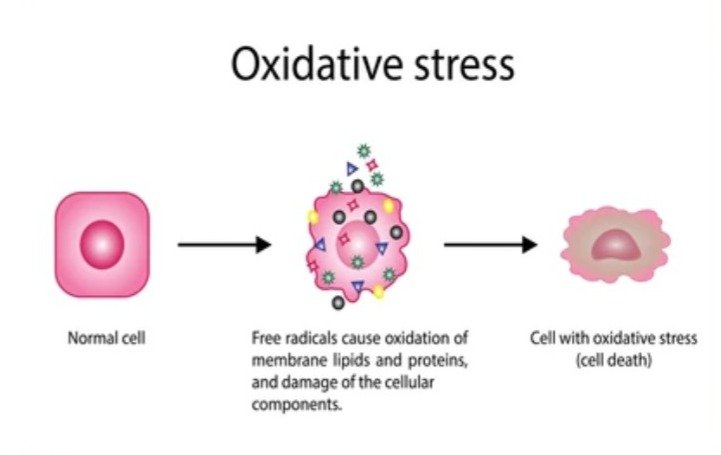
Oxidative stress fuels inflammation and harms nearly every system in the body, and for many people, the joints are where it shows up first.
So take inflammation as a serious request from your body to make changes to your diet and lifestyle in general.
Removing excess oxidative stressors and supporting your body’s antioxidant defences will make a real difference to your health and happiness.
Oxidative stress is a significant driver of inflammation, joint damage in arthritis and cell damage in general. Strengthening both endogenous (enzyme-based) and dietary antioxidant systems is vital to protect cells, support repair, and reduce disease progression. While medications help manage symptoms, focusing on nutrition, removing triggers and improving lifestyle factors, empowers long-term healing and disease prevention.
Read more about oxidative stress. What it is, and why it is important to keep under control.
Oxidative Stressors
Each of these oxidative stressors below contributes to arthritis and disease via increased inflammation, immune dysfunction, or mitochondrial damage.
Smoking and vaping 🚬

Smoking and vaping increases:
- Oxidative stress
- Inflammation
- Immune dysregulation
- Autoimmune diseases
- Arthritis
- Cancer and
- Heart disease
Smoking and vaping significantly increases oxidative stress, inflammation, and immune dysregulation, making them major modifiable risk factors for rheumatoid arthritis, psoriatic arthritis, A.S., Crohn’s, heart disease and other inflammatory conditions. Strengthening your antioxidant defences early and quitting tobacco or nicotine use will make a real difference in preserving joint health, slowing disease progression in general, and optimizing overall well-being.
More ->
⚖️ Excess Weight

- Fat tissue releases inflammatory chemicals that fuel arthritis and disease.
Overweight people often experience more pain and disease severity.
Even modest weight loss reduces key inflammation markers like CRP.
Time-restricted eating and fasting can help reset immune balance.
Excess body fat is a powerful, yet often neglected driver of chronic inflammation and disease. Fat, especially around the organs, acts like an inflammatory organ itself, releasing chemicals that fuel arthritis, pain, immune dysfunction and various diseases. Reducing body fat can significantly lower inflammation, improve mobility, and enhance medication response.
The easiest way to lose weight for me has been fasting. I recently did a 7 day water and minerals only fast and found it surprisingly easy. I also seldom eat before midday.
More ->
😴 Poor Sleep & Health

Poor sleep raises inflammatory markers like CRP and IL‑6, worsening arthritis, back pain and other conditions.
Sleep deprivation lowers pain threshold and amplifies discomfort.
Stable circadian rhythm supports immune regulation and tissue repair.
Consistently getting 7 to 9 hours of quality sleep boosts healing and resilience.
- Easier said than done when you are in pain. But once your inflammation and pain are under control, you can prioritize sleep as an additional tool to prevent relapse.
Poor sleep is one of the most potent and underappreciated drivers of inflammation and pain in arthritis. When sleep is disrupted by pain, anxiety and immune activation, the body enters a cycle where more inflammation leads to worse sleep, and vice versa. Prioritizing restorative, consistent sleep is a powerful and enjoyable lifestyle adjustment you can make to support healing, reduce flares, and improve mental clarity.
More ->
😰 Chronic Stress & Leaky Gut

Public speaking is known to significantly increase intestinal permeability within hours!
Academic stress is associated with measurable reductions in gut microbiome diversity in students, reflecting stress-related dysbiosis during high-pressure periods like exams.
The stress from pain, fear and frustration of having inflammatory arthritis or other inflammatory diseases, can promote a vicious cycle of stress and pain.
Stress doesn’t just affect your mind, it alters the microbiome and weakens the gut barrier. Stress hormones like cortisol can reduce the production of secretory IgA (a protective gut antibody), delay intestinal repair, and shift microbial populations toward more harmful strains. Corticotropin-releasing hormone, triggered by stress activates mast cells which releases Histamine, tryptase and cytokines which disrupt the tight junctions in the gut.
More on chronic stress
💊 Medication Overload

- Antibiotics reduce microbial diversity, allowing inflammatory species to dominate.
Nonsteroidal anti-inflammatory drugs (N-SAIDs) damage the gut lining and increase intestinal permeability.
Proton Pump Inhibitors (PPIs) alter stomach pH and promote microbial imbalance and small intestinal overgrowth.
- Both N-SAIDs and PPIs contribute to oxidative stress.
Antibiotics, N-SAIDs, and proton pump inhibitors (PPIs) can disrupt the microbiome, impair mucosal immunity, and weaken the integrity of both intestinal and oral epithelial barriers. This can lead to increased permeability (“leaky gut” and “leaky gums”), allowing microbial fragments, food antigens, and toxins to enter the bloodstream, where they can trigger or worsen systemic inflammation. Over time, this can continue to exacerbate autoimmune activity, inflammation, disease activity, joint pain and other symptoms. More ->
☣️ Toxins and Chemicals

- Pesticides and herbicides can disrupt gut microbes and trigger immune reactivity.
Plastics (BPA, phthalates) act as hormone disruptors and increase oxidative load.
Heavy metals like mercury and lead impair detox enzymes and promote inflammation.
- Volatile organic compounds (VOCs) from paints, cleaners and fragrances also can cause added oxidative stress.
Everyday exposure to environmental toxins and synthetic chemicals can place a extra oxidative burden on the body, especially important to people with inflammatory disease. Pesticides, plastics, solvents, heavy metals, and airborne pollutants generate free radicals that drive oxidative stress, a key factor in chronic inflammation and tissue damage. Over time, this can worsen joint symptoms, impair detoxification, and place added strain on the immune system.
🍷 Alcohol & Inflammation

Alcohol increases oxidative stress, inflammation, disease and pain.
Beer and wine can also present amine and preservative issues.
Even low levels of alcohol consumption are associated with an increased risk of cancer, with risk rising as intake increases.
Moderate alcohol consumption disrupts gut microbiota and impairs immune responses, increasing intestinal permeability and systemic inflammation. These effects can worsen arthritis and other autoimmune conditions. Studies also link alcohol intake to a higher risk of certain cancers, with evidence suggesting there is no completely safe level of consumption. Therefore, minimizing or avoiding alcohol is advisable for maintaining gut health and reducing inflammation. More->
Other Habits That Support Healing and Lower Inflammation
🌞 Sunlight & Vitamin D

Higher vitamin D levels are linked to lower disease activity in RA, A.S., and PsA.
Up to 80% of people with inflammatory arthritis have low vitamin D levels.
Vitamin D3 helps reduce inflammation, joint pain, and immune reactivity.
Vitamin D supports calcium absorption, while vitamin K2 helps guide calcium into bones – important for skeletal and joint health.
Vitamin D3 modulates the gut microbiome and helps strengthen the gut lining.
Vitamin D3 is a very important, but often overlooked – component in managing inflammatory arthritis and autoimmune disease. Studies show that low vitamin D is common in rheumatoid arthritis, ankylosing spondylitis, and related conditions, and is linked with higher pain, inflammation, and disease severity. Optimizing vitamin D through safe sun exposure and targeted supplementation may help restore immune balance, improve mobility, and support long-term healing. On the flip side TNF blocking medication can make you more prone to skin cancer. So take care.
More ->
🔥 Fasting & Remission
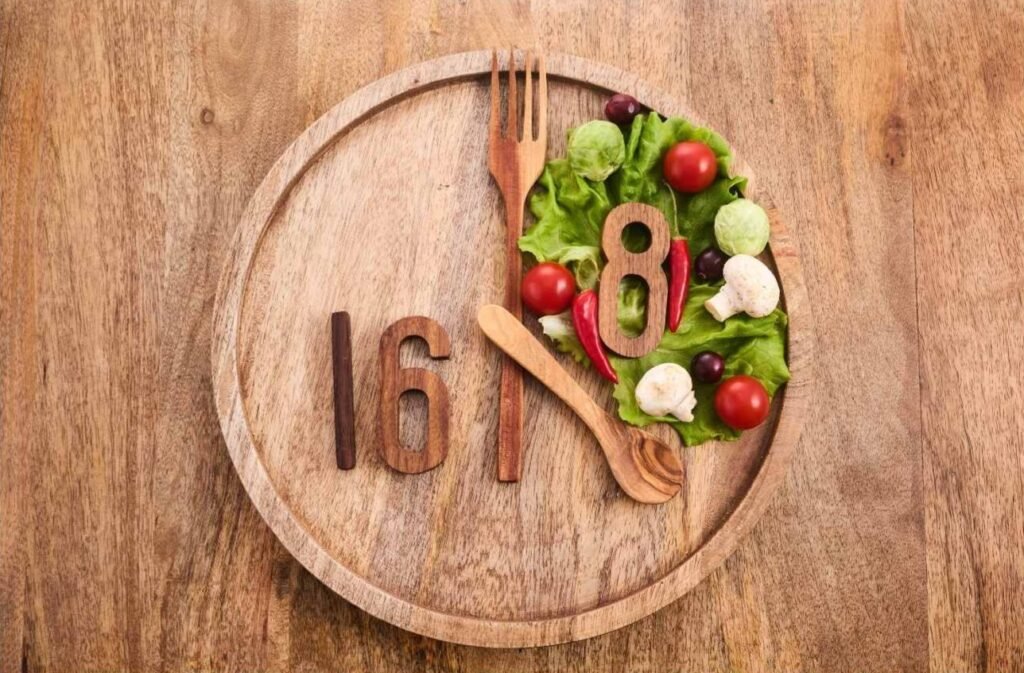
Evidence: Randomized trials and RCTs demonstrate a combination of extended fasting and vegan refeeding can lead to long-term remission in R.A..
Mechanism: Fasting activates autophagy, modulates cytokine release, resets immune memory, promotes beneficial microbiome shifts, and lowers oxidative stress.
Reference example (e.g. Kjeldsen‑Kragh 1991; NutriFast RCT 2022; Barnard 2022)
Fasting is one of the most powerful and overlooked tools for calming inflammation and resetting the immune system. Whether it’s time-restricted eating or multi-day fasting, research shows remarkable benefits for people with inflammatory arthritis and gut issues. Even short fasts can significantly reduce pain, swelling, and flare up – especially when followed by careful refeeding avoiding triggers.
More ->
💧 Hydration & Clean Water

• Studies suggest that up to 75% of people may be chronically dehydrated, often without realizing it.
• Water is essential – without it, survival is typically limited to 3 to 5 days.
• Moderate tea and coffee intake generally contributes to hydration.
• Alcohol increases fluid loss and dehydration risk, especially with regular intake.
Hydration plays a critical role in maintaining gut health, reducing intestinal permeability, and supporting immune balance – factors especially important in autoimmune conditions and inflammatory arthritis. Even mild dehydration can impair the mucosal lining of the gut, increasing the risk of “leaky gut” and inflammation. Proper hydration helps regulate digestion, supports the lymphatic system, and aids in nutrient absorption. Water quality matters, as long-term exposure to environmental contaminants can place additional stress on detoxification pathways and immune regulation.
More ->
🧘 Breathwork & Relaxation

- Evidence: Research confirms that structured breathwork and vagal activation reduce inflammatory biomarkers and improve pain in chronic conditions like RA and IBS.
Mechanism: Breath patterns modulate autonomic nerve activity to trigger the inflammatory reflex, lower stress hormones, shift gene expression toward an anti-inflammatory profile, and enhance brain‑gut communication.
Breathwork and relaxation techniques are powerful tools to reduce inflammation and support healing. By activating the parasympathetic nervous system, they help shift the body out of a chronic stress state, allowing repair processes to take place. Scientific studies show that controlled breathing can lower cortisol, reduce inflammatory markers like CRP and IL-6, and even calm an overactive immune response. These simple, accessible practices can help ease symptoms and improve gut barrier function.
More->
🌦️ Climate and Arthritis

Evidence:
Populations living in warmer, sunnier regions tend to report lower rates or milder symptoms of arthritis, partly linked to higher vitamin D levels and greater year-round activity. Studies on heat therapy and sauna use show measurable reductions in pain, stiffness, and inflammatory biomarkers.
Mechanism:
Heat exposure improves circulation, joint lubrication, and cellular repair while promoting detoxification through sweating. Sunlight boosts vitamin D and serotonin, supporting immune balance and mood regulation.
Many people living with arthritis notice that their symptoms fluctuate with the weather. Science supports this observation – changes in temperature, humidity, and barometric pressure can all affect joint tissues, circulation, and inflammation. Living in a warm, stable climate or using heat therapies such as saunas may help reduce stiffness, support detoxification through sweating, and encourage better blood flow. At the same time, sun exposure and vitamin D production can play a vital role in immune balance. Explore the full article to see how climate and controlled heat exposure can influence inflammation, pain, and long-term joint health. More on the Climate Heat Sauna page
Socioeconomic Factors

Socioeconomic factors, such as income, education, and access to healthcare – strongly influence who develops inflammatory arthritis, how quickly it’s diagnosed, and how effectively it’s managed. People from lower socioeconomic backgrounds face longer diagnostic delays, often waiting years for conditions like rheumatoid arthritis or ankylosing spondylitis to be correctly identified. Limited access to specialists, under-recognition of symptoms, and an over-reliance on symptom-suppressing medications all contribute to this inequity. Once diagnosed, patients are frequently left unaware of how profoundly nutrition, gut health, and lifestyle affect inflammation, since conventional medical training devotes little time to these subjects.
At the same time, modern food systems make healing even harder. Ultra-processed, low-cost foods – high in refined oils, sugars, and additives – dominate lower-income communities, driving inflammation and autoimmune activation. Yet, traditional diets built on legumes, whole grains, vegetables, and herbs can be simple, affordable and anti inflammatory when you know what to avoid. Empowerment begins with knowledge: understanding how food, movement, sleep, and community support, influence your immune system. While socioeconomic barriers remain real, healing is not reserved for the privileged – it belongs to those who learn, question, and take consistent steps toward restoring balance from the inside out.
More on Socioeconomic factors