
Fasting & Time Restricted Eating
Intermittent fasting and time restricted eating can be powerful tools to reduce inflammation, support immune balance, and bring symptom relief in conditions such as rheumatoid arthritis, psoriatic arthritis, spondyloarthropathy, osteoarthritis, inflammatory bowel disease, Crohn’s disease and ulcerative colitis.
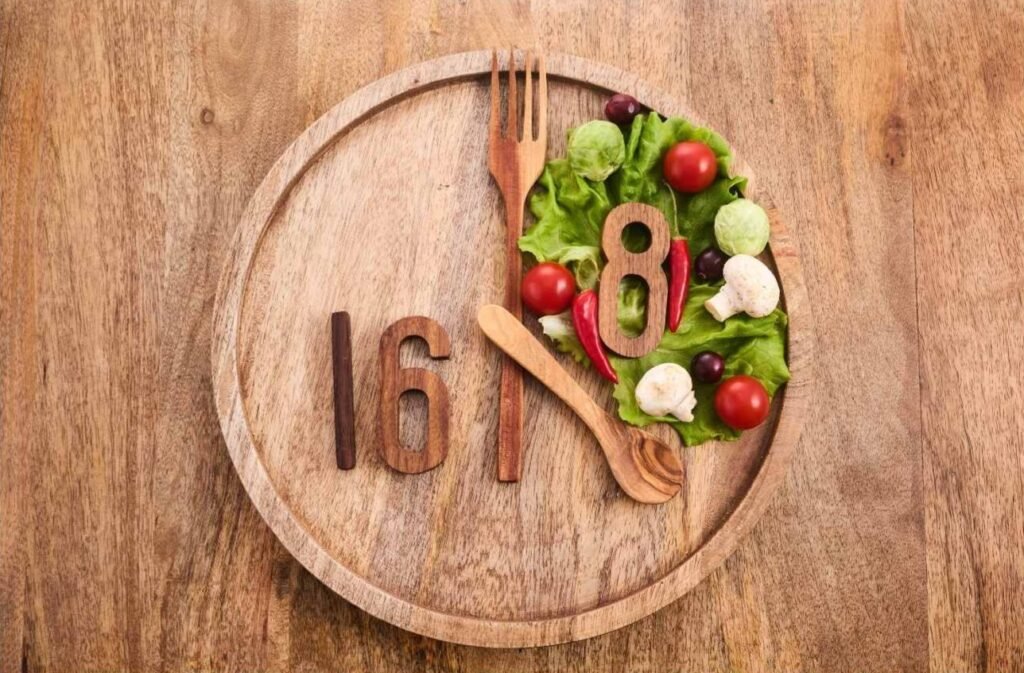
Fasting & TRE for Arthritis
- Fasting can reduce systemic inflammation, including markers such as CRP, IL 6 and TNF alpha in inflammatory conditions.
- Time restricted eating may improve antioxidant defenses, including catalase activity, while lowering oxidative stress markers such as malondialdehyde.
- Multi day fasting activates autophagy, a cellular cleanup process linked to immune regulation.
- Fasting can shift the gut microbiome toward a more balanced profile and may support gut barrier integrity.
- Animal models of rheumatoid arthritis and osteoarthritis show reduced joint damage and disease severity during fasting protocols.
- Weight loss associated with fasting can reduce mechanical load on weight bearing joints.
- Improvements are often seen in metabolic markers such as insulin sensitivity and liver enzymes.
- Fasting and time restricted eating show promising results in models of gut inflammation, including IBD.
- Extended fasts of 3 to 10 days have produced significant symptom reductions in some inflammatory arthritis trials.
- Vegetable juice based fasting may provide similar anti inflammatory effects with improved tolerability for some people.
- The diet used after fasting strongly influences whether benefits persist.
- Whole food, low fat vegan refeeding protocols have shown stronger and longer lasting improvements than lacto vegetarian refeeding in clinical trials.
- Reintroducing dairy has been associated with relapse in several rheumatoid arthritis studies.
- Reintroduction strategy matters. A low trigger, nutritionally complete plan helps maintain gains.
- Those who are underweight, elderly, medically fragile, or on certain medications should only fast under supervision.
- Periodic 3 to 5 day fasts once or several times per year may provide additional immune and metabolic benefits beyond daily time restricted eating.
- Short 24 to 36 hour fasts can be used occasionally for metabolic flexibility and immune modulation.
Fasting – Reduces Inflammation
Inflammatory Disease Reduction (RA etc)
In some people, extended fasting followed by a carefully structured whole food plant-based diet has led to major reductions in pain and inflammation, and in certain cases, prolonged remission.
Fasting is not magic. Your body still needs energy, protein, vitamins, and minerals. But when used wisely, fasting can create a powerful window for healing and immune recalibration.
A randomized trial of 44 postmenopausal women with rheumatoid arthritis using a 16-hour fast and 8-hour eating window (Time-Restricted Eating, TRE) for eight weeks reported significant reductions in oxidative stress markers such as malondialdehyde, improvements in antioxidant enzyme activity including catalase, reductions in neutrophil-to-lymphocyte ratio, and improved liver enzymes – all suggesting reduced systemic inflammation (Nature).
In a murine model of collagen-induced arthritis, alternate-day fasting over four weeks significantly lowered clinical arthritis severity, reduced histological joint damage, and promoted beneficial shifts in gut microbiota (BioMed Central).
Reviews and meta-analyses show that intermittent fasting reduces CRP, IL-6, and TNF-α, modulates monocyte activity, and triggers immune “resetting” – effects mirrored in reduced disease activity among fasting individuals (ScienceDirect; Healthline).
The NutriFast Exploratory Randomized Controlled Trial (2022, Frontiers in Nutrition) demonstrated that a 7-day fast followed by an 11-week whole-food plant-based diet significantly improved RA symptoms, morning stiffness, pain, and inflammatory markers compared to a control diet (BMJ Open; Frontiers in Nutrition).
Osteoarthritis & Joint Health
A 2025 systematic review on fasting in osteoarthritis revealed mechanisms such as reduced synovial inflammation, improved circadian regulation, and slowed disease progression, supporting fasting’s benefit beyond autoimmune inflammation (Frontiers in Nutrition).
Although OA is not primarily autoimmune, inflammation contributes to cartilage breakdown and pain. Weight loss and metabolic improvements associated with fasting may also reduce joint load and slow structural progression.
Inflammatory Bowel Disease (IBD – Crohn’s, UC)
A pooled analysis of 20 human and animal studies found that both TRE and alternate-day fasting consistently improved gut histology, reduced oxidative stress, and positively altered microbial profiles – highlighting potential relevance for arthritis-linked gut issues (MDPI).
Emerging research suggests fasting can influence tight junction proteins, reduce endotoxin exposure, and support gut barrier integrity. Because gut permeability and immune overactivation are linked to inflammatory arthritis, fasting may indirectly help systemic inflammation.
Fasting Mechanisms: Why It Works
Autophagy activation: Fasting activates cellular repair and recycling, clearing damaged proteins and dysfunctional immune cells (BMJ Open; ScienceDirect).
Ketosis & inflammasome inhibition: Shifting to fat-derived ketones (beta-hydroxybutyrate) inhibits inflammasome activation implicated in inflammation (Nature; University of Cambridge).
IGF-1 & mTOR suppression: Multi-day fasting reduces signaling in pathways associated with immune activation, aging biology, and chronic inflammation.
Immune cell recycling: Prolonged fasting temporarily reduces circulating immune cells followed by regeneration from hematopoietic stem cells (Longo et al.).
Gut microbiome remodeling: Fasting reduces pathobionts (like Prevotella), increases microbial diversity, and supports barrier integrity (BMJ Open; BioMed Central; MDPI).
Anti-inflammatory gene expression: Fasting lowers IL-6 and TNF-α while increasing antioxidant gene activity such as catalase and superoxide dismutase (Nature; University of Cambridge).
Extended Fast Plus Vegan Refeed – Best Clinical Outcomes
Clinical experience and trials consistently show that extended fasting (7–10 days, water-only or vegetable juice-based) followed by a whole-food, oil-free vegan diet delivers the most significant, lasting reduction in inflammation, particularly compared to lacto-vegetarian refeeding.
I have further refined the refeed diet to minimize other triggers while fulfilling all nutritional needs, keeping inflammation near zero.
Key Studies to Know:
Kjeldsen-Kragh et al., 1991 (Lancet): 7–10 day fast followed by gluten-free vegan diet; strongest and sustained symptom relief. Reintroduction of milk during lacto-vegetarian phase led to relapse.
Sköldstam et al., 1979 (Scandinavian Journal of Rheumatology): Improvements gained during fasting diminished when dairy was reintroduced.
Peltonen et al., 1999 (Am J Clin Nutr): Shifts in gut flora and clinical improvements persisted on vegan refeed; reintroducing dairy correlated with symptom return.
NutriFast RCT, 2022: Enhanced RA outcomes with fasting followed by whole-food plant-based diet.
Barnard et al., 2022: Low-fat vegan diet alone reduces RA disease activity (DAS28), reinforcing the value of vegan refeed.
This underscores that what you eat after fasting strongly affects whether benefits persist. Animal foods, added oils, and certain natural food chemicals can undermine fasting progress.
Fasting as a Therapeutic Tool
Short-term fasting and fasting-mimicking diets repeatedly show:
Reduction in systemic inflammation
Immune system resetting
Metabolic and gut barrier improvements
Kjeldsen-Kragh et al. demonstrated that a 7–10 day water fast improved inflammatory arthritis, with remission maintained on a vegan diet. Longo’s team later showed that fasting triggers autophagy, reduces circulating immune cells, and regenerates immune stem cells during refeeding.
Periodic fasting may therefore induce remission in autoimmune conditions, enhance gut barrier function, and recalibrate overactive immune responses.
How Often Should You Fast?
Time-Restricted Eating (TRE) 16:8 provides ongoing metabolic and inflammatory benefits.
| Fasting Type | Duration | Benefits |
|---|---|---|
| Daily TRE | 14–18 hours | Improves insulin sensitivity, supports circadian rhythm, low-level autophagy |
| Short Fast | 24–36 hours | Enhances metabolic switching, ketone production, immune modulation |
| Multi-Day Fast | 3–5 days | Activates deep autophagy, sustained ketosis, reduces IGF-1 & mTOR, promotes immune recycling |
| Extended Fast | 7–10 days | Not required for new mechanisms but may produce deeper, longer-lasting inflammation reduction when followed by strict vegan refeed |
General recommendations:
Mild inflammation: Daily TRE + one 3–5 day fast, 1–3 times/year.
Active inflammatory arthritis: Structured 7–10 day fast selectively, with medical supervision, electrolyte support, and carefully planned refeeding.
Fasting for Inflammation Control
Fasting allows the body a rest from digestion, focusing on repair, reducing inflammation, and resetting appetite signals. Many report improved clarity and psychological empowerment.
1. Types of Fasting
Time-Restricted Eating (16:8)
Pattern: 16 hours fasting, 8 hours eating (e.g., 11 am – 7 pm)
Effect: Sustainable long-term, supports metabolic stability
Tip: Focus on whole, unprocessed foods during the eating window
Vegetable-Juice Fast
Pattern: 4–6 days of fresh vegetables and non-sweet vegetable juices
Examples: Celery, cucumber, carrot, parsley, mung bean sprouts, bok choy, small amounts of ginger
Benefit: Supplies antioxidants, maintains low caloric intake, often easier than water-only fasting
Electrolytes: Small amounts recommended for balance
Multi-Day Water Fast
Pattern: 3–7 days water + electrolytes
Preparation: 2 days prior, eat low-inflammatory foods (sweet potatoes, buckwheat, carrot, pumpkin, garlic, cabbage, broccoli, leek, bok choy)
Electrolyte guidance: Approximate daily intake:
Sodium chloride: 2 g
Potassium chloride: 2 g
Magnesium glycinate: 200–300 mg
Calcium citrate: 500 mg
Sip electrolyte water throughout the day; herbal teas optional
2. What to Avoid While Fasting
High physical exertion or dangerous environments
Food exposure if it triggers cravings; avoid artificial sweeteners and flavored zero-calorie drinks
Coffee on an empty stomach can cause jitteriness; if used, keep black and minimal
Fasting is not recommended if underweight
Be mindful of overeating in days leading up to the fast
3. Refeeding Carefully
Reintroduce food slowly with small meals
Chew thoroughly
Structured, low-trigger, nutritionally complete whole-food plant-based plan helps maintain anti-inflammatory benefits
Overeating on refeed can cause nausea, electrolyte shifts, and inflammation spikes
4. Safety
People with medical conditions, medications, pregnancy, breastfeeding, elderly, underweight, or history of eating disorders should seek professional guidance
Stop fasting if you experience confusion, fainting, persistent dizziness, chest pain, or severe weakness
Medical check-up prior to extended fasting is advised
5. The Takeaway
Fasting, when used thoughtfully and combined with nutrient-dense whole foods, can be a powerful therapeutic tool.
Reduces inflammation
Improves immune regulation
May contribute to sustained remission in certain cases
Fasting may not be for everyone but fasting can play a meaningful role for those seeking to address inflammation.
Fasting done wisely is an act of self-discipline and renewal. It helps the body calm inflammation fast and reminds us that we are in charge of our stomach.
Personally
Early on in 2015 when I didn’t yet understand which foods were triggering my inflammation, I was constantly getting it wrong. I became fed up with the relentless pain and, strongly suspecting that food was making it worse, but not knowing which foods, I decided to stop eating altogether.
By the fourth day, my pain and inflammation had completely disappeared. However, I was also extremely weak. At the time, I didn’t understand the importance of electrolytes, and when I began eating again, I reintroduced the wrong foods. The pain and inflammation quickly returned.
Nov 2025 I decided to water fast (with mineral electrolytes) for one week. Just to see if I could since I was doing this research. It was much easier than I expected and I felt great and very proud of myself.
Afterwards over the Christmas period, I ate and drank some things that I know to be triggers. Yet I had very minimal noticeable increase of inflammation. I’m not saying fasting is a cure by any means, I am still careful to eat as healthy as possible, but I do think it’s a useful healing tool and a phycological achievement as well! 🙂
References – Fasting & Time Restricted Eating
1. Inflammation, Autophagy & Oxidative Stress
- Longo VD, Mattson MP. Fasting: molecular mechanisms and clinical applications. Cell Metabolism. 2014;19(2):181–192.
- de Cabo R, Mattson MP. Effects of intermittent fasting on health, aging, and disease. New England Journal of Medicine. 2019;381:2541–2551.
- Choi IY, et al. A diet mimicking fasting promotes regeneration and reduces autoimmunity. Cell Reports. 2016;15(10):2136–2146.
- Brandhorst S, et al. A periodic diet that mimics fasting promotes multi-system regeneration and extended healthspan. Cell Metabolism. 2015;22(1):86–99.
- Anton SD, et al. Flipping the metabolic switch: understanding and applying health benefits of fasting. Obesity. 2018;26(2):254–268.
2. Fasting & Inflammatory Arthritis
- Kjeldsen-Kragh J, et al. Controlled trial of fasting and one-year vegetarian diet in rheumatoid arthritis. Lancet. 1991;338(8772):899–902.
- Kjeldsen-Kragh J, et al. Dietary manipulation in rheumatoid arthritis: fasting and vegetarian diet effects. Scandinavian Journal of Rheumatology. 1994;23(2):66–72.
- Müller H, et al. Fasting followed by vegetarian diet in rheumatoid arthritis: long-term effects. Clinical Rheumatology. 2001;20(5):347–352.
- Hafström I, et al. A vegan diet free of gluten improves signs and symptoms of rheumatoid arthritis. Arthritis Research & Therapy. 2001;3(4):R64–R69.
3. Gut Microbiome, Metabolic & Liver Markers
- Li G, Xie C, Lu S, et al. Intermittent fasting promotes white adipose browning and decreases obesity by shaping the gut microbiota. Cell Metabolism. 2017;26(4):672–685.
- Zeb F, et al. Effect of time-restricted feeding on metabolic risk factors: systematic review and meta-analysis. Nutrients. 2021;13(4):1237.
- Patterson RE, Sears DD. Metabolic effects of intermittent fasting. Annual Review of Nutrition. 2017;37:371–393.
- Wei M, et al. Fasting-mimicking diet and markers of aging, diabetes, cancer, and cardiovascular disease risk. Science Translational Medicine. 2017;9(377):eaai8700.
4. Refeeding Diets & Relapse Risk
- Kjeldsen-Kragh J. Rheumatoid arthritis treated with vegetarian diets. American Journal of Clinical Nutrition. 1999;70(3 Suppl):594S–600S.
- Hafström I, et al. Vegan diet effects in rheumatoid arthritis and relapse on reintroduction. Arthritis Research & Therapy. 2001;3(4):R64–R69.
- McDougall J, et al. Effects of a very low-fat vegan diet in rheumatoid arthritis. Journal of Alternative & Complementary Medicine. 2002;8(1):71–75.
5. Safety, Contraindications & Supervision
- de Cabo R, Mattson MP. Effects of intermittent fasting on health, aging, and disease. New England Journal of Medicine. 2019;381:2541–2551.
- Anton SD, et al. Flipping the metabolic switch: clinical considerations for fasting. Obesity. 2018;26(2):254–268.
- National Institute for Health and Care Excellence (NICE). Nutritional support for adults: oral nutrition support, enteral tube feeding and parenteral nutrition. Clinical guideline.