
Slippery Elm & IBD
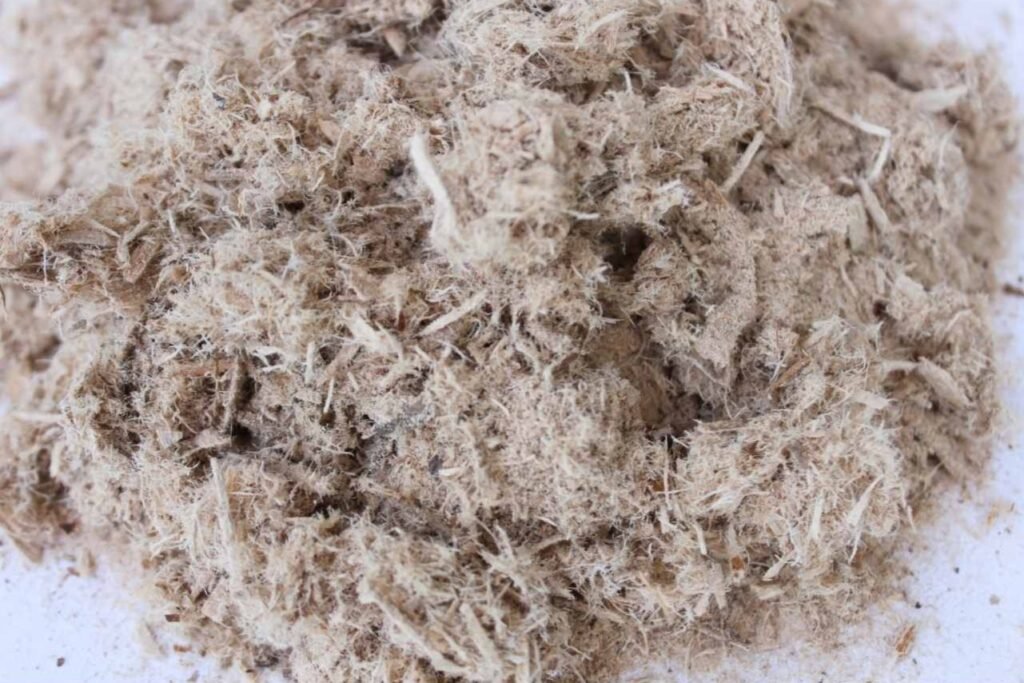
⭐ Slippery Elm and the Gut
Soothes and protects mucous membranes – coats the gut lining and calms irritation.
Slippery Elm Supports gut barrier function – may reduce permeability and downstream inflammation.
Mild prebiotic – encourages beneficial bacteria and microbiome balance.
Slippery Elm is traditionally used for gastritis, reflux, IBS, and bowel irritation.
May indirectly support arthritis through gut-immune modulation.
Best taken away from medications to avoid absorption interference.
Choose sustainable sources – to protect native Slippery Elm populations
🌿 Slippery Elm for gut inflammation
Overview
Slippery Elm (Ulmus rubra) is a North American tree whose inner bark has been used for centuries in herbal medicine. When powdered and mixed with water, it produces a thick, soothing gel that coats mucous membranes in the digestive tract, throat, and urinary tract.
While direct clinical evidence for arthritis is limited, slippery elm’s gut-soothing and mucosal-healing properties make it a useful adjunct in managing inflammatory conditions where gut integrity and immune balance are involved – such as rheumatoid arthritis, psoriatic arthritis, and arthritis associated with inflammatory bowel diseases like Crohn’s disease and ulcerative colitis. Many people with inflammatory arthritis also have coexisting Crohn’s or ulcerative colitis, making gut-supportive strategies particularly relevant.
🧬 Mechanism of Action
1, Mucilage formation and barrier protection.
The main active compound in Slippery Elm is mucilage, a soluble polysaccharide that swells into a gel-like matrix when hydrated. This gel adheres to mucosal surfaces, forming a protective barrier that:
Shields tissues from stomach acid, bile, and irritants.
Reduces local inflammation and mechanical irritation.
Creates a moist environment that supports epithelial repair.
2, Gut barrier integrity and immune modulation.
Emerging evidence suggests that mucilage-rich plants may support intestinal tight-junction proteins (such as occludin and claudin) and reduce intestinal permeability – a indicated factor in autoimmune inflammation. By protecting the epithelial barrier, Slippery Elm may indirectly lower systemic immune activation driven by “leaky gut.”
3, Prebiotic and microbiome effects.
The mucilage and complex carbohydrates act as prebiotics, selectively feeding beneficial bacterial species such as Bifidobacterium and Lactobacillus. This can help rebalance dysbiotic gut flora, reduce endotoxin (LPS) leakage, and improve overall gut resilience – all relevant to inflammatory conditions.
4, Anti-inflammatory and antioxidant actions.
Although not as potent as polyphenol-rich herbs, Slippery Elm bark contains phenolic acids and tannins that exhibit mild antioxidant effects and inhibit certain inflammatory mediators (e.g., COX-2, nitric oxide synthase). These may contribute to its soothing and tissue-calming properties.
📚 Evidence Summary
Digestive and mucosal health
A 2010 clinical trial in patients with irritable bowel syndrome found that a multi-herbal formula containing Slippery Elm improved stool consistency and bowel regularity (Bundy et al., Journal of Alternative and Complementary Medicine, 2010).
A 2014 observational study reported symptomatic improvement in reflux and gastritis when Slippery Elm lozenges were used alongside dietary management.
Traditional use and clinical reports consistently describe soothing relief in gastritis, colitis, and diarrhoea, attributed to mucilage coating and local anti-irritant effects.
Arthritis and inflammation
There are no direct randomized trials assessing Slippery Elm in arthritis. However, improving gut barrier function and lowering endotoxin translocation are mechanisms supported by gut–joint axis research.
In animal models of colitis, mucilage-forming herbs have been shown to decrease inflammatory cytokines (TNF-α, IL-6) and enhance mucosal healing – mechanisms relevant to autoimmune regulation.
In short: while Slippery Elm has not been clinically proven to reduce arthritis pain directly, its indirect effects via gut repair, microbiome modulation, and immune quieting make it a likely supportive therapy in holistic treatment plans.
🌿 Benefits & Practical Use
Digestive soothing
Helps calm gastritis, reflux, ulcer pain, and bowel irritation.
Often used in herbal blends for IBS and IBD to reduce urgency, burning, or abdominal pain.
Gut repair support
Coats the gut lining, allowing inflamed tissue to heal.
May enhance nutrient absorption once inflammation subsides.
Mild prebiotic effect
Encourages growth of beneficial microbes, aiding long-term gut stability.
Arthritis and systemic inflammation
By reducing gut irritation and permeability, Slippery Elm may dampen inflammatory signals that originate from the gut and influence systemic immune responses.
💧 Dosage & Use
Typical dose: 1–2 teaspoons (approx. 2–4 g) of Slippery Elm powder mixed into a glass of water, up to three times daily.
Timing: Take on an empty stomach or at least 1 hour before or 2 hours after meals or medications.
Form: May be taken as a gruel, lozenge, or capsule. The powder in water form offers the strongest mucilaginous effect.
⚠️ Safety & Sustainability
Generally well tolerated; mild bloating may occur at high doses.
May delay absorption of medications and nutrients – take separately.
Use sustainably sourced bark to prevent overharvesting.
Safe for short-term use; long-term data limited.
Consult a practitioner if pregnant, breastfeeding, or taking chronic medication.
🧭 Conclusion
Slippery Elm is a gentle, low-risk, gut-protective herb with centuries of traditional use. While not a targeted anti-arthritic compound, it plays a supportive role in reducing gut-driven inflammation – an underlying factor in many autoimmune and chronic pain conditions.
When used alongside an anti-inflammatory, whole-food diet, probiotics, and lifestyle measures, Slippery Elm can be an excellent addition to a gut-healing protocol aimed at restoring balance, comfort, and systemic resilience.