
Bromelain - Reduces Inflammation
Bromelain at a Glance
- Pineapple-derived enzyme complex with anti-inflammatory and fibrinolytic effects
- Most active in raw pineapple core – destroyed by cooking or canning
- Reduces swelling, pain, and stiffness in joints and soft tissue
- Matches N SAID efficacy in some osteoarthritis trials, with better tolerability
- Downregulates cytokines: TNF-α, IL‑1β, IL‑6, and IL‑8
- Protects cartilage from inflammatory degradation
- Typical effective dosage: 200–1200 mg/day; some benefit at 160 mg/day
- Eat the core fresh – It contains several times as much bromelain.
- Best absorbed on an empty stomach for systemic effects
- Often included in enzyme blends for inflammation and digestion
- May support digestion and reduce circulating antigen load
- Mild side effects: mostly GI upset at high doses
- Avoid near surgery or with blood thinners unless supervised
Natural Enzyme Therapy for Inflammation
Bromelain is a group of proteolytic (protein-digesting) enzymes extracted from the stem and fruit of the pineapple plant. It has been researched for decades for its ability to reduce inflammation, manage pain, and accelerate soft tissue healing. Bromelain is best known for helping post-operative recovery and osteoarthritis – but its systemic anti-inflammatory effects also make it a valuable tool in autoimmune and chronic joint conditions.
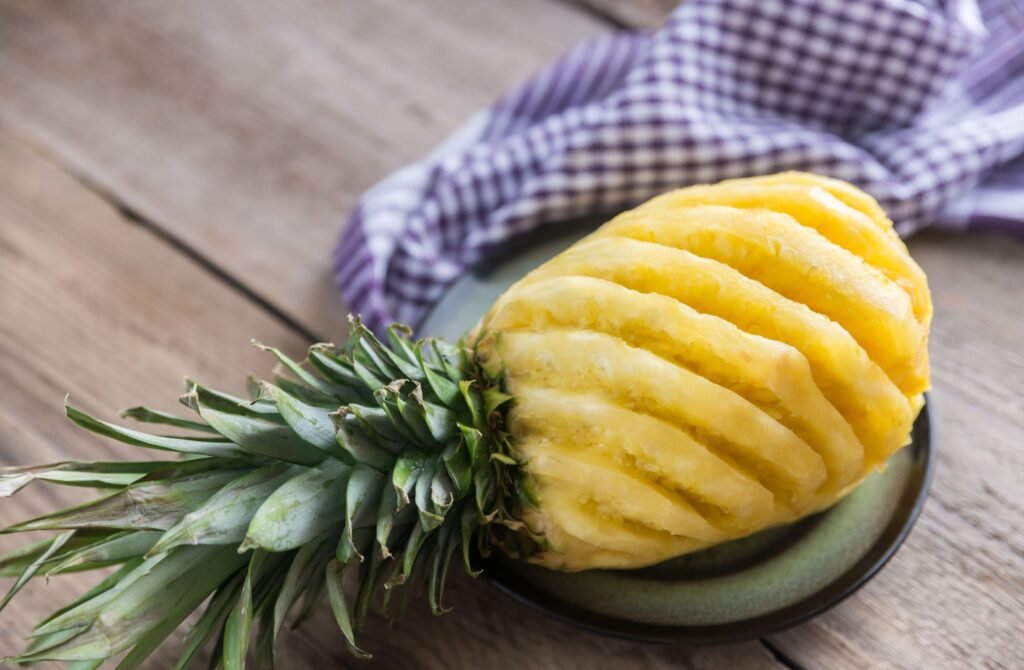
Natural Raw Pineapple
Before considering supplements, it’s worth noting that fresh pineapple is still the simplest and most natural source of bromelain. The enzyme is highly active in raw pineapple – especially in the stem and core – but is destroyed by cooking and heat. This means canned pineapple or cooked dishes won’t offer the same anti-inflammatory benefits. For those with mild inflammation or as a preventive strategy, eating fresh, raw pineapple regularly may offer subtle but helpful effects on swelling and joint health.
Evidence: What the Research Shows
Bromelain has been extensively studied in osteoarthritis, post-surgical recovery, and general inflammatory conditions:
A systematic review of seven randomized controlled trials concluded that bromelain significantly reduced inflammatory markers such as CRP, TNF-α, IL‑6, prostaglandins, and fibrinogen in a range of conditions.
In a 16-week pilot study comparing 500 mg/day bromelain with the NSAID diclofenac in patients with knee osteoarthritis, both groups showed equivalent improvements in pain, stiffness, and joint function—though bromelain produced fewer adverse effects.
A 12-week double-blind, placebo-controlled trial using 800 mg/day bromelain in moderate-to-severe knee osteoarthritis showed similar clinical improvements in both groups, highlighting bromelain’s potential, especially in people who cannot tolerate N SAIDs.
Bromelain is also widely used for post-operative inflammation. Meta-analyses in oral surgery (e.g. wisdom tooth removal) found consistent reductions in swelling, jaw stiffness, and post-surgical pain.
Mechanism: How Bromelain Reduces Inflammation
Bromelain works via several powerful mechanisms:
It breaks down fibrin, bradykinin, and other compounds that contribute to swelling and vascular permeability.
It modulates inflammatory cytokines such as IL‑1β, TNF‑α, IL‑6, and IL‑8 – suppressing the NF‑κB and MAPK signalling pathways that drive chronic inflammation.
In lab and ex vivo models of cartilage injury, bromelain reduces glycosaminoglycan (GAG) and collagen breakdown – offering protection against cartilage degradation.
It may also improve circulation and lymphatic drainage, accelerating clearance of fluid and debris in inflamed tissues.
Dosage and Safety: Bromelain from Supplements vs. Fresh Pineapple
Supplemental Bromelain
Clinical studies typically use 200–1,200 mg/day, often divided into two or three doses. Some anti-inflammatory effects have been reported at 160 mg/day, while moderate to severe conditions often use 500–1,000 mg/day.
Bromelain from Fresh Pineapple
Fresh pineapple contains much smaller amounts of bromelain compared to supplements:
Pineapple flesh: ~0.05 to 0.2 mg bromelain per gram
Pineapple core: ~0.3 to 1 mg bromelain per gram
A typical medium pineapple weighs about 1 kg, with roughly 900 g of flesh and 100 g of core:
Flesh: 900 g × 0.05–0.2 mg/g ~45 to 180 mg bromelain
Core: 100 g × 0.3–1 mg/g ~30 to 100 mg bromelain
Total bromelain in one medium pineapple: ~75 to 280 mg, which is below most therapeutic doses used in clinical trials. To reach typical supplement levels, you would need to consume multiple pineapples daily, which is generally impractical. That said, fresh and natural usually turns out to be best. So enjoy your pineapple. There are likely other synergistic compounds when you eat the real thing.
Safety
Bromelain is usually well tolerated. Mild gastrointestinal symptoms, such as nausea or bloating, may occur, especially at higher doses. Bromelain can increase bleeding risk if taken with anticoagulant medications, aspirin, or N SAIDs, so caution is advised in these situations or before surgery.
Clinical Applications and Autoimmune Relevance
Bromelain has a long history of use in:
Soft tissue injuries, including sprains, bruising, and surgery recovery
Osteoarthritis and sports-related joint pain
Inflammatory conditions affecting the sinuses and respiratory tract
As part of enzyme therapy for chronic inflammatory and autoimmune conditions
Bromelain’s potential relevance in autoimmune arthritis lies in its ability to reduce immune system overactivation by clearing antigenic protein fragments in the gut and circulation – possibly reducing inflammatory load over time.
If you have access to fresh pineapple – great, enjoy regularly. Remember to eat the core.
If you are after a higher therapeutic dose, you may like to experiment with a supplement. Bromelain is sometimes paired with Quercetin in a supplement.
Remember that one supplement is very unlikely to significantly change your overall health outcomes. What works is carefully applying dozens of well researched changes to be as healthy as you can possibly be.