
Food Science
Food Science will help you discover what is and is not beneficial for your health.
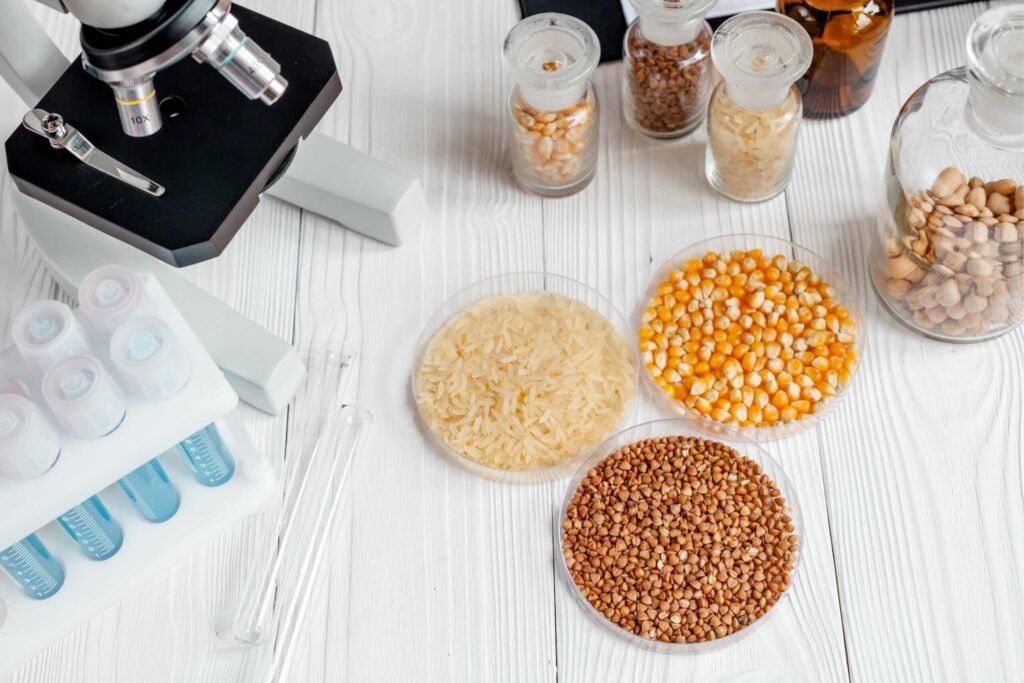
Food science is about more than just calories or taste – it explains how different nutrients, compounds, and food combinations affect the body at a biochemical level. For someone managing inflammatory arthritis or other chronic conditions, this knowledge can make the difference between foods that heal and foods that harm. Understanding how proteins, starches, fats, vitamins, and minerals interact with our digestion, microbiome, and immune system helps reveal why some meals leave us feeling energised and pain-free, while others can trigger flares, fatigue, or discomfort.
By looking at topics such as prebiotics, probiotics, fermented foods, enzymes, glycemic index, amines, salicylates, and more, you gain a deeper insight into how food choices influence inflammation, gut health, and long-term resilience. Food science provides the tools to make clear, informed decisions – empowering you to cut through marketing claims and tradition, and instead choose foods that truly support your healing journey. This knowledge becomes a foundation for building a diet that maximises health and minimises pain.
List of topic links covered in this Food Science page.
Fats & oils, Omega3, Carbohydrate-Fibre-Starch, Gluten, Protein, Collagen, AS, Vitamins & Minerals, Prebiotics, Fermented Foods, Enzymes, Glycemic Index, Oxidative Stress, Amines, Lectins, Nightshades, Alkalising, ACV, Fasting, Relaxing, Food Combinations, Testing Foods.
Fats and Oils
Only eat the fat in whole foods.

Modern diets often include large amounts of added fats from oils and butters – far more than traditional diets, which relied on natural sources like nuts, seeds, fish, and grazing animals. Scientific studies show that processed fats high in Omega-6, such as common seed oils (soy, corn, sunflower, safflower), can increase intestinal permeability (“leaky gut”). This weakens the gut barrier and allows inflammatory compounds into the bloodstream, worsening autoimmune symptoms in susceptible individuals.
Not all fats act the same way. Omega-3 rich fats from fish, Algae, flax, and walnuts help protect the gut lining and calm inflammation. Fats in whole foods like avocado and nuts are far less problematic than refined oils. The human body can run on either carbohydrates and or fats for energy, but given that gut microbes thrive on fiber-rich carbohydrates, and that excessive processed fats disrupt gut integrity, a carbohydrate-based diet with modest amounts of omega-3-rich whole-food fats offers the strongest foundation for joint and immune health.
Omega 3 Ratio

Eat oils in whole foods only.
Such as:
- Fresh ground flax or Linseed – Tbsp/day
- Chia seeds – Tbsp/day
- Walnuts – hand full/day
- Algae Oil supplement
- Fresh fish like Salmon, Kippers and Barramundi – maybe introduced later.
Research shows that balancing omega-3 and omega-6 fats is key to managing inflammatory arthritis. Most modern diets are overloaded with omega-6 from processed foods and vegetable oils, which can fuel inflammation. While flaxseed, chia, and walnuts provide ALA (a plant-based omega-3), only about 10% is converted into the more active forms, EPA and DHA. The strongest research backed anti-inflammatory effects come from oily fish or algae-based omega-3 supplements. More ->
Carbohydrates

Carbohydrates come in many forms, from simple sugars to complex starches and fibers. Simple carbs like refined sugar and white flour can spike blood sugar, feed harmful microbes, and drive inflammation. In contrast, complex carbs – especially resistant starch found in legumes, grains, and starchy vegetables – feed beneficial gut bacteria, producing short-chain fatty acids (SCFAs) that strengthen the gut lining and calm immune overactivity. Although early theories linked starch to the growth of Klebsiella pneumoniae in ankylosing spondylitis, current evidence suggests that balanced intake of fiber-rich starches supports, rather than harms, microbiome health.
Fiber is one of the most important nutrients for long-term health, yet most people eat far too little of it. When gut microbes ferment fiber, they produce SCFAs such as butyrate that nourish colon cells, protect cartilage, and reduce inflammatory markers like C-reactive protein (CRP) in arthritis patients. Low-fiber diets, on the other hand, weaken the gut barrier and increase systemic inflammation. While the average Western intake is around 15 g per day, studies show that 30–40 g per day delivers the best results for gut, immune, and joint health – making fiber-rich carbohydrates essential for anyone aiming to reduce pain and restore balance.
Gluten

Only about 1 percent of the population has celiac disease, an autoimmune condition where gluten triggers a severe immune response and intestinal damage. In these individuals, gluten strongly stimulates zonulin release, increasing intestinal permeability. This response is most pronounced in people with genetic susceptibility, particularly HLA-DQ2 and HLA-DQ8. However, zonulin activation and permeability changes are not equal in everyone. Many people experience mild or no effects, while others develop non-celiac gluten sensitivity, involving digestive symptoms, immune activation, and low-grade systemic inflammation without full autoimmune disease.
For people with inflammatory disease and inflammatory arthritis, gluten can act as a biological stressor rather than a universal toxin. Increased gut permeability may allow immune-activating compounds into circulation, amplifying inflammation and joint symptoms in susceptible individuals. While whole grains are healthier than refined grains, wheat, rye, and barley may still worsen symptoms during active disease. Avoiding gluten during high-pain or inflammatory phases is often a useful stabilisation strategy, even for non-celiac individuals, with cautious reintroduction possible after symptom stability. Avoiding white bread, cakes and biscuits will always be beneficial 🙂
Protein

Many people believe that meat or dairy is essential for adequate protein, but research shows that a well-planned plant-based diet can meet protein needs effectively. Whole plant foods such as legumes, nuts, seeds, and whole grains supply all essential amino acids when eaten in variety. Large observational studies have linked diets high in animal protein – particularly from conventionally raised, grain-fed meat and dairy – to increased inflammation and metabolic stress – problematic for people with autoimmune conditions. The idea that you need animal protein for strength and muscle is also misleading.
Some of the strongest animals on earth like gorillas, elephants, water buffalo, and bulls, are herbivores, thriving on plant foods. Likewise, humans can build and maintain muscle on a plant-based diet when overall protein needs are met. By contrast, highly processed protein powders made from dairy proteins such as whey or casein may exacerbate inflammation and are best avoided by those managing inflammatory arthritis.
Here I am at 46yo on holiday after building a granny flat. I do not go to the gym and I do not eat meat. I keep active, eat lots of veggies and keep busy.
Collagen

Collagen is a major structural protein in joints, skin, and connective tissue, and its role in arthritis is complex. Interestingly, researchers often use collagen-induced arthritis (CIA) in animal models to study the disease: injecting collagen can trigger joint swelling and inflammatory symptoms that mirror human arthritis. This raises questions about whether undigested collagen fragments crossing a “leaky gut” barrier might act as immune triggers in susceptible individuals. This could be one of the reasons people with Inflammatory arthritis recover on a vegan diet.
While collagen supplements are marketed for joint and skin health, the body actually makes its own collagen when given the right building blocks – amino acids from protein-rich foods, plus vitamin C, zinc, copper, and other cofactors. A balanced plant-based diet provides all the nutrients required for natural collagen synthesis without introducing foreign collagen proteins that may provoke unwanted immune reactions. Supporting the body’s own collagen production is a safer, evidence-aligned approach for long-term joint health.
Gelatin is cooked (denatured) collagen
Ankylosing Spondylitis

In the 1980s, Dr. Alan Ebringer proposed that reducing starch could improve ankylosing spondylitis (AS) by limiting Klebsiella pneumoniae growth, though strong clinical evidence remains limited. Current research suggests the issue is not starch itself, but refined carbohydrates and sugars, which fuel pathogenic bacteria and disrupt microbial balance. Over-restricting starch can also reduce fibre intake, weakening gut resilience and microbiome diversity. Rather than restricting starch broadly, modern approaches focus on targeting bacterial fuel sources while preserving fibre and microbial ecosystem health.
Klebsiella pneumoniae thrives on refined sugars, lactose (from dairy), and fermentable substrates. Klebsiella pneumoniae is often grown on coffee grounds in labs. So sugary coffee with milk is not a good recipe. Natural strategies to suppress it include polyphenol-rich foods (green tea, pomegranate, quercetin-containing fruits and vegetables), garlic, high-fibre plant foods, and microbiome support such as Saccharomyces boulardii. The goal is to reduce refined fuels like sugar, refined starch, dairy and low-fibre inputs – while strengthening beneficial microbes and gut ecological balance with plenty of plant fibre.
Vitamins & Minerals

Vitamins and minerals are the body’s essential toolkit, acting as cofactors and catalysts in thousands of chemical reactions that keep us alive – everything from producing energy and repairing tissues to regulating immunity and calming inflammation. Getting them in the right amounts is vital: too little can impair healing and increase disease risk, while too much can be toxic and even life-threatening. Because balance is so important, blood tests are a valuable way to check levels of key nutrients, and supplementation may be useful when diet alone isn’t enough. More on Supplements Page
Whole foods remain the best source of vitamins and minerals because they deliver these nutrients in natural combinations along with fiber and protective plant compounds that supplements can’t fully replicate. Still, supplements can play an important role when deficiencies are found. What matters most is achieving balance: for example, vitamin C helps the body absorb iron. Magnesium supports vitamin D, and Zinc and copper need to be kept in the correct ratio. By paying attention to both diet and testing, you can ensure your nutrient status supports your microbiome, regulates immune activity, and helps reduce inflammation for better joint health.
Prebiotics
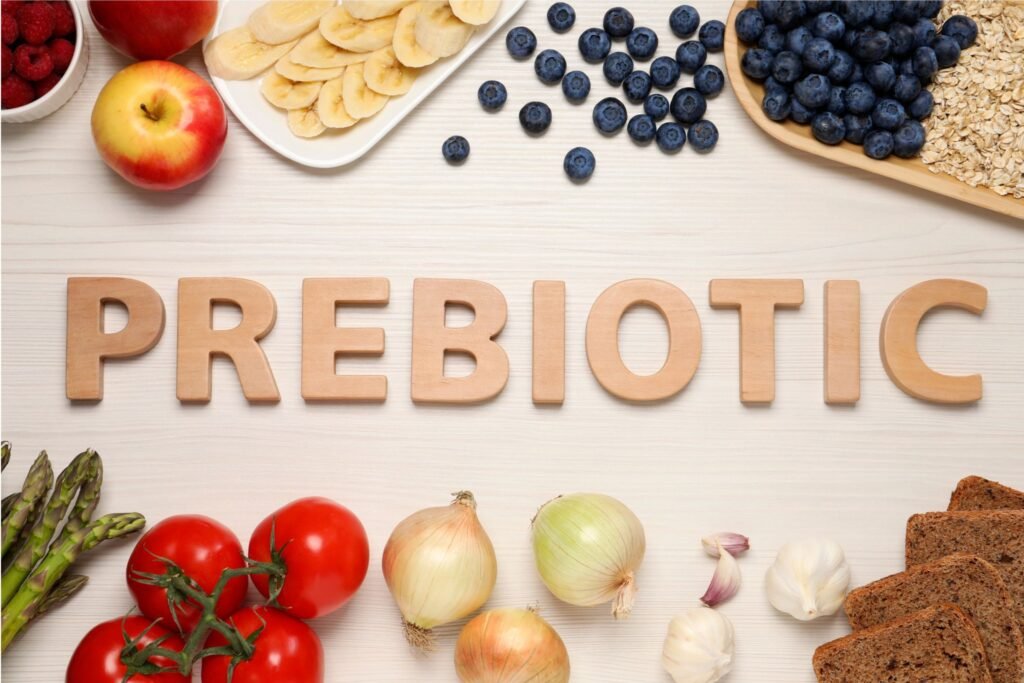
Prebiotics are non-digestible plant fibres that act as food for your existing beneficial gut bacteria. By nourishing these microbes, prebiotics help strengthen the gut barrier, regulate immune activity, and support a healthier balance of inflammation – all crucial for people managing arthritis or autoimmune conditions. When you feed the “good guys” in your gut, they produce short-chain fatty acids that protect intestinal integrity and promote whole-body resilience.
Some of the best prebiotic-rich foods include chicory root, Jerusalem artichokes, dandelion greens, garlic and onions (raw), leeks, asparagus, green bananas, oats (especially steel-cut), cooked and cooled potatoes, legumes, apples, flaxseeds, barley, seaweed, and beetroot. For those following a vegan or low-amine diet, excellent options include green bananas, oats, legumes, asparagus, Jerusalem artichokes, and leeks. Including these foods regularly is a simple, natural way to support gut health and keep inflammation in check.
Fermented
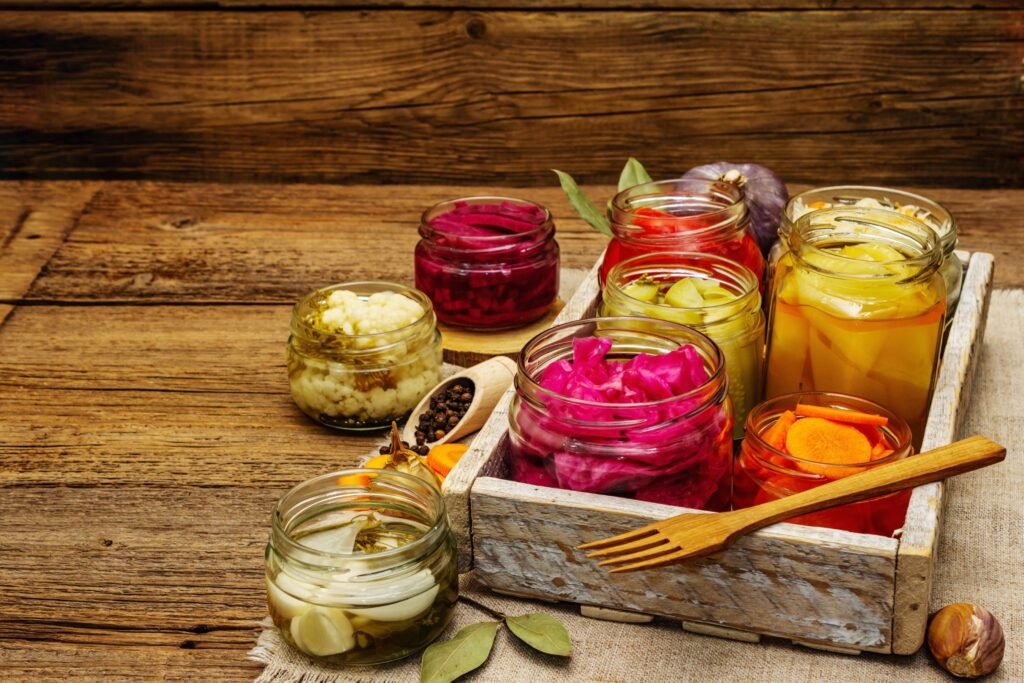
Fermented foods can be valuable for gut and overall health, but they are best introduced with care – especially for those with autoimmune or inflammatory conditions. Most canned or jarred sauerkrauts on unrefrigerated shelves are pasteurized, leaving little probiotic benefit. To see real advantages, choose raw, unpasteurized versions from the refrigerated section, or consider traditional ferments like kimchi, miso, or tempeh, which provide live microbes along with extra nutrients created during fermentation.
When tolerated, fermented vegetables and soy-based foods can boost healthy gut bacteria, strengthen the intestinal barrier, and support immune balance. Fermentation also enhances certain vitamins, particularly some B-vitamins (though not reliably B12) and vitamin K, once vital in diets that depended on preserved foods. Because fermentation also produces biogenic amines such as histamine, it’s best to delay introducing these foods until inflammation is near zero, and then add them slowly to test tolerance.
Enzymes

Enzymes are natural proteins that act as catalysts, helping the body break down food and carry out countless biological reactions. Certain plant foods contain their own enzymes, which can support digestion and even help regulate inflammation. Green papaya contains papain, pineapple provides bromelain, and sprouted foods such as mung beans, broccoli sprouts, nuts, and seeds are rich in active enzymes that make nutrients more available. Including some of these foods raw gives your digestive system a “helping hand” and may reduce the strain on the gut while also supporting immune balance.
Research suggests that proteolytic enzymes like bromelain and papain can reduce inflammatory markers, ease joint pain, and promote tissue repair, making them useful additions for people with arthritis. Sprouting in particular boosts enzyme activity and reduces anti-nutrients, improving mineral absorption and digestibility. Because heat destroys most enzymes, eating some fruits, vegetables, and sprouts raw is best to gain these benefits. (Some supplements use animal-derived enzymes from pig pancreas or stomach, but their benefits for arthritis are limited, and plant-based sources are safer and better supported.)
Glycaemic Index GI
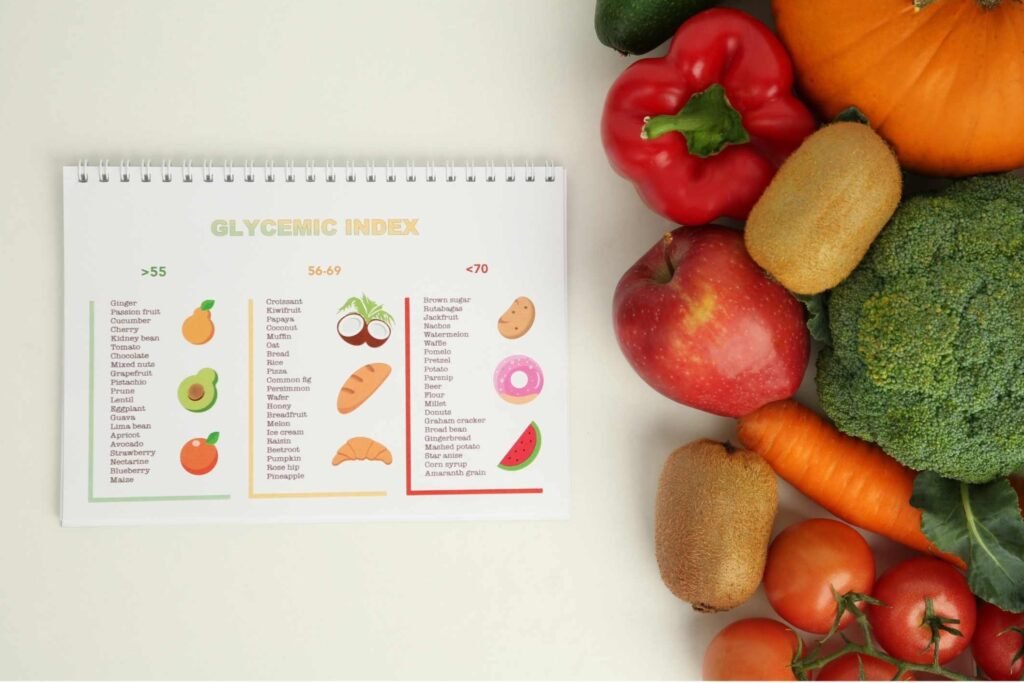
The glycemic index (GI) is a measure of how quickly foods raise blood sugar levels, ranked on a scale from 0 to 100 compared to pure glucose. High-GI foods such as white bread, sugary drinks, processed cereals, and pastries cause rapid spikes in glucose and insulin, while low-GI foods like legumes, whole grains, oats, sweet potatoes, fruits, and most vegetables release energy more slowly. This slower release is largely due to their higher fiber, water, and nutrient content, which helps blunt the blood sugar response and provides more sustained energy.
Repeated blood sugar spikes create oxidative stress and trigger pro-inflammatory cytokines such as TNF-α and IL-6, worsening systemic inflammation and conditions like arthritis. These surges also disrupt the gut microbiome, increase insulin resistance, and are strongly linked to obesity, type 2 diabetes, and cardiovascular disease. By choosing lower-GI foods, you can stabilize blood sugar, reduce inflammation, and protect long-term metabolic and joint health. Practical swaps, like replacing white bread with whole grain, or white rice with a mix of buckwheat and legumes – make a real difference in supporting balance and resilience. More ->
Oxidative Stress
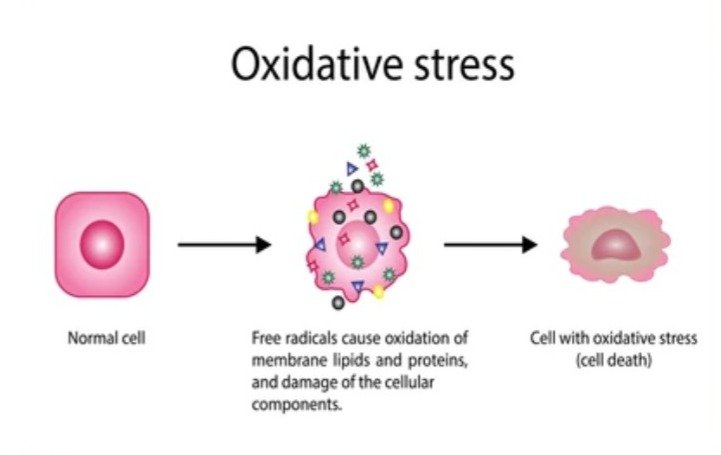
Oxidative stress occurs when the body’s production of free radicals outweighs its antioxidant defenses, creating a cycle of cell damage and inflammation. Diet plays a central role: processed foods high in sugar, refined oils, and alcohol increase free radical production, while whole plant foods supply the antioxidants that neutralize them. Berries, leafy greens, nuts, seeds, and cruciferous vegetables all contain compounds that help break this cycle. Green tea catechins, turmeric’s curcumin, and resveratrol in grapes are further examples of antioxidants shown to calm inflammatory pathways linked with arthritis. See also Oxidative Stress in lifestyle section and Oxidative stress page.
Supporting the body’s natural antioxidant systems is just as important. Glutathione – the body’s “master antioxidant” – relies on sulfur-rich vegetables such as garlic, onions, and crucifers like broccoli, cabbage, and brussels sprouts. These foods, along with precursors like N-acetylcysteine (NAC) and selenium from Brazil nuts, help recycle and sustain antioxidant defenses. By emphasizing antioxidant-rich foods and limiting alcohol, added sugars, and processed fats, diet becomes a powerful way to reduce oxidative stress, protect cartilage from damage, and slow the joint aging and inflammation that drive arthritis progression.
Amines

Amines are small nitrogen-containing compounds that form as foods age, ripen, ferment, or are stored for long periods. Common examples include histamine, tyramine, and putrescine, which are often found in aged cheese, processed meats, wine, beer, soy products, ripe bananas, tomatoes, chocolate, and fish that isn’t perfectly fresh. Most people tolerate these compounds, but in sensitive individuals, amines can build up and overwhelm the body’s natural breakdown systems, leading to headaches, flushing, gut upset, and – in many cases – joint pain or stiffness.
For people with inflammatory arthritis, excess amines may contribute to gut barrier dysfunction, immune activation, and flares of pain and inflammation. They can damage the intestinal lining, alter gut bacteria balance, and overload enzymes such as DAO, which normally help clear histamine. Alcohol, nutrient deficiencies, or chronic stress can lower tolerance further. Because amine load depends on both diet and gut health, eating fresh foods and limiting aged or fermented products can make a significant difference. To learn more about amines and arthritis – including pathways, triggers, and management strategies – see the dedicated Amines page
Lectins
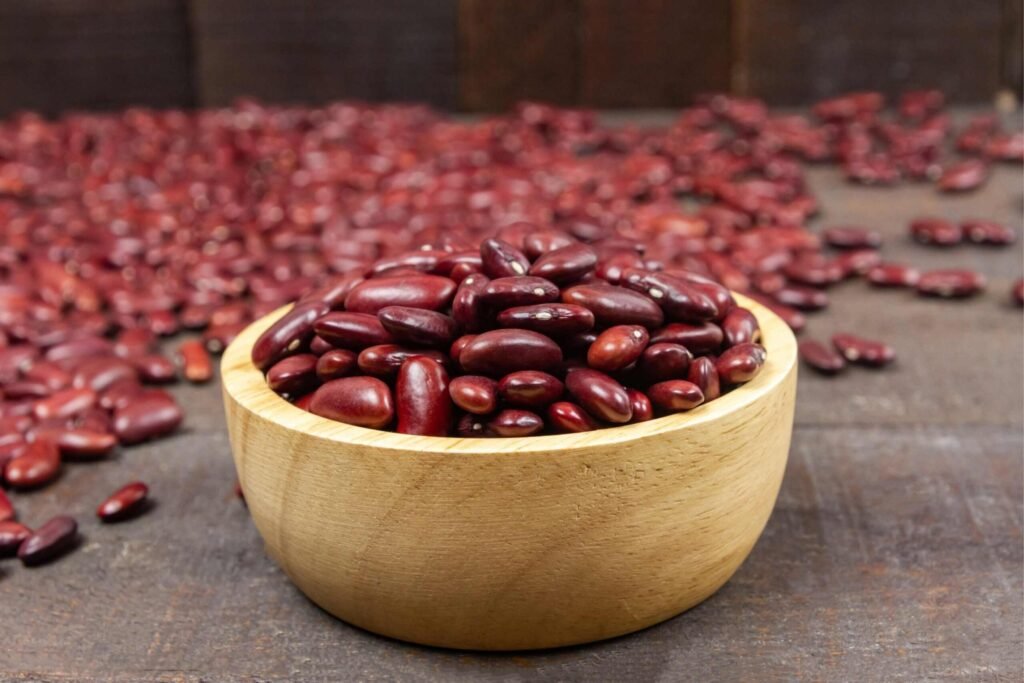
Lectins are natural proteins found in many plant foods, especially beans, lentils, whole grains, nuts, and some vegetables. They’ve been blamed in popular health books for causing inflammation and autoimmune problems, but the science tells a different story. The real issue is food safety: raw or undercooked beans – particularly red kidney beans – contain a lectin called phytohaemagglutinin, which can cause severe nausea and vomiting if eaten without proper cooking. Fortunately, boiling beans for at least 10 minutes, pressure cooking, or using canned beans destroys these lectins and makes them completely safe.
When properly prepared, legumes are among the healthiest foods you can eat. They provide fiber, resistant starch, plant protein, minerals, and phytochemicals that support gut health, reduce inflammation, and protect against chronic diseases like diabetes and heart disease. Large population studies consistently show that people who eat more beans and lentils live longer and have lower rates of inflammatory disease. Far from being harmful, legumes are a cornerstone of healthy, plant-based diets, and their benefits for arthritis and overall health greatly outweigh any theoretical concerns about lectins.
Nightshades
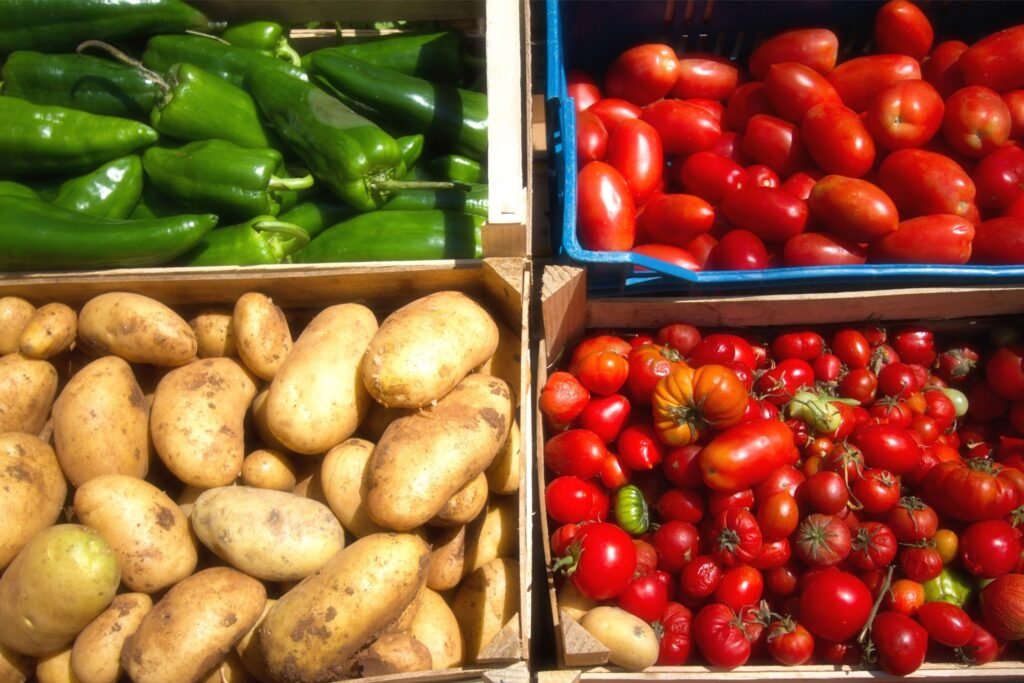
Nightshades are a group of vegetables that include tomatoes, white potatoes, eggplant, and peppers (bell, chili, paprika). They contain natural alkaloids such as solanine and capsaicin, which in very high amounts can irritate the gut or nervous system, though cooking lowers these levels. Some people with arthritis report flares when eating nightshades, but science hasn’t confirmed a consistent link. In many cases, the problem may actually be other compounds within these foods, such as the high amine content of ripe tomatoes and eggplant, or added sugars in processed tomato sauces, rather than the fact they’re nightshades.
Most people tolerate potatoes well, especially when peeled, boiled thoroughly, and the water discarded. but too much can cause blood sugar spikes. Fresh green peppers are also usually more tolerated than chili or paprika. Tomatoes are more often reported as a trigger, but plenty of people can reintroduce them in moderation once their gut is healthier. The key is that reactions are highly individual and often improve as gut integrity and microbial diversity return. If inflammation is active, it may help to set nightshades aside for a while, then consider testing them again later once symptoms are quiet and tolerance is better.
Alkalising
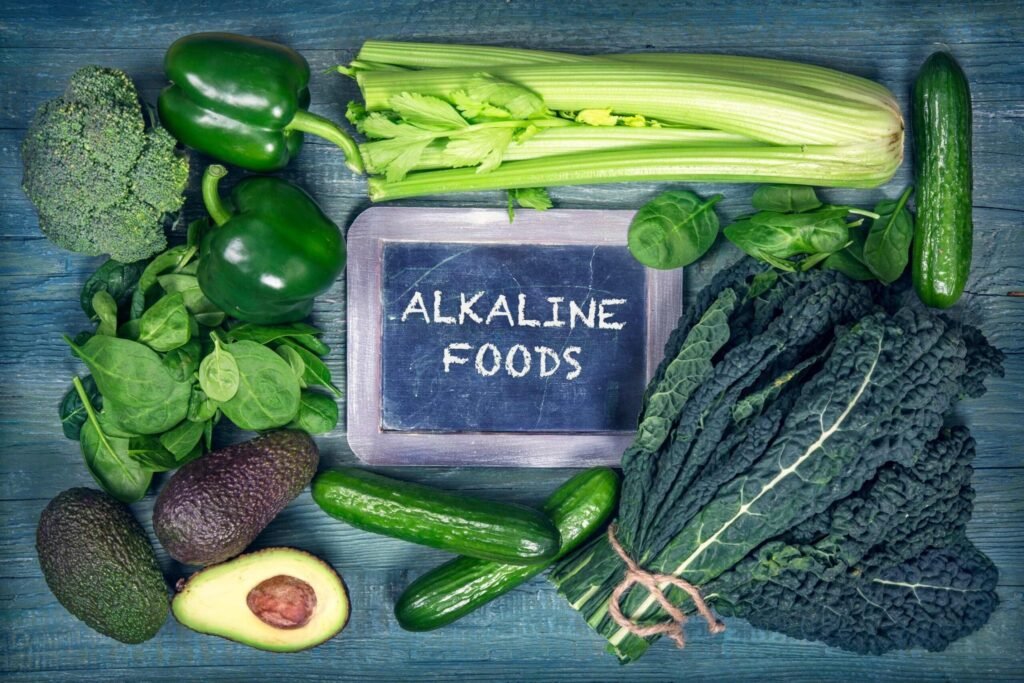
An “alkalizing diet” emphasizes plant-rich, minimally processed foods like vegetables, fruits, legumes, nuts, and seeds, while reducing processed products, excess sugar, and animal fats. Despite common claims, these foods do not actually change your blood pH, which is tightly regulated. Instead, their benefits come from being nutrient-dense, high in potassium, magnesium, antioxidants, and fibre – all of which support gut integrity, reduce oxidative stress, and ease inflammation. People usually feel significant improvements in joint comfort, digestion, and energy sometime after shifting toward this plant-based pattern.
The real value of an alkalizing approach is not in “neutralizing acidity” but in displacing pro-inflammatory foods with natural, healing ones. A diet built around leafy greens, legumes, berries, and other alkaline-promoting foods helps lower inflammatory load, diversify the microbiome, and support stronger bones and muscles. The main caution is not to over-restrict or rely on rigid “acid vs. alkaline” charts – balance and variety are key. Think of alkalizing foods as a practical shortcut to eating more of the plant-based whole foods already known to protect long-term health and reduce arthritis pain.
Apple Cider Vinegar

Apple cider vinegar (ACV) is often discussed in relation to inflammation and joint health, and while it is not supported as a direct treatment for arthritis, research does show several documented physiological benefits. Human studies indicate that ACV can support blood glucose regulation, improve insulin sensitivity, assist appetite control, and contribute to weight stability and metabolic efficiency. Research also points to benefits in lipid metabolism, cardiovascular markers, digestive function, gut ecology, and microbial balance. Through these metabolic, gut, and immune signaling pathways, ACV may indirectly support overall inflammatory tone, energy regulation, and systemic health, even if it is not a targeted anti-inflammatory therapy.
At the same time, ACV is acidic, and regular internal use, especially undiluted, can irritate the gastrointestinal tract and damage tooth enamel. Very high or frequent intake has been associated with electrolyte imbalance and potential effects on bone metabolism, although strong long-term human data are limited. There is no strong evidence that ACV directly improves bone strength, joint structure, or arthritis disease activity. For people with inflammatory disease, ACV is best viewed as a metabolic and gut-supportive tool rather than a treatment. If used, it should be diluted, used moderately, and integrated into a broader strategy focused on diet, gut health, metabolic regulation, and inflammation control.
Fasting
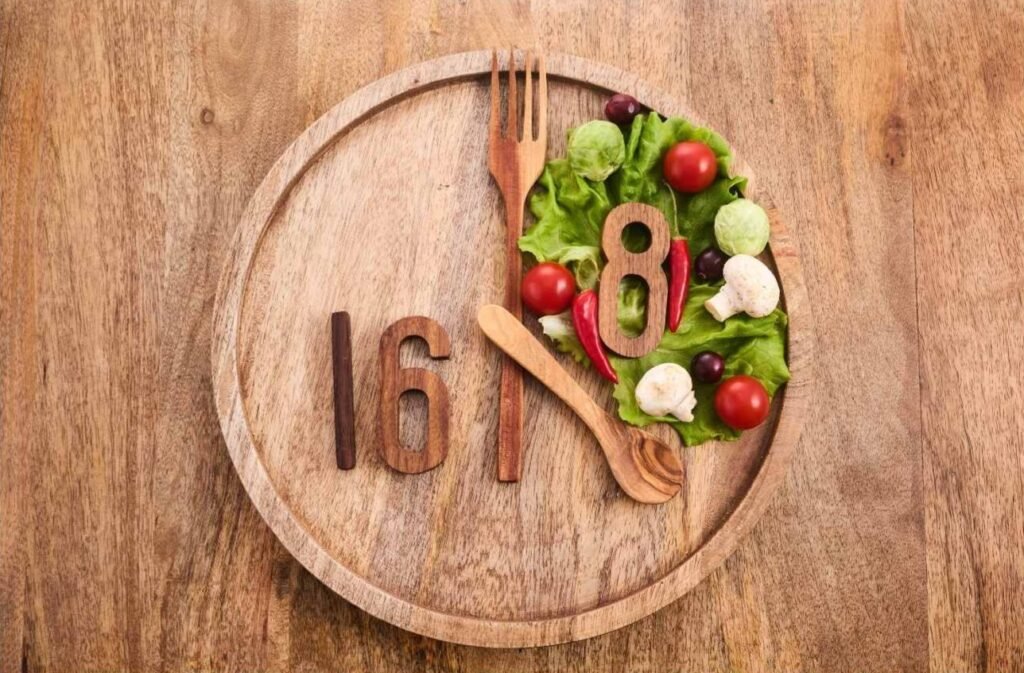
Fasting is one of the most powerful yet overlooked tools for reducing inflammation and calming autoimmune activity. Studies show that both intermittent fasting (such as time-restricted eating) and longer fasts can lower inflammatory markers like CRP, IL-6, and TNF-α, reset immune memory, and promote autophagy – the body’s process of clearing damaged cells. Fasting also shifts the gut microbiome in a favorable direction, supporting barrier repair and reducing the “leaky gut” that fuels arthritis flares. Even short fasts can bring noticeable relief in pain and stiffness, with extended fasts producing particularly dramatic improvements.
The benefits of fasting depend greatly on what comes after. Clinical trials demonstrate that extended fasting followed by a whole-food, plant-based diet sustains remission more effectively than reintroducing animal products or added oils. This combination not only supports gut health but also reduces oxidative stress and slows joint damage over time. Intermittent fasting and time-restricted eating can be easier entry points, giving the digestive system time to rest and repair each day while reinforcing the same anti-inflammatory pathways. For those seeking natural recovery, fasting is less about deprivation and more about giving the body a chance to reset before nourishing it with the right foods.
Relaxing

Digestion works best when the body is in a calm, parasympathetic state – the so-called “rest and digest” mode. Stress hormones like cortisol and adrenaline can suppress stomach acid, reduce digestive enzyme release, and even disrupt the balance of gut bacteria, while relaxation promotes healthy gut motility, better nutrient absorption, and a stronger intestinal barrier. The vagus nerve plays a central role in this gut–brain connection, and healthy vagal tone is linked with reduced inflammation and more stable immune function. Simply put, your state of mind has a direct influence on how well your gut can process and use the food you eat.
For this reason, it helps to approach meals with a calm, intentional mindset. Taking a few deep breaths before eating, slowing down, and chewing thoroughly can activate the parasympathetic system and prepare the gut for digestion. Practicing gratitude or focusing on food as nourishment further reinforces this relaxed state. Once you’ve chosen what to eat, it’s important to trust the goodness of the food and be calm. Mindful eating allows your body to make the most of the nutrients provided. This simple habit can improve digestion, support a healthier microbiome, and make meals more enjoyable.
Food Combinations
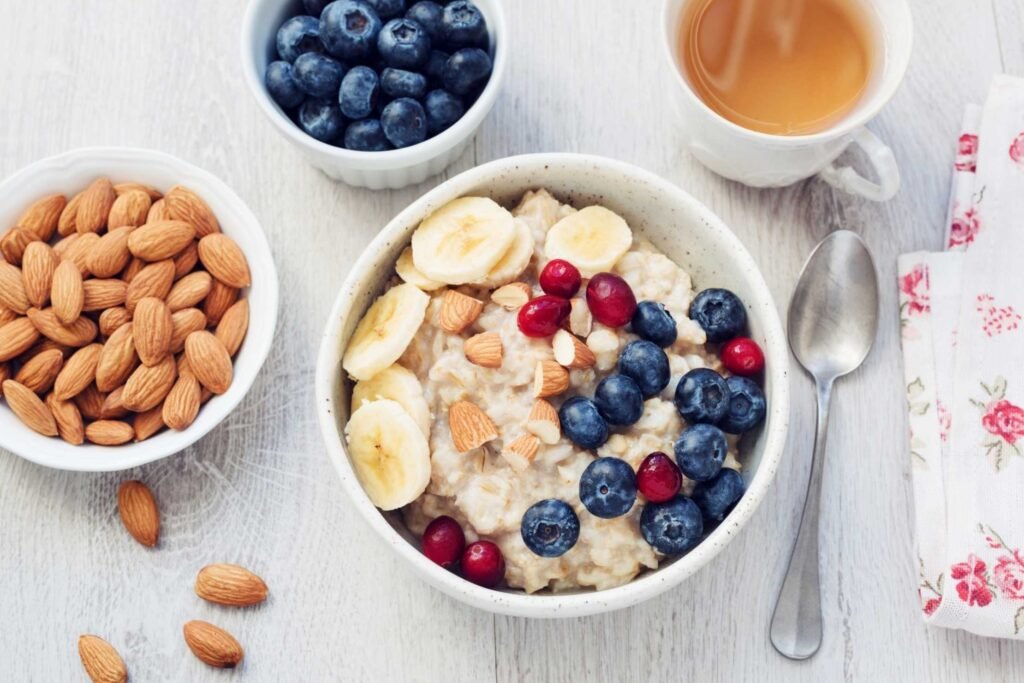
Food pairing, or food combining, looks at how different foods interact in digestion and nutrient absorption. While old traditions promoted strict rules like avoiding fruit with other foods, modern science shows our digestive system can handle mixed meals. What matters more is that certain combinations can boost or reduce nutrient uptake and inflammation. For instance, vitamin C improves absorption of plant-based iron, healthy fats help take in fat-soluble vitamins, and fibre or protein added to starches can steady blood sugar. These simple interactions show how pairings shape health.
In practice, small adjustments make meals more effective. Pair legumes or leafy greens with vitamin C foods like capsicum or citrus. Add avocado, nuts, or olive oil to vegetables to absorb carotenoids and other antioxidants. Combine starches with fibre or protein to prevent blood sugar spikes and reduce inflammation. Soaking or sprouting grains and legumes lowers compounds that block minerals, while leaving tea or coffee for later helps iron absorption. These strategies also support gut health and microbial diversity, making every meal work harder for you. See more about Food Combining.
Testing foods

Photo is stock – only semi descriptive
When you are testing for food reactions, it’s easy to assume that if you eat a food and feel fine, it’s safe – and if you react, it’s not. Unfortunately, it’s rarely that simple. Many food reactions depend on dose, frequency, and combination. You might tolerate a food one day, yet react to it later when your system is already stressed or when it’s combined with others. Reactions can be delayed by hours or frequently days, which makes identifying the real cause extremely difficult. The mind naturally looks for patterns, but correlation often misleads us, creating false conclusions and confusion.
It took me years of food diaries, research, and observation to finally understand the underlying triggers. What I learned is that rather than chasing every apparent reaction, it’s far more effective to exclude all the highly and moderately likely food irritants and stay on a simple, nutritionally complete, low-inflammatory diet (which i developed for myself) until symptoms settle. Once inflammation is very low, you know you have a safe diet protocol to fall back on whenever pain returns. From there, you can reintroduce foods slowly and mindfully – one at a time – building a clear picture of what your body truly tolerates, free from the confusion of guesswork, misplaced correlation and fear. *
List of topic links covered in this Food Science page.
Fats & oils, Omega3, Carbohydrate-Fibre-Starch, Gluten, Protein, Collagen, AS, Vitamins & Minerals, Prebiotics, Fermented Foods, Enzymes, Glycemic Index, Oxidative Stress, Amines, Lectins, Nightshades, Alkalising, ACV, Fasting, Relaxing, Food Combinations, Testing Foods.
Diet Menu Pages
Food Science