
Oral Health
Most people think of oral health as a matter of appearance. Clean teeth, fresh breath, no cavities. But the evidence tells a very different story. What happens in your mouth has profound consequences for your immune system, your joints, your heart, your blood sugar, and your long-term health. Chronic gum disease is not just a dental problem. It is a source of persistent systemic inflammation. A source that most people are carrying without knowing it.
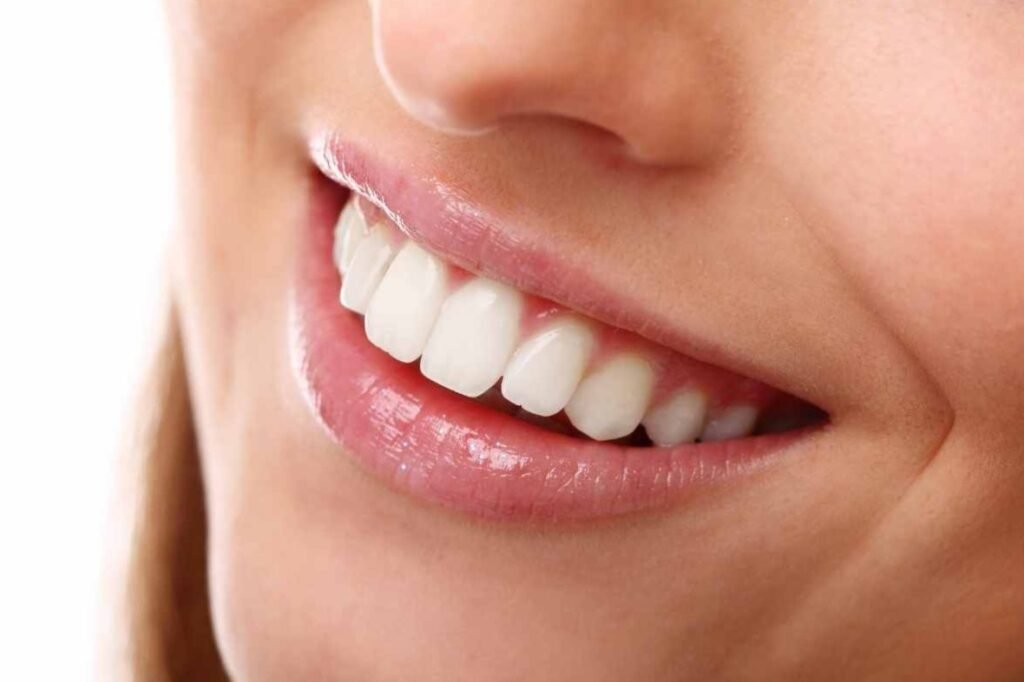
Oral Health & Inflammatory Disease – Key Studies
A 2019 meta-analysis found that individuals with rheumatoid arthritis are twice as likely to have moderate-to-severe gum disease, and that non-surgical periodontal treatment significantly reduced RA disease activity scores and CRP levels.
A 2020 clinical study confirmed measurable improvements in joint pain, stiffness, and systemic inflammation within just three months of treating gum disease in RA patients.
A 2023 joint consensus statement from the European Federation of Periodontology and WONCA Europe concluded that periodontitis is independently associated with cardiovascular disease, and that treating gum disease is linked to improvements in systemic inflammatory markers including CRP and IL-6.
A 2021 meta-analysis covering over 427,000 participants found a 26% increased relative risk of developing diabetes in people with periodontitis — and a 24% increased incidence of periodontal disease in diabetic patients. The relationship runs clearly in both directions.
Oral health isn’t just about teeth. It is a foundational part of managing inflammation across the whole body.
Sleep Tape
Oral Health and Inflammatory Disease
The Mouth as a Gateway to Systemic Inflammation
The mouth is one of the most vascular environments in the body. The gums contain a dense network of blood vessels sitting just beneath tissue that, when inflamed, becomes highly permeable. Chronic gum disease (periodontitis), turns this permeability into a problem that reaches far beyond the mouth itself.
The oral microbiome is a complex community of hundreds of bacterial species living in biofilms on the teeth and gums. In a healthy state, these microbes exist in balance. But when pathogenic species take hold, driven by diet, poor hygiene, or immune vulnerabilities, they produce toxins, including lipopolysaccharides (LPS), that enter the bloodstream through inflamed gum tissue. The result is a sustained, low-grade immune activation that can drive inflammation throughout the body.
Key pathogens include Porphyromonas gingivalis, Fusobacterium nucleatum, and Treponema denticola. These bacteria produce toxins which stimulate immune responses and can enter the bloodstream through inflamed gum tissue. P. gingivalis is particularly significant: it promotes citrullination, a process that modifies proteins in a way that can confuse the immune system. In genetically predisposed individuals, this can spark an autoimmune response against the body’s own tissues which is a hallmark of rheumatoid arthritis.
If you get bleeding gums when you brush or floss, or if you’ve suffered from frequent cavities, it’s very likely that you have some degree of periodontal disease. In fact, two out of every three adults do, and many don’t realise it. Gum disease often progresses silently in its early stages, making awareness and proactive management especially important.
For people with rheumatoid arthritis, axial spondyloarthritis, psoriatic arthritis, or other inflammatory joint conditions, gum disease is not a side issue, it is directly relevant to how your immune system behaves.
Studies have repeatedly shown that people with RA have a significantly higher prevalence of periodontitis, and that treating gum disease can reduce joint pain, swelling, and blood-based inflammation markers like CRP and ESR. The connection lies in shared immune pathways. The same inflammatory mediators, TNF-a, IL-1b, and IL-6, that drive joint destruction in RA are also elevated in chronic gum disease. Managing one condition can meaningfully influence the other.
The bacteria P. gingivalis is particularly implicated. By promoting citrullination, the modification of proteins that the immune system then wrongly attacks, it may help initiate or sustain the autoimmune cycle that underpins RA. Treating the oral source of this immune provocation can, in some people, produce measurable improvements in disease activity.
For anyone with axial spondyloarthritis (including ankylosing spondylitis), psoriatic arthritis, or other chronic inflammatory conditions, the immune system is already under significant stress. An ongoing, untreated gum infection adds to that burden continuously and silently, worsening fatigue, contributing to flares, and undermining recovery. Addressing oral health proactively is one of the most overlooked but evidence-supported steps you can take.
The connection between gum disease and cardiovascular disease is one of the most robustly documented relationships in the oral-systemic health literature. A 2023 joint consensus statement from the European Federation of Periodontology (EFP) and WONCA Europe concluded that periodontitis is independently associated with cardiovascular disease, and that treating gum disease is linked to improvements in systemic health markers.
The mechanisms are now relatively well understood. Oral pathogens, particularly P. gingivalis and Streptococcus species, can enter the bloodstream directly through inflamed gum tissue. These bacteria have been identified in atherosclerotic plaques in arterial walls, where they may directly contribute to the buildup of arterial disease. Separately, the systemic LPS and inflammatory cytokines (IL-6, TNF-a, CRP) released by chronic gum inflammation promote endothelial activation and atherogenesis, the processes that underlie most heart attacks and strokes.
A 2023 meta-analysis covering 26 cohort and case-control studies confirmed that periodontal disease is strongly and independently associated with coronary heart disease, myocardial infarction, and overall cardiovascular disease risk, in both men and women. People with periodontitis showed a CVD prevalence of around 7%, and the association remained significant after adjusting for shared risk factors including diabetes, smoking, and hypertension.
Hypertension is another piece of this puzzle. Individuals with periodontitis have been found to have significantly elevated blood pressure compared to periodontally healthy people, and those with the highest oral bacterial load were nearly four times as likely to have hypertension. As discussed in the protocol section below, the nitrate-reducing bacteria disrupted by antiseptic mouthwashes play a direct role in nitric oxide production, the molecule responsible for relaxing blood vessels and maintaining healthy blood pressure.
A large Scottish population study found that people who brushed less than once a day had a 70% higher incidence of cardiovascular events compared to those who brushed twice daily. The biological mechanisms are consistent: reducing oral inflammation, bacterial load, and LPS exposure through better oral hygiene appears to lower cardiovascular risk. The American Heart Association has published an updated scientific statement acknowledging the growing body of evidence and calling for greater integration between dental and cardiovascular care.
What does this mean practically? If you have gum disease, treating it may reduce your cardiovascular inflammatory burden. And if you have cardiovascular risk factors, like high blood pressure, elevated CRP, or a history of heart disease, then your gum health deserves serious attention as part of your management strategy.
The relationship between gum disease and diabetes is one of the clearest examples of bidirectional inflammation in medicine. These two conditions do not merely coexist, they actively worsen each other.
Diabetes makes gum disease worse. Elevated blood sugar impairs immune function, promotes oral microbial dysbiosis, and impairs tissue healing, all of which allow periodontitis to develop more easily and progress more severely. People with diabetes have a significantly higher incidence of periodontal disease than non-diabetic individuals.
Gum disease makes diabetes worse. Chronic periodontal inflammation drives systemic inflammatory signalling that impairs insulin sensitivity and worsens glycaemic control. A 2021 systematic review and meta-analysis covering data from over 427,000 participants across 10 cohort studies found a 26% increased relative risk of developing diabetes in people with periodontitis, confirming the relationship runs strongly in both directions.
Critically, treating gum disease has been shown to improve glycaemic control in people with diabetes. A systematic review found a clinically meaningful average reduction in HbA1c of around 0.43% following periodontal therapy, comparable in scale to adding a second-line diabetes drug. For anyone managing diabetes or pre-diabetes, oral health should be actively monitored and addressed as a core component of metabolic health, not as an afterthought.
The European Federation of Periodontology and the American Academy of Periodontology have jointly called for treating periodontal infections as an integral part of diabetes management. The connection is no longer theoretical.
Diet strongly influences the oral microbiome, yet it remains one of the most overlooked aspects of dental care. Modern diets high in refined carbohydrates and sugar promote acid-producing bacteria that damage enamel and drive gum inflammation. In contrast, a diet rich in whole foods, fibre, and polyphenols creates conditions where beneficial bacteria can thrive.
Reducing Sugar and Refined Carbohydrates
Frequent sugar intake feeds acid-producing bacteria such as Streptococcus mutans. These bacteria ferment sugars into acids that dissolve tooth enamel. Each sugar exposure can lower oral pH for 20 to 40 minutes, promoting enamel demineralisation. Frequent snacking or sipping sweet drinks prolongs this acid exposure and significantly increases cavity risk.
Reducing sugar intake and limiting the frequency of sugar exposure is one of the most evidence-based strategies for protecting teeth. Anthropological evidence reinforces this: prehistoric humans had extremely low rates of cavities compared with modern populations. When agriculture and refined carbohydrates became widespread, rates of tooth decay increased dramatically, suggesting that diet and lifestyle changes, rather than simply poor hygiene, are the major drivers of modern dental disease.
Fibre and Whole Foods
Whole foods rich in fibre support oral health in several ways. They stimulate saliva production, dilute sugars and acids, encourage chewing, and feed beneficial bacterial populations. Saliva is one of the body's natural defences against tooth decay: it neutralises acids and delivers minerals that help repair enamel. A diet built around whole, unprocessed foods naturally supports this cycle.
Foods That Actively Support a Healthy Oral Microbiome
Some foods go beyond simply avoiding harm. They actively help shift the oral microbiome toward healthier bacterial populations.
Green Tea
Green tea contains catechins, particularly epigallocatechin gallate (EGCG), which have potent antimicrobial and anti-inflammatory properties. Studies show that green tea can inhibit bacteria associated with cavities and gum disease, including Streptococcus mutans and Porphyromonas gingivalis. Importantly, green tea appears to selectively suppress pathogenic species while preserving beneficial microbes, a significant advantage over broad-spectrum antimicrobial approaches. Regular consumption has been associated with lower rates of periodontal disease, and gentle swishing of green tea can support gum health directly without the rebound effects often seen with antiseptic mouthwashes. Not all teas are equal. Black tea offers weaker and less targeted biofilm inhibition, while coffee lacks the specific compounds shown to suppress LPS-producing oral pathogens.
Pomegranate
Pomegranate, particularly the peel or husk, contains powerful polyphenols including punicalagins and ellagic acid. These compounds have been shown to inhibit several oral pathogens, reduce plaque formation, and decrease gingival inflammation. Some studies suggest pomegranate rinses may reduce plaque comparably to conventional antimicrobial rinses. The tannin-based polyphenols interfere with bacterial adhesion, bind biofilm proteins, and disrupt microbial communication, weakening the protective biofilm structures used by pathogenic bacteria like P. gingivalis.
Nitrate-Rich Vegetables
Vegetables such as spinach, rocket (arugula), beetroot, and lettuce contain dietary nitrates. Certain beneficial oral bacteria convert these nitrates into nitric oxide, a molecule that supports vascular health and may suppress pathogenic bacteria. Antiseptic mouthwashes can kill these beneficial nitrate-reducing bacteria, which is one of the key reasons frequent mouthwash use is not recommended. Some studies have even linked frequent antiseptic mouthwash use with slight increases in blood pressure through this same nitric oxide pathway.
Cruciferous Vegetables
Broccoli, cabbage, cauliflower, and similar vegetables contain sulforaphane and related compounds with antimicrobial activity against periodontal pathogens. They also promote chewing and saliva production, adding mechanical benefits alongside their chemical ones.
Polyphenol-Rich Foods
Polyphenols found in berries, cocoa, olives, grapes, and tea help inhibit bacterial adhesion to teeth and reduce inflammatory signalling in gum tissues. Including a variety of these foods regularly supports a more resilient oral microbiome.
Fibrous Vegetables
Crunchy vegetables like carrots and celery act as natural toothbrushes, stimulating saliva and mechanically disrupting plaque accumulation between brushing sessions.
Like the gut microbiome, the oral microbiome is shaped less by eradication and more by balance. Harmful oral bacteria are widespread in the environment and tend to recolonise quickly, which makes repeated antibacterial "wipe-outs" counterproductive. Over time, harsh mouthwashes and chemical treatments can disrupt beneficial bacteria, leaving the oral ecosystem fragile and prone to recurring imbalance.
Rather than attempting to sterilise the mouth, I focus on creating an environment that supports beneficial microbes while keeping pathogenic species in check. This approach aligns with growing evidence that oral dysbiosis (particularly involving Gram-negative bacteria) can contribute to systemic inflammation through the release of lipopolysaccharide (LPS), especially when gum or gut barriers are compromised.
Controlling the bacteria in your mouth – especially Porphyromonas gingivalis, a keystone pathogen in periodontal (gum) disease – is about much more than fresh breath and avoiding the dentist. Mounting scientific research links P. gingivalis and poor oral hygiene to multiple chronic inflammatory and systemic diseases, including:
- Periodontal disease (bleeding gums, gum recession, tooth loss)
- Rheumatoid arthritis and other inflammatory arthritides (via citrullination of proteins)
- Cardiovascular disease (heart attacks, atherosclerosis, endocarditis)
- Stroke (linked through inflammation and arterial plaque instability)
- Type 2 diabetes (bidirectional relationship with periodontal inflammation)
- Alzheimer’s disease (evidence of P. gingivalis found in brain tissue)
- Adverse pregnancy outcomes (including preterm birth and low birth weight)
- Chronic fatigue and systemic inflammation
- Halitosis (bad breath)
- Dental caries and tooth decay
By actively managing your oral microbiome – especially by reducing P. gingivalis – you are not only protecting your teeth and gums, but also lowering your whole-body inflammation, improving metabolic and immune health, and potentially reducing risk of serious chronic disease.
My personal oral health protocols are premium content - see the Oral Protocols page.
Teeth are not inert structures. Enamel constantly undergoes cycles of demineralisation and remineralisation, and the right nutritional foundation supports this natural repair process while also influencing the immune environment of the gums.
Calcium
Calcium is the primary mineral in teeth and bones. Adequate dietary calcium supports saliva mineral content and helps maintain jawbone density, providing the raw material needed for ongoing enamel remineralisation.
Magnesium
Magnesium helps regulate calcium metabolism and contributes to the proper mineralisation of both bones and teeth. Without adequate magnesium, calcium cannot be used effectively, making these two minerals closely interdependent.
Vitamin D
Vitamin D increases calcium absorption and supports immune defences in the gums. Low vitamin D status has been associated with increased cavity risk and periodontal disease. Given its central role in immune modulation, vitamin D is particularly relevant for anyone managing an inflammatory or autoimmune condition.
Vitamin K2 (especially MK-7)
This often-missing fat-soluble vitamin activates proteins that help guide calcium into your teeth and bones, and away from soft tissues like arteries or joints. Without adequate K2, you may be more vulnerable to cavities even with good dental hygiene and adequate calcium intake. And more cavities mean more hiding places for bacteria like P. gingivalis, which can fuel gum disease and contribute to systemic inflammation. Supporting proper calcium metabolism with K2 may help break this cycle and promote both dental and joint health.
Boron
Boron supports magnesium retention and vitamin D metabolism, and may indirectly support bone and tooth health through these pathways. As outlined in the protocol section above, boron also appears to have direct benefits for oral microbiome balance through its effects on biofilm structure and bacterial quorum sensing.
While good mineral nutrition supports tooth strength and remineralisation, it works best as part of a comprehensive approach. It does not replace good oral hygiene or a healthy diet.
Fluoride
Fluoride remains widely recognised for its ability to remineralise enamel and prevent tooth decay. It strengthens enamel by forming fluorapatite, which is more resistant to acid attack, and also inhibits bacterial metabolism. Decades of research support its effectiveness in reducing cavities.
However, fluoride is indiscriminate in its antimicrobial effects, meaning it can affect beneficial bacteria in the oral microbiome along with harmful ones. Additionally, many commercial fluoride toothpastes contain ingredients like sodium lauryl sulfate (SLS) and alcohol, which can increase the permeability of gum tissue, potentially allowing bacterial toxins and pathogens easier access.
Hydroxyapatite
Hydroxyapatite is the natural mineral component of tooth enamel. Newer toothpastes containing nano-hydroxyapatite can fill microscopic defects in enamel and promote remineralisation without the microbiome disruption associated with fluoride. Clinical trials suggest hydroxyapatite toothpastes may be comparable to fluoride in preventing cavities, and they support enamel repair while helping maintain a healthier oral ecosystem. For those seeking gentler, microbiome-friendly options, nano-hydroxyapatite and calcium-phosphate blend formulas are worth considering.
Xylitol
Xylitol is a natural sugar alcohol that bacteria such as Streptococcus mutans cannot metabolise effectively. Regular use of xylitol gum or mints has been shown to reduce cavity-causing bacteria, lower cavity risk, and may also reduce P. gingivalis and biofilm formation, supporting gum health without the negative effects of indiscriminate antimicrobials.
Antiseptic mouthwashes can reduce bacteria temporarily but may also disrupt beneficial microbes in ways that have systemic consequences. Frequent use of strong antiseptic mouthwashes has been shown to reduce nitrate-reducing bacteria, the very bacteria that convert dietary nitrates from leafy greens into nitric oxide, a molecule important for vascular health and pathogen suppression. Some studies have linked frequent antiseptic mouthwash use with slight increases in blood pressure through this mechanism.
Alcohol-based mouthwashes may also irritate oral tissues and increase gum permeability. Alcohol-free options are generally preferred when mouthwash is used at all. For most people, mouthwash is not essential if diet and oral hygiene are good. I do not use commercial mouthwashes as part of my regular protocol.
Baking soda is one of the most well-researched and genuinely gentle tools available for daily oral care, and one that is often unfairly lumped in with harsher abrasives. I brush with a small amount most days, particularly before bed, and have found it consistently beneficial without any signs of enamel wear or tissue irritation.
The evidence supports this experience. Sodium bicarbonate has a Relative Dentin Abrasivity (RDA) score of around 7, placing it among the least abrasive substances used in oral care. For context, most commercial toothpastes score between 70 and 150. Toothpastes containing baking soda as an ingredient have been shown in multiple clinical trials to reduce plaque more effectively than non-bicarbonate pastes, without damaging enamel or dentin with regular use.
Its primary mechanism is alkalising. Baking soda raises oral pH, neutralising the acids produced by pathogenic bacteria. Since acid-producing species like Streptococcus mutans thrive in acidic conditions, shifting the pH regularly disrupts the environment they depend on, without the blunt-force approach of broad-spectrum antimicrobials. It also helps disrupt biofilm structure, making plaque easier to remove mechanically.
Baking soda does not contain fluoride and does not remineralise enamel directly, so it works best as part of a broader approach that includes adequate mineral nutrition and saliva support. But as a daily oral hygiene tool, particularly for anyone managing gum disease or systemic inflammation, it is low-cost, low-risk, and genuinely effective.
Hydrogen peroxide (H2O2) is a strong oxidising agent that kills bacteria by producing reactive oxygen species, disrupts biofilms, and whitens teeth by oxidising surface stains. Unlike baking soda, it is best used occasionally rather than daily, and that distinction matters.
Evidence for Antimicrobial Effects
Hydrogen peroxide is effective at reducing cavity-causing bacteria such as Streptococcus mutans and certain periodontal pathogens. It may help reduce plaque formation and temporarily lower bacterial load, making it a useful short-term tool for disrupting pathogenic biofilms, particularly during periods of active gum inflammation or when you want a deeper oral reset.
Limitations
Despite anecdotal reports of "healing cavities," there is no high-quality clinical evidence that hydrogen peroxide alone can remineralise enamel or reverse established cavities. Apparent improvements typically reflect remineralisation of very superficial early lesions in the context of a healthy diet, saliva, and mineral intake, or whitening effects that make teeth appear healthier.
Safe Use Guidelines
Use low concentrations (1 to 3%) for short-term rinses only. Avoid swallowing. Higher concentrations can cause burns, sensitivity, or tissue irritation. Chronic daily use, even at low concentrations, may disrupt the oral microbiome and irritate gum tissue over time. This is where it differs meaningfully from baking soda. I use it sparingly and occasionally as a targeted intervention, not as a daily habit.
Saliva is one of the body's most powerful natural defences against tooth decay and gum disease. It neutralises acids, washes away food particles, delivers calcium and phosphate for enamel repair, and contains antimicrobial proteins that help regulate microbial populations.
Allowing the mouth to dry out, particularly during sleep, increases the risk of dysbiosis, tooth decay, and gum inflammation. Practices that actively support healthy saliva include staying well hydrated throughout the day, chewing fibrous whole foods, and using xylitol gum between meals. Nasal breathing during sleep is perhaps the single most important habit for maintaining overnight saliva flow and morning oral health.
Breathing through the nose rather than the mouth is important for oral health and is often underappreciated. Mouth breathing, especially during sleep, dries out the mouth and reduces saliva flow, creating conditions that favour harmful bacteria and increase the risk of cavities and gum disease.
Chronic mouth breathing can also contribute to gum inflammation and may influence facial and jaw development in children. If you suspect mouth breathing is affecting you, it deserves serious attention. Consider sleep tape if appropriate. The downstream effects on oral health can be significant.
An often-overlooked aspect of daily oral care: toothbrushes naturally become colonised with bacteria from the mouth and the surrounding environment. Simple habits make a meaningful difference.
- Rinse the brush thoroughly after each use
- Store it upright in open air to dry, not in a closed container, which traps moisture and promotes bacterial growth
- Keep brushes away from the toilet area
- Replace every three months, or after illness
Allowing the brush to fully dry between uses is particularly important, as moisture is necessary for bacterial metabolism and replication. A dry, open environment limits bacterial survival regardless of species.
If you have visible tooth decay or cavities, it is crucial to get them treated. Cavities can harbour colonies of pathogenic bacteria that continuously stimulate your immune system and perpetuate systemic inflammation, a dangerous situation for anyone with autoimmune or inflammatory conditions.
Even outside of autoimmunity, poor oral health adds to the body's total inflammatory burden. For people with axial spondyloarthritis (e.g., ankylosing spondylitis), psoriasis, cardiovascular disease, or metabolic conditions, the immune system is already under significant demand. An ongoing, untreated gum infection can worsen fatigue, trigger flare-ups, and impair recovery. Addressing oral health proactively is not a peripheral concern. It is a direct lever on systemic inflammation.
Maintaining optimal oral hygiene remains a cornerstone of prevention and inflammation control. Brush at least twice a day, ideally with an electric toothbrush, floss daily or use interdental brushes, and schedule professional cleanings every 6 to 12 months. If inflammation is high or you have active periodontal disease, follow the protocol outlined above for additional microbiome support.
Diet: Minimise added sugars and refined carbohydrates. Eat high-fibre whole foods and include polyphenol-rich foods such as green tea, berries, and pomegranate. Eat nitrate-rich leafy greens and include cruciferous vegetables regularly.
Daily hygiene: Brush twice daily and clean between teeth daily. Allow your toothbrush to dry properly between uses. Consider baking soda as a gentle daily brushing aid and occasional hydrogen peroxide rinses (1 to 3% solution, short-term only) as a supplemental antimicrobial tool.
Support saliva: Stay well hydrated, chew fibrous foods, and consider xylitol gum between meals.
Nutritional support: Ensure adequate calcium, magnesium, vitamin D, and vitamin K2 (particularly MK-7).
Lifestyle: Prioritise nasal breathing, especially during sleep. Avoid frequent antiseptic mouthwash use unless recommended by a dentist. Do not smoke. It weakens gum tissue, impairs healing, and promotes the growth of anaerobic bacteria linked to gum disease.
For anyone with inflammatory arthritis, cardiovascular risk factors, diabetes, or other chronic inflammatory conditions, oral health deserves serious, proactive attention. Gum disease often starts painlessly, but it can silently drive inflammation for years. Addressing it is one of the most overlooked yet powerful steps you can take to reduce immune stress and protect your long-term health.
Kaur, S., White, S., & Bartold, P. M. (2013). Periodontal disease and rheumatoid arthritis: A systematic review. Journal of Dental Research, 92(5), 399–408. — Systematic review confirming a bidirectional association between periodontitis and rheumatoid arthritis, with shared inflammatory mechanisms including elevated CRP and TNF-α.
Zhao, J., de Groot, P., Scott, D. A., et al. (2019). The association between periodontitis and rheumatoid arthritis: A systematic review and meta-analysis. BMJ Open, 9(6), e027196. — Meta-analysis finding individuals with RA are approximately twice as likely to have moderate-to-severe periodontitis; non-surgical periodontal treatment reduced RA disease activity scores and CRP levels.
Cosgarea, R., Tristiu, R., Dumitrascu, D. L., et al. (2020). Effects of non-surgical periodontal therapy on disease activity and inflammatory markers in rheumatoid arthritis patients. Clinical Oral Investigations, 24(2), 763–773. — Clinical study showing measurable improvements in joint pain, stiffness, and systemic inflammation markers (CRP and ESR) within three months of gum treatment.
Badra, M., Sanz, M., & Meyle, J. (2023). The role of the oral microbiome in rheumatic diseases. Periodontology 2000, 93(1), 1–18. — Review highlighting the role of P. gingivalis in triggering protein citrullination and its potential as a trigger of autoimmune activation in genetically predisposed individuals; notes that restoring oral microbiome balance may reduce rheumatic disease activity.
Scannapieco, F. A., & Cantos, A. (2016). Oral inflammation and infection, and chronic medical diseases: Implications for the elderly. Periodontology 2000, 72(1), 153–175. — Reviews how oral dysbiosis and periodontal infection contribute to systemic inflammatory burden, including cardiovascular disease, diabetes, and inflammatory arthritis, via LPS entry through compromised gum barriers.
Herrera, D., Molina, A., Buhlin, K., et al. (2023). Association between periodontal diseases and cardiovascular diseases, diabetes and respiratory diseases: Consensus report of the Joint Workshop by the European Federation of Periodontology (EFP) and WONCA Europe. Journal of Clinical Periodontology, 50(6), 819–841. — Joint consensus statement concluding that periodontitis is independently associated with cardiovascular disease; observational evidence links dental prophylaxis, periodontal treatment, and improved oral hygiene to reduced incidence of cardiovascular events. Moderate evidence supports reductions in CRP and IL-6, and improvements in endothelial function, following periodontal therapy.
Leng, W. D., Zeng, X. T., Kwong, J. S. W., & Hua, X. P. (2023). Periodontal disease is associated with the risk of cardiovascular disease independent of sex: A meta-analysis. Frontiers in Cardiovascular Medicine, 10, 1114927. — Meta-analysis of 26 studies confirming a strong and independent association between periodontal disease and coronary heart disease, myocardial infarction, and overall CVD risk in both men and women; CVD prevalence in periodontitis patients reached approximately 7.2%.
American Heart Association. (2024). Periodontal disease and atherosclerotic cardiovascular disease: A scientific statement. Circulation. — Updated AHA scientific statement synthesising growing evidence from Mendelian randomisation studies, intervention trials, and systemic biomarker research; identifies shared inflammatory and microbiological mechanisms between periodontitis and atherosclerotic cardiovascular disease, and calls for integrated dental-cardiovascular care.
Wang, X., et al. (2025). The impact of periodontitis on cardiovascular disease: Mechanisms, evidence, and therapeutic implications. International Journal of Dentistry, 3694736. — Narrative review identifying oxidative stress, immune-inflammatory responses, and oral microbial dysbiosis as key mechanisms by which periodontitis promotes CVD; notes that patients with periodontitis show elevated systolic and diastolic blood pressure, and that those with the highest oral bacterial load are nearly four times more likely to have hypertension.
de Oliveira, C., Watt, R., & Hamer, M. (2010). Toothbrushing, inflammation, and risk of cardiovascular disease: Results from the Scottish Health Survey. BMJ, 340, c2451. — Population-based study of nearly 12,000 adults finding that those who brushed less than once daily had a 70% higher incidence of cardiovascular events compared to those who brushed twice daily; also found elevated CRP and fibrinogen in less-frequent brushers.
Hopkins, S., Gajagowni, S., Qadeer, Y., et al. (2024). Oral health and cardiovascular disease. The American Journal of Medicine, 137(4), 304–307. — Reviews the evidence linking periodontitis to hypertension, atrial fibrillation, coronary artery disease, diabetes mellitus, and hyperlipidaemia; notes that patients with periodontitis had a 31% higher risk of developing atrial fibrillation, and that platelet activation by oral bacteria contributes to thrombogenesis and atherogenesis.
Stöhr, J., Barbaresko, J., Neuenschwander, M., & Schlesinger, S. (2021). Bidirectional association between periodontal disease and diabetes mellitus: A systematic review and meta-analysis of cohort studies. Scientific Reports, 11, 13686. — Meta-analysis of 10 cohort studies (427,620 participants) finding a 24% increased incidence of periodontal disease in diabetic patients and a 26% increased relative risk of developing diabetes in patients with periodontitis; confirms moderate-certainty evidence for a bidirectional relationship.
Păunică, I., Giurgiu, M., Dumitriu, A. S., et al. (2023). The bidirectional relationship between periodontal disease and diabetes mellitus — a review. Diagnostics, 13(4), 681. — Review establishing that diabetes promotes the prevalence, extent, and severity of periodontitis through hyperglycaemia-driven oral microbial dysbiosis, impaired immune function, and altered tissue healing; conversely, periodontal inflammation worsens glycaemic control and increases risk of diabetes-associated complications.
Graves, D. T., Levine, M. A., Aldosary, S., & Demmer, R. T. (2026). Understanding the periodontitis–diabetes linkage: Mechanisms and evidence. Journal of Dental Research. — Reviews biological mechanisms linking the two conditions; a recent systematic review cited within found a clinically meaningful 0.43% reduction in HbA1c following periodontal therapy in patients receiving diabetes medications — comparable in magnitude to adding a second-line antidiabetic agent.
Herrera, D., Molina, A., Buhlin, K., et al. (2023). Association between periodontal diseases and cardiovascular diseases, diabetes and respiratory diseases: Consensus report of the EFP and WONCA Europe. Journal of Clinical Periodontology, 50(6), 819–841. — (See also Cardiovascular section.) Joint consensus statement calling for periodontal infection treatment to be integrated as part of standard diabetes management, citing consistent evidence of improved systemic health following gum treatment.
Borgnakke, W. S. (2023). Current scientific evidence for why periodontitis should be included in diabetes management. Frontiers in Clinical Diabetes and Healthcare, 4, 1257087. — Perspective article summarising evidence for the two-way link between periodontal disease and hyperglycaemia; highlights that improved oral hygiene has been associated with a reduced risk of new-onset diabetes in a large nationwide cohort study.
Moynihan, P., & Kelly, S. A. M. (2014). Effect on caries of restricting sugars intake: Systematic review to inform WHO guidelines. Journal of Dental Research, 93(1), 8–18. — Systematic review confirming that both the amount and frequency of sugar intake are directly associated with dental caries risk; reducing sugar exposure lowers acid production and cavity development.
Woelber, J. P., Bremer, K., Vach, K., et al. (2017). An oral health optimized diet reduces gingival inflammation by two-thirds. BMC Oral Health, 17, 28. — Intervention study showing that a diet low in processed carbohydrates and rich in whole, fibre-dense foods significantly reduced gingival inflammation within four weeks, independent of oral hygiene measures.
Baumgartner, S., Imfeld, T., Schicht, O., et al. (2009). The impact of the stone-age diet on gingival conditions in the absence of oral hygiene. Journal of Periodontology, 80(5), 759–768. — Study finding that a diet free of processed carbohydrates was associated with very low gingival inflammation even without conventional oral hygiene — underscoring the dominant role of diet in periodontal health.
Kassebaum, N. J., Bernabé, E., Dahiya, M., et al. (2015). Global burden of untreated caries: A systematic review and metaregression. Journal of Dental Research, 94(5), 650–658. — Global analysis establishing untreated dental caries as among the most prevalent health conditions worldwide, with strong links to dietary patterns and access to care.
Marsh, P. D. (2004). Dental plaque as a microbial biofilm. Caries Research, 38(3), 204–211. — Foundational paper establishing that dental plaque is a structured biofilm community with emergent properties that protect bacteria from host defences and antimicrobials; disruption rather than eradication is therefore the more effective management strategy.
Takahashi, N., & Nyvad, B. (2011). The role of bacteria in the caries process: Ecological perspectives. Journal of Dental Research, 90(3), 294–303. — Presents the ecological plaque hypothesis, arguing that disease arises from disruption of microbial balance rather than the presence of a single pathogen; supports microbiome-balancing rather than elimination strategies.
Lamont, R. J., Koo, H., & Hajishengallis, G. (2018). The oral microbiota: Dynamic communities and host interactions. Nature Reviews Microbiology, 16(12), 745–759. — Comprehensive review of oral microbial ecology, including the roles of Porphyromonas gingivalis, Fusobacterium nucleatum, and Treponema denticola in biofilm pathogenicity and systemic immune activation.
Hamilton-Miller, J. M. T. (2001). Anti-cariogenic properties of tea (Camellia sinensis). Journal of Medical Microbiology, 50(4), 299–302. — Reviews the evidence for tea catechins, particularly EGCG, in inhibiting Streptococcus mutans and periodontal pathogens; notes selective suppression of pathogenic species while preserving beneficial bacteria.
Vasconcelos, L. C. S., Sampaio, M. C. C., Sampaio, F. C., & Higino, J. S. (2006). Use of Punica granatum as an antifungal agent against candidosis associated with denture stomatitis. Mycoses, 49(3), 192–196. — Demonstrates antimicrobial activity of pomegranate extracts against oral pathogens; further clinical studies have shown reductions in plaque and gingival inflammation comparable to conventional rinses.
Hyde, E. R., Andrade, F., Vaksman, Z., et al. (2014). Metagenomic analysis of nitrate-reducing bacteria in the oral cavity: Implications for nitric oxide homeostasis. PLOS ONE, 9(3), e88645. — Identifies the role of beneficial nitrate-reducing oral bacteria in converting dietary nitrates to nitric oxide; notes that antiseptic mouthwashes eliminate this pathway, with potential cardiovascular and blood pressure consequences.
Sato, T., Hoshi, S., Kawamura, T., et al. (2018). Effects of topical use of antiseptic mouthwash on oral and systemic nitrite and nitric oxide levels. Nitric Oxide, 78, 93–98. — Demonstrates that regular antiseptic mouthwash use reduces salivary and plasma nitrite levels, suppressing nitric oxide production and potentially elevating blood pressure.
Lynch, R. J. M. (2011). The primary and mixed dentition, post-eruptive enamel maturation and caries. Monographs in Oral Science, 22, 74–93. — Reviews the dynamic mineralisation cycle of enamel; demonstrates the central role of salivary calcium and phosphate, vitamin D, and dietary minerals in supporting ongoing enamel remineralisation.
Amaechi, B. T., AbdulAzees, P. A., Alshareif, D. O., et al. (2019). Comparative efficacy of a hydroxyapatite and a fluoride toothpaste for prevention and remineralization of dental caries in children. BDJ Open, 5, 18. — Randomised controlled trial finding nano-hydroxyapatite toothpaste comparable to fluoride in remineralising early carious lesions and preventing new cavities.
Gruber, H. E., & Stover, S. J. (1994). Human osteoblast response to boron. Environmental Health Perspectives, 102(Suppl 7), 113–116. — Establishes that boron supports bone mineralisation and calcium and magnesium metabolism; underpins boron’s indirect role in dental mineral status.
Cranenburg, E. C. M., Schurgers, L. J., & Vermeer, C. (2007). Vitamin K: The coagulation vitamin that became omnipotent. Thrombosis and Haemostasis, 98(1), 120–125. — Reviews the role of vitamin K2 (MK-7) in activating osteocalcin and matrix Gla-protein, directing calcium into bones and teeth while preventing soft-tissue calcification; relevant to both dental and joint health.
ten Cate, J. M., & Featherstone, J. D. B. (1991). Mechanistic aspects of the interactions between fluoride and dental enamel. Critical Reviews in Oral Biology & Medicine, 2(3), 283–296. — Foundational review of fluoride’s mechanisms: formation of fluorapatite, inhibition of acid-producing bacterial enzymes, and promotion of enamel remineralisation.
Amaechi, B. T., AbdulAzees, P. A., Alshareif, D. O., et al. (2019). Comparative efficacy of a hydroxyapatite and a fluoride toothpaste for prevention and remineralization of dental caries in children. BDJ Open, 5, 18. — (See Remineralisation section.) Clinical evidence that nano-hydroxyapatite achieves outcomes comparable to fluoride without disrupting the oral microbiome.
Milgrom, P., Ly, K. A., & Tut, O. K. (2009). Xylitol and its vehicles for public health needs. Advances in Dental Research, 21(1), 44–47. — Reviews clinical evidence for xylitol in reducing Streptococcus mutans colonisation and cavity incidence; notes selective inhibition of cariogenic bacteria without harming beneficial species.
Nayak, P. A., Nayak, U. A., & Khandelwal, V. (2014). The effect of xylitol on dental caries and oral flora. Clinical, Cosmetic and Investigational Dentistry, 6, 89–94. — Summarises evidence that regular xylitol use reduces biofilm formation and pathogenic bacterial load, supporting a more balanced oral microbiome.
Addy, M., & Moran, J. M. (1997). Evaluation of oral hygiene products: Science is true; don’t be misled by the data. Periodontology 2000, 15(1), 40–51. — Reviews the evidence for hydrogen peroxide’s antimicrobial and whitening mechanisms; notes effective short-term reduction of plaque bacteria while cautioning against chronic use and higher concentrations.
American Dental Association. (2019). Hydrogen peroxide in oral care: Safety and efficacy. ADA Science & Research Institute statement. — Official summary of evidence on H&sub2;O&sub2; concentrations, safe use thresholds, whitening applications, and risks of overuse, including tissue irritation and microbiome disruption.