
Pesticides, Gut Health & Cancer
Many people with arthritis ask whether pesticides in food could be worsening gut health, driving inflammation, or even increasing long‑term disease risks. Below is a balanced, science‑based summary, followed by practical, low‑cost steps to reduce chemical exposure.
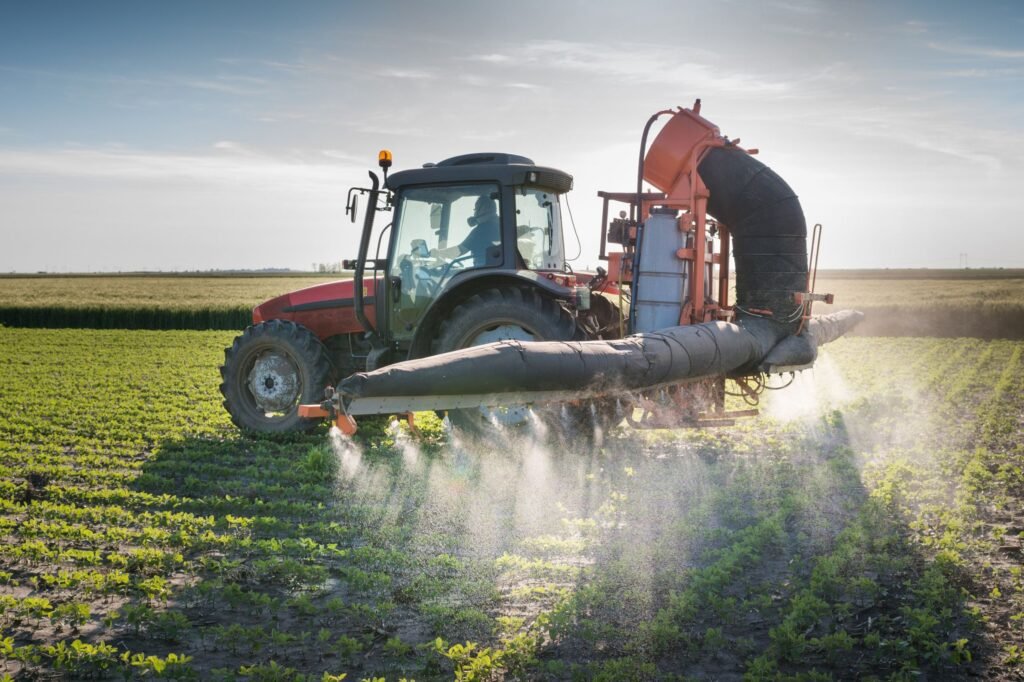
Pesticide Reduction
Pesticides can alter gut microbes and gut barrier function in animal and human studies.
Tight‑junction disruption (“leaky gut”) is reported with some insecticides (e.g., imidacloprid) in lab and animal models.
Observational studies in farming populations link certain pesticide classes to higher rheumatoid arthritis (RA) risk.
Cancer evidence varies by chemical: e.g., glyphosate is classified “probably carcinogenic” (hazard) by IARC, while EFSA’s 2023 review found no critical areas of concern for consumer risk at approved uses.
- Recent reviews link chronic pesticide exposure with endocrine, neurological and some cancer outcomes – especially at occupational levels.
Population biomonitoring detects pesticide metabolites in many people, indicating widespread low‑level exposure.
Diet quality still matters most – keep eating plenty of plants while being smart about highest‑residue items.
“Dirty Dozen” items tend to carry more residues; consider organic or other strategies for these.
Washing under running water helps; soaking some produce in a mild baking‑soda bath can remove more surface residues (12–15 minutes for firm‑skinned items like apples).
Avoid soaps & detergents on produce; they can be absorbed.
Peeling reduces residues but also removes nutrients & fibre.
Frozen and canned options can be lower in residues for some crops, but there are pros and cons.
Buying organic doesn’t guarantee zero residues, but it generally reduces synthetic pesticide exposure.
Pesticides 1o1
1) Gut microbiome
Multiple reviews and experimental studies report that certain pesticides like insecticides and fungicides, can shift gut microbiota composition, microbial metabolism, and mucosal structure – leading to dysbiosis. Animal and experimental models show changes in microbial diversity, metabolite production, and host–microbe interactions following chronic, low-level exposure.
Reviews of dietary pesticide exposure also describe links between microbiome shifts and neuro-immune pathways, including the microbiota–gut–brain axis.
Note: Some commonly discussed chemicals (such as glyphosate) are herbicides, not insecticides. Herbicide-specific mechanisms and exposure patterns are covered on the dedicated Herbicides page.
Bottom line:
The direction and size of microbiome effects depend on the chemical and dose, but there is credible evidence that chronic, low-level exposure to some pesticides can perturb gut microbes.
2) Intestinal permeability (“leaky gut”)
Cell and animal models show tight-junction disruption and increased intestinal permeability after exposure to certain insecticides (e.g., imidacloprid) and organophosphates. These changes are biologically plausible and align with inflammatory pathways relevant to arthritis and other chronic inflammatory conditions.
Human data remain limited, but findings are consistent across experimental systems.
Bottom line:
Evidence is strongest in laboratory and animal studies, but it supports a precautionary approach for people managing inflammatory or autoimmune conditions.
3) Arthritis
Large cohort analyses in agricultural populations (e.g., the Agricultural Health Study) have linked lifetime exposure to specific insecticides and fungicides with a higher risk of rheumatoid arthritis, particularly among women and spouses of pesticide applicators.
Associations vary by compound, exposure intensity, and duration, and not all pesticide classes show consistent effects.
Bottom line:
Associations do not prove causation, but the pattern strengthens the case for minimising exposure – especially to certain insecticides and fungicides.
4) Cancer and general health
Health risks differ substantially by pesticide class and compound. Large reviews associate chronic pesticide exposure with endocrine, neurological, and some cancer outcomes, particularly at occupational exposure levels.
Some widely discussed compounds (e.g., glyphosate) are herbicides, and their cancer classifications and regulatory assessments are addressed in detail on the Herbicides page to avoid confusion between pesticide classes.
Bottom line:
Risk depends on the specific chemical, dose, duration, and exposure context. For consumers, smart food choices can reduce exposure without compromising a nutrient-dense diet.
The “Dirty Dozen” – top 12 for pesticide residues
These crops consistently show higher pesticide residues in U.S. testing, largely due to frequent application of insecticides and fungicides. If budget allows, consider buying these organic, choosing frozen or canned alternatives, or using extra washing and peeling strategies.
Spinach
Strawberries
Kale, collard & mustard greens
Grapes
Peaches
Cherries
Nectarines
Pears
Apples
Blackberries
Blueberries
Potatoes
Note: Annual rankings can change with new data. “Clean Fifteen” crops (e.g., avocado, sweet corn, pineapple) tend to have few or no detectable residues.
How to reduce exposure
Keep the plants, but be smart about sourcing and prep.
1) Prioritise organic where it counts
If you can’t buy all organic, target the “Dirty Dozen.”
For budget relief, buy organic in-season, or choose frozen organic for berries and leafy greens.
2) Wash effectively
Rinse under cool running water for 15–20 seconds; rub or brush firm produce like apples and potatoes.
For firm-skinned fruits and vegetables, a baking-soda bath (about 1 teaspoon per 2 cups water) for 12–15 minutes, then rinse, can remove more surface residues.
Do not use soaps or commercial detergents on produce
Remember: internalised residues (beneath the skin) are less affected by washing
3) Peel and prep strategically
Peeling can substantially reduce residues on apples, pears, potatoes, cucumbers, etc., but you’ll lose fibre and polyphenols – reserve peeling for when exposure concerns are high.
Discard outer leaves of lettuce and cabbage
Trim broccoli and cauliflower stems
Snap asparagus ends
4) Mix up your menu
Rotate produce choices. If one item is often high-residue (e.g., strawberries), swap in lower-residue alternatives (e.g., kiwi, pineapple, melon) some weeks.
Consider frozen or canned options (BPA-free lining, no added sugar or salt ideally).
5) Buy smarter
Shop local organic where possible
Ask growers about pest-management practices
Choose in-season produce (often lower cost; sometimes fewer sprays)
Store produce properly to minimise spoilage so you can afford organic where it matters
6) Big-picture habits
Keep a diverse, plant-forward diet; the benefits of fruits and vegetables are substantial
Support integrated pest management and organic practices with your purchases
Quotations – from scientific literature
- “Baking soda… removed up to 96% of phosmet and 80% of thiabendazole from apple surfaces after 12–15 minutes.”
– Journal of Agricultural and Food Chemistry, 2017. - “Occupational pesticide exposure associated with increased risk of ACPA-positive RA.”
– Annals of the Rheumatic Diseases, multi-country data. - “Chronic pesticide exposure associated with endocrine, neurologic and some cancer outcomes.”
– Systematic review, 2024.
References
- Zhang X et al. “Imidacloprid increases intestinal permeability by disrupting tight junction proteins.” Ecotoxicology and Environmental Safety 2021;213:112476.
- Nguyen H et al. “Ambient long-term exposure to organophosphorus pesticides and the human gut microbiome.” Environmental Health 2024;23:XX.
- Parks CG et al. “Associations between pesticide use and rheumatoid arthritis among older farmers in the Agricultural Health Study.” Scientific Reports 2025;15:XXXX.
- Meyer A et al. “Pesticide exposure and risk of rheumatoid arthritis among licensed male pesticide applicators.” Environmental Health Perspectives 2017;125(7):077010.
- Parks CG et al. “Rheumatoid Arthritis in Agricultural Health Study Spouses.” Environmental Health Perspectives 2016;124:1728-1734.
- He L et al. “Effectiveness of water, sodium bicarbonate, and bleach in removing surface pesticides from apples.” Journal of Agricultural and Food Chemistry 2017;65(44):9449-9456.
- U.S. FDA. “Selecting and Serving Produce Safely.” Guidance page, current version 2024.
- U.S. USDA Office of Pest Management Policy. “Pesticide Residues on Fruits and Vegetables.” Factsheet, 2021.
- CDC/NHANES. “Organophosphate Insecticides – Dialkyl Phosphate Metabolites – Urine (OPD_J).” 2017–2018 dataset documentation, 2022.
- Environmental Working Group (EWG). Shopper’s Guide to Pesticides in Produce™ 2025.
- Yang S et al. “Comparative study on efficiency of pesticide residue removal by washing methods in leafy vegetables and fruits.” Journal of the Korean Society of Food Science and Nutrition 2024.
This page is educational and not a substitute for medical advice. For personalised care, consult your healthcare professional.