
Taurine
Research shows that taurine can help suppress certain pathogenic bacteria, including Klebsiella pneumoniae, which are linked to conditions such as inflammatory arthritis, leaky gut, and irritable bowel.
Quick Facts
Taurine = immune modulator + gut protector + pathogen suppressor
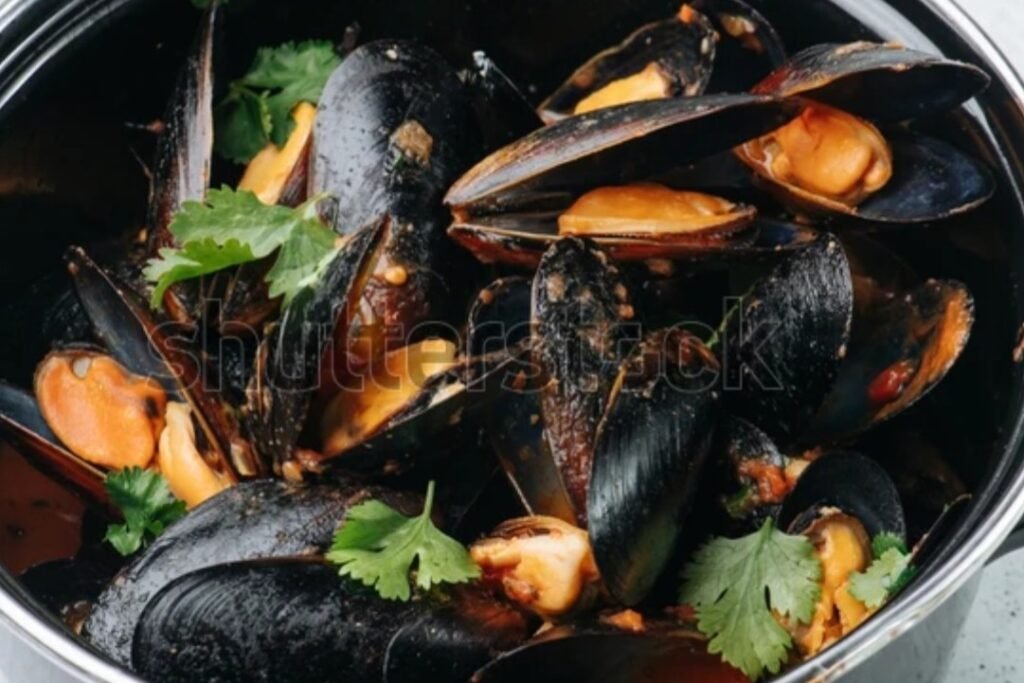
Mussels & scallops = high taurine without excess zinc
Oysters = high taurine + very high zinc (occasional use best)
Targets Klebsiella pneumoniae and other gut pathogens
Heat-stable in cooking/canning
Action Points
Eat taurine-rich seafood 1–3× per week
Use mussels or scallops for frequent taurine intake, oysters for zinc boosts
If using canned shellfish, include
liquid for extra taurineAvoid chronic zinc overload — rotate protein sources
Pair with gut-friendly diet: fibre, polyphenols, fermented foods
Taurine, Immune Function and Arthritis
Taurine is a naturally occurring amino acid found in high amounts in oysters, mussels, and other seafood. It plays a vital role in immune function, gut barrier integrity, and the regulation of inflammation.
How Taurine Works Against Pathogenic Bacteria
Immune modulation – helps immune cells work efficiently without overreacting
Barrier protection – supports the gut lining, reducing “leaky gut”
Anti-inflammatory effects – reduces excessive inflammatory responses
Direct antimicrobial action – taurine is converted into taurine chloramine (TauCl), which inhibits pathogens such as Klebsiella pneumoniae
Supports microbiome balance – by suppressing harmful bacteria, taurine allows beneficial species to thrive
Taurine and Klebsiella pneumoniae
K. pneumoniae has been linked to ankylosing spondylitis and other inflammatory conditions
Taurine reduces colonisation of K. pneumoniae by strengthening gut defences
Encourages an intestinal environment less favourable to these pathogens
Taurine and Other Gut Pathogens
Evidence suggests taurine may also help control:
Enteropathogenic E. coli
Clostridioides difficile
Salmonella species
Bacteria that flourish when gut barrier function is weakened
Taurine & Zinc Content of Selected Foods
| Food (100 g, cooked weight) | Taurine (mg) | Zinc (mg) |
|---|---|---|
| Oysters (Pacific) | ~655 | 90–150 |
| Mussels | ~655 | 2–3 |
| Clams | ~520 | 1–2 |
| Scallops | ~827 | 1.5–2 |
| Tuna (dark meat) | 30–230 | 0.8–1.2 |
| Mackerel | 50–180 | 0.7–1 |
| Eggs (whole, large ~50 g) | 15–20 | 0.6 |
Key takeaway
If you want high taurine without excessive zinc, mussels, scallops, clams, tuna, and mackerel are better choices than oysters. Oysters are excellent for zinc repletion but can exceed the safe daily limit if eaten often in large amounts.
Zinc: Benefits, Limits, and Toxicity Risks
Recommended Daily Intake (RDI):
Men: 11 mg/day
Women: 8 mg/day
Upper Limit (UL): 40 mg/day (National Health and Medical Research Council, 2006)
Toxicity risk: Regular intake of 5–10× RDI (≈50–100+ mg/day) can cause problems
Possible symptoms of chronic high zinc intake:
Nausea, vomiting, stomach cramps
Headaches, fatigue
Loss of appetite
Altered taste and smell
Copper deficiency → anaemia, immune suppression, neuropathy
Reduced HDL (“good”) cholesterol
Impaired absorption of iron and magnesium
Acute toxicity (very large single doses) can cause severe nausea, vomiting, abdominal pain, and diarrhoea within hours.
Taurine Stability in Cooking and Canning
Taurine is heat-stable — survives boiling, steaming, smoking, and canning
Some taurine may dissolve into cooking or canning liquid — consuming the liquid increases intake
Zinc is unaffected by heat
Suggested Intake for Taurine
No official RDI, but studies often use 500–2000 mg/day for health effects
100 g mussels or oysters = ~650 mg taurine
For balanced nutrient intake, rotate sources — avoid eating large oyster servings daily to keep zinc in safe range
Potential Benefits for Conditions Like:
Inflammatory arthritis (including ankylosing spondylitis)
Irritable bowel syndrome (IBS)
Leaky gut / increased intestinal permeability
Post-antibiotic microbiome recovery
General gut inflammation
References
Zhang et al., 2021 – Taurine chloramine and gut inflammation modulation
Guo et al., 2019 – Taurine’s role in maintaining intestinal barrier integrity
Huxtable, R.J., 1992 – Physiological actions of taurine
National Health and Medical Research Council, 2006 – Nutrient Reference Values for Australia and New Zealand: Zinc
Wang et al., 2018 – Taurine and suppression of Klebsiella pneumoniae colonisation