
Body Systems & Inflammation
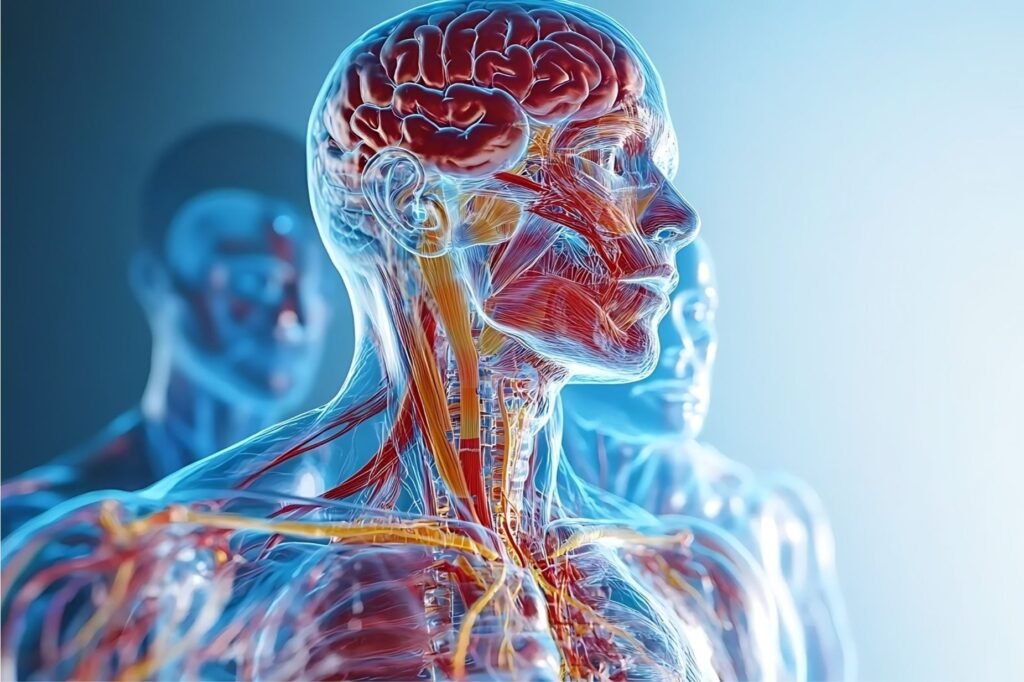
Systems Overview
Inflammatory disease does not exist in isolation within a single joint, organ, or tissue. It arises from complex interactions between multiple body systems that regulate immunity, digestion, circulation, detoxification, repair, and communication. When these systems become dysregulated, overloaded, or disconnected from one another, chronic inflammation can take hold and persist, often long before a diagnosis is made.
Understanding how the body’s core systems work together is one of the most empowering steps a person can take when dealing with arthritis, autoimmune disease, chronic pain, or unexplained inflammation. Rather than chasing symptoms, this systems-based perspective helps identify why inflammation is occurring, where regulation has broken down, and how lifestyle, nutrition, stress, movement, and environment can restore balance and resilience across the whole body.
The Body’s Barrier Systems
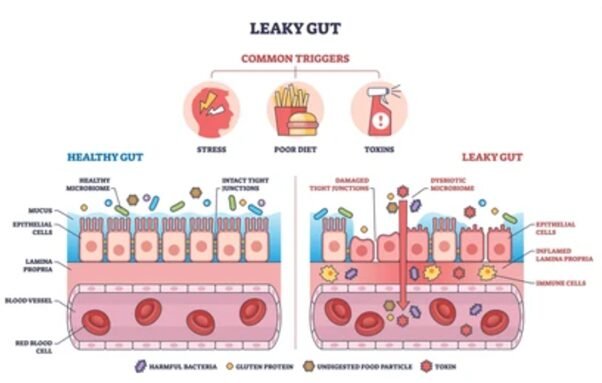
The body’s barrier systems are the critical interfaces between the external environment and the internal bloodstream. These barriers determine what is allowed to enter the body, what is kept out, and how the immune system responds to potential threats. When functioning well, they protect against infection, toxins, and immune overstimulation. When compromised, they can become a major driver of chronic inflammation and immune dysfunction.
Barrier dysfunction is now recognised as a foundational factor in many inflammatory and autoimmune conditions. The intestinal lining, oral tissues, respiratory tract, skin, and blood–brain barrier all play essential roles in immune regulation. Damage or increased permeability in any of these barriers can allow inflammatory triggers to enter circulation, activating immune responses far from the original site. Supporting barrier integrity is therefore a central strategy in reducing systemic inflammation and promoting long-term health.
The body’s barrier systems are composed of specialised epithelial and endothelial layers that tightly regulate exchange between the external world and internal circulation. These barriers include the intestinal epithelium, oral and nasal mucosa, lung airways, skin, and the blood–brain barrier. Their function relies on physical tight junctions, immune signalling, mucus layers, antimicrobial peptides, and a balanced microbiome.
When barrier integrity is compromised, substances that are normally excluded can pass into the bloodstream or surrounding tissues. This process can activate immune cells, increase inflammatory signalling, and contribute to chronic immune activation.
- Intestinal permeability: Damage to tight junction proteins in the gut lining can allow bacterial fragments, undigested food proteins, and toxins to enter circulation, triggering systemic inflammation.
- Oral barrier disruption: Inflamed or bleeding gums provide a direct pathway for oral bacteria and inflammatory molecules to enter the bloodstream, contributing to immune activation beyond the mouth.
- Respiratory epithelial damage: Chronic irritation or infection of airway linings can increase immune exposure and inflammatory signalling.
- Blood–brain barrier changes: Altered permeability may allow inflammatory mediators to influence brain function, pain processing, mood, and neuroinflammation.
Barrier breakdown does not usually occur in isolation. Diet, medications (including antibiotics and NSAIDs), chronic stress, sleep disruption, alcohol, infections, environmental toxins, and microbiome imbalances can all weaken barrier function over time. Once compromised, the immune system may remain persistently activated, even in the absence of obvious infection.
Strategies that support barrier health include nutrient-dense diets, adequate protein and micronutrients, fibre and polyphenol intake, microbiome support, stress regulation, sufficient sleep, and reducing ongoing chemical and dietary irritants. Restoring barrier integrity is increasingly viewed as a prerequisite for resolving chronic inflammation rather than simply suppressing immune responses.
The Immune System
The immune system is the body’s primary defense against infections, toxins, and cellular damage. It detects and neutralizes threats, coordinates tissue repair, and communicates with other body systems to maintain balance. When functioning optimally, it protects without overreacting. However, in inflammatory diseases, the immune system may become dysregulated, attacking healthy tissues or remaining chronically activated, leading to persistent inflammation, joint damage, fatigue, and systemic symptoms.
A well-functioning immune system relies on the coordinated activity of multiple cell types, organs, and signaling pathways. Dysregulation can arise from genetic predisposition, environmental triggers, infections, stress, diet, or barrier system breakdown. Chronic immune activation produces inflammatory cytokines, alters tissue repair, and can influence distant organs beyond the initial site of inflammation. Supporting immune balance through lifestyle, nutrition, microbiome health, and stress management is critical in reducing inflammatory burden and promoting long-term systemic resilience.
The immune system is composed of innate and adaptive components that work together to detect and respond to threats. Innate immunity provides rapid, non-specific defense, while adaptive immunity develops targeted, long-term responses through B and T lymphocytes. Proper regulation ensures that immune responses are activated only when needed and are appropriately resolved to prevent tissue damage.
Dysregulation can result in chronic inflammation or autoimmunity, where the immune system attacks self-tissues. Multiple factors can contribute, including genetics, chronic infections, environmental toxins, gut microbiome imbalance, and sustained stress. This complex interplay determines disease susceptibility and progression.
- Innate immune system: Includes macrophages, neutrophils, natural killer cells, and dendritic cells; provides immediate response to pathogens; also produces cytokines that can promote or resolve inflammation.
- Adaptive immune system: T cells (helper, cytotoxic, regulatory) and B cells produce antibodies and memory responses; critical for long-term immunity and immune tolerance.
- Cytokine signalling: Proteins such as TNF-α, IL-6, and IL-1β coordinate immune activity; overproduction is a hallmark of chronic inflammatory diseases like rheumatoid arthritis.
- Immune checkpoints & regulation: Regulatory T cells, anti-inflammatory cytokines (e.g., IL-10), and feedback loops prevent excessive tissue damage.
- Systemic effects: Chronic immune activation can influence joints, gut, brain, liver, and cardiovascular system, highlighting the importance of immune balance for overall health.
Supporting immune system health requires addressing root causes of dysregulation: reducing chronic inflammatory triggers, maintaining gut and barrier integrity, managing stress, ensuring sufficient sleep, supporting micronutrient sufficiency, and avoiding prolonged immune overstimulation from infections or environmental toxins.
Optimally regulated immunity allows the body to defend against pathogens while minimizing collateral tissue damage. Understanding immune system dynamics helps people with inflammatory disease make informed decisions about diet, lifestyle, supplementation, and therapies that reduce chronic inflammation without compromising defense.
The Digestive System
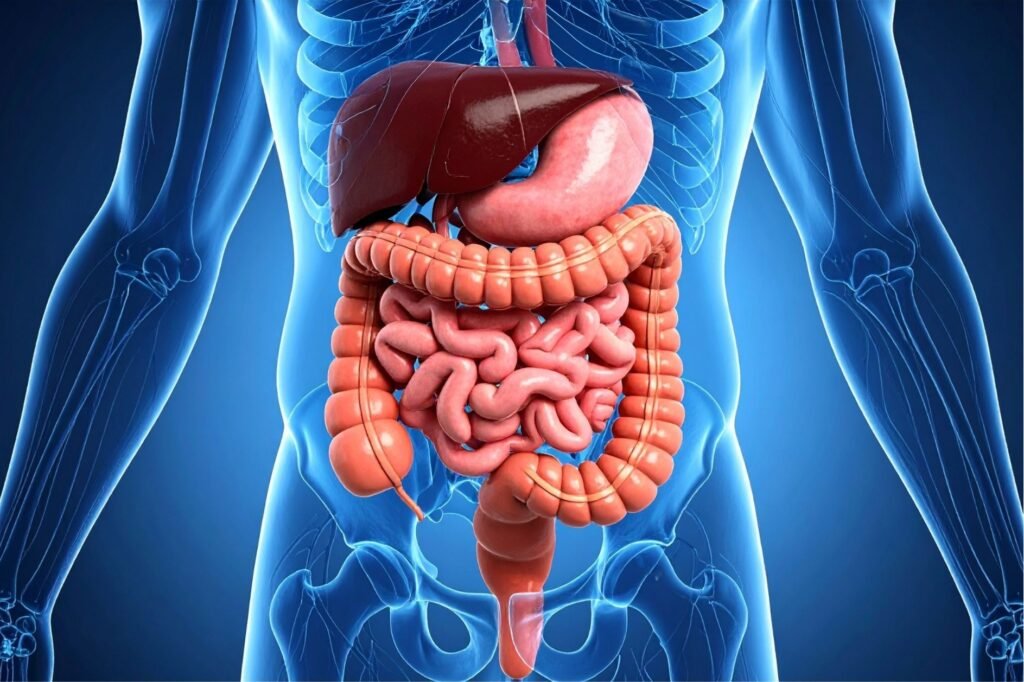
The digestive system does far more than break down food. It is a complex, integrated network responsible for digestion, nutrient absorption, immune signalling, detoxification support, and inflammatory regulation. Every stage — from chewing and stomach acid production to enzyme release and intestinal motility — influences how the body interprets food and microbial signals. When digestive function is impaired, inflammation can be amplified far beyond the gut.
In inflammatory disease, digestive dysfunction is common and often overlooked. Reduced stomach acid, impaired bile flow, enzyme insufficiency, slowed motility, and intestinal permeability can all increase immune activation and systemic inflammation. Poor digestion alters the form in which nutrients and antigens enter the bloodstream, placing stress on immune and detoxification systems. Supporting digestive integrity is therefore not just about comfort or nutrition, it is foundational to calming immune overreaction and restoring whole-body inflammatory balance.
The digestive system is a continuous, highly regulated organ system extending from the mouth to the colon. Its role is not only mechanical digestion, but biochemical processing, selective absorption, immune education, and signalling to distant organs. Failures at any stage can alter immune perception of food, microbes, and self-tissue, contributing to chronic inflammation.
Digestion begins in the mouth, where chewing, saliva, and oral enzymes initiate breakdown and send neurological signals to the stomach and pancreas. Inadequate chewing or oral inflammation can already skew downstream digestive responses. The stomach then sterilises food using hydrochloric acid, unfolds proteins, and activates digestive enzymes — a critical step for preventing immune reactivity to incompletely digested proteins.
- Stomach acid (HCl): Low acid impairs protein digestion, increases bacterial survival, and raises the likelihood of antigenic peptides reaching the intestine.
- Pancreatic enzymes: Proteases, lipases, and amylases complete digestion; insufficiency increases immune exposure to partially digested food.
- Bile acids: Essential for fat digestion, microbial regulation, and signalling through FXR and TGR5 receptors that influence inflammation and metabolism.
The small intestine is the primary site of nutrient absorption and immune sampling. Specialized cells selectively transport amino acids, fatty acids, minerals, and vitamins into circulation. When inflammation, stress, or medications disrupt tight junctions, intestinal permeability increases, allowing immune-stimulating compounds to enter the bloodstream.
- Malabsorption: Leads to deficiencies in zinc, iron, magnesium, B vitamins, and fat-soluble vitamins — all critical for immune regulation.
- Motility dysfunction: Slowed transit promotes bacterial overgrowth and toxin exposure; rapid transit impairs absorption.
- Mucosal immunity: Digestive tissues contain dense immune networks that continuously decide what to tolerate versus attack.
The digestive system also communicates bidirectionally with the liver, immune system, nervous system, and endocrine system. Nutrients, microbial metabolites, and inflammatory signals processed in the gut influence systemic cytokine levels, hormone balance, pain perception, and even mood. This explains why digestive dysfunction can worsen joint inflammation, fatigue, brain fog, and autoimmune activity.
Restoring digestive health involves more than adding probiotics. It requires removing irritants, supporting stomach acid and bile flow, optimising enzyme activity, restoring motility, and reducing inflammatory load. When digestion functions properly, immune tolerance improves, nutrient sufficiency increases, and systemic inflammation becomes easier to control.
The Nervous System
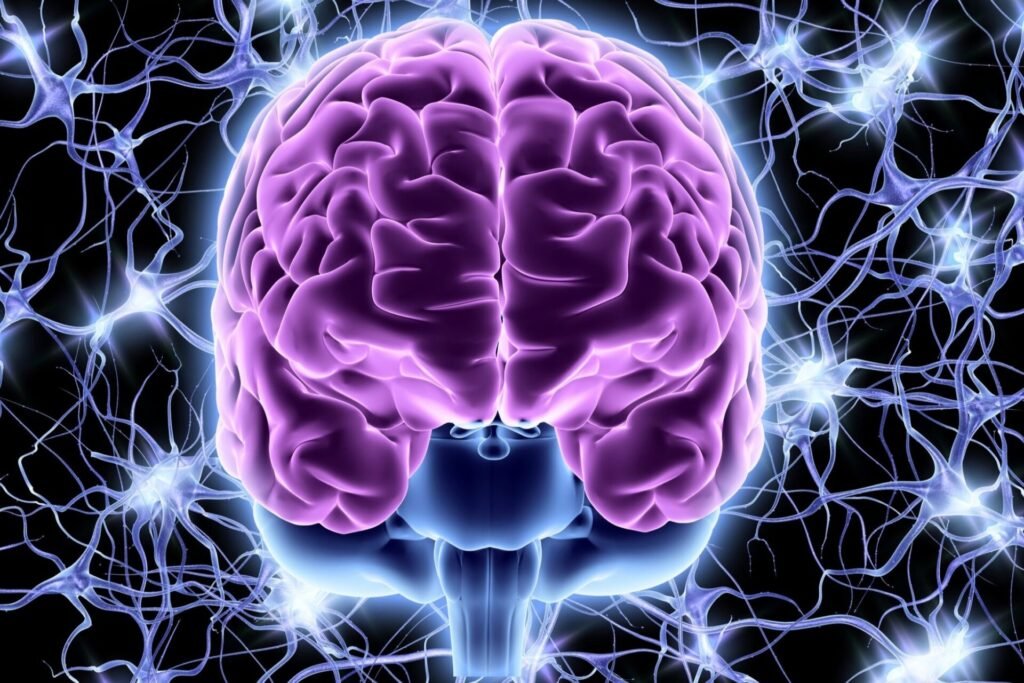
The nervous system is the body’s command and communication network, coordinating movement, sensation, immunity, digestion, hormone release, and stress responses. It continuously interprets internal and external signals and decides whether the body should mobilise, defend, repair, or rest. In inflammatory disease, persistent nervous system activation can amplify pain, immune reactivity, and tissue damage, even when the original trigger is no longer present.
Chronic inflammation is rarely just an immune problem, it is also a nervous system problem. Ongoing stress, pain, trauma, poor sleep, and autonomic imbalance can keep the body locked in a threat state that sustains inflammatory signalling. The nervous system directly regulates immune cell activity, gut permeability, blood flow, and hormone release. Restoring nervous system balance is therefore essential for reducing inflammation, improving pain control, and allowing genuine healing to occur.
The nervous system is divided into the central nervous system (brain and spinal cord) and the peripheral nervous system, which includes sensory nerves, motor nerves, and the autonomic nervous system. Together, these networks regulate how the body responds to stress, injury, infection, and internal imbalance. In inflammatory disease, these regulatory loops often become dysregulated, sustaining inflammation even in the absence of ongoing tissue damage.
A key component is the autonomic nervous system, which operates largely outside conscious control. It has two primary branches: the sympathetic (“fight or flight”) system and the parasympathetic (“rest and repair”) system. Healthy physiology depends on flexible switching between these states. Chronic stress, pain, trauma, or inflammation can lock the system into sympathetic dominance.
- Sympathetic activation: Increases cortisol, adrenaline, heart rate, and blood glucose; suppresses digestion and tissue repair.
- Parasympathetic activation: Promotes digestion, immune regulation, anti-inflammatory signalling, and cellular repair.
- Autonomic imbalance: Strongly associated with chronic pain, fatigue, gut dysfunction, and autoimmune activity.
The nervous system directly communicates with the immune system through neural–immune synapses and chemical messengers. Immune cells express receptors for neurotransmitters such as acetylcholine, norepinephrine, and serotonin. This means nerve activity can either dampen or amplify immune responses in real time.
- Vagus nerve signalling: Activates the “cholinergic anti-inflammatory pathway,” reducing cytokines such as TNF-α and IL-6.
- Chronic pain signalling: Can sensitise spinal and brain circuits, amplifying pain perception independent of tissue damage.
- Neuroinflammation: Inflammatory signals can activate microglia in the brain, worsening fatigue, brain fog, and mood symptoms.
Stress-related hormones and neural signals also influence gut permeability, microbiome composition, and mast cell activation. Sustained nervous system arousal increases intestinal permeability, histamine release, and inflammatory mediator production — creating feedback loops between stress, digestion, and immune activation.
Supporting nervous system regulation is therefore not optional in inflammatory disease management. Practices that activate parasympathetic tone — such as breathing retraining, sleep optimisation, pain education, gentle movement, emotional regulation, and reducing constant sensory overload — can significantly reduce inflammatory burden and improve symptom control, even without changes in medication.
The Endocrine System
The endocrine system is the body’s hormonal signalling network. It regulates metabolism, immune activity, inflammation, growth, stress responses, reproduction, and tissue repair. Hormones act as chemical messengers, carrying instructions through the bloodstream to coordinate how organs and systems behave. When endocrine signalling is balanced, the body adapts efficiently. When disrupted, it can quietly drive chronic inflammation, pain, fatigue, and immune dysregulation.
In inflammatory disease, endocrine imbalance is common and often overlooked. Stress hormones, insulin, thyroid hormones, and sex hormones all influence immune activity and inflammatory pathways. Chronic stress, poor sleep, blood sugar instability, gut dysfunction, and inflammation itself can disrupt hormonal rhythms. This creates feedback loops where inflammation worsens hormone signalling, and hormonal imbalance further fuels inflammation. Supporting endocrine health is essential for stabilising immune responses, reducing flares, and restoring long-term physiological resilience.
The endocrine system consists of glands that release hormones directly into the bloodstream. These hormones act on distant tissues to regulate metabolism, immune responses, growth, reproduction, and stress adaptation. Major endocrine glands include the hypothalamus, pituitary, adrenal glands, thyroid, pancreas, and gonads. Together, they form an integrated network that responds continuously to internal and external conditions.
Hormonal signalling is tightly linked to inflammation. Many immune cells carry hormone receptors, meaning hormones can directly increase or suppress immune activity. In chronic inflammatory disease, this system often becomes dysregulated, leading to inappropriate immune activation, impaired tissue repair, and altered pain sensitivity.
- Hypothalamic–pituitary–adrenal (HPA) axis: Coordinates the stress response and regulates cortisol production.
- Cortisol: Normally anti-inflammatory, but chronic stress can blunt receptor sensitivity or disrupt normal daily rhythms.
- Insulin: Regulates blood glucose; insulin resistance promotes inflammatory signalling and oxidative stress.
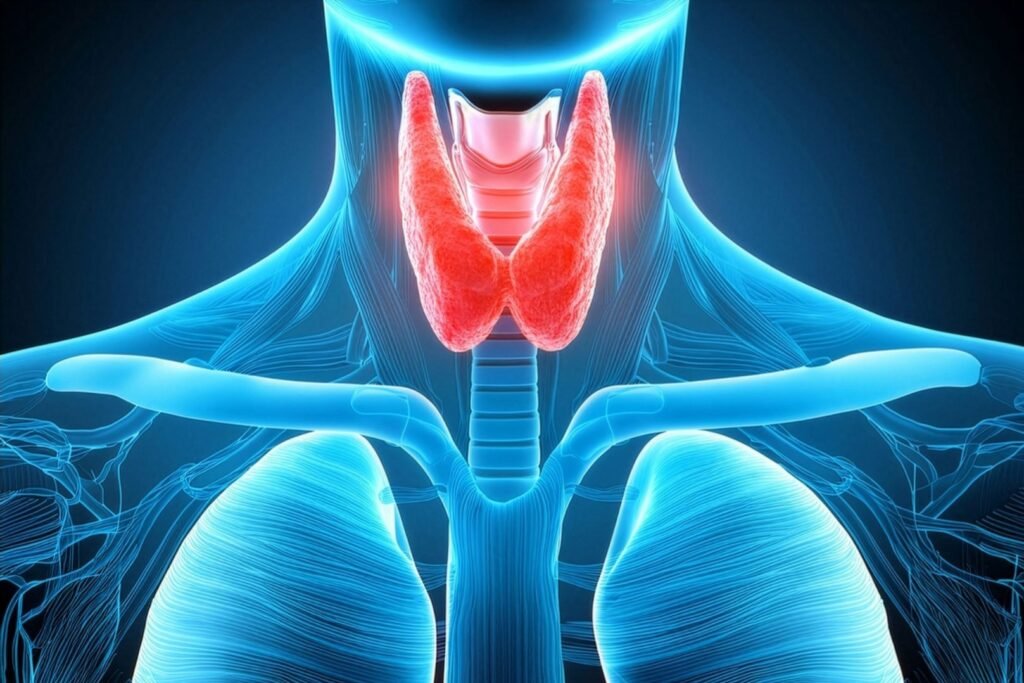
The thyroid plays a critical role in energy regulation and cellular metabolism. Even subtle thyroid dysfunction can worsen fatigue, cold intolerance, joint stiffness, and inflammatory burden. Inflammatory cytokines can interfere with thyroid hormone conversion and receptor sensitivity, linking immune activity directly to metabolic slowdown.
- Low thyroid activity: Slows tissue repair and reduces immune tolerance.
- Inflammation: Can suppress T4 to T3 conversion, even with normal blood tests.
- Nutrient dependency: Thyroid function depends on iodine, selenium, zinc, and iron status.
Sex hormones such as oestrogen, progesterone, and testosterone also influence immune behaviour. These hormones help explain why autoimmune diseases are more common in women and why symptoms often fluctuate with menstrual cycles, pregnancy, menopause, or aging. Hormonal shifts can alter cytokine production, mast cell activity, and pain perception.
The endocrine system is deeply interconnected with the nervous system, immune system, and digestive system. Stress, sleep disruption, gut permeability, blood sugar swings, and chronic inflammation all impair hormonal signalling. Supporting endocrine health requires reducing inflammatory load, stabilising circadian rhythms, managing stress, optimising nutrition, and restoring metabolic balance. When hormonal signals stabilise, immune regulation and inflammatory control become far more achievable.
The Lymphatic System
The lymphatic system is a critical part of immune regulation, fluid balance, and waste removal. It acts as the body’s internal drainage and surveillance network, collecting excess fluid, metabolic waste, and immune byproducts from tissues. Unlike the cardiovascular system, it has no central pump. It relies on movement, breathing, and muscle contraction to function effectively.
In inflammatory disease, lymphatic flow is often impaired. This leads to fluid congestion, toxin accumulation, prolonged immune activation, and delayed tissue repair. When lymphatic circulation slows, inflammatory mediators remain in tissues longer, increasing pain, stiffness, and swelling. Supporting lymphatic function helps reduce immune overload, improves resolution of inflammation, and enhances communication between the immune system and the rest of the body.
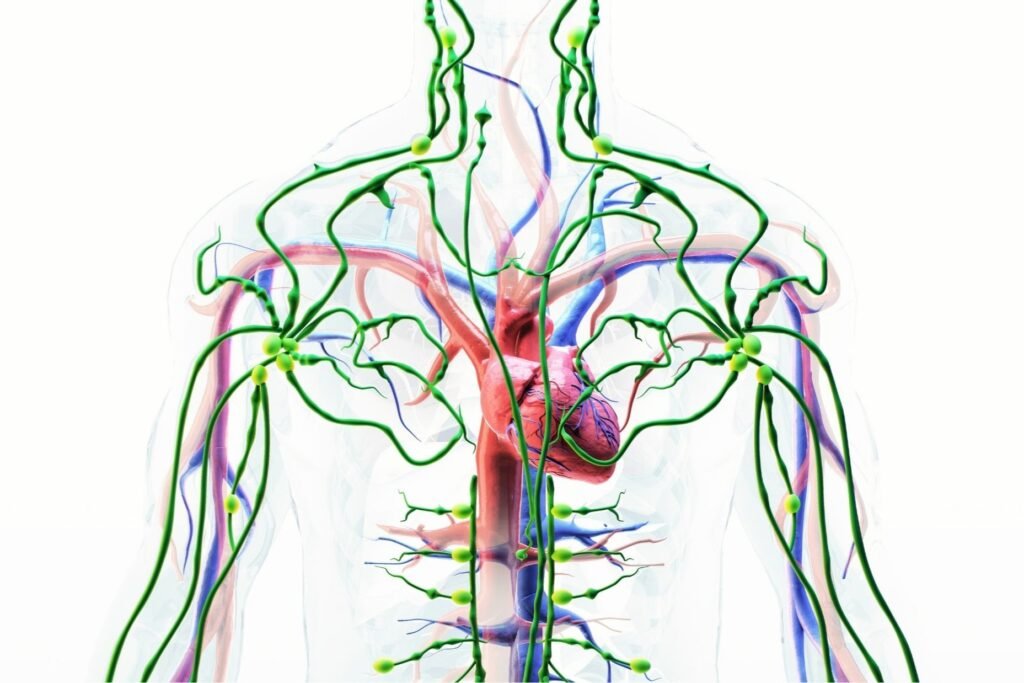
The lymphatic system consists of lymph vessels, lymph nodes, and lymphoid organs such as the spleen and thymus. Its primary role is to maintain fluid balance, transport immune cells, and remove waste products from tissues. Lymph is formed when excess interstitial fluid enters lymphatic capillaries and is transported back to the bloodstream.
Lymphatic vessels also act as highways for immune communication. Antigens, cytokines, and immune cells are carried to lymph nodes, where immune responses are coordinated. This process allows the immune system to respond appropriately to threats while maintaining tolerance to harmless signals.
- Fluid regulation: Prevents tissue swelling and supports nutrient exchange.
- Immune surveillance: Filters pathogens, damaged cells, and inflammatory debris.
- Waste clearance: Removes cellular byproducts that can perpetuate inflammation.
In chronic inflammatory states, lymphatic function is often compromised. Persistent inflammation increases vascular permeability, leading to excess fluid and protein leakage into tissues. When lymphatic drainage cannot keep pace, inflammatory mediators accumulate and immune cells remain activated longer than necessary.
- Stagnant lymph: Prolongs exposure of tissues to inflammatory cytokines.
- Impaired clearance: Delays resolution of inflammation and tissue repair.
- Swelling and stiffness: Common in joints and connective tissues.
Unlike blood circulation, lymph flow depends heavily on physical movement, diaphragmatic breathing, posture, and muscle contraction. Sedentary behaviour, shallow breathing, pain avoidance, and fascial restriction can significantly slow lymphatic transport. This is especially relevant in arthritis and inflammatory spine conditions, where mobility may already be limited.
Supporting lymphatic health reduces immune congestion and helps the body complete inflammatory responses rather than remaining stuck in a chronic activated state. Gentle movement, breathing practices, hydration, connective tissue mobility, and reducing inflammatory load all improve lymphatic efficiency. When lymphatic flow improves, immune signalling becomes clearer, inflammation resolves more effectively, and tissues regain their capacity to heal.
The Vascular & Microcirculatory System
The vascular and microcirculatory system is responsible for delivering oxygen, nutrients, immune cells, and signalling molecules to every tissue in the body while removing waste products and inflammatory by-products. In inflammatory and autoimmune disease, this system is often impaired long before major symptoms appear. Reduced blood flow, endothelial dysfunction, and poor microcirculation can quietly sustain inflammation, delay healing, and amplify pain in joints, muscles, and connective tissue.
Healthy circulation is essential for resolving inflammation. When blood vessels lose flexibility or the inner lining becomes inflamed, tissues receive less oxygen and fewer nutrients, while inflammatory mediators accumulate. This creates an environment where immune activity remains switched on and repair processes are slowed. In arthritis and chronic inflammatory disease, vascular dysfunction contributes to stiffness, fatigue, temperature sensitivity, and poor recovery. Supporting vascular health helps restore tissue oxygenation, improves immune regulation, and creates conditions where healing can finally occur.
Vascular Function, Microcirculation, and Inflammation
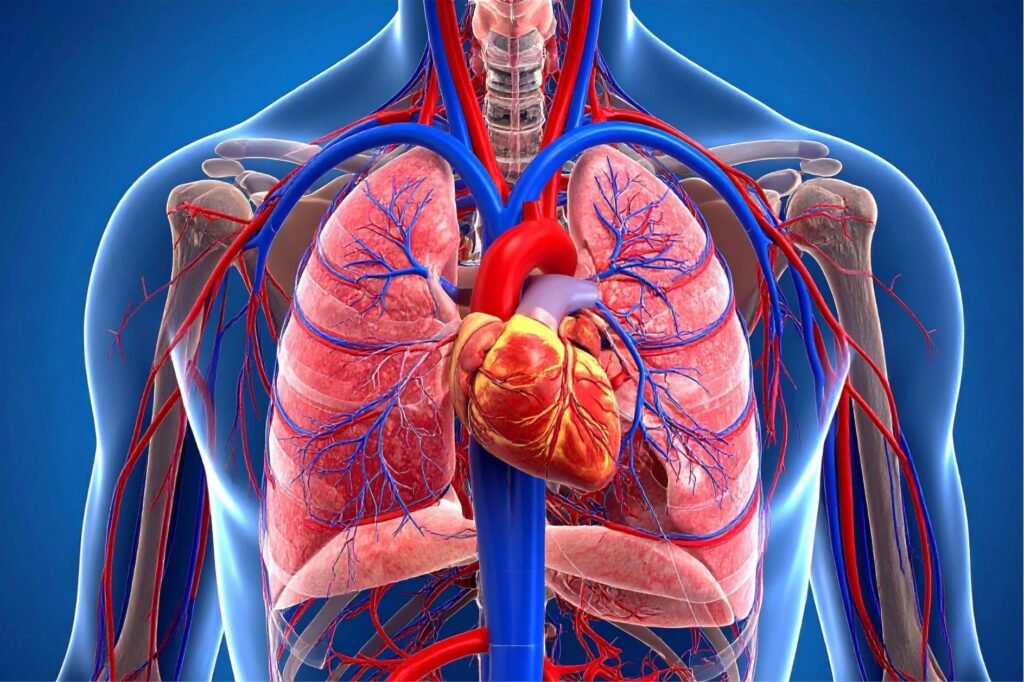
The vascular system includes large arteries and veins, but it is the microcirculation that has the greatest impact on inflammation and pain. Microcirculation refers to blood flow through arterioles, capillaries, and venules, where oxygen, nutrients, immune cells, hormones, and metabolic signals are exchanged directly with tissues.
At the centre of vascular health is the endothelium, the thin layer of cells lining every blood vessel. Endothelial cells actively regulate blood flow, clotting, immune cell migration, and inflammatory signalling. When healthy, they release substances such as nitric oxide that promote vessel relaxation, smooth circulation, and anti-inflammatory signalling.
In chronic inflammation and autoimmune disease, endothelial dysfunction is common. Inflammatory cytokines, oxidative stress, high blood sugar, stress hormones, infections, and certain medications can damage the endothelium. This causes blood vessels to become less responsive, more constricted, and more permeable to immune cells and inflammatory mediators.
Key ways vascular dysfunction contributes to inflammatory disease include:
- Reduced oxygen delivery to joints, muscles, and connective tissue
- Impaired removal of inflammatory waste products
- Increased immune cell adhesion and tissue infiltration
- Greater local swelling and joint pressure
- Delayed tissue repair and regeneration
Poor microcirculation also creates tissue hypoxia, where cells receive insufficient oxygen despite adequate lung function. Low oxygen environments activate inflammatory gene pathways and encourage immune cells to remain in an activated state. This helps explain why stiffness and pain often worsen with inactivity, cold exposure, or poor sleep.
Healthy circulation is also required to deliver signals that resolve inflammation. Regulatory immune cells, anti-inflammatory cytokines, and growth factors rely on effective blood flow to reach damaged tissue. When circulation is impaired, inflammatory signals arrive easily, but resolution signals struggle to do so.
The vascular system is closely linked with the nervous, endocrine, and lymphatic systems. Chronic stress drives vasoconstriction through the autonomic nervous system. Hormones such as cortisol, insulin, thyroid hormones, and sex hormones directly influence vascular tone and endothelial health. Lymphatic drainage also depends on adequate blood flow and tissue movement.
In inflammatory arthritis, vascular dysfunction may appear as cold hands or feet, morning stiffness, fatigue, delayed healing, or pain that improves with gentle movement. These are not minor symptoms. They often reflect impaired circulation at the tissue level and ongoing inflammatory signalling.
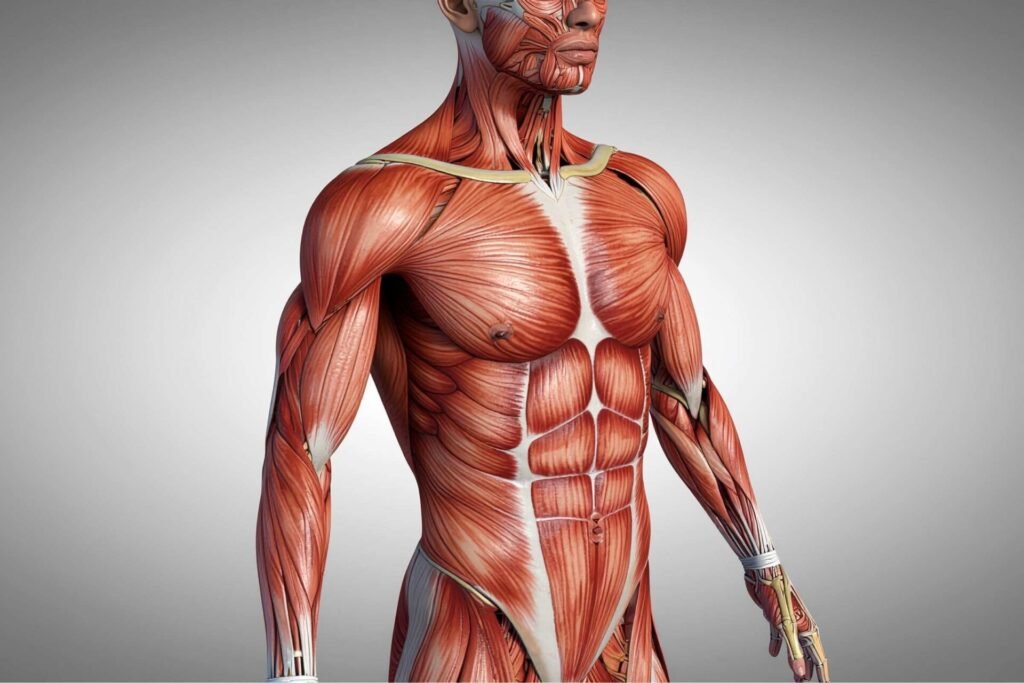
The Musculoskeletal and Fascial System
The musculoskeletal and fascial system includes bones, joints, cartilage, muscles, tendons, ligaments, and the connective tissue network known as fascia. Together, these structures provide movement, stability, and physical resilience. They are not passive components. They are biologically active tissues that respond to mechanical load, immune signals, hormones, and inflammatory mediators, making them central to both pain and disease progression in inflammatory conditions.
In inflammatory and autoimmune disease, the musculoskeletal system often becomes a primary target rather than a secondary victim. Chronic immune activation alters tissue repair, degrades cartilage, weakens connective tissue, and sensitises pain pathways. Fascia, which surrounds and links all structures, can become thickened, dehydrated, and inflamed, amplifying stiffness and pain. Supporting musculoskeletal and fascial health helps reduce mechanical stress, improve circulation and lymphatic flow, and interrupt cycles of inflammation, immobility, and progressive disability.
Fascial Health, Tissue Integrity, and Inflammatory Pain
The musculoskeletal system is deeply intertwined with immune and inflammatory processes. Joints, muscles, and connective tissues contain immune cells, blood vessels, and nerve endings that actively participate in inflammatory signalling. When inflammation becomes chronic, these tissues shift from adaptive repair toward degradation and persistent pain.
Fascia is a continuous connective tissue matrix that surrounds muscles, bones, organs, nerves, and blood vessels. It transmits mechanical force, supports posture, and facilitates movement. Fascia is richly innervated and highly sensitive to inflammation, making it a major contributor to pain and stiffness in inflammatory disease.
Key pathological changes seen in inflammatory disease include:
- Immune cell infiltration into joints and connective tissue
- Synovial inflammation and cartilage breakdown
- Altered collagen structure and reduced tissue elasticity
- Fascial thickening, adhesions, and reduced tissue glide
- Increased nociceptor sensitivity and pain amplification
Inflammatory cytokines such as TNF, IL-1, and IL-6 disrupt normal tissue repair and stimulate enzymes that degrade cartilage and connective tissue. Reduced movement further compounds these effects by limiting circulation, oxygen delivery, and lymphatic drainage.
Mechanical loading through appropriate movement is essential for tissue health. Gentle, regular motion stimulates collagen alignment, improves hydration of fascia, enhances lymphatic flow, and sends anti-inflammatory signals to both local tissues and the nervous system.
The musculoskeletal and fascial system acts as a physical interface between inflammation and function. When supported correctly, it can become a powerful lever for reducing pain, restoring mobility, and improving quality of life in inflammatory disease.
Mitochondrial and Metabolic System
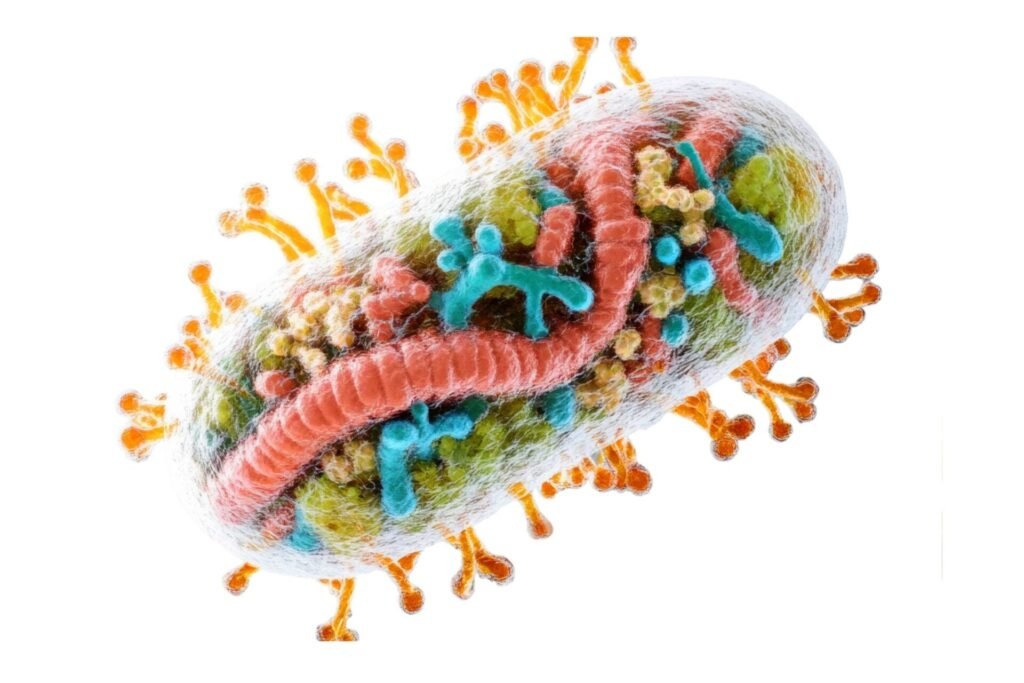
Our cells rely on tiny energy factories called mitochondria to keep everything running smoothly. These structures turn food into the energy we need for movement, repair, and even thinking clearly. When mitochondrial function or the broader metabolic system is out of balance, the body struggles to make enough energy, oxidative stress increases, and recovery from daily stress or illness slows down. This can leave people feeling tired, stiff, or generally drained.
Mitochondrial and metabolic health is often affected by ongoing inflammation, poor diet, stress, or past infections. When energy production falters, cells can’t repair themselves efficiently, and fatigue and slow recovery become noticeable. Supporting these systems through good nutrition, regular movement, quality sleep, and stress management can help restore energy, protect against cellular damage, and improve overall resilience. In short, healthy mitochondria and metabolism are the foundation for both vitality and long-term well-being.
Mitochondrial Function, Energy Metabolism, and Inflammation
Mitochondria are the energy-producing structures within nearly every cell of the body. Beyond energy generation, they play a central role in immune signalling, oxidative balance, cell repair, and programmed cell death. Healthy mitochondrial function is essential for controlling inflammation and maintaining overall cellular health.
In inflammatory and autoimmune disease, mitochondrial dysfunction is increasingly recognised as both a driver and a consequence of chronic inflammation. Inflammatory cytokines, oxidative stress, infections, poor nutrition, and environmental toxins can all impair mitochondrial efficiency and resilience.
When mitochondria are stressed, cells shift toward less efficient energy pathways that generate more reactive oxygen species and inflammatory by-products. This metabolic shift promotes immune activation, increases fatigue, and reduces tissue repair capacity. Immune cells themselves rely heavily on metabolic programming to determine whether they promote inflammation or tolerance.
Key links between mitochondrial dysfunction and inflammation include:
- Increased production of reactive oxygen species (ROS), leading to oxidative stress
- Activation of inflammatory signalling pathways such as NF-κB and NLRP3
- Reduced ATP production, limiting energy for tissue repair and immune function
- Impaired immune regulation and tolerance, promoting chronic inflammation
- Heightened fatigue, exercise intolerance, and slower recovery after stress
- Altered redox balance, making cells more vulnerable to damage
Metabolic health strongly influences mitochondrial performance. Insulin resistance, blood sugar instability, excess body fat, and poor nutrient intake all increase inflammatory load and reduce mitochondrial efficiency. This creates a cycle where inflammation worsens metabolism, and impaired metabolism sustains inflammation.
Mitochondria also act as cellular danger sensors. When damaged, they can release signals that resemble bacterial components, triggering immune responses. This can further activate innate immunity and contribute to autoimmune reactivity if not properly resolved.
Supporting mitochondrial health through nutrient-dense foods, stable blood sugar, regular movement, adequate sleep, and stress reduction improves energy production, strengthens resilience to oxidative stress, and helps shift the immune system toward resolution rather than chronic activation.
References
1. Body Systems & Inflammation: Systems Overview
- Libby, P. (2023). Inflammation and cardiovascular disease mechanisms. Journal of Clinical Investigation, 133(7), 1-12. https://doi.org/10.1172/JCI167772
- Medzhitov, R. (2021). Origin and physiological roles of inflammation. Nature, 592(7853), 340-347. https://doi.org/10.1038/s41586-021-03340-4
- Nathan, C., & Ding, A. (2019). Nonresolving inflammation. Cell, 178(6), 1457-1475. https://doi.org/10.1016/j.cell.2019.08.017
- Ferrucci, L., & Fabbri, E. (2018). Inflammageing: chronic inflammation in ageing, cardiovascular disease, and metabolic disorders. Lancet, 392(10150), 1234-1246. https://doi.org/10.1016/S0140-6736(18)31487-9
2. Barrier Systems & Intestinal Permeability
- Camilleri, M., et al. (2019). Leaky gut: mechanisms, measurement and clinical implications in humans. American Journal of Physiology—Gastrointestinal and Liver Physiology, 317(1), G17-G39. https://pubmed.ncbi.nlm.nih.gov/37773554/
- Bischoff, S. C., et al. (2023). Gut microbiota, intestinal permeability, and systemic inflammation: a narrative review. Internal and Emergency Medicine, 19, 275-293. https://doi.org/10.1007/s11739-023-03374-w
- Watai, K., Taniguchi, M., & Azuma, K. (2025). The gut–brain–immune axis in environmental sensitivity illnesses. International Journal of Molecular Sciences, 26(20), 9997. https://doi.org/10.3390/ijms26209997
- Leung, C., Rivera, L., Furness, J. B., & Angus, P. W. (2016). The role of the gut microbiota in NAFLD. Nature Reviews Gastroenterology & Hepatology, 13(7), 412-425. https://doi.org/10.1038/nrgastro.2016.81
3. Immune System & Inflammatory Modulation
- Tanaka, T., Narazaki, M., & Kishimoto, T. (2014). IL-6 in inflammation, immunity, and disease. Cold Spring Harbor Perspectives in Biology. https://doi.org/10.1101/cshperspect.a016295
- Hunter, C. A., & Jones, S. A. (2015). IL-6 as a keystone cytokine in health and disease. Nature Reviews Immunology, 15(4), 225-242. https://doi.org/10.1038/nri3841
- Medzhitov, R. (2008). Origin and functions of inflammation. Nature, 454(7203), 428-435. https://doi.org/10.1038/nature07201
- Liew, F. Y., & Kubes, P. (2019). The innate immune system: mechanisms and clinical implications. Nature Reviews Immunology, 19(2), 97-111. https://doi.org/10.1038/s41577-018-0080-5
4. Digestive System & Inflammatory Signalling
- Camilleri, M., Madsen, K., Spiller, R., Greenwood-Van Meerveld, B., & Verne, G. N. (2012). Intestinal barrier function in health and gastrointestinal disease. Neurogastroenterology & Motility, 24(6), 503-512.
- Bischoff, S. C., et al. (2023). Gut microbiota, intestinal permeability, and systemic inflammation: a narrative review. Internal and Emergency Medicine, 19, 275-293. https://doi.org/10.1007/s11739-023-03374-w
- Suzuki, T., & Yoshida, S. (2020). Mechanisms of gut barrier dysfunction and its influence on systemic diseases. Cellular and Molecular Gastroenterology and Hepatology, 10(2), 128-136.
- Morrison, D. J., & Preston, T. (2016). Formation of short chain fatty acids by the gut microbiota and their impact on human metabolism. Gut Microbes, 7(3), 189-200.
5. Nervous System & Inflammatory Regulation
- Carabotti, M., Scirocco, A., Maselli, M. A., & Severi, C. (2015). The gut-brain axis: interactions between enteric microbiota, central and enteric nervous systems. Annals of Gastroenterology, 28(2), 203-209.
- Tracey, K. J. (2007). Physiology and immunology of the cholinergic anti-inflammatory pathway. Journal of Clinical Investigation, 117(2), 289-296. https://doi.org/10.1172/JCI30555
- Ochoa-Reparaz, J., & Kasper, L. H. (2016). The role of gut microbiome in multiple sclerosis. Current Neurology and Neuroscience Reports, 16(5), 47. https://doi.org/10.1007/s11910-016-0652-1
- Bailey, M. T., et al. (2011). Stress alters microbial populations in the gut and promotes neuroinflammation. Brain, Behavior, and Immunity, 25(3), 397-407. https://doi.org/10.1016/j.bbi.2010.10.023
6. Endocrine System & Inflammatory Disease
- Chrousos, G. P. (2009). Stress and disorders of the stress system. Nature Reviews Endocrinology, 5(7), 374-381. https://doi.org/10.1038/nrendo.2009.106
- Hotamisligil, G. S. (2017). Inflammation, metaflammation, and immunometabolic disorders. Nature, 542(7640), 177-185. https://doi.org/10.1038/nature21363
- Straub, R. H., Cutolo, M., & Buttgereit, F. (2010). Neuroendocrine immune regulation in chronic inflammatory rheumatic diseases. Arthritis Research & Therapy, 12(2), 208. https://doi.org/10.1186/ar2963
- Dantzer, R., et al. (2008). From inflammation to sickness and depression: when the immune system subjugates the brain. Nature Reviews Neuroscience, 9(1), 46-56. https://doi.org/10.1038/nrn2297
7. Lymphatic System & Immune Regulation
- Aspelund, A., et al. (2016). The lymphatic system in cardiovascular disease, inflammation, and immunity. Physiological Reviews, 96(4), 1119-1161. https://doi.org/10.1152/physrev.00045.2015
- Kataru, R. P., et al. (2020). Regulation of lymphatic function in health and disease. Annual Review of Pathology, 15, 249-274. https://doi.org/10.1146/annurev-pathol-031920-090004
- Petrova, T. V., & Koh, G. Y. (2020). Biology of lymphatic vessels. Nature Reviews Molecular Cell Biology, 21(9), 576-594. https://doi.org/10.1038/s41580-020-0256-0
- Louveau, A., et al. (2015). Structural and functional features of central nervous system lymphatic vessels. Nature, 523(7560), 337-341. https://doi.org/10.1038/nature14432
8. Vascular & Microcirculatory System in Inflammation
- Libby, P., & Hansson, G. K. (2015). Inflammation and immunity in diseases of the arterial tree. Circulation Research, 116(2), 307-311. https://doi.org/10.1161/CIRCRESAHA.116.302512
- Gimbrone, M. A., & García-Cardeña, G. (2016). Endothelial cell dysfunction and the pathobiology of atherosclerosis. Circulation Research, 118(4), 620-636. https://doi.org/10.1161/CIRCRESAHA.115.306301
- Deanfield, J. E., Halcox, J. P., & Rabelink, T. J. (2007). Endothelial function and dysfunction: testing and clinical relevance. Circulation, 115(10), 1285-1295. https://doi.org/10.1161/CIRCULATIONAHA.106.652859
- Libby, P. (2023). Inflammation and cardiovascular disease mechanisms. Journal of Clinical Investigation, 133(7), 1-12. https://doi.org/10.1172/JCI167772
9. Musculoskeletal & Fascial System in Inflammation
- Firestein, G. S., & McInnes, I. B. (2017). Immunopathogenesis of rheumatoid arthritis. Immunity, 46(2), 183-196. https://doi.org/10.1016/j.immuni.2017.02.006
- Smolen, J. S., Aletaha, D., & McInnes, I. B. (2016). Rheumatoid arthritis. Lancet, 388(10055), 2023-2038. https://doi.org/10.1016/S0140-6736(16)30173-8
- Schleip, R., et al. (2012). Fascia as a sensory organ and contributor to pain and dysfunction. Journal of Bodywork and Movement Therapies, 16(3), 407-417. https://doi.org/10.1016/j.jbmt.2012.01.002
- Chowdhury, R., & McDonald, J. W. (2015). Mechanisms of muscle inflammation and repair. Clinical Journal of Sport Medicine, 25(2), 229-238. https://doi.org/10.1097/JSM.0000000000000136
10. Mitochondrial & Metabolic Health in Inflammatory Disease
- Patergnani, S., et al. (2021). Mitochondrial ROS and "mito-inflammation". International Journal of Molecular Sciences, 22(4), 2100. https://doi.org/10.3390/ijms22042100
- Xu, X., Pang, Y., & Fan, X. (2025). Mitochondria in oxidative stress, inflammation, and aging. Signal Transduction and Targeted Therapy, 10, 190. https://doi.org/10.1038/s41392-025-02253-4
- Hotamisligil, G. S. (2017). Inflammation, metaflammation, and immunometabolic disorders. Nature, 542(7640), 177-185. https://doi.org/10.1038/nature21363
- Jang, C., et al. (2018). The role of mitochondria in aging and systemic chronic inflammation. Nature Reviews Endocrinology, 14(8), 456-470. https://doi.org/10.1038/nrendo.2018.65