
Health Mindset
Your attitude, beliefs, what you visualise, how you feel, past traumas, your social sphere, how grateful you are, how often you laugh and how motivated you are, will all have a bearing on your health and symptoms.
Mindset Importance
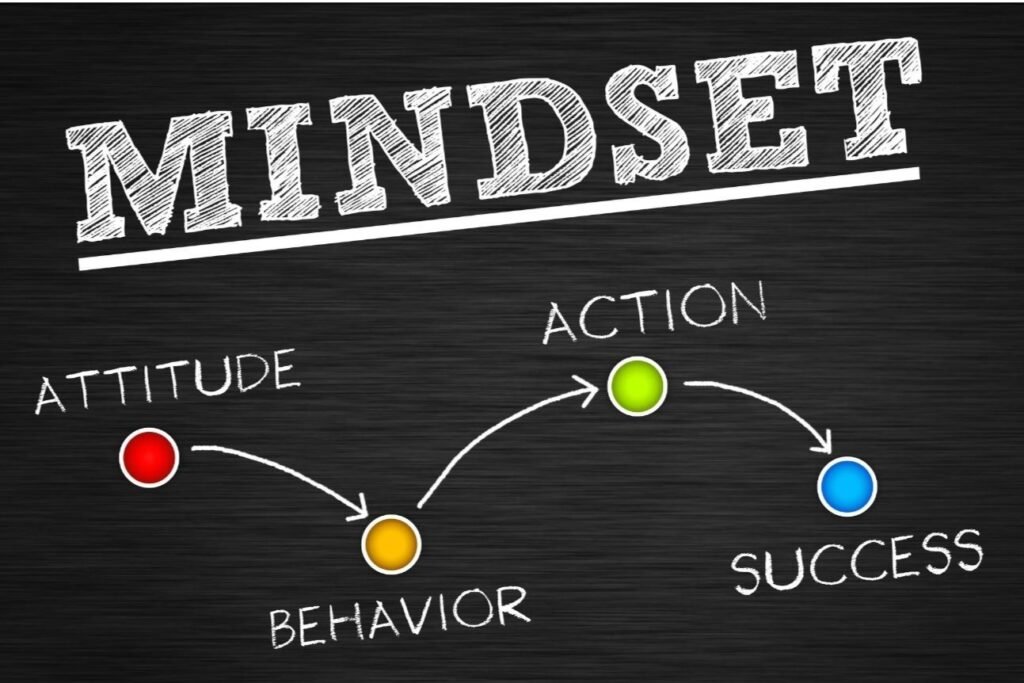
Managing inflammation begins in the mind. Your thoughts, emotions, and focus influence your behaviours, the body’s chemistry and the way tissues repair. Science now confirms that stress, optimism, and emotional balance affect inflammation and immune activity. When fear or hopelessness dominate, stress hormones stay high and recovery slows. But when you cultivate calm and hope, healing genes are switched on. The body listens to every thought. Each moment you choose a reassuring inner message, you are sending biochemical signals that help reduce inflammation and support regeneration throughout your body
An effective recovery program marries diet, lifestyle and sometimes pharmaceuticals initially – with an inner mental framework that supports sustained application. Mindset shapes whether you rest when needed, choose to stick with healing foods and exercise daily; it reframes setbacks as feedback rather than finality. With steady mindset practices, difficult behaviours become routine and consistency replaces short bursts of motivation. Over days, weeks and months, steady commitment to action and new habits converts knowledge into measurable gains: improved mobility, fewer flares, better sleep, and a growing sense of agency that sustains long-term inflammation control.
Beliefs
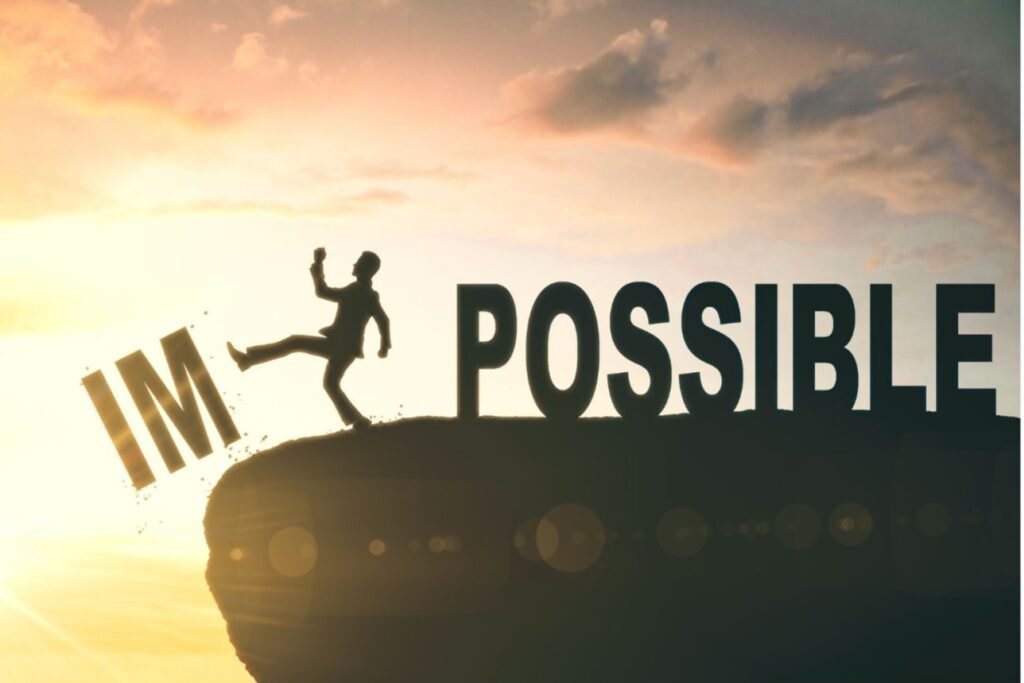
Your beliefs set the lens through which you view illness and recovery. Some people bring years of medical advice that emphasised symptom management; others arrive curious about diet, movement and stress as drivers of inflammation. Those narratives influence whether you try new approaches or stay resigned. Beliefs are shaped by personal history, culture, and clinical messages – none of which are immutable. Start by noticing the story you tell yourself: what do you take as fact? Naming and gently testing those assumptions opens the door to practical change and allows you to evaluate what truly helps your body.
Belief isn’t blind faith – it’s a neurological process that changes the brain. You are not your diagnosis. The words you use about yourself shape neural patterns that govern emotion and behaviour. Replace “I’ have X disease” with “Every Day in every way I’m getting better and better!” and you begin to train new circuits of perception and resilience. Self-efficacy grows each time you act in alignment with that belief, even in small ways. Studies show that strong self-belief improves stress regulation, mood, and immune function. When you view yourself as capable rather than broken, healing becomes a partnership with your body.
Beliefs about food

When it comes to connecting food with arthritis and inflammatory disease, people can arrive with very different beliefs and experiences. For those who have lived with pain and joint damage for many years, it can feel almost impossible to accept that something as basic as diet might have played such a huge role. For medical professionals, particularly doctors and rheumatologists, the challenge is different: their training rarely covered diet as a driver of autoimmune disease, and after years of advising otherwise, it can be uncomfortable to hear that diet may have been so important.
There is also another group of people – those new to the disease or open enough to consider the science with fresh eyes. They may feel a sense of possibility rather than resistance, and with conviction and persistence they can often see remarkable results. Recognising these different perspectives helps us approach the information more rationally. None of us want to admit we’ve been wrong, but holding too tightly to past beliefs can prevent us from making changes that may help ourselves or others. By acknowledging the beliefs we bring to this topic, we give ourselves the freedom to explore the evidence honestly and take steps toward better health.
Mindfulness & Balance

Mindfulness and emotional awareness are foundational tools for regulating stress and reducing the body’s inflammatory responses. Learning to notice thoughts, emotions, and body sensations without judgment helps interrupt reactive cycles that amplify pain and immune activation. Awareness helps you identify personal stressors and triggers, enabling targeted adjustments to sleep, movement, or social routines and reducing catastrophising that magnifies suffering. For people with inflammatory diseases, short daily practices stabilise mood, improve sleep, and increase the ability to pace activity and rest. Gradually building mindful habits is the way forward.
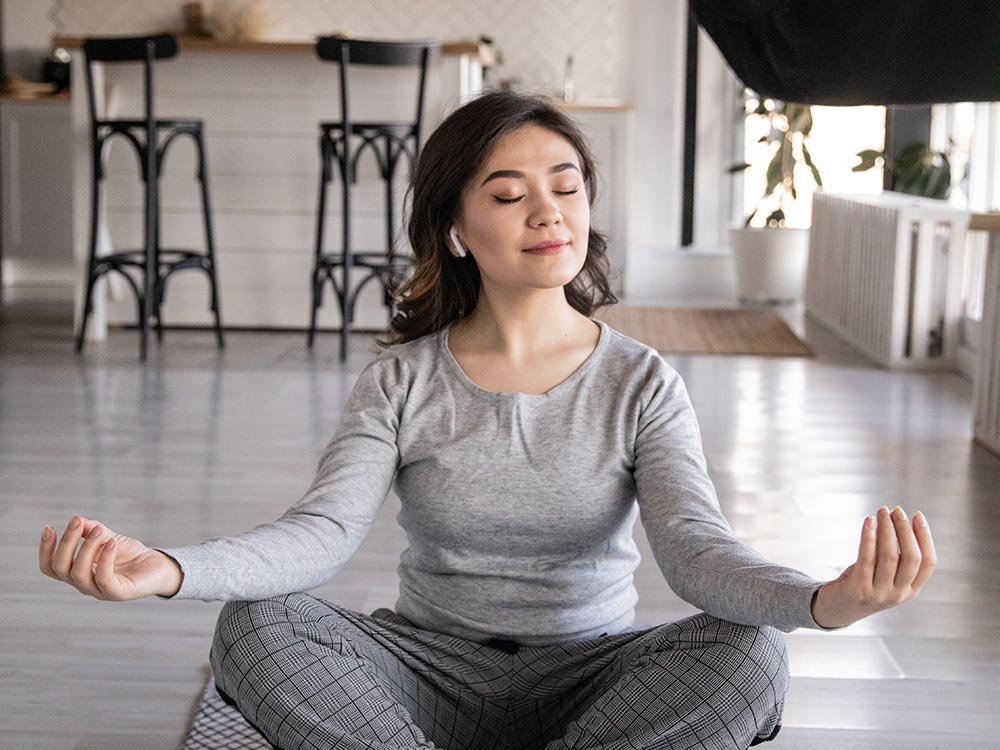
Clinical studies and reviews suggest mindfulness-based practices can influence immune signalling and gene expression tied to inflammation. Several studies report reductions in NF-κB–targeted gene activity and improvements in stress biomarkers after meditation or related practices, although results vary between trials and populations. Mindfulness complements medical care by reducing stress reactivity, improving pain coping, and supporting the consistency needed for diet and movement routines. Meta-analyses show small-to-moderate biological effects, and many people experience better sleep and emotional balance when mindfulness is daily. Meditate daily. Use guided meditations if you find that helpful.
Mindset & Inflammation

Your emotional state has direct biological effects that influence inflammation and pain. Chronic stress and perceived threat activate the hypothalamic–pituitary–adrenal axis and the sympathetic nervous system, altering cortisol and catecholamine signalling and increasing pro-inflammatory cytokines such as IL-6 and TNF-α. – Persistent stress can disrupt gut barrier function and sensitize pain pathways, making flares more likely and recovery slower. That is why simple calming strategies – paced breathing, short relaxation exercises, restorative rest, and supportive social contact – are essential therapeutic tools in any inflammation-reduction plan.
Research literature links psychological stress with measurable changes in inflammatory markers and gene expression. Observational and experimental studies report that chronic psychological strain is associated with higher IL-6 and TNF-α, while stress-reducing interventions often lower these mediators and improve symptoms. Some gene-expression studies also show downregulation of stress-related pathways after mind body interventions, suggesting changes occur at a molecular level. Integrating mindset work – stress management, emotional regulation, and resilience training – with nutrition and movement therefore addresses both behaviour and the biochemical environment.
Visualisation

Visualisation is intentional mental rehearsal that primes the nervous system for improved movement and reduced pain. When you vividly imagine walking, stretching, or feeling joints move without pain, many of the same brain networks engaged during actual movement are activated. This mental practice strengthens brain-body connections, reduces fear of movement, and prepares your nervous system to accept safer, more efficient patterns. Make visualisation sensory – include sights, sounds, textures, and the emotional sensation of ease – so the images feel real and persuasive to your nervous system. Over time repeated mental rehearsal lowers anticipatory tension and increases confidence to move.
Neuroscience shows that motor imagery and action observation recruit premotor, parietal, and other sensorimotor regions that overlap substantially with execution networks. In rehabilitation and sports training, mental rehearsal consistently accelerates skill learning and recovery; clinical reports note improved range of motion and lower pain when imagery complements graded physical practice. To use visualisation effectively: follow short guided scripts, practice five to fifteen minutes daily during relaxed states, and progressively pair imagery with gentle movement to reinforce the new neural patterns. Track mobility gains and comfort over weeks to see cumulative benefits. Daily – Visualise yourself happy, healthy and pain free. Really feel it. Know it’s you.
Positive Imagery
Stress and fear increase inflammation, but hope and positive imagery can interrupt this cycle. Research shows that positive mental imagery reduces cortisol, modulates immune signalling, and may even influence gene expression through hormonal pathways – what Bruce Lipton described in The Biology of Belief. Your emotions affect your hormones, and your hormones influence how your genes behave – determining which genetic pathways are activated or suppressed.
Extraordinary case studies reinforce this link: in individuals with dissociative identity disorder, different personalities have shown different disease states – including one case where a person had rheumatoid arthritis in one personality, but not in another. While rare, this highlights the immense regulatory power of the mind over immune function.
Motivation & Self-Esteem

Motivation grows when you know you are worth the effort. Chronic pain can erode self-esteem, making consistent self-care feel exhausting or unimportant. Rebuilding worth begins with small, compassionate actions: healing meals, short walks, prioritized rest and breathwork. These modest choices accumulate and provide feedback that you are capable of caring for yourself. Practice self-compassion when setbacks occur and treat yourself as you would a friend learning to change. Connect each action to a personal value – freedom, family, creativity – and over months these habits reshape identity and make positive choices easier and more automatic.
Self-esteem and motivation are sustained by repeated success rather than perfection. Break large goals into measurable steps and celebrate each completion. Use habit-linking: attach a new positive behaviour to a daily anchor (for example set a on the hour and half hour chime throughout the day if you are sedentary and get up and stretch or exercise for a few minutes). Track progress objectively – symptom logs, timed walks, or mobility screenshots – so small gains become visible and reinforce a confident self-identity as someone who heals and adapts. If motivation wanes, remember the pain you were in and the healthy happy future you are moving towards.
Feeling Accepted & Loved

We are social beings. Feeling accepted and genuinely loved helps the body feel safe and reduces stress hormones like cortisol which helps calm chronic inflammation. For people living with inflammation like arthritis, constant stress signals can keep immune pathways switched on, intensifying pain, stiffness, and fatigue. In retirement or during illness, we can feel invisible or as if our value has faded. Self-worth grows from acting with integrity, kindness, and helping others – living in ways you’d admire in others. When you behave in ways that earn your own respect, connection follows naturally, and your body receives a message of safety and peace.
Love and connection aren’t just pleasant emotions – they’re biological necessities. Studies show that strong social ties correlate with lower inflammation, better immune health, and fewer depressive symptoms. Because arthritis and other inflammatory diseases can be isolating, try closing your eyes and visualising yourself surrounded by caring friends or loved ones, or simply offer warmth to someone else. Acts of kindness and compassion release oxytocin and endorphins – natural chemicals that switch the body into healing mode. Research even shows that visualising loving connection can calm stress responses. With consistent small gestures of respect and care, you nourish both emotional wellbeing and physical health.
Depression

Processed foods are linked to a higher risk of depression.
Depression and arthritis often feed into each other. Chronic pain can lower mood, while persistent stress and negative thinking increase inflammation and make pain feel worse. Regular physical activity – even gentle walking, stretching, or swimming – has been shown in clinical trials to be as effective as many antidepressant medications. Exercise boosts endorphins, improves sleep, and restores a sense of control. While antidepressants can sometimes help in the short term, they may also cause side-effects such as reduced motivation or sexual dysfunction – issues that increase depression. Moving the body, avoiding processed foods and alcohol remains some of the most powerful, natural ways to lift mood, heal the mind and body.
Mindset plays a powerful role in recovery. Seeing depression as a passing state – not part of your identity – keeps you open to change. Practices such as gratitude, mindfulness, and visualizing yourself healthy, retrains the brain toward healing and possibility. Each moment of appreciation or calm reflection lowers stress hormones and quiets inflammation. When combined with movement and a careful diet, these habits strengthen both body and mind. Even if medication dulls motivation, daily action can help reignite it. You are not your diagnosis or your mood; they are experiences that you move through. With awareness, movement, and self-compassion, your mindset becomes one of your greatest medicines.
Dealing with Trauma

Unresolved trauma – emotional or physical – can hold the nervous system in a sensitized, hyper-aroused state that sustains inflammation and pain. Trauma alters HPA axis patterns and is associated with higher inflammatory markers such as IL-6 and TNF-α, which can blunt recovery despite careful diet and exercise. Addressing trauma directly helps calm stress signalling and reduce physiological drivers of inflammation. For safety, work with trauma-informed practitioners who pace exposure and integrate somatic approaches with medical care to avoid retraumatisation and support durable recovery. When trauma is processed safely, many people report measurable reductions in stress biomarkers and improved function.
Evidence supports specific trauma therapies as helpful adjuncts. EMDR (Eye Movement Desensitization and Reprocessing) has moderate-to-strong evidence for reducing PTSD symptoms in systematic reviews, and Clinical E.F.T. (tapping) has randomized trials showing benefits for anxiety, depression, and reductions in cortisol in some studies. Somatic therapies and trauma-informed breathwork can lower physiological arousal and restore body awareness. These methods are complementary to medical care. If trauma contributes to your symptoms, seek clinicians trained in trauma-informed approaches, set clear safety boundaries, start slowly, and integrate emotional processing with your broader inflammation-reduction plan.
Gratitude

Gratitude is a practical, low-cost practice that shifts attention away from threat and toward resources, changing stress physiology over time. Simple daily habits – writing three things you appreciate, sending a brief thank-you, or noting kindness before sleep – cultivates positive emotion and social connection. These shifts reduce rumination, improve sleep, and make it easier to sustain healthy choices. Start small and be consistent: even two minutes nightly can shift neural habits and reduce baseline anxiety while supporting other healthy routines. Over time these small practices stack, altering emotional baseline and making self-care feel more natural.
Clinical pilots and controlled trials link gratitude interventions to improved heart-rate variability, lower perceived stress, and promising changes in inflammatory biomarker indices in some cohorts. Although not every study reports large biomarker shifts, the consistent psychological gains – better sleep, mood, and social support – help people adhere to anti-inflammatory diets, movement plans, and rest rituals. Start a nightly gratitude log and notice improvements in sleep, focus, and motivation. Every moment of the day there is something to be thankful for. Form a habit of looking for those gifts. After holding your breath realize how happy you are that you can breathe!
Laughter

Laughter is a simple, accessible intervention with measurable physiological benefits. It lowers stress hormones, increases endorphin release, relaxes muscle tension, and can temporarily raise pain thresholds. For people with arthritis and other inflammatory diseases, adding regular laughter to daily life – through funny shows, playful social time, or laughter yoga – offers quick shifts in mood that also lighten the body’s stress burden. Laughter is not a cure, but it is a potent, low-risk tool that improves emotional climate and complements medical and lifestyle treatment. Social laughter strengthens bonds and provides social reinforcement for healthy behaviour.
Clinical and experimental work finds that repeated laughter interventions can lower stress hormones and, in some patient groups, reduce inflammatory markers such as IL-6, TNF-α and CRP. While not every study reports dramatic biomarker changes, the psychological and physiological advantages of regular humour make it a high-value habit: improved mood, increased pain tolerance, and better social connection. Add humour deliberately each day – short comedies, playful friends, or laughter yoga. For some inspiration, have a read of Norman Cousins – “Anatomy of an Illness” and watch the movie “Patch Adams”
Social Influence

Who you spend time with can strongly shape your habits, beliefs, and expectations about health. Social surroundings often determine what feels normal and achievable, and for people working on becoming as healthy as possible a supportive environment increases adherence to anti-inflammatory routines, reduces isolation, and boosts motivation. Positive social cues reduce stress reactivity, provide practical modelling of new habits, and create accountability that turns one-off attempts into durable routines. Recognise influences that help or hinder you, and intentionally cultivate relationships that lift you toward healthier patterns and consistent action.
Practical steps: share your success and this information with colleagues, friends and family, invite others to try what you have achieved. find a ‘healing buddy’ for weekly check-ins, join Yoga, exercise or walking groups. Avoid online groups complaining. But feel free to send them a link. Set gentle boundaries with consistently negative influences and lead by example – your progress can inspire others and reshape lives.
Most social events revolve around food and often alcohol. Plan ahead. Eat before you go or bring a dish you are happy to eat. My party drink is mineral water. sometimes with a dash of pomegranate juice for flavour.
Building Mindset
(Intentions, Habits & Daily Practice)
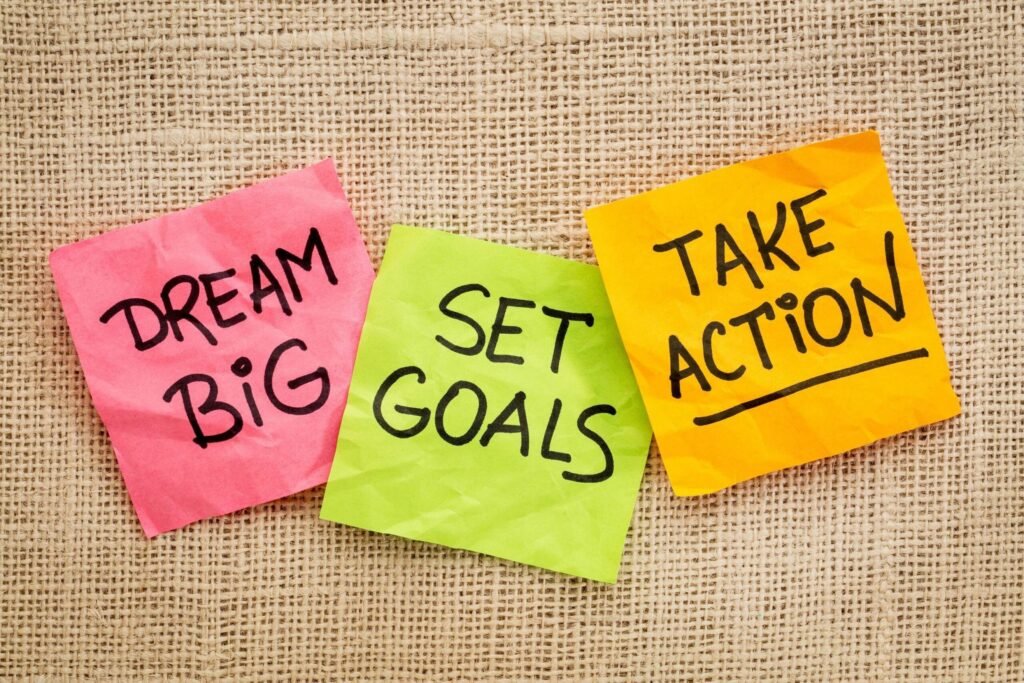
Building a healing mindset requires practical systems. Clarify your emotionally compelling “why” – Set specific goals and track them with simple tools like a checklist, habit app, or a two-line journal, and use habit-linking: attach a new behaviour to an existing routine (for example, five minutes of breathwork before each meal visualising the food you are about to eat nourishing your body). Include short daily practices like a breathing reset, ten minutes of mindful movement, and gratitude notes, so habits accumulate without relying on willpower alone. Design health promoting plans and habits around your life.
Establish a weekly plan that balances nutrition, movement, rest, and mindset work. Evaluate progress with regular blood work to check inflammatory markers. Over days and weeks, consistent, measured practice reshapes habits and delivers measurable improvements in inflammation, mobility, and overall wellbeing building awareness and confidence. Wellness requires courage and consistency.
Personally I found pain was my biggest motivation to change and sustain new healthy daily habits. I was willing to do just about anything to get out of the chronic pain I was in.
Happiness & Virtues
(Purpose, Meaning, Joy)

Happiness and purpose are drivers of resilience and immune health. Having something to do, someone to love, and something to look forward to creates motivational scaffolding that supports daily choices and buffers stress. Engaging in meaningful activity, cultivating relationships, and setting modest future goals stimulate positive emotion, which correlates with better sleep, clearer decision-making, and more consistent self-care. Small pleasures – daily walks, creative work, or shared meals – accumulate into a life that values wellbeing over mere symptom avoidance and helps the body stay in repair mode more often.
Cultivate virtues such as patience, curiosity, thankfulness and generosity: they foster connection and reduce self-criticism, easing stress reactivity. Practical steps include scheduling activities that matter to you, volunteering in small ways, nurturing a creative hobby, or keeping rituals that mark progress. These practices build positive identity and increase the likelihood you’ll stick with the lifestyle changes that reduce inflammation. Nurturing virtues leads to happiness and happiness supports long-term healing. When your days include meaning and joy, the effort of recovery becomes sustainable rather than onerous, and long-term gains become more likely.
Personal Experience
Persistence
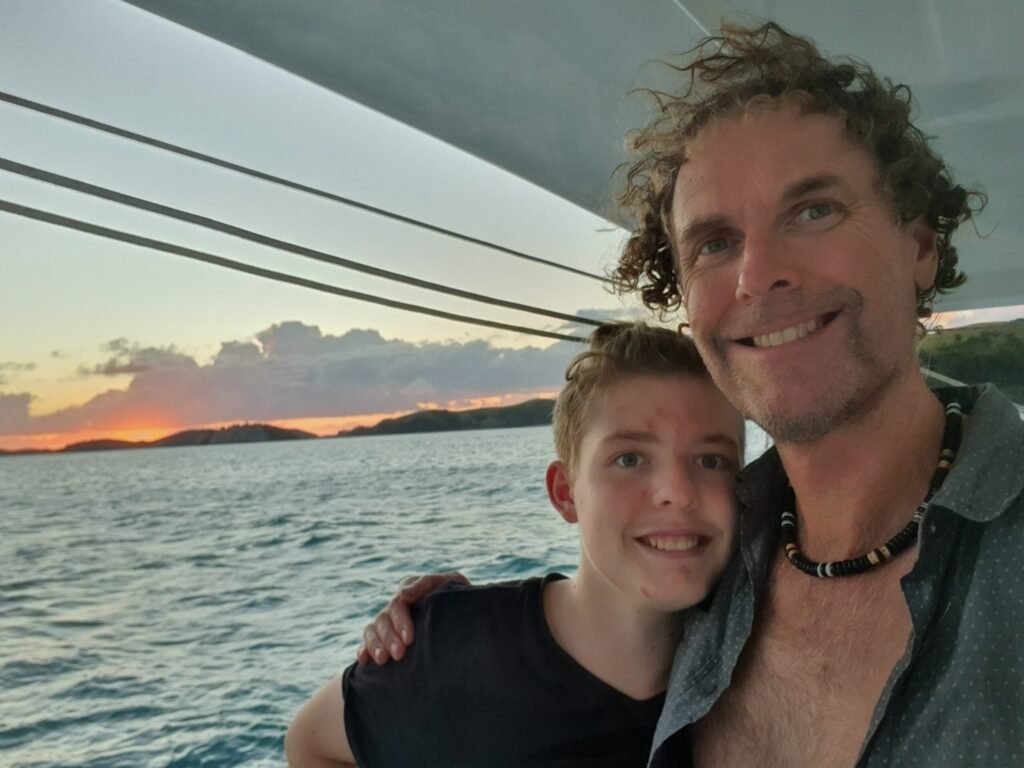
When I was diagnosed, I swore to myself that I would find a way to heal – and then help others do the same. That vision became my driving force. Some of my Christian friends would say I was called to this purpose. Intelligence can guide you, but persistence is the true key to success. When I was in pain and struggling to walk, I would have done anything to be free of it. I dreamed of being able to walk, run, play with my son, swim, cycle, drive, sail, run a business and of course live pain-free again. I held that vision every single day.
It took years of persistence, but eventually i worked out the drivers and how to hold the inflammatory disease in remission. I hope to help you do the same.
If someone had told me, “You will be pain-free if all you eat for the rest of your life is brown rice,” I would have signed up on the spot. Healing demands clarity, commitment, and choice. Many people want relief but still cling to short-term habits over lasting wellbeing. The truth is, the choice is yours. Once you understand the science, the drivers of inflammation and see what supports wellness, you can make up excuses or decide to act.
Pleasure is personal and determined by mindset choices. You can choose the joy of a bowl of organic blueberries over a chocolate bar. A green tea instead of a coffee with milk and sugar.
Health instead of chronic pain. The choice is yours.
Pain is not your Enemy
Just as touching a hot surface tells you to pull away, chronic pain signals chronic lifestyle imbalances that need your attention. Instead of hating your body, joints, back or pain, listen to the message – change is needed. Pain reflects the nervous system’s effort to protect you, not to punish you. When you treat your gastrointestinal system, joints and spine with love, making changes to support health and healing, you begin to shift the body from a state of threat to one of repair. Self-love and calm awareness are stabilising forces in recovery and long-term healing. Let pain be a signal for change.
Clinical and psychological models support this. The fear-avoidance cycle shows that fighting pain often makes it worse, increasing sensitivity and disability. Acceptance-based therapies teach that suffering often comes from the battle with pain, not pain itself. Studies of mindset in chronic pain suggest that reframing threat into challenge correlates with less intense suffering and greater function. Rather than demanding your body behave perfectly, invite it to heal through consistent, compassionate choices. Over time, this care signals safety, reduces threat signalling, and allows inflammation and pain pathways to settle. Your body wants to heal. Treat your body with respect, care and kindness and it will look after you.
Pain Reduction
1st. Reduce inflammation through diet, lifestyle and where appropriate – medical choices. 2nd. Break the habit of regularly scanning your body for pain. This repeated focus strengthens neural pathways that amplify discomfort, a process known as pain sensitization. Instead, if you notice pain, observe with equanimity. You can gently respond with movement – stretch, wiggle, clench, and release – then shift attention to a pain-free area or to something completely different. The brain’s attention network can only hold one dominant focus at a time, so each time you redirect it, you weaken pain circuits. Over time, this simple habit retrains the brain to prioritize safety, movement, and healing instead of vigilance and fear.
Studies in mindfulness-based stress reduction and pain neuroscience confirm that how you focus matters. Non-reactive observation decreases activity in threat-related brain areas and strengthens regions linked to calm control. In contrast, tensing against pain or obsessively checking it increases sensitivity – a process called central sensitization. Practising mindful body scanning helps you acknowledge discomfort without becoming trapped by it. When you feel a sensation, breathe into it, notice its qualities, then release attention to a neutral or pleasant focus such as your breath. This balance of awareness and letting go builds resilience and reduces the emotional weight of pain. I highly recommend Vipassana Meditation for this.
Emotional Traps
Escape from chronic stress: Illness can act as an unconscious “way out” of intolerable work or life pressure. When someone feels trapped in a job or role that’s harming them emotionally or physically, illness can become the body’s language for saying no when the mind feels it can’t. Recovery may unconsciously feel threatening if it means returning to that same stressful situation.
Financial safety nets can be a double-edged sword: Social security, disability payments, or insurance claims can reduce financial stress, but they can also create a subtle fear of recovery – “If I get better, I’ll lose my financial stability.” It’s rarely deliberate or manipulative; it’s usually subconscious. But it can keep people stuck in a mindset where illness equals safety and health equals risk.
Guilt and permission to rest: Many people, especially those who are hardworking or self-reliant, feel guilty about resting or saying “no.” A medical diagnosis can provide social permission to rest – a legitimate reason others will accept. Without that diagnosis, people often feel they must “push through” pain or exhaustion.
Clinging to diagnosis and identity: Over time, a diagnosis can become part of someone’s social identity – a way to explain their limits and gain understanding or compassion. But that identification can quietly reinforce the illness itself. To move toward health, it helps to separate personal identity from medical labels and to learn that it’s okay to rest, heal, and set boundaries without needing to be ill.
Healthy Identity
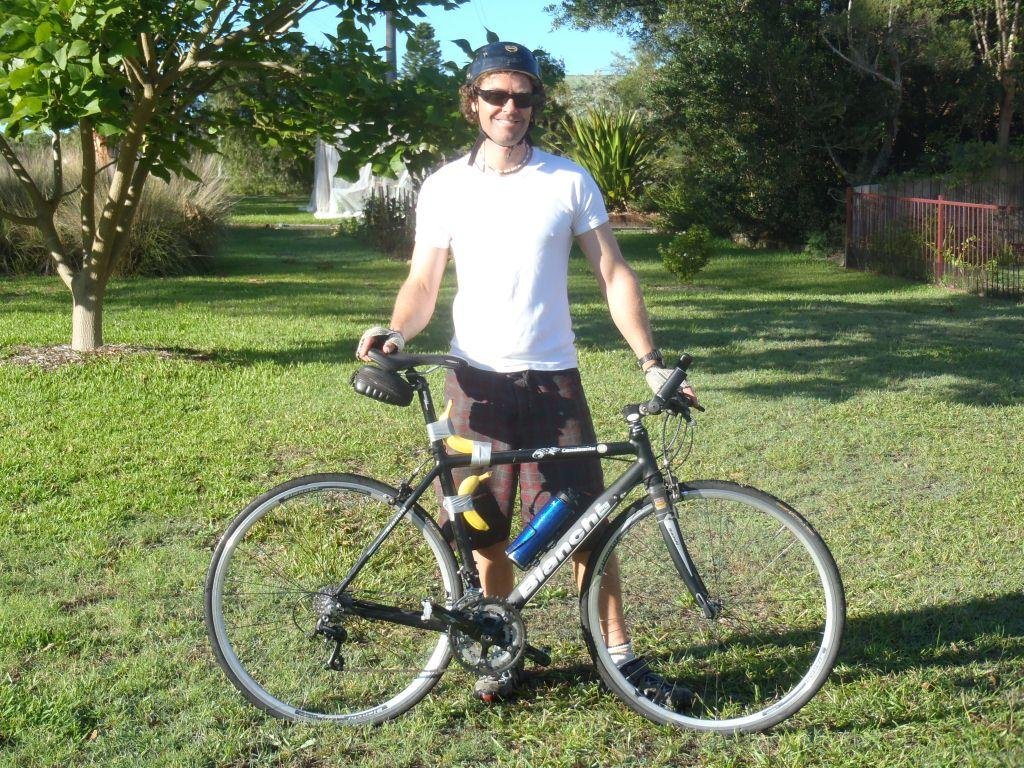
Many people unconsciously fuse their identity with a diagnosis: “my arthritis,” “my condition,” “I’ve got chronic back pain or IBS.” Many times this is reinforced verbally in groups, but the more we repeat these words, the deeper that identity takes root. Just because you experienced a disease yesterday, doesn’t mean you must carry it into tomorrow. Every cell in your body is capable of renewal. Genes can be switched on and off. Begin to picture yourself as a healthy, capable person in the process of recovery. This shift isn’t denial – it’s direction. When you stop reinforcing illness through language and imagery, you create mental space for growth, adaptation, and the possibility of full restoration.
Research supports the power of this mindset shift. Studies on illness identity show that when a diagnosis becomes central to self-concept, it increases distress and reduces motivation to change. Conversely, seeing health as fluid and yourself as capable of transformation improves self-management and emotional resilience. Neuroplasticity research confirms that what you focus on literally rewires your brain; imagining movement, vitality, or comfort can activate the same healing circuits as physical experience. Visualising recovery is not wishful thinking – it’s neurological training. The identity you choose signals to your body how to adapt. Choose to identify as a health driven person rather than one with a disease.
Prioritizing Health

When people are healthy, it’s easy to take it for granted. We fill our days chasing deadlines, wealth, or social expectations – thinking we’ll “get healthy later.” But when health breaks down, everything else stops. Suddenly, the things that once felt urgent or important fade into the background. You can’t enjoy the money you’ve earned if every movement hurts. You can’t be there for the people you love if you’re barely holding yourself together. It’s in those moments that the truth hits hard: without health, nothing else matters. To truly heal, I had to reorder my priorities – to make health my number one commitment, not a side project. Wealth without health is pretty poor. I think Whealth should be spelt this way!
Focusing on health meant giving up some comforts, changing how I ate, how I thought, and even who I spent time with. It meant sitting with fear, frustration, and the grief of losing my “old normal.” I found meaning in my suffering. Slowly I worked out how to heal. I tamed the inflammation, I learnt to walk and then run again. My future is now possible and I’m healthier and more proud of myself for it.
So I say this with love and experience: don’t wait until you lose your health to value it. Make it your highest priority now. The work you put into your wellbeing – through nutritional education, rest, mindset, and self-care – is the most valuable investment you will ever make. Because when you regain your health, you don’t just survive – you get your life back.
Visualizing Health
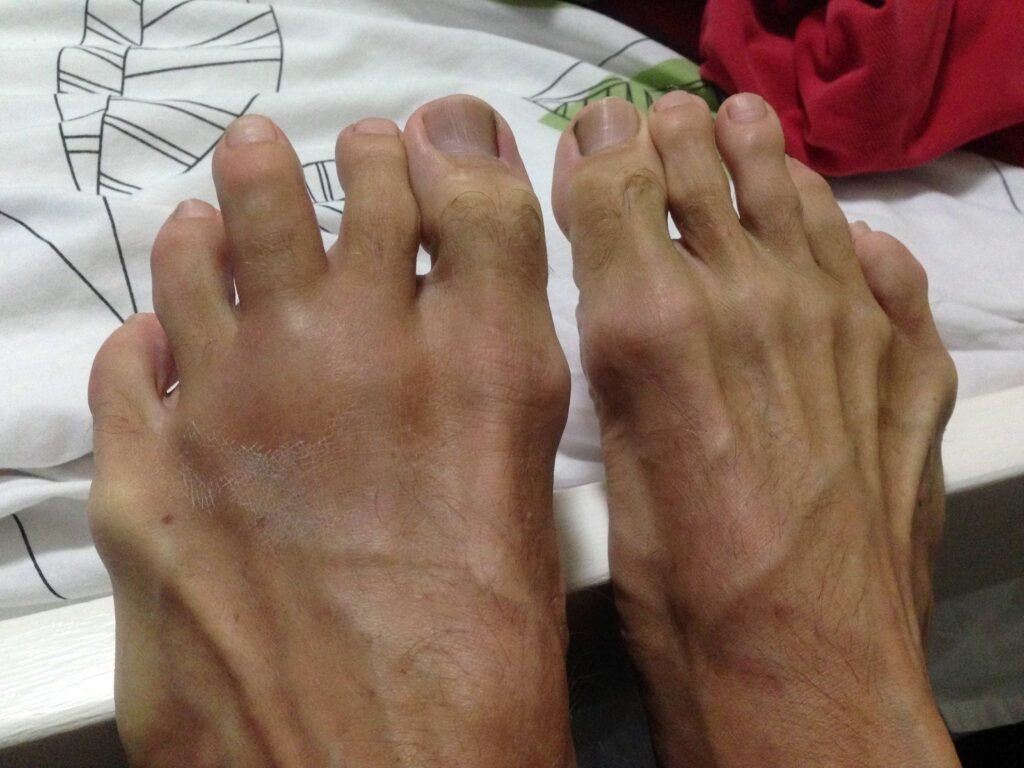
When my left foot was painfully inflamed around the third metatarsal, I began using imagination as part of my healing. I would cross my feet, look at my healthy right foot, and picture it as my left – whole, strong, and pain-free. I held that image until it felt real. Over time, my left foot truly did recover. Neuroscience shows that visualising movement activates many of the same brain regions used during actual movement, helping the nervous system relearn safety and normal function. Imagination can literally begin to rewire pain pathways and restore healthy patterns in the brain-body connection.
Visualisation is not mere wishful thinking – it is a mental rehearsal that reshapes both belief and biology. Imagination guides visualisation, which forms beliefs, influencing thoughts, words, actions, habits, and ultimately your character and health outcomes. Research in neuroplasticity shows that vividly imagining healing or movement strengthens neural pathways involved in recovery and reduces pain sensitivity. When you emotionally recall your healthy self, your brain encodes that state as attainable. Consistent mental rehearsal of wellness trains the body to follow the mind’s intention, transforming how you experience life. Here are the steps.
Imagination – Visualisation – Beliefs – Thoughts – Words – Actions – Habits – Health Outcomes.
Dreams Materialize
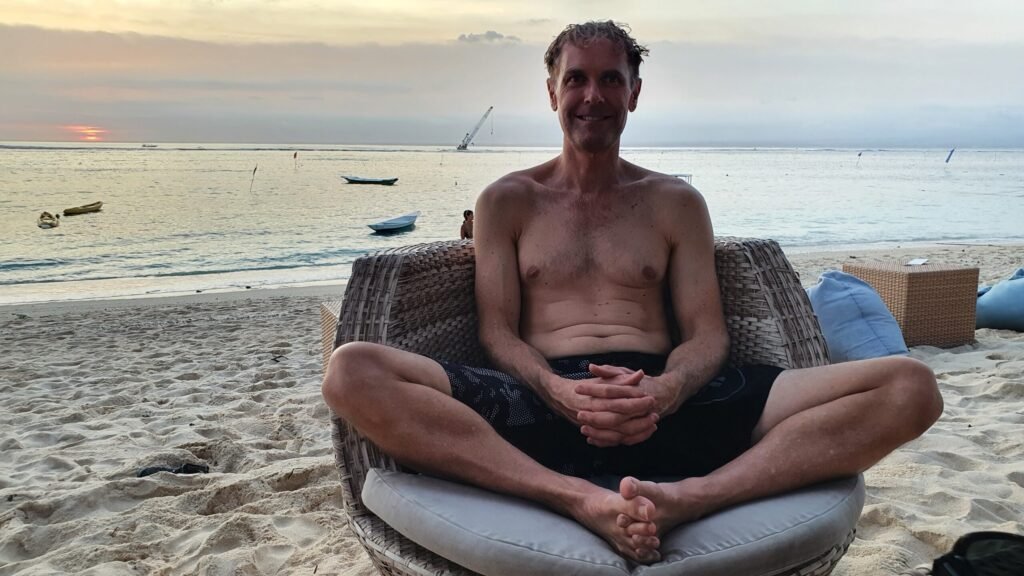
After years of chronic pain and fear of food, my visions of my future (along with a lot of persistence and hard work) paid off.
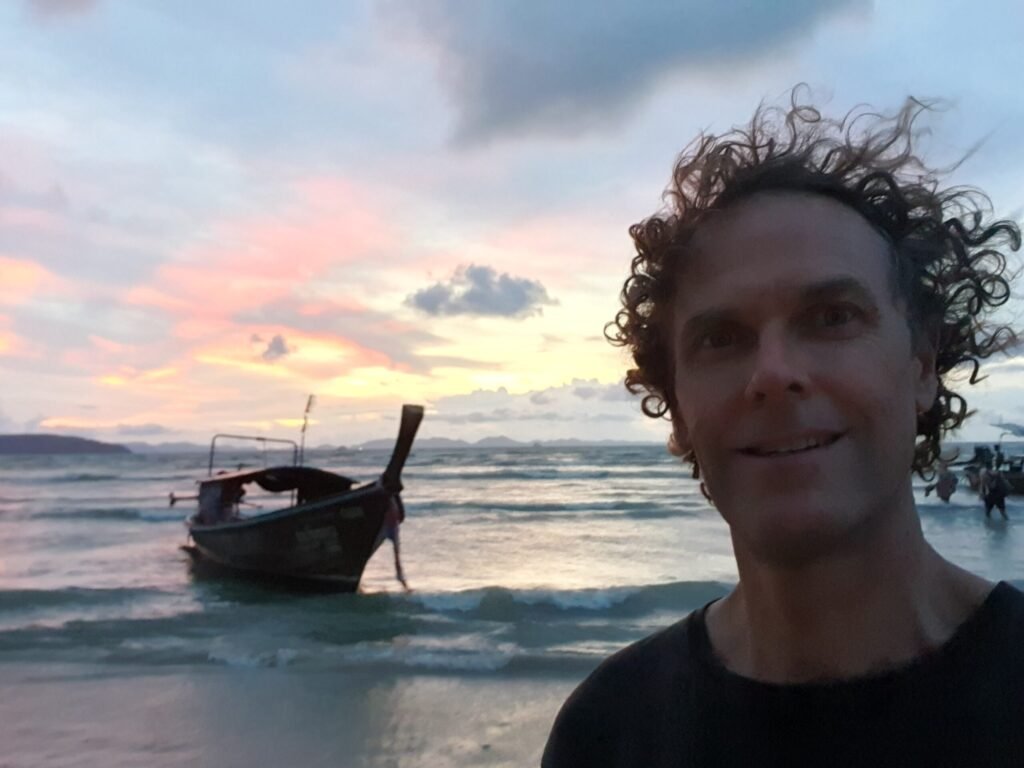
As you can see, my foot has fully recovered. So has my knee, shoulder and spine. I have now travelled to Indonesia and Thailand several times along with countless boat trips.
I can now sleep, sit, walk, run, swim, surf, cycle, climb, sail and do all other things I love – without pain.
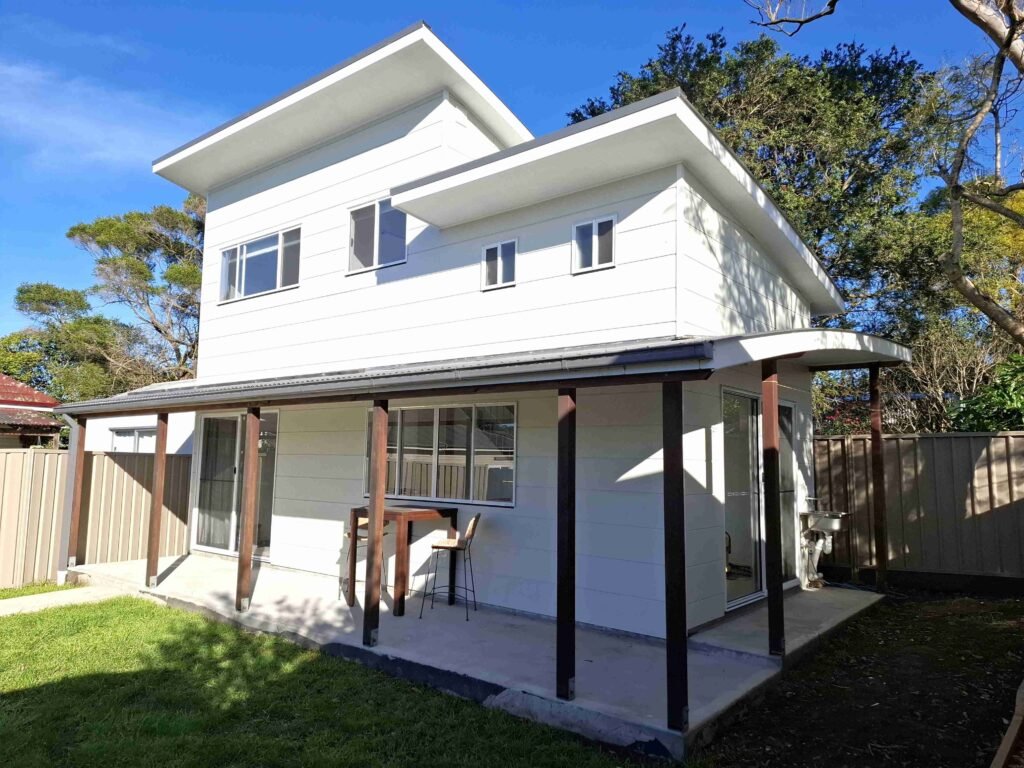
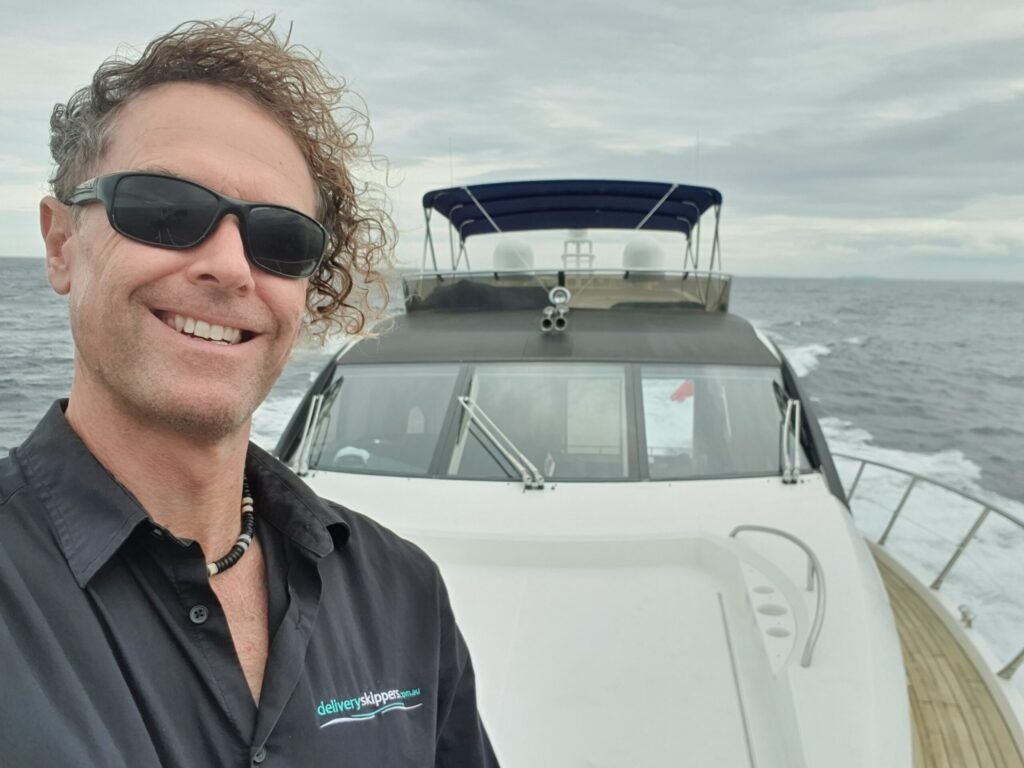
Looking back over the years since recovering from arthritis I have done so much. I designed a website, built a yacht delivery business, I even designed and built this small house (The Skippers Clubhouse) from scratch nearly entirely by myself.
I am incredibly thankful that I found my way out of the horrible pain of Inflammatory Arthritis and now know how to manage it and keep it in remission naturally. Now I’m here to help you do the same.
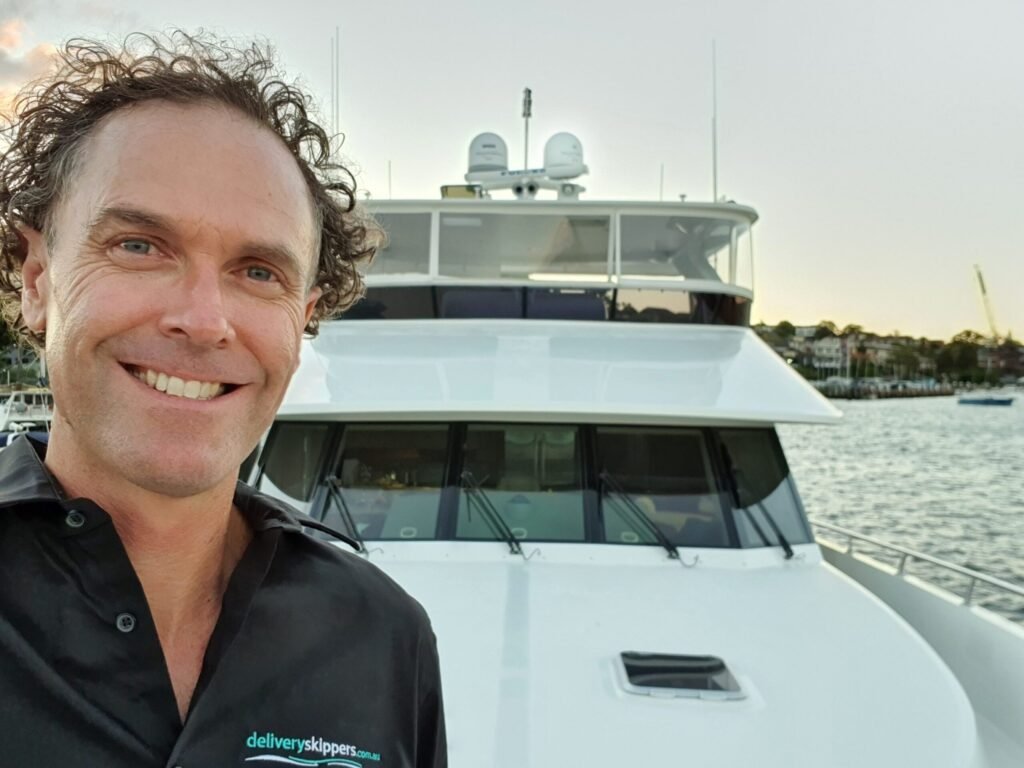
In the last 10 years i have learnt so much about health and diet while during the same time completed maybe 100 yacht deliveries. deliveryskippers.com.au
No Physical achievements or useful endeavour would have been possible if I was still suffering chronic inflammation – unable to walk.
I’m still not an easy person to have over for dinner.
Most people don’t eat the way I do. But the diet changes are worth being pain free and getting my life back!
Next up are the diet pages. Learning about diet is really getting to the guts of what this website is about.