
Magnesium Glycinate
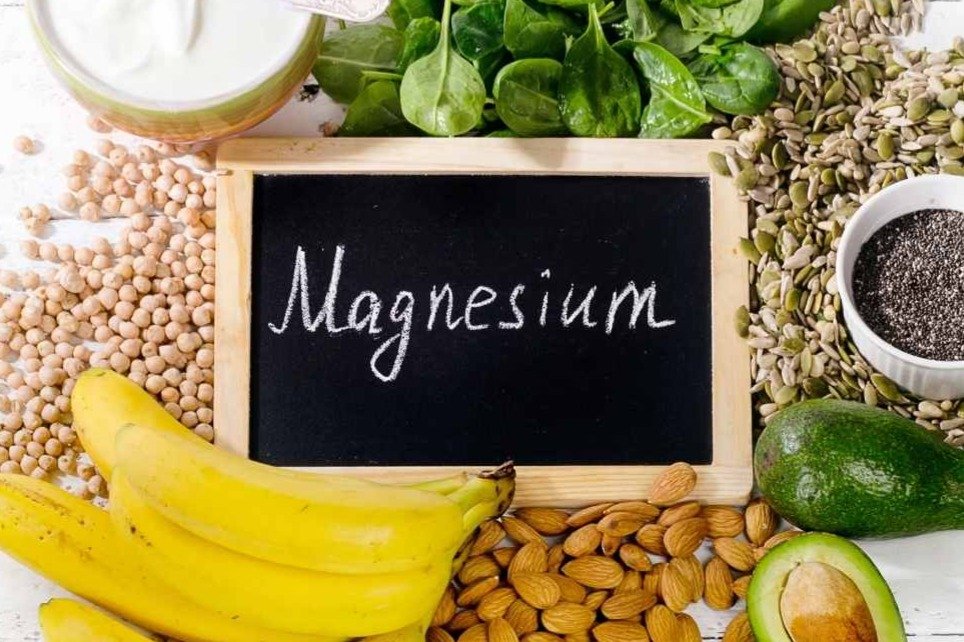
✅ Magnesium – Key Points
Involved in more than 300 enzymatic reactions including energy and muscle regulation
Deficiency increases CRP, IL-6, and TNF-α – key inflammatory markers
Magnesium supports gut barrier integrity and reduces “leaky gut”
Magnesium glycinate is the best-absorbed and most tolerable form
Improves sleep, stress tolerance, and muscle relaxation
Helps prevent vascular and joint calcification by balancing calcium
Plant-based diets can help meet needs with nuts, seeds, greens, and legumes
🧲 Magnesium & Inflammation
The Calming Mineral for Joints and Immunity
Magnesium is an essential mineral involved in over 300 enzymatic reactions in the human body, playing a crucial role in muscle and nerve function, protein synthesis, energy metabolism, DNA repair, and the regulation of blood pressure and glucose levels.
Despite this wide importance, magnesium deficiency is extremely common – particularly in Western populations where diets are low in whole, plant-based foods and high in sodium and processed grains. This shortfall is especially relevant in people with chronic inflammatory or autoimmune conditions such as rheumatoid arthritis, psoriatic arthritis, ankylosing spondylitis, and inflammatory bowel disease, where magnesium levels are often found to be suboptimal.
🔬 Mechanisms: How Magnesium Modulates Inflammation and Immunity
Magnesium’s influence on inflammation and immune function operates through multiple, well-documented biochemical pathways:
Regulation of NF-κB and Cytokine Production
Magnesium deficiency promotes activation of the NF-κB pathway, increasing production of pro-inflammatory cytokines like IL-6, TNF-α, and CRP (C-reactive protein) – key drivers in autoimmune arthritis. Supplementation down-regulates this response, leading to measurable decreases in inflammatory markers.Control of Oxidative Stress
Low magnesium impairs antioxidant enzyme activity (e.g. glutathione peroxidase, SOD), allowing free radicals to damage joints and tissues. Adequate magnesium restores redox balance and protects mitochondrial function.Calcium Channel Regulation
Magnesium acts as a natural calcium antagonist. Deficiency leads to excess intracellular calcium, causing muscle tightness, nerve excitability, and inflammatory signaling. Balancing calcium and magnesium restores normal muscle tone and reduces joint stiffness.Mitochondrial Energy & Muscle Function
Every ATP molecule (cellular energy) must be bound to magnesium to be biologically active. Low magnesium directly limits energy output, promoting fatigue and impaired cellular repair seen in chronic disease.Gut–Immune Axis Support
Magnesium maintains tight junction integrity in the intestinal lining and supports beneficial microbiota balance, reducing “leaky gut”–related systemic inflammation.
📈 Evidence from Clinical Research
Magnesium’s anti-inflammatory role has been confirmed in multiple human studies:
Zhao et al., 2021 (Nutrients, 13(2):558) – Meta-analysis of 17 randomized trials found significant reductions in CRP and IL-6 following magnesium supplementation.
Mazur et al., 2015 (Clin Sci) – Demonstrated that magnesium deficiency amplifies pro-inflammatory cytokine production and endothelial dysfunction.
Jahnen-Dechent & Ketteler, 2012 (Clin Kidney J) – Linked magnesium homeostasis to vascular calcification, supporting its role in soft-tissue protection.
Galland, 2010 (Biol Trace Elem Res) – Reviewed magnesium’s role as a modulator of the inflammatory response in metabolic and autoimmune diseases.
Rosanoff & Plesset, 2013 (Magnes Res) – Population analysis indicated that higher magnesium intake correlates with lower CRP and improved metabolic health across multiple cohorts.
⚙️ Magnesium and the Nervous System
Magnesium has a well-known calming effect on both the muscular and nervous systems. It supports GABAergic neurotransmission (the brain’s main inhibitory system) and helps regulate cortisol and stress responses.
This makes magnesium particularly valuable in arthritis management, where stress, poor sleep, and muscle stiffness often aggravate inflammation. Studies also show magnesium improves sleep quality and reduces restless leg and nocturnal cramps, which are common in chronic pain conditions.
🦴 Muscle, Bone, and Joint Benefits
Reduces muscle stiffness and pain by balancing calcium influx in muscle cells.
Supports bone density via improved vitamin D metabolism and parathyroid regulation.
Improves mitochondrial energy output, countering fatigue common in autoimmune disorders.
Reduces vascular calcification, supporting overall circulatory and joint health.
🌿 Dietary Sources of Magnesium
Below are some of the top plant-based magnesium-rich foods, along with their approximate magnesium content and omega 6 to omega 3 balance:
Food (per 100 grams)
• Pumpkin seeds (pepitas) – 534 milligrams of Magnesium but with an Omega 6 to Omega 3 ratio of (~100 to 1 )
• Flax or linseeds – 392 mg with the best Omega 6 to 3 ratio (~1 to 4 )
• Chia seeds – 335 mg (~3 to 1)
• Almonds – 270 mg (~1980 to 1 )
• Oats (rolled, dry) – 138 mg (~11 to 1)
• Spinach (cooked) – 87 mg (omega negligible)
• Black beans (cooked) – 70 mg (omega negligible)
• Cashews – 260 mg (~47 to 1 )
• Edamame (cooked) – 64 mg (~7 to 1 )
• Quinoa (cooked) – 64 mg (~6 to 1 )
• Avocado – 29 mg (~15 to 1 )
Maintaining a balanced omega-6 : omega-3 ratio helps ensure magnesium’s anti-inflammatory effects aren’t counteracted by dietary fats that promote inflammation.
💊 Supplementation
Best form:
Magnesium glycinate – highly bioavailable, gentle on the stomach, and supports both calming and anti-inflammatory effects.
Avoid magnesium oxide (poor absorption) and magnesium chelate if sensitive to muscle reactivity.
Typical therapeutic dosage:
200–400 mg elemental magnesium/day (usually split into two doses).
May increase to 600 mg/day under supervision for deficiency or chronic inflammation.
Recommended daily intake (RDI):
| Group | RDI (mg/day) |
|---|---|
| Adult men | 400–420 |
| Adult women | 310–320 |
Cautions:
Separate from antibiotics, thyroid hormone, and bisphosphonates by 2–4 hours.
Those with kidney impairment should consult a healthcare professional.
🧘♀️ Magnesium, Stress, and Sleep
By regulating cortisol and supporting relaxation-promoting neurotransmitters like GABA (gamma-aminobutyric acid), magnesium reduces anxiety and improves sleep. Adequate magnesium can lower the physiological stress burden that fuels autoimmune flares. Combined with glycine (as in magnesium glycinate), it further enhances relaxation, gut repair, and overall recovery from chronic inflammation. Ensuring sufficient magnesium intake is a simple, safe strategy to support both daily well-being and long-term resilience.
🌟 Conclusion: Magnesium for Daily Health and Recovery
Adequate magnesium supports hundreds of processes in the body, helping muscles relax, easing joint stiffness, and promoting better sleep quality. Magnesium helps reduce inflammation and supports energy production, so your body can function more efficiently each day. By ensuring you get enough magnesium from foods like flaxseed, chia, pumpkin seeds, and leafy greens – or through a well-absorbed supplement if needed – you give your body the support it needs to feel calmer, move more comfortably, and recover more effectively from daily stress and chronic inflammation.