
NAC (N-Acetylcysteine)
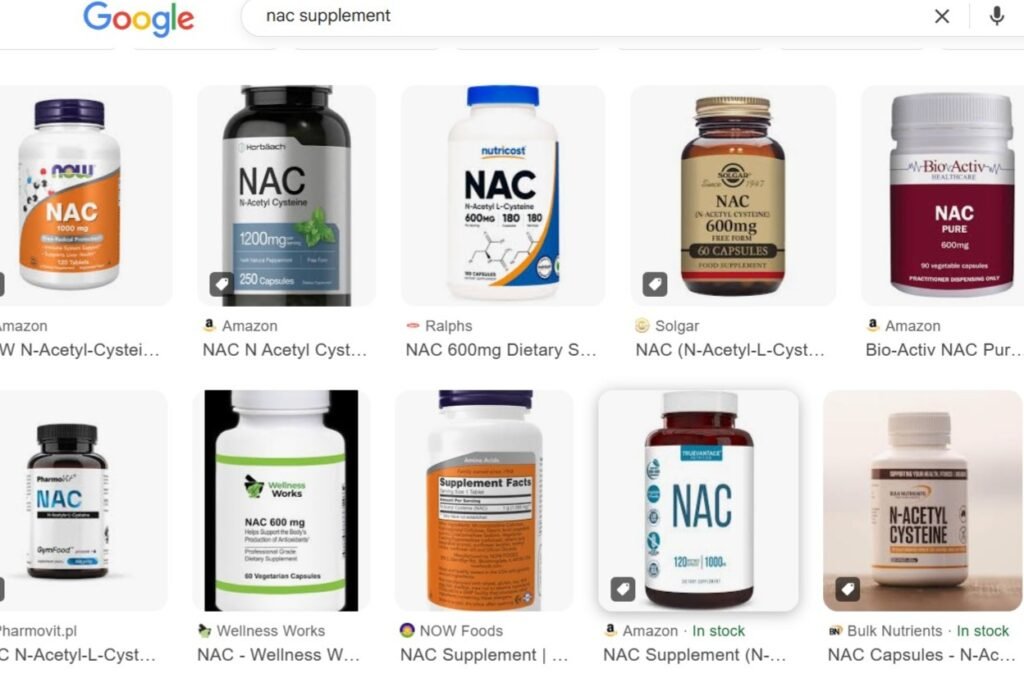
✅ Key Points about NAC
NAC is biologically interesting, plausibly helpful in some inflammatory contexts (especially RA), but not strong or consistent enough to be a general daily recommendation for people with inflammatory disease — especially osteoarthritis. That doesn’t mean it’s “bad”. It means it’s situational, adjunctive, and optional, not foundational.
NAC boosts glutathione, a central antioxidant depleted in chronic inflammation.
Suppresses NF-κB, lowers TNF-α, IL-6, and inhibits MMPs to protect cartilage.
Meta-analysis in RA shows NAC reduces disease activity (DAS28) and ESR.
NAC has multiple other roles: liver detox, respiratory support, mood and immune modulation.
Ideal dosage 600–1200 mg/day; can go higher under supervision.
Mild GI discomfort, drug interactions, and respiratory caution need awareness.
Best used as an adjunct situationally if at all – not a sole therapy – within a holistic anti-inflammatory protocol.
NAC & Inflammation
What Is NAC and Can it Help
N-Acetylcysteine (NAC) is a more stable, acetylated form of the amino acid cysteine, which the body uses to synthesize glutathione – one of the most powerful endogenous antioxidants. In chronic inflammatory diseases such as rheumatoid arthritis, osteoarthritis, and autoimmune conditions, glutathione is often depleted, possibly making NAC an important tool to help restore antioxidant defences, buffer oxidative stress, and reduce inflammation.
While dietary cysteine from proteins like legumes, eggs, etc. can provide substrate for glutathione synthesis, NAC itself is not naturally present in significant amounts in food, so supplementation is required to reach therapeutic levels that have shown some clinical benefits.
🔬 Mechanisms: How NAC Works in Inflammation and Joint Protection
1. Boosting Glutathione and Antioxidant Capacity
NAC offers the sulfhydryl group needed to regenerate reduced glutathione (GSH). By replenishing GSH, NAC helps neutralize reactive oxygen species (ROS), lipid peroxides, and free radicals that drive cartilage damage, synovitis, and systemic inflammation.
2. Suppression of Cytokines & NF-κB
Through oxidative stress modulation and redox balance, NAC suppresses activation of NF-κB, the master regulator of inflammatory gene transcription. This leads to reduced expression of TNF-α, IL-1β, IL-6 and other pro-inflammatory mediators. Literature shows NAC’s anti-inflammatory action is not merely secondary to its antioxidant role, but also involves direct signal modulation. PubMed+2PMC+2
3. Inhibition of MMPs & Cartilage Protection
Ex vivo and animal models show NAC inhibits matrix metalloproteinases (MMP-1, MMP-3, MMP-13), enzymes that degrade cartilage collagen. In synoviocytes stimulated with IL-1β, NAC reduced COX-2, PGE₂, and MMP-13 expression. MDPI This helps protect joint structure and slow degeneration.
4. Modulating mTOR, Autophagy & Cellular Repair
High doses of NAC have been linked to regulation of the mTOR pathway and promotion of autophagy, which may support cell turnover and repair in immune and synovial tissues. In RA patients, doses of 2.4 grams/day and 4.8 grams/day (but not lower) showed some benefit by impacting mTOR modulation. PMC+1
5. Gut Barrier & Immune Modulation
NAC supports gut lining integrity, reduces endotoxin translocation, and modulates immune balance. This helps reduce systemic inflammation driving arthritis flares.
📊 Evidence: What Clinical & Animal Studies Show
Meta-analysis in RA: A 2024 meta-analysis (4 RCTs, 204 total RA patients) showed NAC as an adjuvant reduced DAS28-ESR disease activity (mean difference ~0.54) and ESR by ~3 units. PubMed+1
RCT in RA (600 milligrams twice daily): In 74 RA patients over 3 months, NAC improved disease activity, antioxidant capacity, and reduced hs-CRP, MDA, and ESR compared to placebo. PubMed
However in a Knee OA association study: A retrospective cohort found that long-term oral NAC use (>28 days/yr) was associated with higher risk of knee osteoarthritis, with an adjusted hazard ratio of 1.42. PubMed+2BioMed Central+2
Intra-articular NAC vs. Hyaluronic Acid: In knee OA, intra-articular NAC injections reduced cartilage degradation markers (C6S, CTX-II) comparably to hyaluronic acid for pain and function. PubMed
Animal cartilage injury model: In rats, NAC improved cartilage morphology, vascularization, and cell architecture compared to controls. jointdrs.org
GlyNAC in OA & aging: A 16-week trial of glycine + NAC (GlyNAC) in older adults with OA reversed deficits in glutathione, mitochondrial function, and inflammation, showing safety and tolerance. PubMed
Review evidence: A 2021 review describes NAC’s versatility – antioxidant, anti-inflammatory, immunomodulatory – beyond mucolytic effects. PMC+2Wiley Online Library+2
Caveats & Contradictions:
Some trials report partial or inconsistent effects on global RA scores (DAS28). MDPI+1
Long-term NAC use was associated with increased OA risk in epidemiological cohorts – though causality is unproven. PubMed+2BioMed Central+2
A meta-analysis of 3 RCTs in chronic pain found no significant pain reduction, though small functional improvements were noted. clinicalpainadvisor.com
Current RA guidelines in Europe and the U.S. do not endorse NAC as standard therapy. PMC+1
NAC has demonstrated antibiofilm activity in dental and clinical settings. While this can be beneficial in infection contexts, biofilms are also a normal part of healthy oral and gut microbiomes which we aim to protect.
In summary: the evidence is promising but not conclusive; NAC is best viewed as a possible complementary tool under some circumstances.
🧬 Additional Benefits & Applications
Liver detoxification & glutathione support (classic use for acetaminophen overdose) PMC+1
Respiratory health: NAC acts as a mucolytic and reduces airway inflammation, useful in COPD and chronic bronchial conditions. PubMed+2PMC+2
Mental & neurological support: Via modulation of glutamate, oxidative stress, and neuroinflammation, NAC has shown benefit in mood/anxiety disorders and neurodegenerative settings. PMC+1
Biofilm & antibacterial activity: NAC demonstrates antibiofilm efficacy in dental and endodontic settings, sometimes outperforming standard disinfectants. BioMed Central
💊 Dosage, Forms & Safety
Typical therapeutic dose: 600–1,200 mg/day (split)
Higher usage (supervised): up to 1,800–2,400 mg/day in specific protocols
Timing: Often taken on an empty stomach (or away from high-protein meals) to optimize absorption
Interactions & Warnings:
Mild GI side effects (nausea, bloating, diarrhea) at high doses
May thin mucus and interact with anticoagulants — use with caution in bleeding disorders
Potential to interfere with hepatic metabolism of some drugs
In rare cases, NAC may worsen symptoms in asthma or bronchospasm – consult a clinician if existing respiratory conditions
- Anti biofilm, anti bacterial (varies with concentration)
Alternative to NAC
NAC does not create antioxidant capacity on its own – it supports the body’s existing glutathione system. An alternative or complementary approach is to reduce the sources of oxidative stress that deplete glutathione in the first place.
For many people, improving blood sugar control, reducing chronic inflammation, addressing gut health, minimizing toxin exposure, improving sleep, and managing psychological stress can meaningfully lower oxidative demand – allowing the body’s natural antioxidant systems to function more efficiently without heavy reliance on supplementation. See lifestyle pages
Bottom line:
NAC shows promise in reducing oxidative stress and inflammation, particularly in rheumatoid arthritis, but evidence is mixed and long-term safety for joint health remains uncertain. It is best viewed as an optional, short-term adjunct rather than a core supplement, and is not essential for most people managing inflammatory disease.