
Oxidative Stress
Oxidative stress fuels inflammation and harms nearly every system in the body – and for many people, the joints are where it shows up first. Supporting your body’s antioxidant defences will make a real difference.
Oxidative Health & Arthritis
Excess free radicals (ROS and RNS) damage lipids, DNA, proteins, and joint cells – driving inflammation and arthritis.
Antioxidants like glutathione, SOD, vitamin C & E, carotenoids, and polyphenols neutralize ROS and support tissue health.
In RA and OA, oxidative stress worsens joint damage and inflammation; antioxidant strategies offer real benefit.
Foods rich in antioxidants – berries, turmeric, leafy greens, green tea, nuts, seeds (pumpkin, sesame, almonds), and colorful vegetables – support both joint health and systemic resilience.
Cofactor minerals such as selenium, zinc, copper, and magnesium help enzymes like SOD and glutathione peroxidase function efficiently.
Lifestyle pillars – nutrition, adequate sleep, stress management, safe sunlight exposure (vitamin D), and moderate exercise – enhance antioxidant capacity and mitochondrial function.
Monitoring sugar intake, avoiding AGEs, reducing excess sodium, alcohol, smoking, environmental toxins, and medication overload helps lower oxidative load.
Balance matters: Oxidants serve vital signalling and immune roles, while antioxidants from whole foods help keep this system in harmony.
Oxidative Stress, Free Radicals & Antioxidants
Science-Based Insights for Arthritis & Optimal Health
1, What Are Free Radicals and Why Do They Matter?
Free radicals – particularly reactive oxygen species (ROS) and reactive nitrogen species (RNS) – are molecules with unpaired electrons, making them highly reactive and capable of damaging cells.
They arise from normal metabolic processes (e.g., mitochondrial respiration) and immune activity (e.g., neutrophils’ oxidative bursts), but also from environmental stressors like toxins, chemicals, alcohol, poor sleep, and chronic stress.
⚖️ A Question of Balance: The Purpose of Oxidants
It’s important to remember that not all oxidation is harmful. Low and controlled levels of ROS and RNS play essential physiological roles:
Cell signaling: They act as molecular messengers that regulate growth, repair, and immune activity.
Immune defense: Immune cells use oxidative bursts to destroy invading bacteria and viruses.
Hormetic stress response: Mild oxidative challenges from exercise, cold exposure, or plant compounds stimulate the body’s own antioxidant defenses, strengthening resilience over time.
In other words, oxidation is not the enemy – it becomes a problem only when production outpaces the body’s capacity to neutralize it. Health depends on maintaining redox balance, not simply eliminating oxidants altogether.
2, When Balance Breaks Down: Oxidative Stress
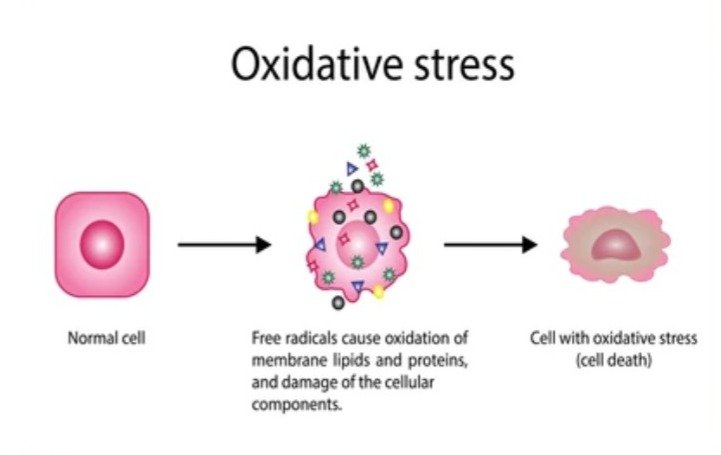
Oxidative stress occurs when ROS/RNS production exceeds the body’s antioxidant capacity.
At this point, free radicals damage lipids, proteins, DNA, and cellular structures – promoting cell death, mutated proteins, and inflammation.
Multiple modern lifestyle and environmental factors can overload the system, including:
Smoking: introduces reactive free radicals directly into the bloodstream.
Excess body weight: adipose tissue produces pro-inflammatory cytokines that increase ROS.
Poor sleep: reduces endogenous antioxidant production and elevates stress hormones.
Chronic stress: heightens cortisol, triggering ROS generation.
Medication overload: certain drugs increase oxidative burden or impair antioxidant enzymes.
Toxins and environmental chemicals: pesticides, heavy metals, and pollutants add oxidative load.
Alcohol: metabolized into acetaldehyde, which promotes oxidative damage.
High sodium intake: as detailed below.
🧂 Sodium & Oxidative Stress
A high salt (sodium chloride) diet has been shown to increase ROS production in vascular tissue and reduce key antioxidant enzyme activity (e.g., superoxide dismutase, SOD) in both animal and human studies.
Excess sodium can impair endothelial function (the health of blood vessel lining) even independent of blood pressure changes, which is linked to oxidative stress and lowered nitric oxide bioavailability. Reviews describe high sodium intake as a “strong stimulus for inflammatory activation and oxidative stress” in salt‑sensitive individuals, indicating that excessive salt affects immune and redox systems.
When compared to other oxidative stressors, high sodium is generally less impactful than smoking, obesity, chronic stress, or poor sleep, but it still represents a modifiable lifestyle factor that can significantly influence inflammation and antioxidant balance over time.
3, Oxidative Stress in Arthritis
In rheumatoid arthritis (RA), activated immune cells produce excess ROS within joints. This contributes to synovial inflammation, cartilage breakdown, and bone erosion.
In osteoarthritis (OA), oxidative stress accelerates chondrocyte aging and death, exacerbating cartilage degeneration.
Within chondrocytes and synovial cells, mitochondrial dysfunction amplifies ROS production, intensifying joint damage.
4, The Body’s Built-In Defense: Antioxidants
Enzymatic antioxidants like superoxide dismutase (SOD), glutathione peroxidase, and catalase neutralize ROS before they damage tissues.
Key non-enzymatic antioxidants, such as glutathione, vitamins C & E, carotenoids, and polyphenols, scavenge free radicals or reduce oxidative damage.
Certain trace minerals – selenium (e.g., Brazil nuts), zinc, copper, and magnesium – act as essential cofactors for these enzymes, ensuring the system runs efficiently.
When these systems are overwhelmed – by aging, poor diet, chronic inflammation, medications, stress, or other lifestyle factors – the imbalance leads to persistent oxidative stress.
🥦 Antioxidants: Food First, Not Mega-Doses
Antioxidants from whole foods – fruits, vegetables, nuts, seeds, herbs, and teas – support the body’s natural balance. They come packaged with fiber, minerals, and hundreds of synergistic compounds that regulate redox activity in gentle, adaptive ways.
Examples include:
Vitamin E sources: nuts (almonds, hazelnuts) and seeds (pumpkin, sunflower, sesame)
Carotenoid-rich vegetables: carrots, pumpkin, sweet potato, red peppers, kale, spinach
Polyphenols: berries, cocoa (moderation), grapes, olives, green tea
Sulfur-rich vegetables: broccoli, garlic, cabbage
Coenzyme Q10: supports mitochondrial antioxidant function (from oily fish or supplementation)
In contrast, megadoses of isolated antioxidant supplements, especially when taken continuously, can disrupt natural oxidation processes. Excessive neutralization of ROS may interfere with immune defense, cellular signaling, and hormetic stress responses, potentially slowing healing or adaptation to exercise.
For most people, a diet abundant in colorful plant foods and trace minerals provides all the antioxidant protection needed, supporting equilibrium rather than suppression.
🌞 Sunlight, Vitamin D & Redox Health
Moderate sunlight exposure is essential – not only for vitamin D production but also for regulating immune and inflammatory pathways. Vitamin D helps reduce oxidative stress indirectly by improving immune balance and lowering pro-inflammatory cytokine activity.
Avoiding sunburn is important because excessive UV causes ROS, but safe sun exposure contributes to long-term redox and immune resilience.
5, Why This Is Important for Arthritis & Disease Prevention
Elevated oxidative stress correlates with higher levels of inflammatory markers (e.g., TNF‑α, IL‑6, CRP), immune dysregulation, and joint deterioration.
Antioxidant strategies – through whole foods, trace minerals, sunlight, sleep, stress management, and moderate exercise – have shown moderate clinical benefits in RA and OA, protecting cartilage, maintaining joint integrity, and reducing pain and stiffness progression.
6, How to Optimize Antioxidants Through Lifestyle
Diet: Rich in colourful plant foods, nuts, seeds, olives, herbs, and teas
Cofactors: Ensure selenium, zinc, copper and magnesium intake is adequate
Sulfur-rich foods: Broccoli, garlic, cabbage and possibly NAC supplementation
Sleep: Adequate, restorative sleep supports melatonin and endogenous antioxidants
Stress management: Meditation, mindfulness, and exercise lower ROS generation
Exercise: Regular moderate activity strengthens antioxidant defenses and mitochondrial health
Sunlight: Safe exposure for vitamin D and immune support
Avoid chronic oxidative stressors: Excess sugar, alcohol, smoking, environmental toxins, UV overexposure, medication overload, and high sodium intake
More detail on these subjects back on the lifestyle page.
7, Key Topics to Explore for In-Depth Understanding
Mitochondrial health: The root of ROS generation and energy metabolism
Redox signaling & NF‑κB: How ROS activate inflammatory gene transcription
Lipid peroxidation & protein carbonylation: Molecular damage markers associated with aging and arthritis
Advanced glycation end products (AGEs): Inflammation-promoting compounds created by sugar-protein crosslinking
Enzyme cofactors & trace mineral status: Roles of selenium, zinc, magnesium and copper in supporting antioxidant systems
Oxidative Stress Summary
Excessive oxidative stress is a central driver of inflammation and joint damage in arthritis and other inflammatory diseases. Strengthening both endogenous (enzyme-based) and dietary antioxidant systems is vital to protect cells, support repair, and reduce disease progression.
At the same time, it’s essential to respect the biological balance – oxidants are necessary messengers, defenders, and regulators. True health means allowing both sides of the redox equation to function in harmony.
While medications help manage symptoms, focusing on nutrition, lifestyle, sleep, stress management, exercise, trace minerals, and sunlight empowers long-term healing and disease prevention.