
Selenium
🔑 Selenium at a Glance
Selenium is a powerful antioxidant that reduces oxidative stress in arthritis.
Deficiency is common in people with inflammatory arthritis like RA.
Soil in Australia and NZ is often low in selenium.
Plant-based diets may fall short without targeted selenium sources.
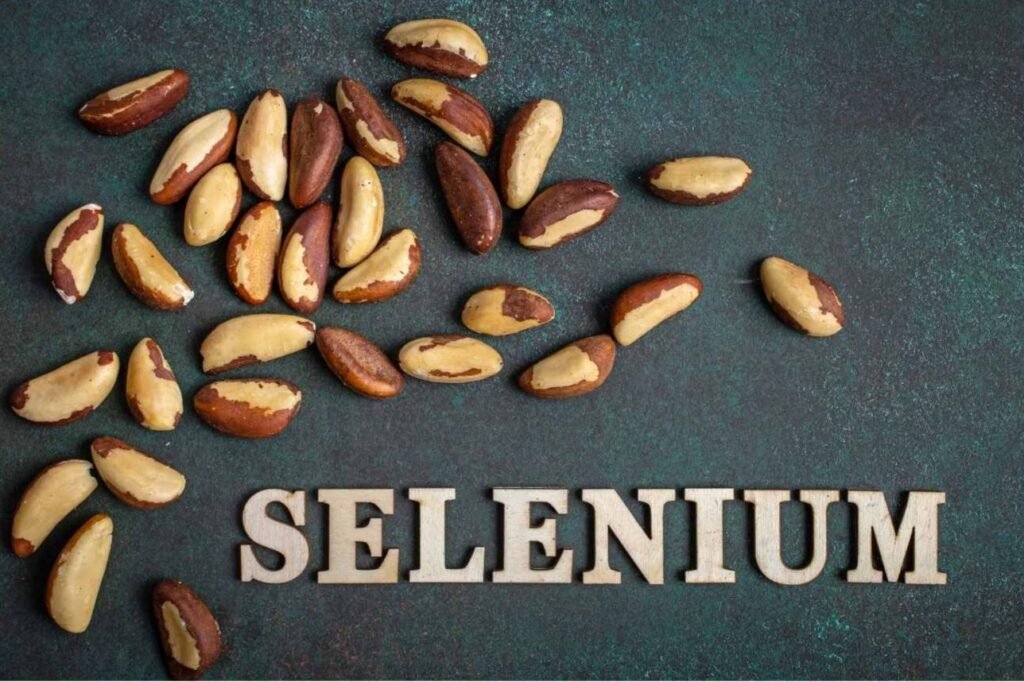
1–2 Brazil nuts per day can meet your needs safely.
Selenium supports glutathione peroxidase, a key anti-inflammatory enzyme.
Works together with vitamin E, zinc, iodine, magnesium, and vitamin D.
Over 400 µg/day long-term may be toxic – avoid excess.
Selenium status can affect thyroid function and immune health.
Low levels are linked to increased CRP and TNF-α in arthritis patients.
Careful not to over do selenium – you need some but not too much
One or two Brazil nuts per day should give you plenty of selenium
Selenium and Oxidative Stress
Selenium is a trace mineral essential for immune regulation, inflammation control, and antioxidant defence – all critical for people living with arthritis. Though only needed in small amounts, selenium plays a foundational role in supporting the body’s ability to regulate oxidative stress, protect tissues from immune-driven damage, and assist in the function of thyroid hormones.
🔬 Why Selenium Matters in Inflammatory Arthritis
Emerging research shows that selenium deficiency is common in people with inflammatory arthritis and may contribute to symptom severity and joint damage. Selenium is essential for the production and function of key antioxidant enzymes such as glutathione peroxidase (GPx) and thioredoxin reductase, both of which protect tissues from oxidative injury.
🧪 In a meta-analysis of studies on rheumatoid arthritis (RA), patients were consistently found to have lower serum selenium levels than healthy controls, and several studies linked low selenium to more severe disease activity and increased oxidative markers (Reference: Rajaei et al., 2021).
🌱 At-Risk Populations
Selenium levels are heavily influenced by soil content. In countries like Australia and New Zealand, soils are often low in selenium, making plant-based eaters particularly at risk of deficiency – even with a whole foods diet.
Plant-based and vegan diets may fall short in selenium unless they include targeted sources such as Brazil nuts or a quality supplement. In fact, selenium is one of the very few nutrients where soil depletion can lead to widespread, silent deficiency, even with diverse eating habits.
⚖️ Selenium and Inflammation: The Antioxidant Link
Selenium supports the body’s antioxidant defences by activating enzymes that reduce the burden of reactive oxygen species (ROS) – unstable molecules that damage tissues and drive chronic inflammation.
In arthritis, ROS accumulate in the joints, aggravating cartilage degradation and immune system overactivity. Selenium’s ability to quench oxidative stress helps prevent or slow this cycle of damage.
📚 A 2023 study in Biological Trace Element Research found that increasing selenium status in RA patients improved antioxidant enzyme activity and reduced inflammatory markers such as C-reactive protein (CRP) and TNF-α.
⚠️ Too Little or Too Much? Finding the Right Balance
Selenium has a narrow therapeutic window – not enough may worsen inflammation, while too much can be toxic over time.
🟢 For most adults, the recommended daily intake (RDI) is:
Australia & NZ: 60 µg/day (women), 70 µg/day (men)
USA: 55 µg/day for both men and women
🔴 However, chronic intakes above 400 µg/day may increase risk of toxicity, including symptoms like hair loss, nail brittleness, fatigue, or in rare cases, nervous system issues.
🥥 What’s the Best Natural Source?
Just 1–2 Brazil nuts per day (grown in selenium-rich soils like in Bolivia) can safely meet or exceed your daily selenium needs. However, the selenium content in Brazil nuts can vary greatly – from 50 µg to over 300 µg per nut, depending on where they’re grown.
✔️ Best Practice:
Eat 1 Brazil nut per day regularly (or 2 every second day)
Choose organic or well-sourced nuts for consistent selenium content
Store them in a cool, dry place to prevent rancidity
- Besides Brazil nuts – mushrooms, eggs, sunflower seeds, and seafood can also contribute to meet daily targets.
💊 What About Supplements?
Supplementation may be helpful for individuals with:
Low blood selenium levels
Poor absorption or gut issues
Diagnosed inflammatory arthritis with poor dietary intake
Living in low-selenium soil areas (like most of Australia)
- Supplement if your selenium levels are low on blood tests and dietary sources are inadequate.
🧪 Selenium supplements are typically available as selenium yeast or selenium methionine (organic forms), which are better absorbed than inorganic forms (like sodium selenite).
If supplementing:
Keep to 50–200 µg/day max, unless advised by a healthcare provider
Monitor selenium blood levels, especially if using long-term
Avoid combining with multiple other supplements that contain selenium unless dosed carefully
🧩 Selenium Works with Other Nutrients
Selenium does not work in isolation. It works synergistically with:
Vitamin E – enhances antioxidant activity
Iodine and thyroid hormones – selenium is required for converting T4 to active T3
Zinc – for balanced immune responses
Magnesium and calcium – involved in inflammation modulation
Vitamin D and K2 – in regulating immune function and calcium metabolism
A whole food, anti-inflammatory diet that includes all these nutrients is the best foundation.
✅ Key Takeaway
Selenium is a powerful anti-inflammatory trace mineral, especially important for arthritis sufferers. A small daily dose from Brazil nuts or supplements can help reduce oxidative damage, improve joint health, and support immunity. However, balance is essential – more is not always better.