
Iron & Arthritis
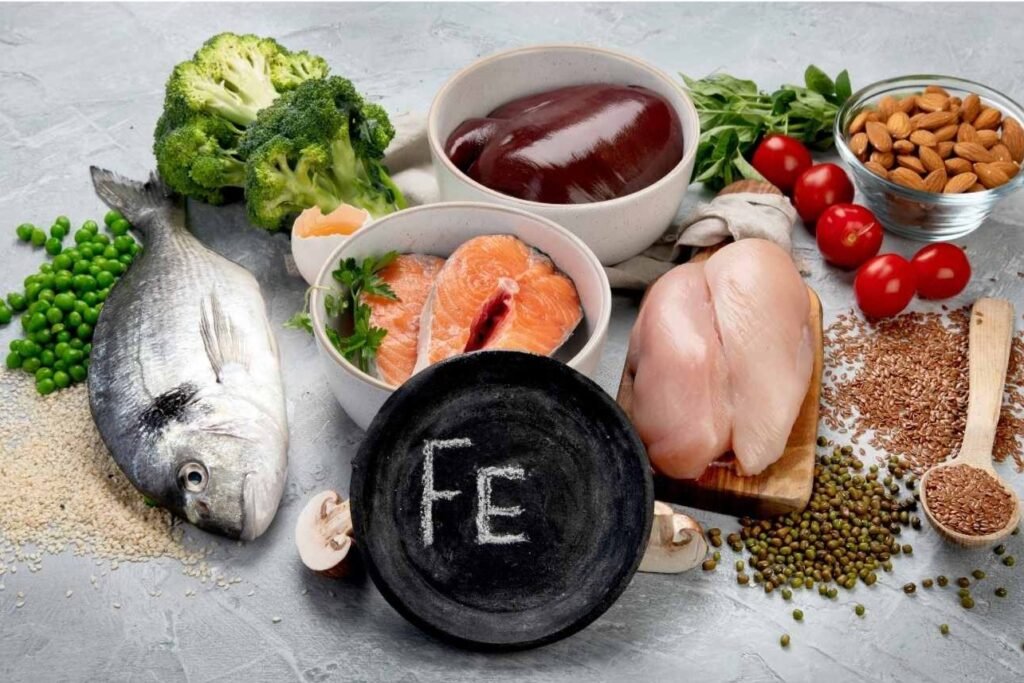
Key Iron Insights
- Iron supports energy, oxygen transport, and immune function.
- Iron is stored in the body, so long term balance matters more than daily intake.
- Both iron deficiency and iron excess can worsen inflammation.
- Ferritin reflects iron storage but also rises with inflammation.
- Plant based diets can meet iron needs when absorption is optimised.
- Vitamin C improves plant iron absorption using low reactivity foods.
- Tea and coffee reduce iron absorption when consumed with meals.
- Fortified foods can silently drive iron overload.
- Iron supplements should only be used when deficiency is confirmed.
- Testing guides smart decisions, not assumptions.
Iron: Balance for Inflammation, Joint Health, and Energy
Iron is an essential mineral involved in oxygen transport, cellular energy production, and immune function. However, in the context of inflammatory and autoimmune disease, iron is a double-edged sword.
Too little iron can impair energy, healing, and immune resilience. Too much iron can fuel oxidative stress and inflammation. For people managing arthritis or other inflammatory conditions, the goal is iron balance, not maximization.
This page focuses on maintaining iron in the optimal range using food first, guided by blood testing, rather than routine supplementation.
Recommended Daily Intake & Upper Safe Levels
Before looking at food sources, it is important to understand how much iron your body actually requires.
RDIs
Men aged 19 years and over:
8 mg per day (typical safe range: ~6 to 20 mg per day)
Women aged 19 to 50 years:
18 mg per day (typical safe range: ~12 to 30 mg per day)
Women aged 51 years and over:
8 mg per day (typical safe range: ~6 to 20 mg per day)
Pregnant women:
27 mg per day (upper intake level: ~45 mg per day under medical supervision)
Breastfeeding women:
9 to 10 mg per day (typical safe range: ~8 to 20 mg per day)
Important context about iron ranges
Iron is stored in the body, mainly in ferritin, rather than cleared daily like many water-soluble vitamins. Because of this:
You do not need to hit the exact RDI every single day
Intake naturally varies day to day and even week to week
Regularly exceeding needs, especially above ~20 to 30 mg per day long-term, can increase the risk of iron overload in susceptible people
The Tolerable Upper Intake Level (UL) for adults is generally set at 45 mg per day, but this is not a target. It is a safety ceiling intended mainly for short-term therapeutic use. Chronic intakes well below this level can still raise ferritin over time, particularly in men, postmenopausal women, and people with inflammatory conditions or genetic susceptibility.
Women of reproductive age require more iron due to menstrual blood loss. Pregnancy significantly increases iron needs because of expanded blood volume and fetal development.
How Iron Is Stored and Regulated in the Body
Unlike water soluble vitamins, iron is tightly regulated and stored in the body. Most iron is bound to hemoglobin in red blood cells, with excess stored as ferritin in the liver, spleen, bone marrow, and muscles.
Key points about iron turnover:
• The body loses only about 1 to 2 mg of iron per day.
• Iron is efficiently recycled from old red blood cells.
• Daily intake does not need to match daily losses exactly.
• Long term intake determines iron status, not single meals.
Because of this, iron deficiency or overload develops gradually over weeks to months, not days.
Blood markers such as serum ferritin and transferrin saturation provide a far more accurate picture of iron status than dietary tracking alone.
Red Meat and Heme Iron
Red meat is one of the richest sources of iron, primarily in the form of heme iron, which is absorbed far more efficiently than plant (non-heme) iron.
Approximate iron content:
Beef (red meat, cooked): ~2.6–3.0 mg iron per 100 g
Lamb (cooked): ~1.6–2.0 mg per 100 g
Kangaroo (very lean, cooked): ~3.2–3.5 mg per 100 g
Heme iron absorption is typically 15–35%, compared to 2–10% for non-heme plant iron. Unlike plant iron, heme iron absorption is poorly regulated by the body, meaning intake directly drives iron accumulation.
This makes red meat an efficient iron source for people with deficiency, but also increases the risk of iron excess when consumed frequently or in large portions.
Red Meat, Iron Overload, and Inflammation
Regular consumption of red meat can contribute to iron overload, particularly in individuals with:
Genetic haemochromatosis (common in people of European descent)
Elevated baseline ferritin due to chronic inflammation
High intake of fortified foods alongside animal products
Excess iron promotes oxidative stress through the Fenton reaction, generating free radicals that can amplify systemic inflammation. Elevated iron and ferritin levels have been associated with increased inflammatory markers, joint degeneration, and progression of inflammatory diseases.
For people managing arthritis or chronic inflammatory conditions, frequent red meat intake may therefore worsen symptoms indirectly via iron-driven oxidative and inflammatory pathways, even in the absence of overt iron overload.
This is why iron status should be assessed via blood testing rather than assumed based on diet alone.
Red meat provides highly absorbable heme iron, but frequent intake can increase iron stores and oxidative stress, potentially aggravating inflammation in susceptible individuals.
There are several other pathways meat can contribute to inflammation. See the processed foods page
Fish such as tuna contains much lower iron levels and poses a far lower risk of iron-driven inflammation.
Plant Based Iron Sources
A mostly plant based diet can meet iron needs when built around appropriate foods and absorption strategies. The following sample of foods provide meaningful iron while being generally well tolerated by people with inflammatory triggers.
Cooked lentils, about 3.0 mg per 1 cup
Cooked chickpeas, about 2.4 mg per 1 cup
Rolled oats, uncooked, about 2.1 mg per half cup
Cooked black beans, about 1.8 mg per 1 cup
Quinoa, cooked, about 1.4 mg per 1 cup
Broccoli, cooked, about 1.0 mg per 1 cup
Bok choy, cooked, about 0.8 mg per 1 cup
Brown rice, cooked, about 0.8 mg per 1 cup
Improving Iron Absorption (if needed)
Plant iron is non heme iron, which is sensitive to absorption enhancers and inhibitors.
Vitamin C significantly improves non heme iron absorption. Lower reactivity vitamin C sources include:
Berries
Broccoli
Capsicum
Citrus fruits, if tolerated
Example: Adding berries or fresh orange juice to oats improves iron absorption.
Tea and coffee reduce iron absorption due to tannins. Absorption may drop by up to 60 percent if consumed with meals. Waiting one to two hours after meals is usually sufficient.
Soaking or sprouting legumes and grains can also improve iron bioavailability.
Fortified Foods and Hidden Iron Excess
Iron fortified foods are a major and often unrecognised contributor to excess iron intake.
Many breakfast cereals, including cornflakes, contain 4 to 8 mg of iron per serving. Consuming multiple servings can rapidly exceed daily requirements.
For example, eating six to eight servings of fortified cereal may provide 24 to 50 mg of iron in a single sitting.
This is particularly relevant for highly active individuals with large energy intakes, and for people consuming fortified foods daily without monitoring ferritin levels.
For those with inflammatory conditions, excess iron from fortified foods may contribute to oxidative stress and symptom flares.
Iron Overload and Inflammation
Excess iron increases oxidative stress and promotes inflammatory signalling. Iron participates in the Fenton reaction, generating reactive oxygen species that damage tissues, including joints, blood vessels, and organs.
Elevated ferritin levels are associated with increased systemic inflammation and disease activity in multiple inflammatory and autoimmune conditions.
Many people transitioning to vegetarian or vegan diets are advised to “take iron just in case.” Without blood testing, this can unintentionally worsen inflammation, fatigue, and joint symptoms in those who already have adequate or elevated iron stores.
Iron Overload Is More Common In:
People with genetic haemochromatosis, particularly those of European descent
Chronic iron supplement use without blood monitoring, often started as a precaution rather than from confirmed deficiency
High intake of iron-fortified foods, including breakfast cereals and some breads
Well-meaning dietary advice encouraging iron supplementation when reducing or eliminating meat
People eating large volumes of legumes, grains, and fortified foods while also supplementing iron
- Where there is country mandated iron fortification with enriched flours and grains (bread, pasta, rice, and breakfast cereals).
Chronic inflammatory states, where ferritin may be elevated regardless of true iron status
Not eating red meat does not automatically mean iron deficiency.
How Long Does It Take for High Iron to Come Down?
When iron intake is reduced:
• Ferritin levels typically decline slowly over weeks to months
• The rate depends on starting ferritin, inflammation, and ongoing intake
• Significant reductions are not immediate
In cases of severe overload, medical interventions such as therapeutic phlebotomy may be required.
Iron Deficiency and Recovery Time
Iron deficiency can impair oxygen delivery, energy production, immune function, and tissue repair.
Iron deficiency is more common in:
- Women with heavy menstrual bleeding
- Pregnant women
- People with malabsorption
- Individuals with restricted or low diversity diets
How Long Does It Take to Recover from Low Iron?
Iron status does not normalize immediately:
• Hemoglobin may improve within 2 to 4 weeks.
• Ferritin stores often take 2 to 3 months or longer to rebuild.
• A few high iron meals do not instantly correct deficiency.
Consistent intake and absorption over time are required for recovery.
Smart Ways to Optimise Iron Levels
The first step is always testing, not guessing.
Ask your doctor for:
Serum ferritin
Transferrin saturation (TSAT)
But just as important as getting the tests is knowing how to interpret them.
How to Interpret Iron Blood Tests (Practical Ranges)
Serum Ferritin (Iron Storage Marker)
Ferritin reflects how much iron your body is storing. It is also an acute-phase reactant, meaning it rises with inflammation even if iron stores are not truly high.
General guide for adults:
Below ~30 µg/L:
Likely iron deficiency, especially if symptoms like fatigue or breathlessness are present.~30 to 100 µg/L:
Generally considered a healthy, functional range for most people.~100 to 200 µg/L:
High-normal. May be acceptable short term, but worth monitoring in inflammatory or autoimmune conditions.Above ~200 µg/L (men and postmenopausal women):
Increasingly associated with oxidative stress and inflammation.Above ~300 µg/L:
Strongly suggestive of iron overload or inflammation-driven ferritin elevation. Requires follow-up.Above ~500 µg/L:
High risk range. Associated with increased inflammatory burden, tissue iron deposition, and potential joint damage.
Important: In chronic inflammatory disease, ferritin can appear “normal” or high even when functional iron availability is low. This is why ferritin should never be interpreted without transferrin saturation status.
Transferrin Saturation (TSAT) – Understanding Circulating Iron
Transferrin saturation (TSAT) measures how much iron is actually available in your bloodstream for your cells to use. It’s different from ferritin, which reflects iron stored in your body. TSAT gives a snapshot of functional iron—the iron your body can actively use.
Interpretation of TSAT values:
Below ~20%:
Suggests iron is either low or sequestered due to inflammation (common in chronic inflammatory disease).
Even if your ferritin is normal or high, low TSAT means your cells may not be getting the iron they need.
Functional consequence: fatigue, reduced oxygen delivery, slower tissue repair.
Note: This is not always dietary deficiency; inflammation can “lock away” iron in storage.
~20 to 45%:
Healthy functional range. Iron is available for normal cellular processes, including oxygen transport, energy production, and immune function.
Above ~45% (especially greater than 50 to 55%):
Indicates iron excess. High circulating iron can contribute to oxidative stress, which drives chronic inflammation and tissue damage.
Iron, Inflammation, and Why “High to Normal” Can Still Be a Problem
Excess iron can fuel inflammation through oxidative pathways, even when levels fall inside standard lab reference ranges.
Iron contributes to inflammation by:
Catalysing free radical formation (Fenton chemistry)
Increasing oxidative stress in joints and soft tissues
Activating pro-inflammatory cytokines
Promoting cartilage breakdown and synovial irritation
For people with arthritis or other inflammatory conditions, the optimal iron range is often lower than the population average, not higher.
If iron or ferritin is high:
- Cut iron fortified foods
- Avoid iron supplements unless medically indicated
- Check iron in any multivitamin you may be taking
- Focus on whole, unfortified plant foods
If iron is low:
- Increase iron rich whole foods
- Pair meals with vitamin C
- Use fortified foods cautiously if appropriate
- Supplement only under medical supervision
This approach supports stable iron balance rather than swings between deficiency and overload.
Evidence
Iron dysregulation is increasingly recognised as a contributor to inflammatory disease.
Elevated ferritin is associated with increased inflammatory markers such as CRP and IL-6. Iron driven oxidative stress has been implicated in joint degeneration, cardiovascular disease, and metabolic dysfunction.
Studies show that iron overload accelerates cartilage breakdown and worsens inflammatory signalling, while iron deficiency impairs immune competence and healing capacity.
Key research areas include:
- Iron and oxidative stress in chronic inflammation
- Ferritin as an inflammatory marker independent of iron stores
- Iron mediated free radical damage via the Fenton reaction
These findings support careful iron monitoring rather than routine supplementation.
Mechanism
Iron is essential for:
- Hemoglobin synthesis and oxygen transport
- Mitochondrial energy production
- Immune cell proliferation and function
However, excess free iron catalyses the production of reactive oxygen species. These free radicals damage lipids, proteins, and DNA, triggering inflammatory cascades and tissue injury.
Inflammation also increases hepcidin, a hormone that traps iron in storage and reduces absorption, complicating interpretation of ferritin levels.
This dual role explains why iron balance, not abundance, is critical in inflammatory disease.
Practical Actions
Iron fortification is widespread in enriched flours and grains (bread, pasta, rice, and breakfast cereals). Check what you are really eating. Read your vitamin labels and read your blood results then take action to normalize your iron levels.
References
Iron Absorption, Forms, and Dietary Context
Abbaspour, N., Hurrell, R., & Kelishadi, R. (2014).
Review on iron and its importance for human health.
Journal of Research in Medical Sciences, 19(2), 164–174.Ganz, T., & Nemeth, E. (2012).
Hepcidin and iron homeostasis.
Biochimica et Biophysica Acta (BBA) – Molecular Cell Research, 1823(9), 1434–1443.StatPearls Publishing. (2023).
Physiology, Iron Absorption.
In: StatPearls [Internet]. Treasure Island (FL): StatPearls Publishing.
Available via NCBI Bookshelf.Australian Government, NHMRC. (2014, updated).
Nutrient Reference Values for Australia and New Zealand – Iron.
Eat For Health / NHMRC Guidelines.
Iron, Inflammation, and Immune Regulation
Weiss, G., & Goodnough, L. T. (2005).
Anemia of chronic disease.
New England Journal of Medicine, 352(10), 1011–1023.Nemeth, E., Rivera, S., Gabayan, V., et al. (2004).
IL-6 mediates hypoferremia of inflammation by inducing the synthesis of the iron regulatory hormone hepcidin.
Journal of Clinical Investigation, 113(9), 1271–1276.Kell, D. B., & Pretorius, E. (2014).
Serum ferritin is an important inflammatory disease marker, rather than a marker of iron deficiency.
Frontiers in Immunology, 5, 434.Zhang, Y., Morgan, M. J., Chen, K., Choksi, S., & Liu, Z. G. (2012).
Induction of autophagy is essential for monocyte-macrophage differentiation.
Blood, 119(12), 2895–2905.
(Provides mechanistic links between iron, inflammation, and immune cell behaviour.)
Iron Overload, Oxidative Stress, and Tissue Damage
Yazar, M., Sarban, S., Kocyigit, A., & Isikan, U. E. (2005).
Synovial fluid and plasma selenium, copper, zinc, and iron concentrations in patients with rheumatoid arthritis and osteoarthritis.
Biological Trace Element Research, 106(2), 123–132.Li, J., et al. (2012).
Iron overload promotes osteoarthritis by inducing chondrocyte apoptosis through oxidative stress.
Journal of Orthopaedic Research, 30(12), 1911–1919.Ward, R. J., Zucca, F. A., Duyn, J. H., Crichton, R. R., & Zecca, L. (2014).
The role of iron in brain ageing and neurodegenerative disorders.
The Lancet Neurology, 13(10), 1045–1060.
(Widely cited for iron-driven oxidative stress mechanisms applicable across tissues.)
Ferritin as an Inflammatory Marker
Wang, W., Knovich, M. A., Coffman, L. G., Torti, F. M., & Torti, S. V. (2010).
Serum ferritin: Past, present and future.
Biochimica et Biophysica Acta (BBA) – General Subjects, 1800(8), 760–769.Kernan, K. F., & Carcillo, J. A. (2017).
Hyperferritinemia and inflammation.
International Immunology, 29(9), 401–409.
Dietary Patterns, Plant-Based Diets, and Iron Status
Turner-McGrievy, G. M., et al. (2014).
Changes in nutrient intake and dietary quality among participants with type 2 diabetes following a low-fat vegan diet or a conventional diabetes diet.
Journal of the American Dietetic Association, 114(10), 1636–1645.Messina, V., & Mangels, A. R. (2001).
Considerations in planning vegan diets: Iron.
Journal of the American Dietetic Association, 101(6), 670–677.Beard, J. L. (2001).
Iron biology in immune function, muscle metabolism and neuronal functioning.
Journal of Nutrition, 131(2S-2), 568S–580S.
Clinical Context: Iron Status in Inflammatory Disease
Cullis, J. O. (2011).
Diagnosis and management of anaemia of chronic disease: Current status.
British Journal of Haematology, 154(3), 289–300.Bailie, G. R., et al. (2012).
Inflammation and iron deficiency in chronic disease.
Kidney International Supplements, 2(4), 292–298.