
Collinsella
Collinsella aerofaciens is a gut commensal that can become overrepresented in states of dysbiosis and has been linked to chronic inflammatory and autoimmune conditions. Research shows that elevated Collinsella levels can weaken intestinal barrier integrity and amplify inflammatory signalling – mechanisms that are particularly well studied in rheumatoid arthritis, but relevant to inflammatory disease more broadly.
Key Takeaways
Collinsella is elevated in early rheumatoid arthritis and correlates with higher inflammatory activity
It increases gut permeability by downregulating tight junction proteins like ZO‑1 and occludin
Promotes IL‑17 and related cytokines (e.g., CXCL1, CXCL5), intensifying inflammation
Linked with elevated metabolites like alpha‑aminoadipic acid and asparagine, markers associated with autoimmunity
Confirmed as a driver of arthritis severity in humanized mouse models
Often expands alongside other dysbiotic bacteria, contributing to systemic immune activation
Collinsella Aerofaciens
What It Is
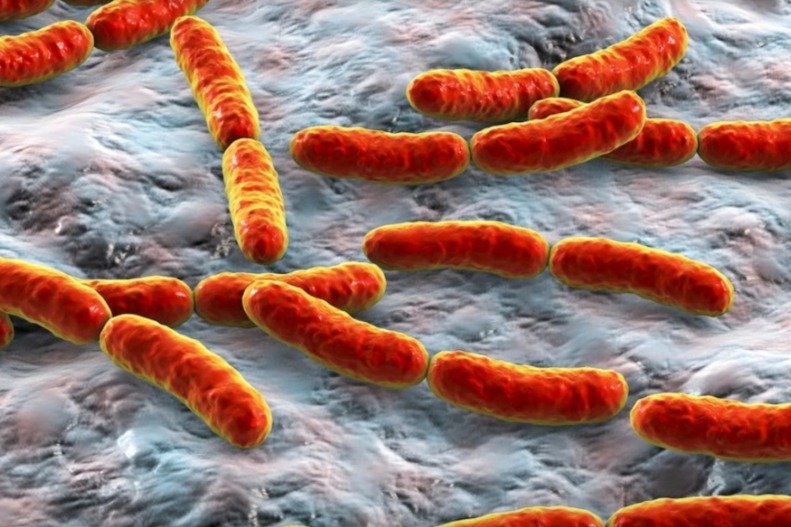
Collinsella aerofaciens is a Gram-positive, anaerobic bacillus in the family Coriobacteriaceae—an abundant microbe in the human colon, fermenting dietary nutrients and contributing to metabolite production in the gut ecosystem. ([Laboratory Notes, 2025])
Its Role in Inflammatory Disease
Most of the current evidence linking Collinsella aerofaciens to inflammatory disease comes from rheumatoid arthritis research, largely due to the prevalence of RA and the intensity of microbiome investigation in this condition. However, the mechanisms identified – gut barrier disruption, increased permeability, and immune activation – are not disease-specific and are relevant across chronic inflammatory and autoimmune states.
A Frontiers in Immunology review (2025) reported significantly elevated C. aerofaciens in early-stage rheumatoid arthritis, implicating it in impaired gut barrier integrity and early inflammatory processes. An earlier mini-review in Frontiers in Microbiology (2022) similarly described how Collinsella compromises the intestinal lining and contributes to inflammatory progression in RA.
A landmark study, “Expansion of rare and harmful lineages characterizes rheumatoid arthritis” (Genome Medicine, 2016), confirmed the association between increased Collinsella abundance, gut permeability, and disease severity through both patient data and experimental models. Supporting mechanistic evidence from in vitro and animal studies (Zhang et al., 2015; Chen et al., 2016) demonstrated that C. aerofaciens reduces tight junction protein expression (including ZO-1 and occludin), increases intestinal permeability, and worsens arthritis severity in humanised mouse models.
Clinical relevance was further supported by later human studies (PMID: 36076603, 2022), which linked higher Collinsella abundance with increased inflammatory burden in rheumatoid arthritis cohorts. While rheumatoid arthritis remains the most extensively studied context, these findings highlight biological mechanisms that are broadly applicable to chronic inflammatory and autoimmune disease.
Mechanisms at Play
Research indicates several pathways by which Collinsella exacerbates inflammation:
Promotes IL‑17A and chemokine expression (CXCL1, CXCL5), stimulating neutrophil recruitment and NF-κB activation.
Associated with higher levels of alpha-aminoadipic acid and asparagine – metabolites linked to autoimmunity and altered cell survival pathways.
May contribute to protein citrullination via arginine deiminase activity, potentially driving autoantibody production.
Genetic mimicry between Collinsella and human HLA molecules suggests potential autoimmune cross-reactivity. (Journal of Autoimmunity, 2016; PMC 2019)
Taken Together
Dysbiosis, particularly the expansion of Collinsella, is a consistent feature in early RA – preceding and potentially driving systemic inflammation ([Rheumatology Advances in Practice review, 2023]).
Altered gut ecology including reduced diversity and pathogenic microbial overgrowth (like C. aerofaciens) is central to RA pathogenesis and severity.
Animal studies confirm that adding Collinsella to susceptible hosts triggers worsened arthritis – establishing causality beyond association.
What the Science Doesn’t (Yet) Say
There isn’t yet strong evidence for specific foods or supplements that selectively suppress Collinsella. The most reliable strategy remains restoring microbial balance via diverse, fiber- and plant-rich diets, alongside targeted restoration of tight-junction integrity. Emerging therapeutics, such as barrier-protecting postbiotics or tight-junction-safe prebiotics, are under investigation – but no Collinsella-specific interventions are standard practice yet.
There are some emerging postbiotic products on the market aimed at inflammatory disease, but I have not have any direct experience with them yet.