
Alkaline Diet?
Key Points
Plant-based focus: vegetables, fruits, legumes, nuts, seeds.
Lower acid load: reduces kidney workload and supports mineral balance.
Blood pH remains stable: changes occur mainly in urine, not in blood.
Main benefits arise from nutrients, not alkalinity.
Supports bone and muscle health: may improve potassium and magnesium status.
Reduces inflammatory load: via higher antioxidant and phytonutrient intake.
Promotes gut health: diverse plant fibre supports a balanced microbiome.
May ease arthritis symptoms: through anti-inflammatory and antioxidant mechanisms.
Avoid over-restriction: Make sure you are meeting all nutritional needs.
Best used alongside lifestyle supports: movement, hydration, stress management, sleep etc.
Consider individual tolerance: manage oxalates, salicylates, or amines if sensitive.
What Is an Alkaline Diet?
An alkaline or alkalizing diet focuses on eating foods that, after digestion and metabolism, leave an “alkaline ash” – primarily vegetables, fruits, legumes, nuts, and seeds – while limiting foods that leave an “acidic ash,” such as processed foods, refined sugars, cheeses, and most animal products.
Despite the popular name, this approach does not make your blood more alkaline; blood pH remains constant due to the body’s sophisticated buffering and excretory systems.
Instead, these foods reduce the dietary acid load, easing the burden on the kidneys and preserving bicarbonate reserves, while delivering abundant nutrients that lower inflammation and support long-term health.
Evidence
Scientific evidence for alkalizing diets is mixed. The benefits observed in studies appear to arise mainly from the nutrient-rich, plant-based pattern these diets promote rather than from direct changes in blood pH.
However, reducing dietary acid load may modestly ease the work of the kidneys and buffer systems that regulate pH. In people with low fruit and vegetable intake or reduced kidney function, a high acid load has been associated with increased mineral excretion and mild metabolic acidosis.
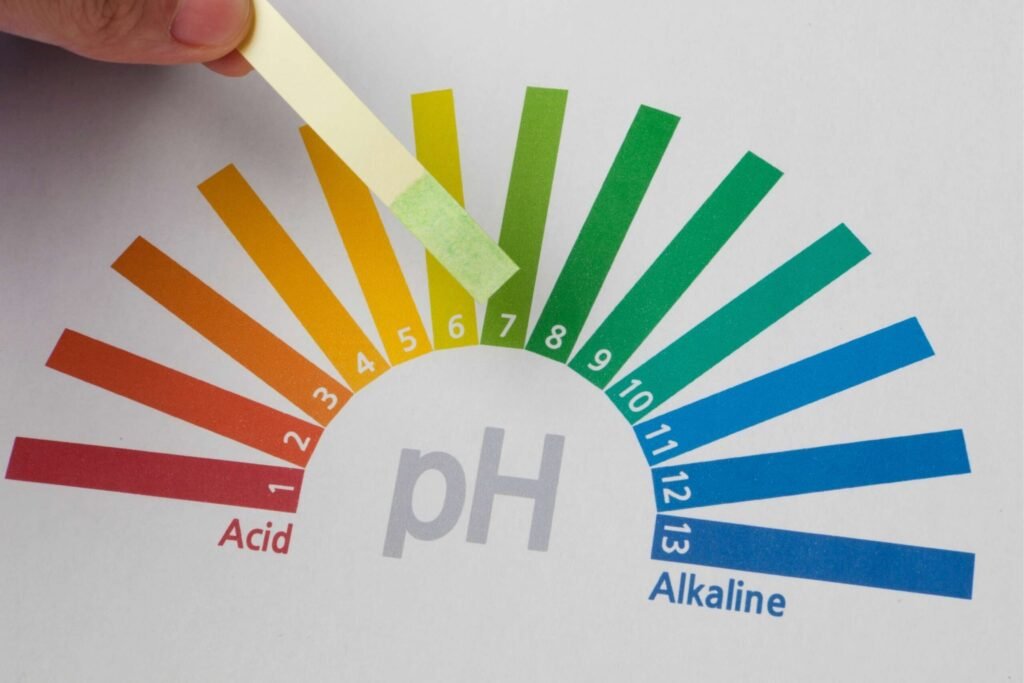
For healthy individuals, the body tightly maintains blood pH between 7.35 and 7.45, regardless of diet. The real advantage of an “alkaline” way of eating lies in its anti-inflammatory, mineral-rich, high-fibre composition, which supports bone, joint, and gut health.
Mechanism
An alkaline or alkalizing diet emphasizes foods that, after digestion and metabolism, produce a low net acid load — measured as Potential Renal Acid Load (PRAL) or Net Endogenous Acid Production (NEAP).
Alkaline-forming foods: vegetables, fruits, legumes, nuts, and seeds tend to supply potassium, magnesium, calcium, and bicarbonate precursors that help neutralize acids.
Acid-forming foods: processed foods, refined sugars, cheese, grains, and red meats yield sulfuric and phosphoric acids when metabolized.
Although these foods can alter urine pH, they do not meaningfully change blood pH. Instead, the lungs and kidneys regulate pH through carbon dioxide exhalation and bicarbonate excretion.
The body’s buffering systems rely on bicarbonate and mineral salts. Primarily from potassium, magnesium, sodium, and calcium, to keep pH stable.
If the diet consistently produces a high acid load, the kidneys must work harder to excrete hydrogen ions and regenerate bicarbonate. Some researchers suggest that, over many years, this could contribute to calcium loss from bone or muscle protein breakdown, but large balance studies show these effects are modest and likely offset by adequate mineral intake and plant-rich eating.
How the Body Maintains pH
The body regulates acid–base balance through:
Respiration: exhaling carbon dioxide removes acid.
Kidney function: excreting hydrogen ions and generating bicarbonate.
Chemical buffers: such as bicarbonate, phosphate, and proteins, which neutralize acids within seconds.
When dietary acid load rises (from excess animal protein, refined grains, or processed foods), the kidneys excrete more acid and reabsorb bicarbonate. To support this, the body may temporarily draw on alkaline minerals (calcium, magnesium, potassium, sodium) from tissues or the diet itself.
In people with kidney impairment, low vegetable intake, or high chronic acid load, this can contribute to mild metabolic acidosis, muscle loss, or increased bone turnover.
However, in healthy individuals eating a varied diet, these effects are small. The key is balance. Eating enough mineral- and bicarbonate-yielding plant foods to offset acid load naturally.
What People Claim vs. What Science Shows
Common Claims
“Alkaline diets neutralize acidity in the blood.”
“They prevent arthritis, cancer, and bone loss.”
“They detoxify the body and boost energy.”
Scientific Reality
Blood pH remains stable; only urine pH changes with diet.
There’s no evidence that alkaline foods “neutralize” systemic acidity.
Benefits likely come from higher intake of potassium, magnesium, antioxidants, and fibre, not from pH alteration itself.
Some controlled trials show that alkaline mineral water or bicarbonate supplementation can slightly lower bone resorption markers (like NTX or CTX), but these findings do not confirm that an “acidic diet” causes osteoporosis.
Anti-inflammatory and antioxidant compounds in plant foods are the real reason many people report improved joint and overall health.
Potential Benefits for Arthritis and Gut Health
Nutrient density: Rich in antioxidants, vitamins, and minerals that lower oxidative stress and support cartilage repair.
Anti-inflammatory foods: Leafy greens, berries, legumes, and nuts contain bioactive compounds that help regulate immune responses.
Gut microbiome support: Plant fibres feed beneficial bacteria, improving gut integrity and lowering endotoxin-related inflammation.
Reduced inflammatory load: Limiting processed foods, excess omega-6 seed oils, and animal fats may help rebalance inflammatory pathways.
Improved mineral status: Adequate potassium, magnesium, and calcium intake supports bone and muscle function.
Reduced kidney strain: Lower acid load decreases urinary calcium excretion and supports acid–base equilibrium.
Potential Drawbacks and Misunderstandings
Misplaced expectations: “Alkalinity” itself doesn’t cure disease; focus on nutrient balance, not pH.
Over-restriction: Avoid eliminating all acid-forming foods (such as whole grains, eggs, or fish), which offer valuable nutrients to those whose systems can tolerate them.
Individual sensitivity: Some highly alkaline foods (e.g., spinach, beet greens, citrus) are high in oxalates, salicylates or amines and may not suit everyone.
Protein caution: Too little protein can weaken muscles and impair healing; but you can get plenty from plant foods with a little care.
Practical Guidance for an Alkalizing Lifestyle
Eat a foundation of vegetables and fruits at every meal.
Include plant-based proteins (for example – beans, lentils, tofu (if tolerated), rice, buckwheat, oats and small amounts of nuts and seeds).
Remove refined foods, sugary drinks, alcohol, dairy and meat.
Stay hydrated. Water and herbal teas support kidney function and acid excretion.
Maximise whole grains and whole plant foods.
Combine with other anti-inflammatory habits: stress reduction, daily movement, sunlight, and good sleep.
If you have chronic kidney disease, osteoporosis, or inflammatory arthritis, consider testing urinary pH or discussing dietary acid load with a health professional.
Summary
The alkaline diet doesn’t make your blood alkaline, it encourages eating the kinds of foods that best support joint health, gut integrity, bone strength, and lower inflammation.
By reducing dietary acid load and supplying abundant minerals, antioxidants, and fibre, it helps the body maintain balance without overtaxing buffering systems.
Ultimately, the value of an alkalizing diet isn’t about shifting pH. The main value is in reducing the body’s inflammatory burden, improving metabolic resilience, and supporting long-term healing. *
References – Alkaline Diet, Acid Load & Inflammation
1. Acid–Base Physiology & Blood pH Regulation
- Kraut, J. A., & Madias, N. E. (2010). Metabolic acidosis: pathophysiology, diagnosis and management. Nature Reviews Nephrology, 6(5), 274–285. https://doi.org/10.1038/nrneph.2010.33
- Gennari, F. J. (1998). Acid–base disorders and their treatment. Kidney International, 53(S66), S19–S27. https://doi.org/10.1046/j.1523-1755.1998.06605.x
- Boron, W. F. (2004). Regulation of intracellular pH. Advances in Physiology Education, 28(1-4), 160–179. https://doi.org/10.1152/advan.00045.2004
2. Dietary Acid Load (PRAL / NEAP) & Kidney Function
- Remer, T., & Manz, F. (1995). Potential renal acid load of foods and its influence on urine pH. Journal of the American Dietetic Association, 95(7), 791–797. https://doi.org/10.1016/S0002-8223(95)00219-7
- Frassetto, L. A., Todd, K. M., Morris, R. C., & Sebastian, A. (1998). Estimation of net endogenous noncarbonic acid production in humans. American Journal of Clinical Nutrition, 68(3), 576–583. https://doi.org/10.1093/ajcn/68.3.576
- Scialla, J. J., & Anderson, C. A. M. (2013). Dietary acid load: a novel nutritional target in chronic kidney disease? Advances in Chronic Kidney Disease, 20(2), 141–149. https://doi.org/10.1053/j.ackd.2012.11.001
3. Acid Load, Bone & Muscle Health
- Fenton, T. R., Tough, S. C., Lyon, A. W., Eliasziw, M., & Hanley, D. A. (2011). Causal assessment of dietary acid load and bone disease: a systematic review & meta-analysis. Journal of Bone and Mineral Research, 26(8), 1837–1847. https://doi.org/10.1002/jbmr.412
- Macdonald, H. M., et al. (2008). Dietary potassium intake is associated with bone mineral density in premenopausal women. American Journal of Clinical Nutrition, 88(4), 1073–1080. https://doi.org/10.1093/ajcn/88.4.1073
- Dawson-Hughes, B., et al. (2009). Alkaline diets favor lean tissue mass in older adults. American Journal of Clinical Nutrition, 89(5), 1623S–1627S. https://doi.org/10.3945/ajcn.2009.26736G
4. Plant-Based Diets, Inflammation & Oxidative Stress
- Calder, P. C., et al. (2011). Dietary factors and low-grade inflammation in relation to overweight and obesity. British Journal of Nutrition, 106(S3), S5–S78. https://doi.org/10.1017/S0007114511005460
- Schwingshackl, L., & Hoffmann, G. (2014). Mediterranean dietary pattern and biomarkers of inflammation and endothelial function: a systematic review and meta-analysis. Nutrition, Metabolism & Cardiovascular Diseases, 24(9), 929–939. https://doi.org/10.1016/j.numecd.2014.03.003
- Li, Y., et al. (2017). Plant-based diets and risk of inflammatory conditions: a review. Journal of Geriatric Cardiology, 14(1), 20–28. https://doi.org/10.11909/j.issn.1671-5411.2017.01.004
5. Gut Microbiome & Fibre Intake
- Makki, K., Deehan, E. C., Walter, J., & Bäckhed, F. (2018). The impact of dietary fiber on gut microbiota in host health and disease. Cell Host & Microbe, 23(6), 705–715. https://doi.org/10.1016/j.chom.2018.05.012
- Tilg, H., & Moschen, A. R. (2014). Microbiota and diabetes: an evolving relationship. Gut, 63(9), 1513–1521. https://doi.org/10.1136/gutjnl-2014-306928
- Koh, A., De Vadder, F., Kovatcheva-Datchary, P., & Bäckhed, F. (2016). From dietary fiber to host physiology: short-chain fatty acids as key bacterial metabolites. Cell, 165(6), 1332–1345. https://doi.org/10.1016/j.cell.2016.05.041
6. Arthritis & Plant-Based Dietary Patterns
- McDougall, J., et al. (2002). Effects of a very low-fat, vegan diet in subjects with rheumatoid arthritis. Journal of Alternative and Complementary Medicine, 8(1), 71–75. https://doi.org/10.1089/107555302753507195
- Sköldstam, L., Hagfors, L., & Johansson, G. (2003). An experimental study of a Mediterranean diet intervention for patients with rheumatoid arthritis. Annals of the Rheumatic Diseases, 62(3), 208–214. https://doi.org/10.1136/ard.62.3.208
- Hafström, I., et al. (2001). A vegan diet free of gluten improves signs and symptoms of rheumatoid arthritis. Rheumatology, 40(10), 1175–1179. https://doi.org/10.1093/rheumatology/40.10.1175