
Paracetamol
Paracetamol is in nearly every household and medicine cabinet, trusted for quick pain relief. But behind its safe reputation lies the leading cause of acute liver failure worldwide – but only modest benefits for arthritis pain. Understanding limits, risks, and alternatives is essential for anyone managing inflammation and pain.
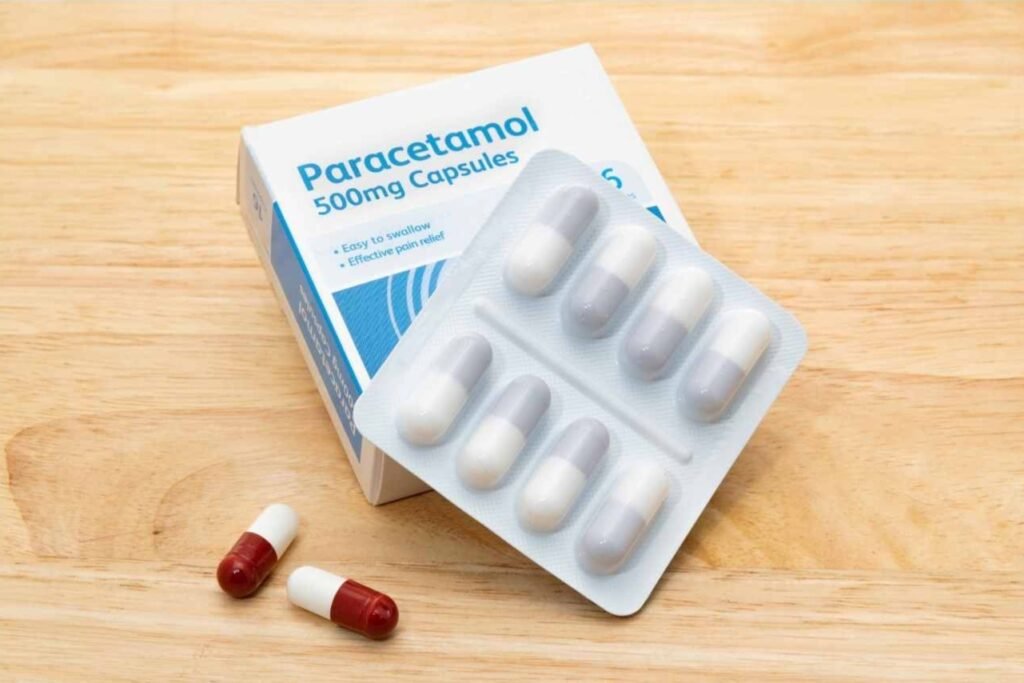
Key Points
Widely used pain reliever, often first choice for arthritis pain.
Does not reduce inflammation or slow arthritis progression.
Overdose is the leading cause of acute liver failure in the U.S. and UK.
In the U.S., Paracetamol causes 50000+ ER visits, 25000 hospitalizations, and 400–500 deaths annually.
Safe adult maximum: 4 grams per day (That is eight × 500 mg tablets per day maximum).
Risks increase with alcohol, fasting, malnutrition, or liver disease.
Clinical benefit in arthritis is modest (only 3–5% improvement in pain and function).
Safer long-term alternatives include curcumin, omega-3, Boswellia, broccoli sprouts, and lifestyle changes.
Paracetamol & Inflammation
Paracetamol – also called acetaminophen, and sold under common brand names like Panadol and Tylenol – is one of the world’s most widely used over-the-counter pain relievers. It is often the first choice for people with mild arthritis pain or musculoskeletal discomfort because it is inexpensive, easily available, and generally well tolerated. However, while paracetamol can reduce pain, it does not reduce inflammation or slow the progression of arthritis. Long-term or excessive use also carries serious risks, particularly for the liver.
Paracetamol Risks & Stats
At recommended doses, paracetamol is usually safe. But the difference between a safe dose and a harmful dose is smaller than many realise. Paracetamol overdose is now the leading cause of acute liver failure in several countries, including the U.S. and UK. In some transplant centres, it accounts for up to 50% of all acute liver failure cases.
In the United States alone:
50000+ emergency department visits occur annually due to paracetamol overdose.
25000+ hospitalizations result from overdose each year.
400–500 deaths annually are linked to paracetamol-related liver failure.
These overdoses are not always intentional. Many happen when people unintentionally exceed the daily limit by small amounts, or when taking multiple medications (such as cold and flu remedies) that also contain paracetamol. The risk is greater in people who drink alcohol regularly, have liver disease, are malnourished, or are fasting.
Safe Use Guidelines
The maximum adult dose is generally 4 grams per day (That is eight 500 mg tablets over 24 hours).
Doses should be spread evenly, not taken all at once.
Avoid combining different products that contain paracetamol.
Use only for short-term or occasional pain relief.
Consult a healthcare provider before using paracetamol if you drink alcohol regularly, have liver disease, or take other medications.
Limitations in Arthritis
Paracetamol can dull pain signals, but it does not reduce inflammation. This means it does not address the root cause of inflammatory arthritis, nor does it slow joint damage in conditions such as osteoarthritis or rheumatoid arthritis.
Clinical studies in osteoarthritis suggest that paracetamol provides only 3–5% improvements in pain and function scores, often too small to make a noticeable difference in daily life. Because of this limited benefit, many international guidelines no longer recommend paracetamol as a first-line treatment for chronic arthritis pain.
Natural and Lifestyle Alternatives
Since paracetamol mainly masks pain rather than tackling inflammation, many people with arthritis look for long-term strategies that address the underlying disease process. Evidence supports the role of several natural anti-inflammatory options:
Curcumin (turmeric extract) – shown in studies to reduce joint pain and stiffness.
Omega-3 fatty acids – from fish oil or flaxseed, can lower inflammation in rheumatoid arthritis.
Boswellia serrata extract – improves pain and function in osteoarthritis.
Sulforaphane-rich vegetables – such as broccoli sprouts, support joint protection.
Alongside supplements, lifestyle approaches like a careful diet, meditation, stress reduction, quality sleep, a healthy mindset and regular exercise can all reduce pain and support overall health. For many people, combining these approaches reduces or even eliminates the need for regular paracetamol.
Conclusion
Paracetamol remains a widely used and accessible pain reliever, but its role in arthritis is limited. While safe for occasional short-term use, its lack of anti-inflammatory action and the risk of liver damage – especially with unintentional overdose – mean that it is not the best long-term solution for arthritis pain. Natural anti-inflammatory strategies and lifestyle interventions provide a safer and more sustainable path for managing arthritis over time.
References
Bannwarth B, Pehourcq F. “Pharmacological rationale for the clinical use of paracetamol in osteoarthritis.” Drugs Aging. 2003;20(1):23-30.
Towheed TE et al. “Acetaminophen for osteoarthritis.” Cochrane Database Syst Rev. 2006;(1):CD004257.
Roberts E et al. “Paracetamol: not as safe as we thought? A systematic literature review of observational studies.” Ann Rheum Dis. 2016;75(3):552–559.
Larson AM et al. “Acetaminophen-induced acute liver failure: results of a United States multicenter, prospective study.” Hepatology. 2005;42(6):1364–1372.
Craig DG et al. “The rising incidence of paracetamol-induced acute liver failure in the United Kingdom.” QJM. 2010;103(5):285–293.
Heard KJ. “Acetylcysteine for acetaminophen poisoning.” N Engl J Med. 2008;359:285–292.
Chou R et al. “Clinical Guidelines for the Management of Osteoarthritis.” American College of Physicians / ACR Recommendations. Ann Intern Med. 2017.