
Food Combining
“When you combine foods thoughtfully, you multiply their benefits for healing and inflammation control.”
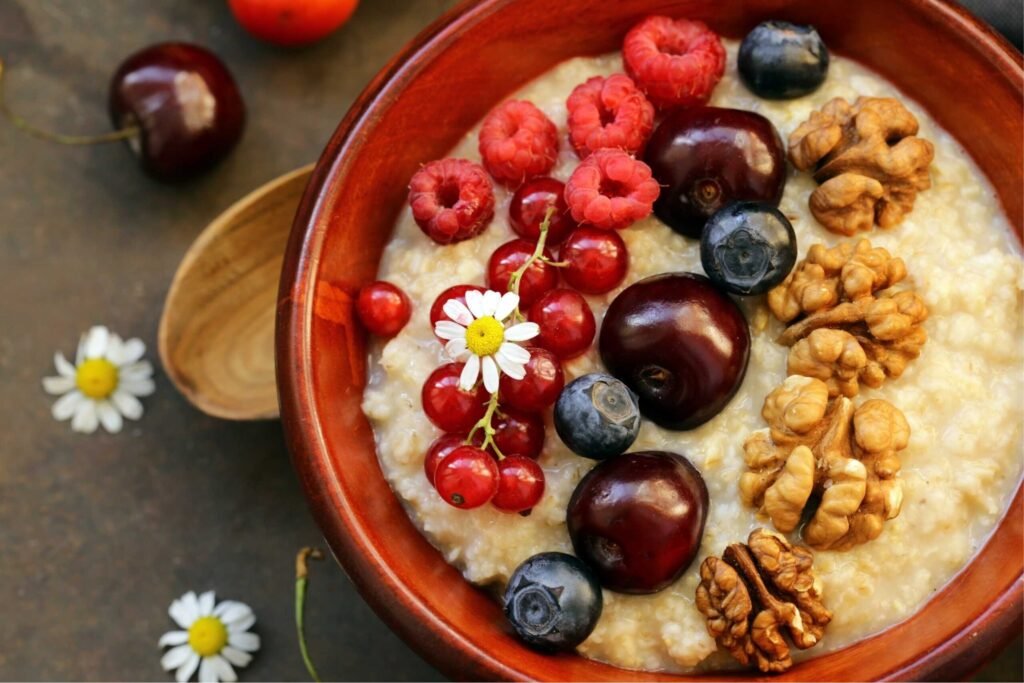
Food combining, or food pairing, is the practice of eating certain foods together to improve nutrient absorption, digestion, and overall health.
Food Pairing Examples
Iron + vitamin C (oats with berries improves non-heme iron absorption).
Protein & amino acids (oats + walnuts).
Calcium & magnesium (oats, nuts).
Polyphenols & antioxidants (berries, cherries, walnuts).
Prebiotic fibre (oats, berries, nuts) – feeds gut bacteria.
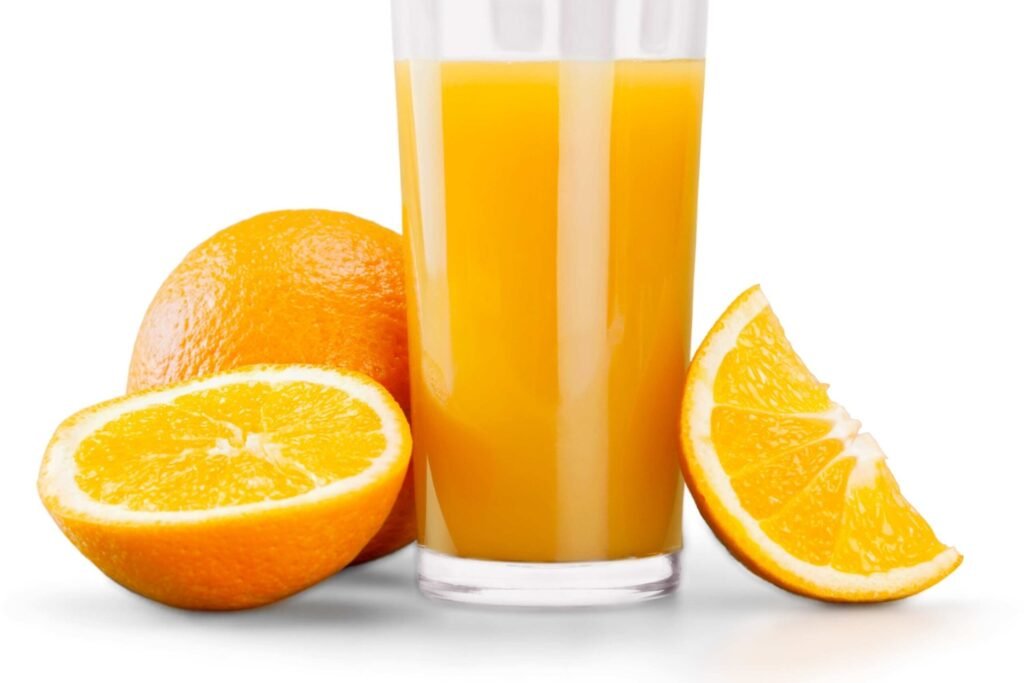
- Antioxidants – flavonoids (hesperidin, naringenin).
Hydration (electrolytes + natural sugars).
Fibre (if pulpy) – supports gut health.
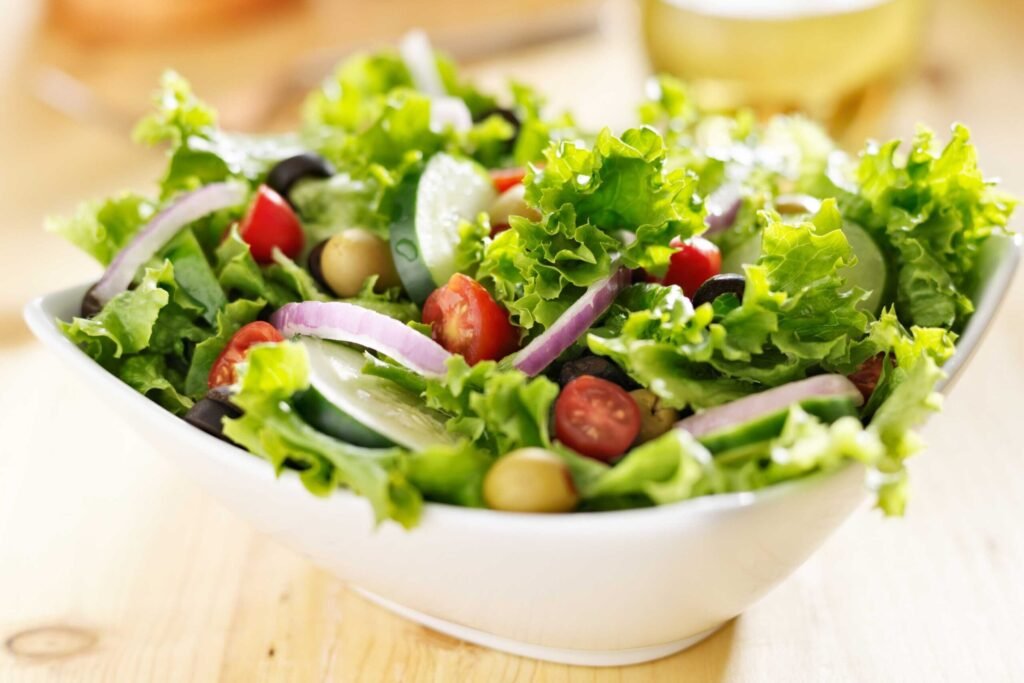
- Quercetin & sulfur compounds (onion) anti-inflammatory, support detox enzymes.
Healthy fats (flax, fish, olive) – aid absorption of fat-soluble antioxidants.
Polyphenols (berries, green tea, onion, etc) — protect against oxidative stress.
Gut-supportive fibre (greens, onion, leak, apples).
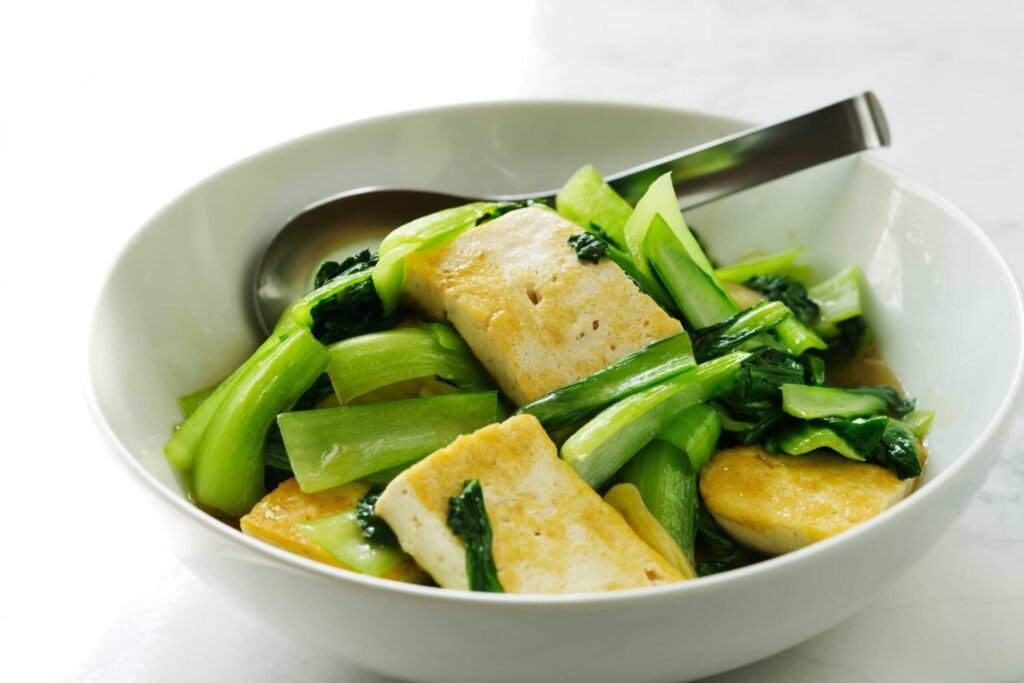
Calcium synergy (bok choy + tofu)
Magnesium, vitamin K (bok choy) – bone and vascular health.
Isoflavones (tofu) — plant compounds that may reduce inflammation.
High-fibre + plant protein combo – satiety + gut health.
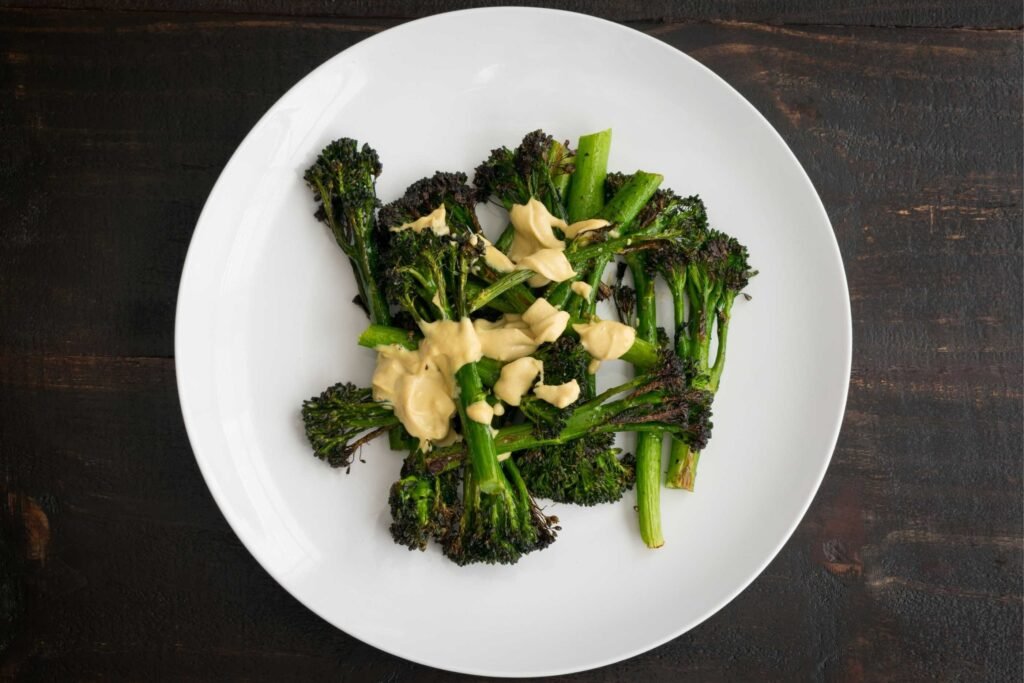
Sulforaphane boost (broccolini and mustard seed. Or eat some raw.
Calcium (tahini + greens).
Vitamin C (lemon) — enhances iron absorption from greens.
Antioxidants & fibre (broccolini).
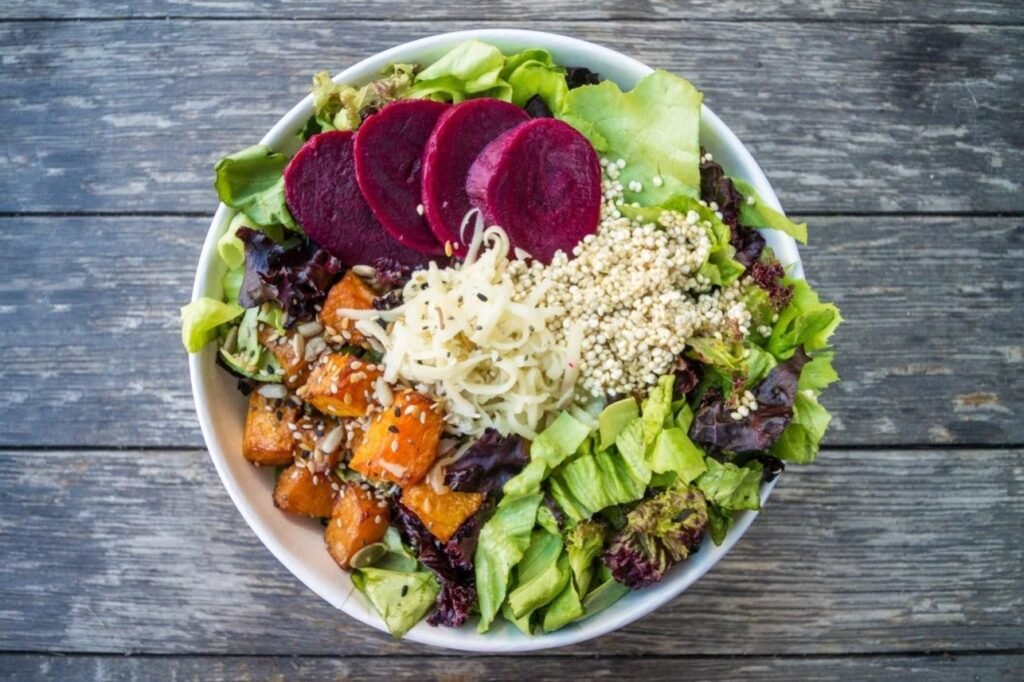
Complete protein (quinoa + seeds).
Iron + vitamin C (beetroot, sweet potato + greens).
Nitrate-rich beetroot – improves circulation.
Beta-carotene (sweet potato) — antioxidant, eye & immune health.
Polyphenols (onion, beetroot, etc).
Fibre & prebiotics (onion, quinoa, beetroot, greens).
Magnesium & zinc (seeds).
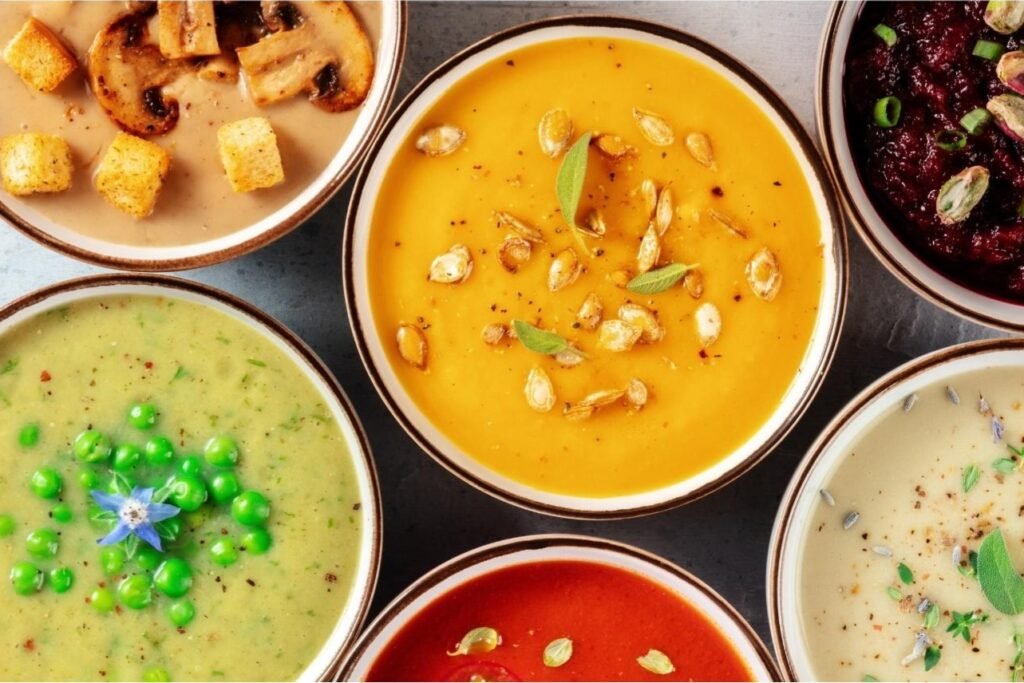
- Pumpkin & sweet potato: beta-carotene for antioxidant + immune support.
Pea-based soups: protein + fibre + iron.
Black bean soups: protein, fibre, iron + resistant starch.
Digest and enhance: warm, meals improve digestibility; spices like turmeric, ginger, cumin add anti-inflammatory power.
Food Combining for Better Nutrition and Gut Health
While your body extracts nutrients from many foods individually, some nutrients are absorbed much more efficiently when the right foods are paired. For people with inflammatory arthritis, autoimmune conditions, or gut issues, this can mean the difference between barely getting by and truly nourishing the body. Below are key examples of powerful food combinations, with practical options to use every day.
Core Daily Synergies
Iron + Vitamin C
Result: Better non heme iron absorption
Why: Vitamin C converts plant iron into a more absorbable form in the gut.
Examples: Oats with berries and lemon juice, lentils with capsicum, chickpeas with citrus dressing, black beans with herbs and lemon, quinoa with strawberries.
When: Only when pathology blood tests confirm low iron levels and iron repletion is required.
Notes: Too much iron increases oxidative stress and inflammation. People with normal or high ferritin should not increase iron absorption. Vitamin C rich foods should be separated from high iron meals when iron is normal or high.
Whole Grains or Pseudograins + Legumes or Seeds
Result: Complete essential amino acid profile
Why: Different plant proteins complement limiting amino acids.
Examples: Brown rice or buckwheat with black beans, quinoa with chickpeas, buckwheat with lentils, amaranth with navy beans, wholegrain pasta with cannellini beans.
When: Daily meals for plant based diets.
Notes: These are flexible groupings, not fixed pairs. Any whole grain or pseudograin combined with legumes, seeds or nuts creates amino acid balance across the day.
Carotenoids and Fat Soluble Vitamins + Whole Food Fats
Result: Better absorption of vitamins A, D, E and K
Why: Fat is required for fat soluble nutrient absorption.
Examples: Kale with avocado, sweet potato with tahini, carrots with almond butter, pumpkin with sesame seeds, bok choy with ground flax.
When: Daily when eating carotenoid rich vegetables.
Notes: Use whole food fats rather than oils. Excess isolated oils can worsen inflammation in sensitive individuals.
Turmeric + Black Pepper
Result: Greatly increased curcumin absorption
Why: Piperine enhances curcumin bioavailability.
Examples: Turmeric lentils with black pepper, golden plant milk with turmeric and pepper, turmeric roasted vegetables with pepper.
When: For inflammation control and immune regulation.
Notes: One of the strongest evidence based food synergies in nutrition science.
Healing and Inflammation Synergies
Zinc + Sulfur Compounds + Copper Balance
Result: Improved zinc absorption and mineral balance
Why: Sulfur compounds improve zinc bioavailability. Zinc must remain balanced with copper.
Examples: Lentils with garlic and onion, pumpkin seeds with sulfur vegetables, beans with garlic herbs.
When: When increasing zinc intake on plant based diets.
Notes: Copper rich foods include nuts, seeds, cacao, mushrooms, legumes and whole grains. Zinc supplementation without copper balance can cause immune dysfunction.
Prebiotic Fibre + Probiotics
Result: Stronger microbiome function
Why: Prebiotics feed beneficial bacteria.
Examples: Oats with fermented vegetables, whole grains with fermented greens, legumes with fermented roots.
When: Only when inflammation is stable and histamine tolerance is good.
Notes: Fermented foods are high in biogenic amines. Kimchi, miso, tempeh, sauerkraut, sourdough, kefir and fermented soy products can trigger inflammation in sensitive individuals and autoimmune conditions.
Calcium + Vitamin D + Mineral Cofactors
Result: Better bone and dental health
Why: Vitamin D increases calcium absorption. Magnesium, vitamin K2 and boron regulate calcium metabolism.
Examples: Bok choy with tahini, kale with seeds, broccoli with nuts.
When: Daily, especially with aging or low sun exposure.
Notes: Sun exposure is the primary vitamin D source. Food combinations support calcium use, but vitamin D sufficiency is essential.
Polyphenols + Fibre
Result: Deeper antioxidant delivery into the gut
Why: Fibre transports polyphenols into the lower intestine.
Examples: Oats with blueberries, apples with walnuts, berries with chia seeds.
When: Daily for inflammation control.
Notes: Supports gut lining integrity and microbiome health.
Complex Carbohydrates + Protein
Result: Stable blood sugar and amino acid balance
Why: Protein slows glucose absorption and stabilises metabolism.
Examples: Brown rice with lentils, buckwheat with beans, oats with nut butter.
When: At main meals for energy stability.
Notes: These combinations also support amino acid completeness and metabolic stability.
Cruciferous Vegetables + Myrosinase Sources
Result: Increased sulforaphane activation
Why: Myrosinase enzymes convert glucosinolates into sulforaphane.
Examples: Broccoli with mustard powder, bok choy with grated radish, cabbage with mustard dressing.
When: For detoxification and antioxidant enzyme activation.
Notes: If a good portion of cruciferous vegetables are eaten raw, external myrosinase sources are not required.
Therapeutic and Regulatory Synergies
Selenium + Vitamin E
Result: Strong antioxidant and immune protection
Why: These nutrients function together in antioxidant enzyme systems.
Examples: One to two Brazil nuts with one tablespoon sunflower seeds.
When: For immune health, thyroid protection and oxidative stress reduction.
Notes: Brazil nuts are the strongest dietary selenium source. One to two per day meets requirements. Excess selenium is inflammatory and toxic. Sunflower seeds are among the richest natural sources of vitamin E.
Iodine + Selenium
Result: Healthy thyroid hormone conversion
Why: Selenium is required to convert inactive thyroid hormone into active thyroid hormone.
Examples: Iodine supplementation or sea vegetables with one to two Brazil nuts daily.
When: For thyroid health and metabolic regulation.
Notes: Diet alone rarely supplies adequate iodine unless sea vegetables are consumed regularly. Iodine without selenium increases oxidative stress in the thyroid.
Resistant Starch + Polyphenols
Result: Improved gut lining repair and microbiome diversity
Why: Resistant starch fuels butyrate production. Polyphenols feed beneficial bacteria.
Examples: Cooked and cooled potatoes with berries, cooked and cooled rice with seeds, oats with polyphenol rich fruits.
When: For gut repair and inflammation control.
Notes: Cooking then cooling starches increases resistant starch formation.
Vitamin C + Collagen Building Amino Acids
Result: Improved connective tissue repair
Why: Vitamin C is required for collagen synthesis.
Examples: Legumes with citrus, whole grains with berries, seeds with vitamin C rich fruits.
When: For joint healing and tissue repair.
Notes: Supports natural collagen production on fully plant based diets.
Magnesium + Vitamin B6
Result: Better nervous system regulation
Why: Vitamin B6 improves magnesium transport into cells.
Examples: Buckwheat with seeds, oats with seeds, green bananas with nuts.
When: For sleep, stress regulation and muscle relaxation.
Notes: Use green or just ripe bananas. Overripe bananas are high in amines and can trigger inflammation in sensitive individuals.
Nitrates + Polyphenols
Result: Improved circulation and endothelial health
Why: Polyphenols protect nitric oxide and improve vascular function.
Examples: Beetroot with berries, leafy greens with polyphenol rich fruits.
When: For circulation, blood flow and cardiovascular support.
Notes: Supports nitric oxide production naturally.
Fibre + Bile Binding Foods
Result: Improved cholesterol regulation
Why: Soluble fibre binds bile acids and supports cholesterol clearance.
Examples: Oats with legumes, barley with beans, lentils with whole grains.
When: For metabolic health and lipid regulation.
Notes: Lowers cholesterol naturally without medication pathways.
Plant Iron + Polyphenol Management
Result: Controlled iron absorption
Why: Polyphenols reduce iron absorption.
Examples: Iron rich meals with polyphenol rich foods.
When: When iron levels are normal or high and absorption should not be increased.
Notes: This is the inverse synergy of iron plus vitamin C and is clinically important for inflammation control.
Final Thought
Food combining is about smart, natural pairings that make nutrients more usable and support gut health. By consciously combining iron with vitamin C, crucifers with mustard seed, greens with seeds, or probiotics with prebiotics, you can strengthen digestion, reduce inflammation, and build resilience against arthritis and autoimmune flares. These synergies aren’t complicated; they’re everyday practices that transform simple meals into deeply nourishing ones. *
References – Food Synergies
1. Iron Absorption, Vitamin C & Polyphenol Regulation
- Hallberg L, Brune M, Rossander L. The role of vitamin C in iron absorption. International Journal for Vitamin and Nutrition Research. 1989;59(1):103–108.
- Hurrell RF, Egli I. Iron bioavailability and dietary reference values. American Journal of Clinical Nutrition. 2010;91(5):1461S–1467S.
- Thankachan P, et al. Polyphenols inhibit non-heme iron absorption. American Journal of Clinical Nutrition. 2008;87(4):881–886.
- Ganz T, Nemeth E. Iron homeostasis in host defence and inflammation. Nature Reviews Immunology. 2015;15(8):500–510.
2. Protein Complementation (Grains, Pseudograins, Legumes & Seeds)
- Young VR, Pellett PL. Plant proteins in relation to human protein and amino acid nutrition. American Journal of Clinical Nutrition. 1994;59(5 Suppl):1203S–1212S.
- Millward DJ. Amino acid scoring patterns for protein quality assessment. Journal of Nutrition. 2012;142(12):2295S–2300S.
- FAO/WHO. Protein quality evaluation in human diets. FAO Food and Nutrition Paper 51. Rome; 1991.
3. Fat-Soluble Vitamins, Carotenoids & Dietary Fat
- Unlu NZ, et al. Carotenoid absorption from salad and salsa by humans is enhanced by the addition of avocado or avocado oil. Journal of Nutrition. 2005;135(3):431–436.
- Goltz SR, et al. Fat-soluble vitamin absorption requires dietary fat. Journal of Nutrition. 2012;142(4):684–690.
- Reboul E. Absorption of vitamin A and carotenoids by the enterocyte: focus on transport proteins. Nutrition Research Reviews. 2013;26(2):163–177.
4. Curcumin & Piperine Synergy
- Shoba G, et al. Influence of piperine on the pharmacokinetics of curcumin in animals and human volunteers. Planta Medica. 1998;64(4):353–356.
- Hewlings SJ, Kalman DS. Curcumin: A review of its effects on human health. Foods. 2017;6(10):92.
5. Zinc, Sulfur Compounds & Copper Balance
- Hambidge KM, Krebs NF. Zinc deficiency: a special challenge. Journal of Nutrition. 2007;137(4):1101–1105.
- Prasad AS. Zinc in human health: effect of zinc on immune cells. Molecular Medicine. 2008;14(5–6):353–357.
- Sandstead HH. Understanding zinc: recent observations and interpretations. Journal of Laboratory and Clinical Medicine. 1994;124(3):322–327.
- Turnlund JR. Copper nutrition, bioavailability, and metabolism. American Journal of Clinical Nutrition. 1998;67(5 Suppl):960S–964S.
6. Prebiotics, Probiotics, Histamine & Biogenic Amines
- Gibson GR, Roberfroid MB. Dietary modulation of the human colonic microbiota: introducing the concept of prebiotics. Journal of Nutrition. 1995;125(6):1401–1412.
- Comas-Basté O, et al. The rate of histamine degradation by DAO is altered by other biogenic amines. Frontiers in Nutrition. 2022;9:897028.
- Linares DM, et al. Biogenic amines in fermented foods. Critical Reviews in Food Science and Nutrition. 2012;52(5):448–467.
- Royal Prince Alfred Hospital Allergy Unit. Food Intolerance—Food Additive, Amines and Salicylate Sensitivity Guide. Sydney Local Health District.
7. Calcium, Vitamin D & Mineral Cofactors
- Heaney RP. Vitamin D and calcium interactions. Journal of Nutrition. 2008;138(4):875–878.
- Weaver CM. Calcium bioavailability and bone health. Journal of Nutrition. 2013;143(12):1995S–1999S.
- Rondanelli M, et al. Role of magnesium in bone health. Clinical Cases in Mineral and Bone Metabolism. 2014;11(2):102–109.
- Vermeer C, et al. Vitamin K and bone health. Journal of Nutritional Science. 2012;1:e2.
8. Polyphenols, Fibre & Microbiome Interaction
- Cardona F, et al. Benefits of polyphenols on gut microbiota. Journal of Nutritional Biochemistry. 2013;24(8):1415–1422.
- Makki K, et al. The impact of dietary fiber on gut microbiota in host health and disease. Cell Host & Microbe. 2018;23(6):705–715.
9. Selenium, Vitamin E & Iodine–Thyroid Regulation
- Rayman MP. Selenium and human health. Lancet. 2012;379(9822):1256–1268.
- Schomburg L. Selenium, selenoproteins and the thyroid gland. Nature Reviews Endocrinology. 2012;8(3):160–171.
- Zimmermann MB, Boelaert K. Iodine deficiency and thyroid disorders. Lancet Diabetes & Endocrinology. 2015;3(4):286–295.
- Brigelius-Flohé R, Traber MG. Vitamin E: function and metabolism. FASEB Journal. 1999;13(10):1145–1155.
10. Resistant Starch, Butyrate & Gut Repair
- Birt DF, et al. Resistant starch: promise for improving human health. Advances in Nutrition. 2013;4(6):587–601.
- Canfora EE, et al. Short-chain fatty acids in control of body weight and insulin sensitivity. Nature Reviews Endocrinology. 2015;11(10):577–591.
- Bindels LB, et al. SCFAs and epithelial barrier function. Nature Reviews Gastroenterology & Hepatology. 2013;10(9):556–567.
11. Magnesium & Vitamin B6 (Neuromuscular Regulation)
- de Baaij JHF, et al. Magnesium in man: implications for health and disease. Physiological Reviews. 2015;95(1):1–46.
- Hsu JM, Anthony WL. Synergistic action of vitamin B6 and magnesium. Journal of Nutrition. 1975;105(1):83–87.
12. Nitrates, Nitric Oxide & Polyphenols
- Lidder S, Webb AJ. Vascular effects of dietary nitrate. American Journal of Clinical Nutrition. 2013;97(3):677–684.
- Moncada S, Higgs EA. Nitric oxide and the vascular endothelium. New England Journal of Medicine. 1993;329(27):2002–2012.
13. Fibre, Bile Acid Binding & Cholesterol Regulation
- Anderson JW, et al. Health benefits of dietary fiber. Nutrition Reviews. 2009;67(4):188–205.
- Brown L, et al. Cholesterol-lowering effects of dietary fiber. American Journal of Clinical Nutrition. 1999;69(1):30–42.