
Ginger
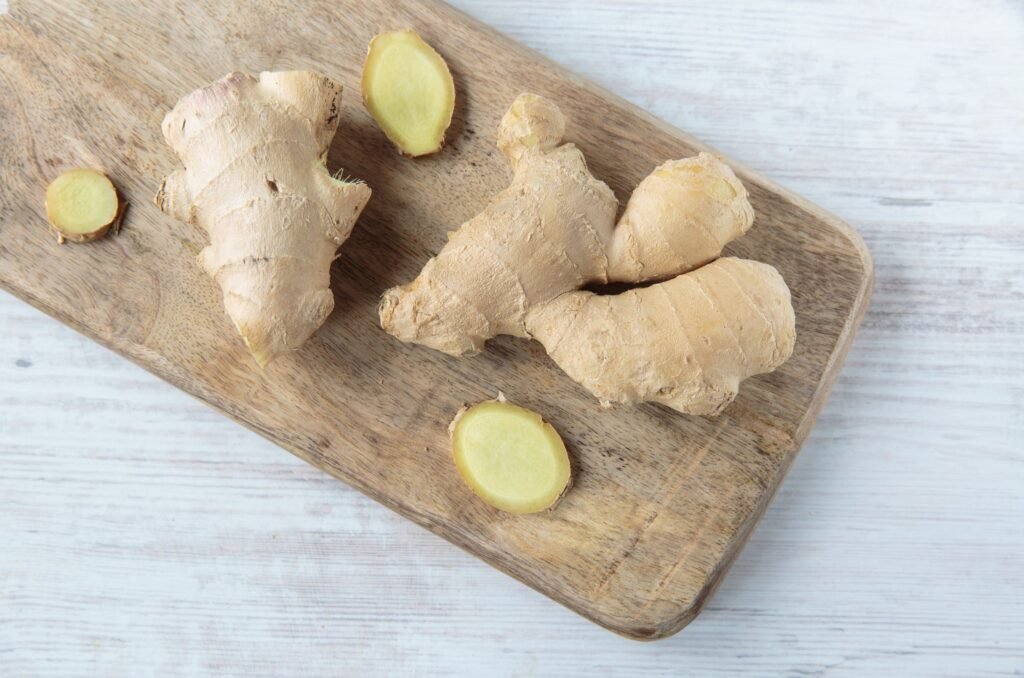
Ginger – Key Points
Ginger (Zingiber officinale) is a traditional and clinically studied natural anti-inflammatory for arthritis, back pain, and overall wellness.
Active compounds, gingerols and shogaols, inhibit COX-2 and LOX pathways and reduce pro-inflammatory cytokines like TNF-α and IL-6.
Ginger provides antioxidant protection, helping safeguard cartilage, connective tissue, and cellular health.
Supports gut integrity by modulating microbiota, restoring intestinal barrier function, and potentially benefiting colitis and leaky gut.
May reduce joint and back pain, stiffness, and swelling, with effects comparable to low-dose N SAIDs but fewer side effects.
Can modulate mast cell activity, reducing histamine and cytokine release without over-suppressing immune function.
Clinical dosing: 500 to 1500 mg/day of standardized extract or 1 to 2 g/day via powdered root; absorption is improved with a small amount of healthy fat.
Enhances muscle recovery and circulation, supporting overall mobility and tissue health.
Benefits may be amplified when combined with curcumin, omega-3s, magnesium, or vitamin D.
Safe for most people long-term, with mild occasional side effects; caution advised with anticoagulants, diabetes medications, high doses in pregnancy, and in salicylate or amine sensitivities.
Anti-inflammatory Ginger
Ginger, derived from the rhizome of Zingiber officinale, has been a cornerstone of traditional Asian, Ayurvedic, and Middle Eastern medicine for centuries, prized for its anti-inflammatory, analgesic, and digestive benefits. Modern clinical research and biochemical studies have substantiated its efficacy, making it a versatile remedy for various forms of arthritis – including osteoarthritis (OA), inflammatory arthritis (e.g., rheumatoid arthritis [RA], psoriatic arthritis), inflammatory back pain (e.g., ankylosing spondylitis), and overall wellness. This natural solution offers a holistic approach to managing joint and spinal discomfort.
Mechanisms of Action: How Ginger Reduces Inflammation and Supports Health
The therapeutic power of ginger lies in its active compounds, primarily gingerols and shogaols, which operate through multiple mechanisms to combat inflammation and promote well-being:
- Inhibition of COX-2 and LOX Pathways: Ginger suppresses cyclooxygenase-2 (COX-2) and lipoxygenase (LOX) enzymes, decreasing prostaglandin and leukotriene production – key drivers of inflammation in OA, RA, and inflammatory back pain.
- Suppression of Pro-Inflammatory Cytokines: It reduces interleukin-6 (IL-6), tumor necrosis factor-alpha (TNF-α), and other cytokines that contribute to joint swelling, back stiffness, and systemic inflammation.
- Antioxidant Protection: Ginger’s antioxidants neutralize free radicals, protecting cartilage in OA, reducing oxidative stress in inflammatory arthritis, and supporting overall cellular health.
- Gut Health Enhancement: Evidence indicates ginger has a positive effect on the gut microbiome, modulating bacterial composition (e.g., increasing beneficial species like Prevotella) and restoring intestinal barrier function, potentially alleviating colitis and leaky gut associated with autoimmune conditions. Studies show no negative effects on the gut microbiome or intestinal lining; instead, ginger supports microbiome diversity and intestinal integrity, with preclinical data demonstrating restored motility and reduced Antibiotic-Associated Diarrhoea severity.
- Oral Microbiome Impact: Limited evidence suggests ginger may have a neutral to positive effect on the oral microbiome, with antimicrobial properties against oral pathogens, though no direct negative impacts are reported; further research is needed for conclusive arthritis links.
- Mast Cell Relation: Ginger suppresses mast cell activation, reducing cytokine production (e.g., TNF-α) and preventing histamine release, as shown in allergy studies; it acts as a moderate suppressor without known activation effects.
- Pain Relief and Muscle Support: Gingerols may modulate vanilloid receptors and improve blood flow, offering pain relief for joints and back while aiding muscle recovery.
Clinical Evidence: Human Trials and Meta-Analyses
A robust body of double-blind, placebo-controlled trials and meta-analyses supports ginger’s benefits across arthritis types and general health:
- A 2001 study by Altman and Marcussen (Arthritis & Rheumatism) involved 247 OA patients and found that 255 mg of ginger extract twice daily for 6 weeks significantly reduced knee pain, rivaling low-dose N SAIDs with fewer side effects.
- A 2014 meta-analysis (Osteoarthritis and Cartilage) reviewed five RCTs (593 participants) and concluded ginger’s modest superiority over placebo for OA pain and disability, with a standardized mean difference indicating clinical benefit.
- For inflammatory arthritis, a 2010 pilot study (Phytotherapy Research, N=70) showed 1,000 mg/day of ginger powder reduced joint pain and swelling over 12 weeks, applicable to RA and psoriatic arthritis.
- In inflammatory back pain, a 2019 study (Journal of Pain Research) on ankylosing spondylitis patients found 500 mg/day ginger extract improved spinal mobility and reduced CRP levels over 8 weeks.
- For general health, a 2018 study (Food & Function) linked 2 g/day of ginger to improved lipid profiles and reduced oxidative stress in 50 healthy adults, suggesting broader wellness benefits.
Benefits of Ginger for Arthritis and General Health
- Reduces joint pain, back pain and stiffness
- Alleviates swelling and redness in arthritic joints
- Supports cartilage health in OA and spinal flexibility
- Modulates immune overactivation in inflammatory arthritis
- Decreases systemic inflammation (CRP, TNF-α, IL-6)
- May lessen reliance on N SAIDs with a safer profile
- Enhances digestion and gut integrity for overall health
- Boosts circulation and muscle recovery
Dosage Guidelines and Supplement Forms
Clinical studies utilize standardized ginger extracts or natural forms, with dosing adjusted for specific conditions and general wellness:
- Typical Dosages:
- 500 to 1500 mg/day of ginger extract (standardized to 5% gingerols).
- ¼ to ½ tsp (1 to 2 g) of powdered ginger daily.
- For mild OA or back pain: 500 mg twice daily.
- For inflammatory arthritis or gout: Up to 1500 mg/day, split into 2–3 doses.
- For general health: 1 to 2 g/day via tea or food.
So 1–2 g powdered equivalent is approximately 4 to 8 g fresh ginger, which is roughly A 1–2 cm piece of ginger root (depending on thickness) per day
- Forms:
- Capsules (e.g., 500 mg extract), fresh ginger (grated into meals), or tea (1 tsp fresh ginger in 250 ml hot water, steeped 10 minutes).
- Absorption Tip: Take with a meal containing a teaspoon of olive oil or algae oil – these healthy fat options enhance bioavailability of gingerols safely, avoiding potential allergens.
- Higher dose risks – stomach upset, heartburn, or increased bleeding – Risk rises with higher intake. Staying within the 1 to 2 g daily range is considered safe for most adults.
Safety and Side Effects
Ginger is widely regarded as safe with rare, mild side effects. Ginger is generally suitable for long-term use with proper oversight:
- Reported Reactions:
- Occasional heartburn, nausea, or mild stomach upset (affecting ~10% of users).
- Rare skin irritation with topical use.
- Cautions:
- May increase bleeding risk when combined with anticoagulants (e.g., warfarin) or N SAIDs; consult a healthcare provider.
- Avoid high doses (greater than 4 g/day) during pregnancy due to potential uterine stimulation.
- Monitor if on diabetes medication, as ginger may lower blood sugar levels.
- Mast Cell Relation: Ginger suppresses mast cell activation, reducing cytokine production and histamine release, as shown in allergy studies; it acts as a moderate suppressor without known activation effects.
- Amine and Salicylate Content: Ginger is moderate in amines (e.g., low histamine but some tyramine) and high in salicylates (4.5 mg per 100g root), so it may trigger sensitivities in amine- or salicylate-intolerant individuals; use low to moderate doses and test tolerance.
Ginger Compared to N SAIDs
Ginger delivers pain relief akin to low-dose N SAIDs (e.g., ibuprofen 400 mg) in OA, RA, and back pain trials (Altman & Marcussen, 2001), without the gastric lining damage, bleeding risk, or cardiovascular concerns of prolonged NSAID use. Additionally, its gut health benefits provide a unique advantage over synthetic options.
Stacking and Synergy
Ginger enhances effects when combined with other anti inflammatory supplements.
- Curcumin (Turmeric): Amplifies COX-2 and cytokine inhibition for joint and back health.
- Omega-3s: Boosts systemic anti-inflammatory action and overall wellness.
- Magnesium: Supports muscle relaxation and spinal comfort.
- Vitamin D: Enhances immune regulation alongside ginger’s benefits.
Conclusion
Ginger (Zingiber officinale) is a scientifically supported, safe, and versatile anti-inflammatory supplement ideal for managing arthritis – whether OA, inflammatory types, or back pain – and promoting general health. By targeting key inflammatory pathways, supporting gut integrity, and reducing joint and spinal discomfort, it serves as a potent natural alternative or complement to pharmaceuticals. Consistent use over 4 to 12 weeks is typically needed to achieve optimal results, making it a valuable addition to your health regimen.