
Helicobacter pylori
“Helicobacter pylori (H. pylori) is a bacterium found in the stomachs of approximately 40-50% of the global population, typically identified when it is present in overgrowth proportions.”
Quick takeaways
Prevalence: Found in about 40–50% of people worldwide, often without symptoms.
Health Impact: Can cause gastritis, ulcers, reflux, and has been linked to inflammatory arthritis.
Gut Balance: Thrives when gut microbiome is disrupted by poor diet, stress, or antibiotics.
Diet Matters: Western diets (high fat, sugar, processed foods) promote overgrowth; plant-based, fiber-rich diets help suppress it.
Natural Helpers: Brussels sprouts, broccoli sprouts, green tea, and pomegranate husk tea have compounds that inhibit H. pylori growth.
Medication Caution: Antibiotics and PPIs can eradicate H. pylori but harm gut microbiome long-term, potentially raising autoimmune risks.
- Antacids can make things worse.
Holistic Approach: Focus on gut health through diet, lifestyle, stress management, and cautious use of antibiotics.
Consult Healthcare Providers: Before using antibiotics or natural remedies, get professional advice tailored to your situation.
Helicobacter pylori: What You Need to Know About This Common Gut Bacterium
Helicobacter pylori (H. pylori) is often kept in balance by a healthy gut microbiome, adequate stomach acid, and effective immune regulation. When this balance is disrupted, H. pylori overgrowth may contribute to digestive symptoms, reflux, and systemic inflammation, and has been associated with inflammatory arthritis. While antibiotics and proton pump inhibitors (PPIs) can suppress or eradicate H. pylori in the short term, these treatments also disrupt microbial balance and reduce gastric defenses, potentially increasing the risk of reinfection, regrowth, or overgrowth of other opportunistic pathogens over time. In contrast, food-based strategies – such as Brussels sprouts, green tea, and pomegranate husk tea, may help suppress H. pylori while supporting a more resilient gut ecosystem.
What Is H. pylori and How Common Is It?
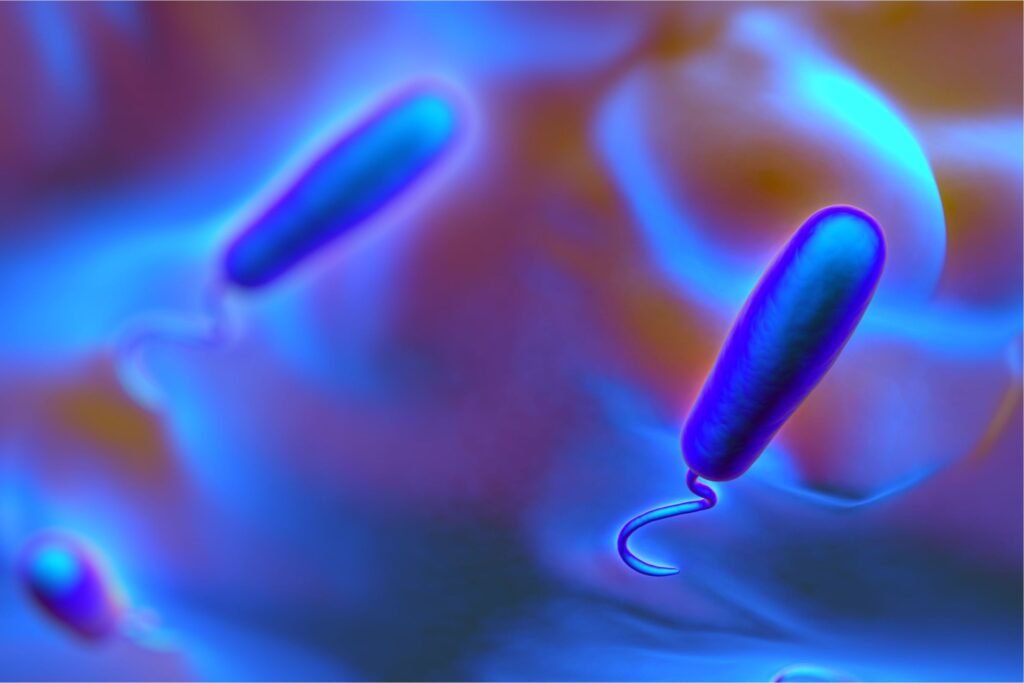
H. pylori is a spiral-shaped bacterium that colonizes the stomach lining.
Most people likely harbor some level of H. pylori, but only around 40-50% have overgrowth or infection significant enough to cause symptoms or be detected by medical tests such as the urea breath test or stool antigen test. These tests identify infection above certain bacterial load thresholds.
Within the infected population, the amount of H. pylori bacteria can vary widely – some people have high bacterial loads, while others have lower levels. This bacterial density, along with other factors, influences whether symptoms develop.
In healthy individuals, H. pylori often lives in balance with other gut microbes and does not cause harm.
Why Are Some People Symptom-Free While Others Develop Problems?
Many people carry H. pylori without symptoms or apparent stomach damage. Key reasons include:
Strain differences: Some H. pylori strains are more virulent, producing toxins and causing more inflammation, while others are more benign.
Host immune response: Individual immune systems vary; some maintain a balanced, controlled response that prevents inflammation and damage.
Gut microbiome balance: A diverse and healthy microbiome can suppress H. pylori overgrowth and mitigate its harmful effects.
Lifestyle factors: Diet, stress, smoking, and medication use influence stomach health and symptom development.
Symptom-free carriers tend to have less aggressive strains, balanced immune responses, and supportive gut environments, which keep H. pylori in check. Symptomatic people may have virulent strains or factors that disrupt this balance, leading to gastritis, ulcers, or reflux.
How Does H. pylori Affect Health?
Overgrowth or uncontrolled H. pylori has been linked to:
Gastric inflammation, gastritis, and ulcers
Gastroesophageal reflux disease (GERD or reflux)
Increased risk of stomach cancer in rare cases
Possible links to systemic inflammation and inflammatory arthritis
Disruptions to the gut microbiome, such as from antibiotics, poor diet, or stress, can allow H. pylori to flourish and cause damage.
Diet, Lifestyle & Microbiome: The Key to Keeping H. pylori in Check
A healthy, fiber-rich, plant-based diet supports a diverse gut microbiome, which helps keep H. pylori levels controlled.
Diets high in processed foods, sugar, red meat, and saturated fat (typical Western diets) are associated with a greater prevalence of H. pylori overgrowth and related symptoms.
Overeating generally stimulates increased stomach acid production initially, which can irritate the stomach and contribute to reflux. However, chronic overeating or stomach lining damage may later impair acid secretion, sometimes resulting in low stomach acid conditions.
H. pylori is highly adaptable and can survive in both high and low stomach acid environments.
Taking antacids and PPIs to reduce stomach acid may inadvertently promote H. pylori growth by creating a less acidic environment where it thrives.
Natural Foods That May Help Suppress H. pylori
Brussels sprouts and broccoli sprouts contain compounds shown in lab studies to inhibit H. pylori growth. Eating these regularly, especially raw or lightly cooked, can be a simple, effective dietary strategy.
Green tea is rich in polyphenols with antimicrobial properties, and several studies suggest it may help reduce H. pylori colonization and related gastric inflammation.
Pomegranate husk (peel) tea has demonstrated strong antimicrobial effects against H. pylori in laboratory studies, likely due to its high polyphenol and tannin content. Research often uses dried powdered extracts, but a small piece (~1–2 grams, roughly the size of a small coin) steeped in hot water for 10–15 minutes is a practical home preparation that may offer benefits. It is not definitively established if drinking it on an empty stomach is more effective, but consuming it as a regular tea is reasonable.
Moderate intake of these foods, combined with overall gut-friendly habits, can support microbiome balance without harsh interventions.
Antibiotics and Proton Pump Inhibitors: Effective But Costly for Your Microbiome
Standard medical treatment for H. pylori involves multi-drug antibiotic regimens combined with PPIs to suppress stomach acid and eradicate the bacteria.
While this treatment is often effective short-term, it also disrupts beneficial gut bacteria, sometimes causing long-lasting damage to the microbiome.
Research shows that recovery of gut microbial diversity after broad-spectrum antibiotics may take years, and in some cases, the microbiome may never fully recover.
Studies have linked long-term antibiotic use to increased risk of autoimmune conditions, including rheumatoid arthritis (RA) and other inflammatory arthritis.
Many people with inflammatory arthritis report antibiotic use as a contributing or triggering factor in their disease onset.
Personal Experience
Based on clinical research and personal experience, completely eradicating H. pylori with antibiotics and PPIs is not always the best first approach, especially if symptoms are mild or absent.
Instead, focusing on dietary and lifestyle changes to support a healthy gut microbiome is a safer and sustainable strategy:
Eat plenty of cruciferous vegetables like Brussels sprouts and broccoli. Raw or lightly cooked. Add a little mustard seed if cooked.
Drink green tea daily.
Pomegranate husk tea as a natural adjunct. Maybe weekly.
Avoid excessive overeating and foods that irritate your stomach or promote dysbiosis like processed foods, high sugar, fat or meat).
Manage stress, get adequate sleep, and avoid unnecessary antibiotics.
If antibiotics are necessary, try to establish what the bacteria is and use targeted antibiotics. Consider probiotics and prebiotics, and after treatment, focus heavily on microbiome restoration through a high fibre plant based diet.
Remember, every individual is different; consult healthcare providers before making significant changes or treatments.
Contributing Path to Overgrowth
Bad diet, overeating, obesity, and late-night eating are major contributors to acid reflux.
Reflux leads many people to use antacids/PPIs regularly.
These medications raise stomach pH, encouraging H. pylori overgrowth and disrupting the microbiome balance.
This cycle can create ongoing gut health problems if the underlying lifestyle and dietary causes aren’t addressed.
Summary: Managing H. pylori Holistically
| Aspect | Notes |
|---|---|
| Presence in population | ~40-50% have detectable H. pylori overgrowth; most others have low-level colonization |
| Bacterial load variation | Infected individuals vary in H. pylori density, influencing symptoms and test detectability |
| Symptom development | Depends on strain virulence, immune response, microbiome balance, and lifestyle factors |
| Symptoms | Gastritis, reflux, ulcers, possible links to inflammatory arthritis |
| Diet promoting H. pylori | Western diet (high fat, sugar, processed foods, red meat) |
| Diet suppressing H. pylori | High-fiber, plant-based, cruciferous veggies, green tea, pomegranate husk |
| Effect of overeating | Generally increases acid secretion initially; chronic effects may reduce acid |
| Impact of antibiotics & PPIs | Effective short-term, but disrupt microbiome long-term; linked to increased autoimmune risk |
| Natural strategies | Brussels sprouts, green tea, pomegranate husk tea, gut microbiome support |
References
Biological Trace Element Research, 2023: Antibacterial Effect of Boron Compounds on Klebsiella pneumoniae
Miftahussurur et al., 2020: “Global prevalence of Helicobacter pylori infection”
Sobrero et al., 2022: “Polyphenol-rich foods and H. pylori suppression”
Krishnamurthy et al., 2021: “Impact of antibiotics on gut microbiome and autoimmune disease risk”
Wu et al., 2019: “Green tea catechins inhibit Helicobacter pylori”
Al-Zereini et al., 2021: “Pomegranate peel extract as an anti-H. pylori agent”
Smith et al., 2018: “Effect of diet on gastric microbiome composition”
Johnson et al., 2020: “Role of H. pylori in inflammatory arthritis: a review”