
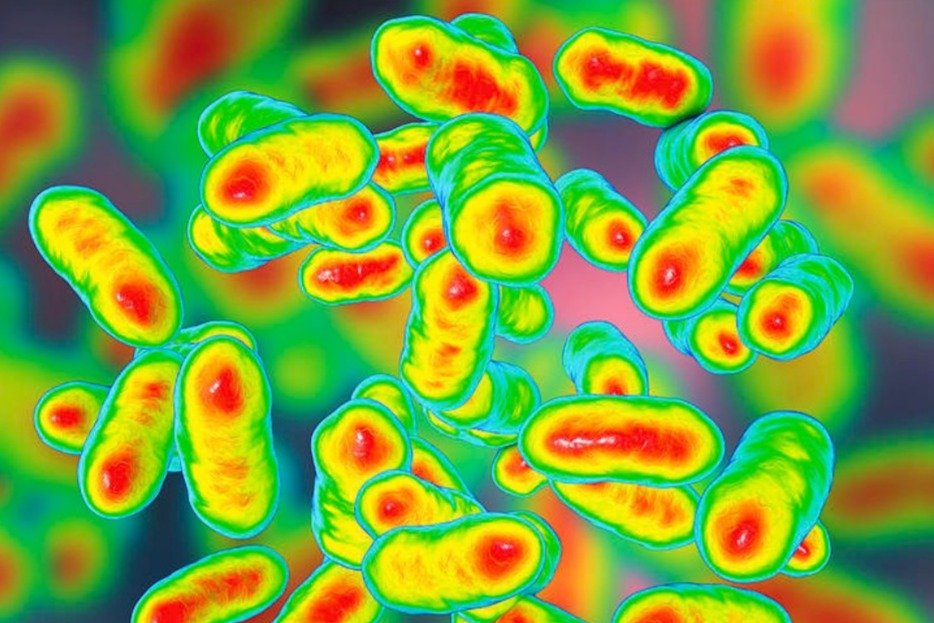
Prevotella copri
Prevotella copri is a gram-negative anaerobic bacterium commonly found in the human gut. Its role in human health is highly context-dependent: in some settings it supports glucose metabolism; in others, particularly autoimmune disease, it may promote inflammation. Discrepancies in its impact stem from genetic diversity among strains (clades A–D), combined with dietary and microbial context. Recent high-quality cohort and animal studies clarify its dual nature.
Best approach for treatment:
Emphasize microbiome diversity through whole foods and plant variety
- P. copri only becomes inflammatory when dysbiosis is present
Support gut health via plant fiber, fermented foods, gentle prebiotics
Adopt a long-term lifestyle that fosters resilience and balance in the microbial ecosystem – this will naturally limit overgrowth of pathobionts like P. copri when they are problematic
🧬 Prevotella copri & Arthritis
Schur et al. (2013, eLife) found that P. copri was significantly expanded in new-onset, treatment-naïve rheumatoid arthritis (RA) patients compared to healthy controls, linking it to increased disease susceptibility.
In a 2022 study (Cellular & Molecular Immunology), researchers isolated a strain (P. copri RA) from RA patients and found that colonizing mice with this strain exacerbated arthritis under a high-fiber diet; the high fibre encouraged overproduction of succinate and related organic acids, fueling ongoing inflammation.
Current research suggests certain P. copri strains actively stimulate pro-inflammatory immune pathways, notably Th17 and IL‑6/IL‑23 responses, contributing to joint inflammation and autoimmunity.
🌱 Dietary Context & Prevotella Ecology
Cell Metabolism (2015) showed that in healthy individuals, P. copri thrives on dietary fermentation of complex fiber, producing beneficial SCFAs like acetate and propionate.
A comprehensive review (Brit J Nutr, 2023) confirmed that high-prevalence P. copri is linked to rural, high-fiber diets (e.g. Mediterranean, agrarian diets), whereas Bacteroides is more common under high‑fat, high‑protein Western diets.
Crucially, the 2022 Peking Union Medical College study revealed that P. copri becomes inflammatory only under specific conditions of dysbiosis combined with fiber consumption—suggesting it is not inherently harmful but can be when ecological balance is disturbed.
⚖️ Suppression via Diet & Lifestyle
Scientific evidence indicates that reducing P. copri overgrowth is most effective within a broader strategy:
Dietary modulation: Regular whole-food, plant-based meals may support balanced P. copri strains when microbial diversity is intact; however, in dysbiosis, fiber-rich diets could exacerbate inflammation if dominant strains are pathogenic.
Microbiome restoration: Adding diverse prebiotic fibers and probiotic-supporting foods (resistant starch, non-starch polysaccharides) can encourage competing beneficial species like Bacteroides and Faecalibacterium.
Reduced refined carbohydrate and gluten intake: Some clades of P. copri preferentially ferment arabinoxylans, pectins, and wheat bran – limiting trigger foods may help manage its abundance.
Targeted interventions: Emerging clinical trials are exploring the use of probiotics, specific herbals, or selective antimicrobial supplements – but no widely accepted protocol yet exists. A 2022 review on microbiome interventions emphasized personalised suppression based on strain and ecological context.
✅ Realistic Dietary Approach
Current research does not support any specific food or supplement as a targeted P. copri suppressant.
The more reliable path is to focus on building a diverse, balanced gut ecosystem using:
A wide variety of whole, plant-based foods.
Prebiotic fibers (various vegetables, legumes, whole grains).
Fermented foods (if tolerated) and microbiome-supportive habits.
- Don’t overdo wheat and refined wheat products.
When overall microbial diversity is strong, P. copri – even if present – typically plays a neutral or metabolically positive role, rather than a pathogenic one.