
Microbiome
Microbiome & Arthritis
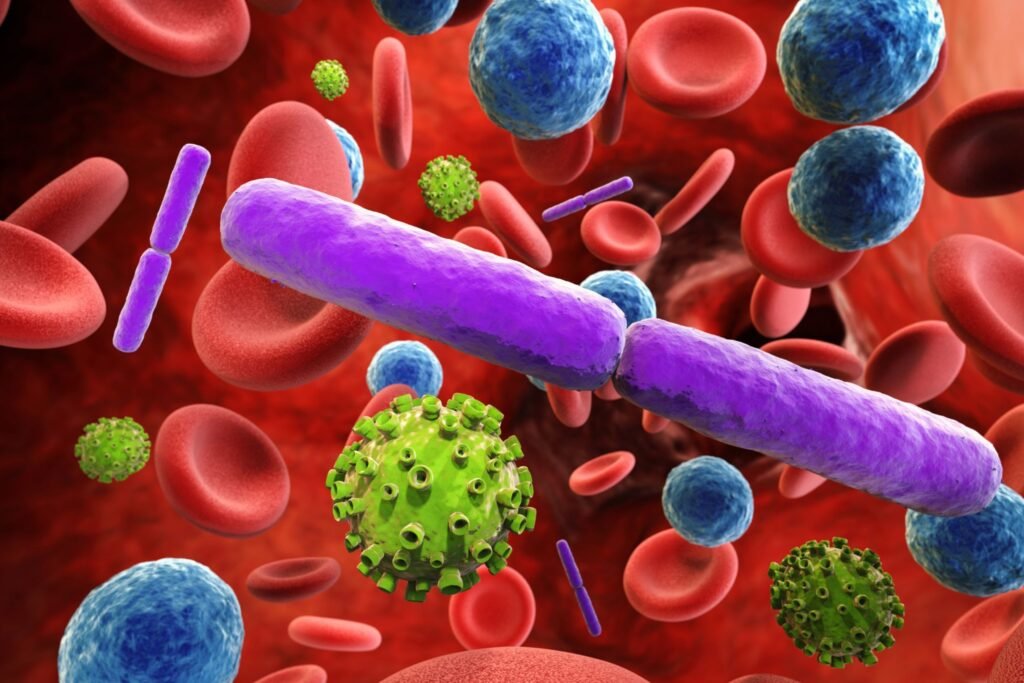
In inflammatory arthritis, the gut–immune connection is especially strong. People with rheumatoid arthritis, ankylosing spondylitis, psoriatic arthritis and other inflammatory diseases often show microbial imbalances that increase intestinal permeability and trigger systemic inflammation. Evidence suggests that these gut changes can precede the onset of disease, making the microbiome not just a by-product but a potential driver. This has spurred research into dietary strategies, probiotics, and microbiome-directed therapies to help reduce inflammation and improve outcomes.
Other forms of arthritis and autoimmune disease also show links with gut health. Osteoarthritis, long seen as simple “wear and tear,” is now recognized to involve low-grade inflammation influenced by microbial activity. Likewise, conditions such as inflammatory bowel disease, lupus, and multiple sclerosis display characteristic shifts in gut bacteria. These overlaps suggest that microbiome health may be a shared factor across many inflammatory and degenerative conditions, making it a valuable target for maintaining joint and immune health.
Microbiome
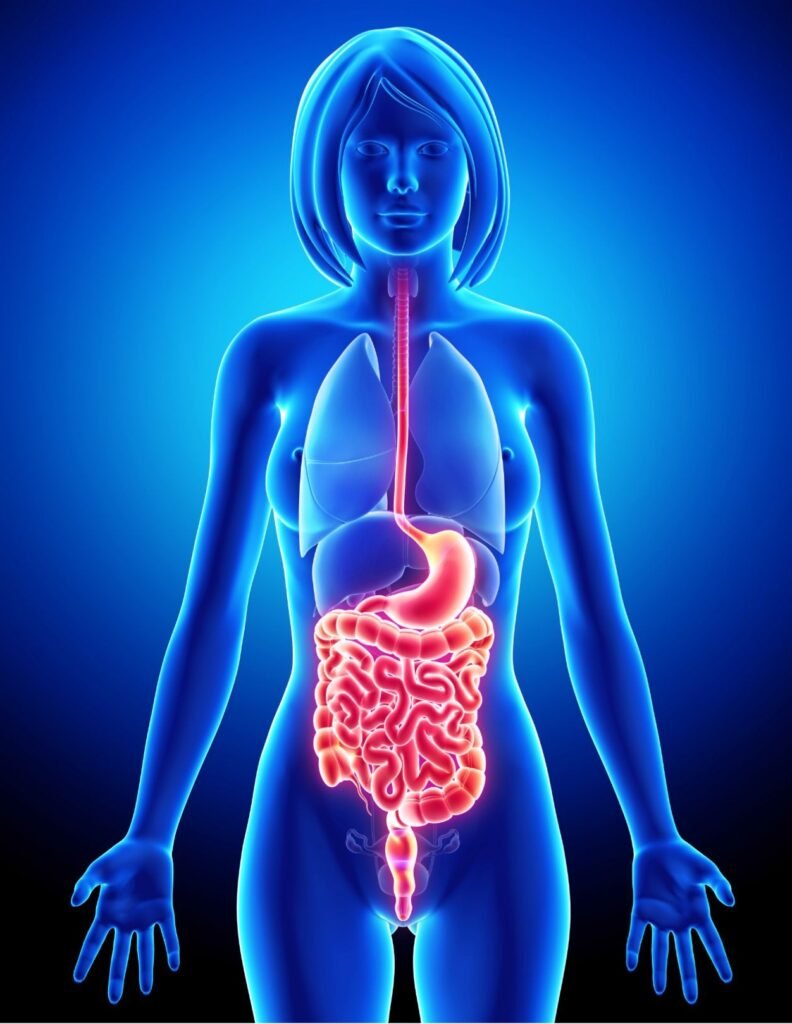
Your gut is home to trillions of microorganisms – collectively known as your microbiome – that influence nearly every aspect of health, from digestion and metabolism to immunity and mood. These microbes form a dynamic ecosystem that produces essential metabolites such as short-chain fatty acids, vitamins, and neurotransmitter precursors that communicate directly with immune, neural, and endocrine pathways. When the microbiome is balanced, the gut lining serves as both a barrier and a signalling hub, regulating inflammation and maintaining immune tolerance toward food and beneficial microbes. This symbiotic relationship underpins the body’s ability to defend against pathogens while preventing inappropriate immune activation.
However, when the microbial balance becomes disturbed – a state known as dysbiosis – or when the intestinal barrier weakens, a condition often referred to as “leaky gut,” immune and metabolic stability begin to falter. Factors such as a low-fibre diet, chronic stress, environmental toxins, alcohol, infections, and certain medications (especially antibiotics and N SAIDs) can all erode microbial diversity and impair the intestinal lining. Over time, these cumulative insults can lead to heightened immune reactivity, nutrient malabsorption, and systemic inflammation. The encouraging reality is that the gut remains highly adaptable; with targeted dietary and lifestyle interventions, microbial diversity and barrier integrity can be restored, setting the stage for genuine healing and immune recalibration.
The Gut-Immune Connection
Roughly 70–80% of the body’s immune cells reside in and around the gastrointestinal tract, forming a vast immune–microbial interface known as the gut-associated lymphoid tissue (GALT). This close contact enables constant cross-talk between intestinal microbes and immune cells, allowing the microbiome to shape immune development from infancy onward. Beneficial bacteria help calibrate the balance between tolerance and defence, training immune cells to ignore harmless antigens such as food proteins while responding appropriately to true pathogens. Through these daily interactions, a diverse and stable microbial ecosystem becomes essential for immune regulation and long-term inflammatory control.
When this microbial community loses diversity, communication between microbes and immune cells becomes disrupted, tilting the system toward hypersensitivity and inflammation. The depletion of beneficial species reduces production of short-chain fatty acids like butyrate, acetate, and propionate – compounds that normally nourish colon cells, strengthen tight junctions, and signal anti-inflammatory pathways through receptors on T-regulatory and dendritic cells. Without these microbial signals, the immune system can become overreactive, producing excess cytokines and inflammatory mediators that prime the body for autoimmune activity and chronic inflammation.
Intestinal Permeability - Leaky Gut

Increased intestinal permeability allows partially digested food proteins and bacterial fragments (like Dietary Antigens and lipopolysaccharides (LPS) from gram negative bacteria), to pass through the intestinal lining into the bloodstream. This can provoke an immune response, including the production of inflammatory cytokines, and may trigger or worsen autoimmune reactions via mechanisms like molecular mimicry – where the immune system confuses body tissues for foreign particles that have leaked through into the blood stream.
Inflammation increases permeability and permeability increases inflammation. A vicious cycle.
It is therefore very important to break this cycle by removing the things causing the damage and instigating inflammatory cascades and do everything we can to restore gut health.
But here is a personal tip. Fermented foods like yogurt and sauerkraut may NOT be what you need when you have these issues. In many cases, dairy products and fermented foods can actually make things worse. (Due to the various interactions.)
Gum Disease - Oral Permeability / Leaky Gums

Maintaining oral health – particularly controlling bacteria like Porphyromonas gingivalis – is about far more than avoiding cavities. This keystone pathogen in gum disease produces lipopolysaccharides (LPS) and other inflammatory triggers that have been strongly linked to systemic diseases, including rheumatoid arthritis, cardiovascular disease, Alzheimer’s, type 2 diabetes, and even pregnancy complications.
If you get cavities and your gums bleed when you brush – Take note. A large proportion of the population have gum disease!
Clinical studies have shown measurable improvements in joint pain, stiffness, and systemic inflammation within three months of gum treatment.
So it is important to understand the connection between Oral health, inflammation and arthritis. Get rid of your gum disease and maintain your oral health.
Brushing and flossing three times a day did NOT get rid of periodontal disease in my case. Read more on the Oral Health page.
Microbiome Imbalance in Arthritis
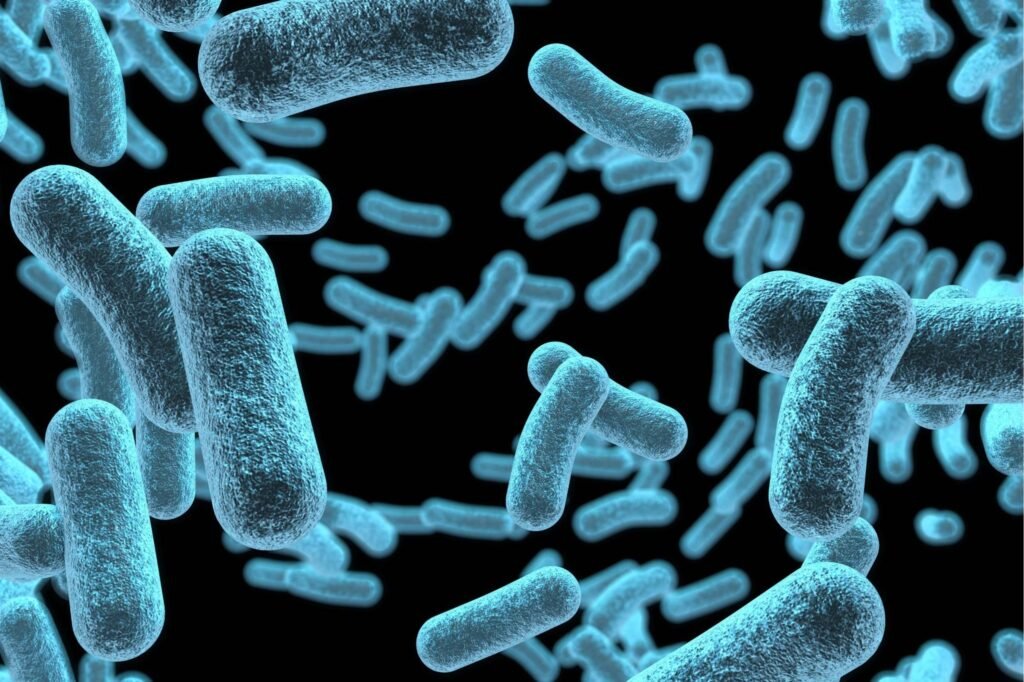
Microbial imbalances can stimulate immune overreactions, increase gut permeability, and worsen systemic inflammation in susceptible individuals. Disruptions in the gut and oral microbiomes are increasingly recognised as key drivers of autoimmune arthritis. Reduced microbial diversity and the overgrowth of specific pro-inflammatory bacteria – including Prevotella copri, Klebsiella pneumoniae, Collinsella, Ruminococcus gnavus, Helicobacter pylori, and oral pathogens like Porphyromonas gingivalis – have been linked to heightened inflammation and more severe disease activity. See the Oral Health page
On the linked pages from the previous paragraph I explore the science, evidence and ways to keep each of these pathogens under control without harming the rest of your microbiome.
When I was in a lot of pain well meaning doctors and naturopaths suggested drugs and toxic herbs and medicines to kill off pathogens. But my pain levels only got worse. In hindsight I liken this approach to hitting your lawn with Glyphosate to kill the weeds. It kills the weeds (Pathogenic bacteria) but also kills the grass (your whole microbiome) and then guess what? Even more weeds (Pathogenic bacteria’s) return!
There are many factors that effect your microbiome. I will give an overview of the main factors to begin with. You may find links to more details within the text.
Antibiotics

While sometimes necessary, antibiotics can wipe out both harmful and beneficial bacteria. Even a single course can cause measurable shifts in microbiome composition for months or even years.
Repeated or early-life antibiotic use has been associated with increased risk of autoimmune and inflammatory conditions later in life.
Ciprofloxacin and Levofloxacin, Amoxicillin/Clavulanate, Clindamycin, Metronidazole etc. Read more about Antibiotics on the Medication page.
Additionally, in my case and in so many case reports I have read or listened to, there seems to be a strong correlation between antibiotic use and the onset of disease.
Mechanistically it make perfect sense. Antibiotics kill bacteria. Broad spectrum antibiotics kill a wide variety of beneficial bacteria – As well as presumably the target.
If you are sure you need to take antibiotics, ask your doctor to test for which bacteria they need to kill and use targeted antibiotics whereever possible.
Non-Steroidal Anti-Inflammatory Drugs (NSAIDs)
NSAID’s – Short term relief, but may be counter productive long term.
NSAID’s also increase mast cell activation. More on that later.
Many people use these cheap readily available drugs long term with out realising they are exacerbating their long term symptoms.
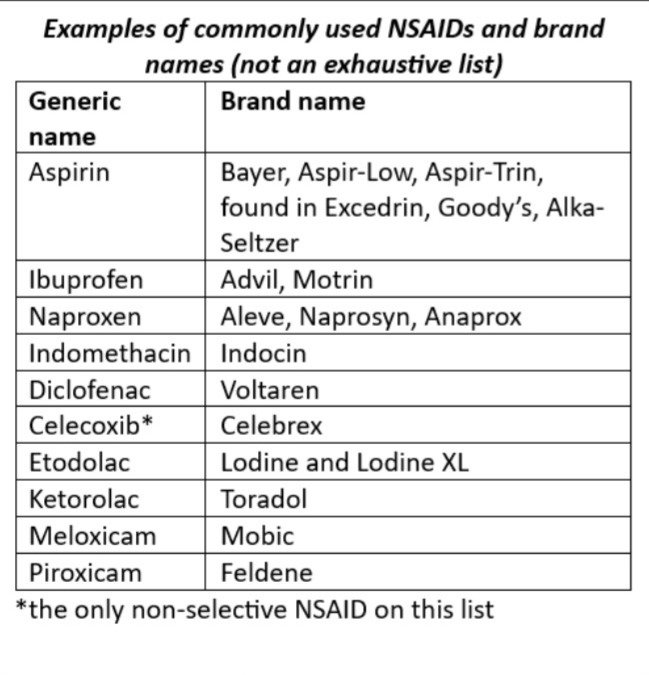
Common drugs like ibuprofen / Advil, naproxen, and diclofenac, Celebrex and Meloxicam are frequently used to manage arthritis pain. However, research shows that N SAIDs can damage the intestinal lining, increase permeability, and alter microbiome balance – potentially worsening the underlying autoimmune condition over time.
More about N SAIDS on the Medication page.
Processed Foods
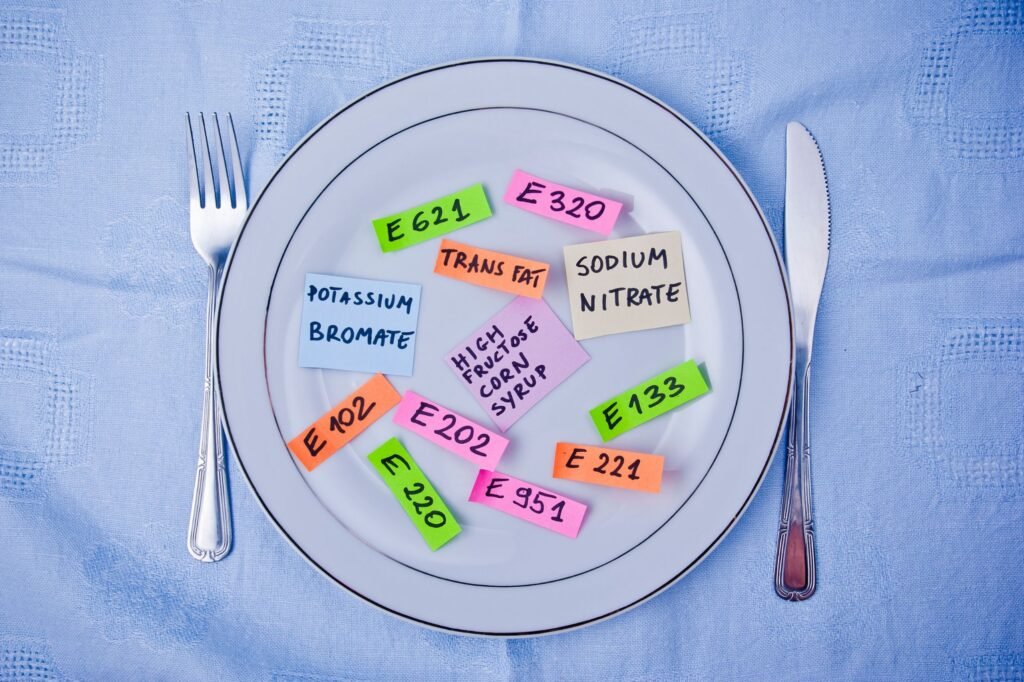
Diets high in sugar, salt, alcohol, and unhealthy fats encourage the growth of opportunistic and inflammatory microbes in both the mouth and the gut. In the oral cavity, excess sugar and alcohol fuel acid-producing bacteria that drive tooth decay and gum disease, while in the intestine these same dietary patterns reduce microbial diversity and promote the overgrowth of less beneficial species. Ultra-processed fats and oils can also alter bile acid metabolism, which reshapes microbial balance in ways that favor inflammation. Over time, this shift away from a balanced microbiome weakens the body’s natural defenses, increases permeability of mucosal barriers, and raises the risk of chronic systemic inflammation.
Beyond simple sugars and fats, many processed foods contain preservatives, artificial sweeteners, flavor enhancers, and emulsifiers such as polysorbate-80 and carboxymethylcellulose. Studies in both animals and humans show that these additives can erode the protective mucus layer of the gut, disrupt microbial communities, and heighten immune activation. Alcohol and common preservatives like sulphites have also been shown to reduce the abundance of beneficial bacteria while encouraging inflammatory species to thrive. When paired with a diet low in fibre and whole plant foods, the cumulative effect of processed additives is to accelerate the loss of protective microbes and create an intestinal environment that favours inflammation, dysbiosis, and disease. More on Processed foods.
Emotions and Cravings

When you’re even slightly dehydrated, you are more likely to crave high-carb or sweet foods.
If you are having a craving, drink water and the craving loses it’s power. Some studies suggest around 37% of people misinterpret thirst signals as hunger.
Highly processed carbohydrate foods can encourage the growth of bacteria that signal to the brain to reinforce cravings for more of the same foods.
The gut and brain communicate via the gut-brain axis, a bidirectional system involving nerves, hormones, and microbial metabolites. An imbalanced gut can affect mood, leading to symptoms like depression and anxiety – which in turn can impact your dietary choices and motivation. Certain gut bacteria also influence food cravings; for example, some species that thrive on sugar can chemically signal the brain to crave more sugar, perpetuating a harmful cycle.
Chronic Stress

Public speaking is known to significantly increase intestinal permeability within hours!
The stress from pain, fear and frustration of having inflammatory arthritis (and other diseases) can promote a vicious cycle – Inflammation, pain and disability can cause stress – Stress increases inflammation, pain and disability.
Put strategies in place for emotional health and well being.
Stress doesn’t just affect your mind — it alters the microbiome and weakens the gut barrier. Stress hormones like cortisol can reduce the production of secretory IgA (a protective gut antibody), delay intestinal repair, and shift microbial populations toward more harmful strains. Corticotropin-releasing hormone, triggered by stress activates mast cells which releases Histamine, tryptase and cytokines which disrupt the tight junctions in the gut.
There are practical actions on the Chronic Stress page and the Mindset page to restore emotional balance.
Physical Activity and Hydration

Regular physical activity enriches the diversity of the gut microbiome, particularly increasing populations of bacteria that produce short-chain fatty acids, which reduce inflammation and support intestinal barrier integrity. Even moderate exercise, such as brisk walking, promotes better circulation, improved digestion, and a healthier immune response, while sedentary lifestyles are linked with reduced microbial diversity and greater risk of systemic inflammation. As a practical guideline, aiming for 30 minutes of brisk walking twice daily, combined with stretching or mobility exercises, can make a measurable difference in supporting microbial balance and lowering inflammation.
Hydration is equally vital for gut health, as water facilitates the transport of nutrients, supports digestion, and maintains the protective mucus layer of the intestines where beneficial microbes thrive. In contrast, chronic low-level dehydration can impair these processes and contribute to gut dysbiosis and inflammation. Many people rely heavily on diuretics such as coffee, tea, or alcohol, which can increase fluid loss, making it important to balance them with sufficient pure water intake. Drinking enough water not only supports microbial diversity but may also help reduce mistaken hunger signals, since mild dehydration is often perceived by the brain as food cravings rather than thirst. See pages dedicated to Hydration and Exercise.
Sleep and Circadian Rhythm

Poor or irregular sleep patterns can impair gut motility, immune regulation, and bacterial balance – all of which contribute to systemic inflammation.
Breathing through your nose is important because it helps regulate nitric oxide levels, supports better oxygenation and circulation, reduces stress-related cortisol spikes, and promotes parasympathetic nervous system activity – all of which can help reduce systemic inflammation and support immune balance.
More info on Quality Sleep page.
Tips for a good sleep
- Plenty of exercise during the day.
- No food for 3h before bed.
- Write down worries or plans for the next day.
- Stop screen time, have a Camomile tea and a warm shower or bath an hour before bed.
- Make the room dark, cool and quiet.
- Foam ear plugs if needed, phone on silent.
- A tiny bit of narrow medical tape or masking tape vertically on the lips before sleep will keep you from mouth breathing and snoring.
You Can Heal Your Gut

Healing the gut involves removing harmful influences, restoring barrier function, and reintroducing beneficial microbial species through diet and lifestyle. Key strategies include removing triggers, eating for your microbiome, managing stress, sleeping well, breathing deeply, and exercising regularly. Yet it is not as simple as that. Identifying triggers can be very difficult, and one seemingly harmless thing that you do or don’t do can make all the difference.
Because the gut is central to both digestion and immunity, healing it requires a multi-layered approach that starts with awareness. Many people notice that when they make small adjustments in food choices, exercise, stress management, or hydration, their disease activity fluctuates.
Subtle improvements in gut health translate to less pain, more energy, and a clearer mind. These first steps prepare the way for taking a closer look at what’s driving inflammation in the first place – the triggers that keep the gut under constant stress.
Triggers

When the gut is damaged and dysbiosis is present, the immune system can become overly reactive to things that would normally be harmless. This can lead to inflammation triggered by foods such as gluten, dairy, eggs, meat, processed fats and oils, food additives, preservatives, and even natural compounds like amines in fermented foods. Foods containing mast cell activators can further intensify symptoms. Bacterial products such as lipopolysaccharides (LPS) and other microbial fragments can also cross a weakened gut barrier and act as powerful immune triggers.
In this sensitised state, the body may begin to treat everyday foods and bacterial signals as threats, fuelling ongoing immune activation and distress. Pinpointing these triggers and having the will power to remove them is very difficult for most people. Removing inflammatory foods while reducing microbial triggers helps calm the immune response and allows the gut lining to repair. As the burden of triggers decreases, the gut begins to stabilise, creating the conditions for healthier microbial communities to thrive. Once you have reduced this inflammatory load, the next step is to actively feed and strengthen your microbiome so that healing can take root.
Eat For Your Microbiome
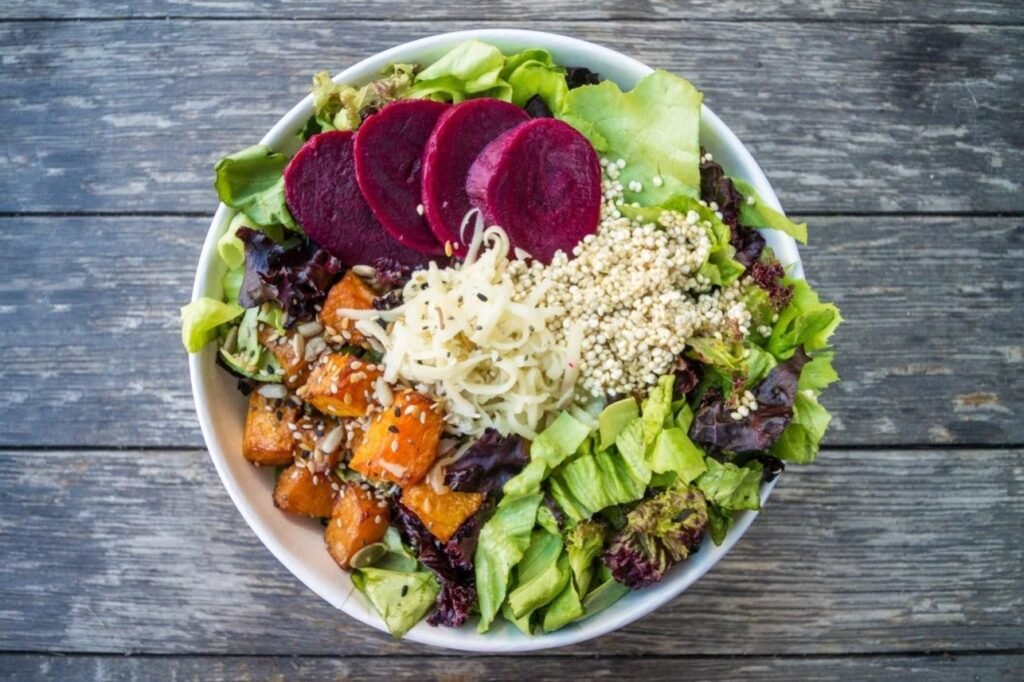
If you have inflammation and arthritis, chances are you have intestinal permeability and dysbiosis. You may even find that some foods usually considered “healthy” trigger your inflammation. Cutting out the usual suspects often leaves you with a no-added-fat, vegan, whole food, plant-based diet – ideally organic. One of the strongest foundations for gut health is eating a wide variety of plant foods, since diverse fibres encourage the growth of beneficial bacteria and help repair the gut barrier. Enjoy your food. Love being pain free.
For those with A.S., starch is not your enemy!
Eating for your microbiome means choosing foods that nourish beneficial bacteria while reducing those that encourage inflammatory species. All while avoiding triggers. Research shows that consuming a large volume of diverse plant fibres is key for microbial resilience. Vegetables, legumes, fruits, resistant starches, and polyphenol-rich foods like berries, herbs, and green tea all help create a healthy microbiome that strengthens gut integrity. In contrast, processed foods, dairy, refined sugars, refined seed oils, alcohol, and high-meat diets tend to erode microbial diversity, reduce beneficial species, and worsen inflammation.
Gut Health is Key
While many people with arthritis and other inflammatory diseases focus only on managing symptoms, the gut often holds the root of the problem – and the key to recovery.
Science continues to uncover the incredible ways in which the gut regulates immunity, inflammation, pain.
By understanding and improving your gut health, you don’t just improve digestion – you change the terrain on which your entire health rests. It’s reasonable to expect significant improvement in your quality of life
A strong, balanced gut provides the immune system with tolerance, preventing it from overreacting to harmless foods and protecting against autoimmunity. A healthy gut barrier also limits the leakage of microbial toxins and food particles that would otherwise fuel inflammation throughout the body. This is why healing the gut has ripple effects far beyond digestion, impacting energy, mental clarity, and long-term disease risk. The message is clear: make gut health a central focus, and you create the conditions for true healing and a life free from unnecessary inflammation.